

How one founder plans to use blockchain to bring equity, transparency to the ‘American Dream’ — buying a home
September 2, 2022 | Nikki Overfelt Chifalu
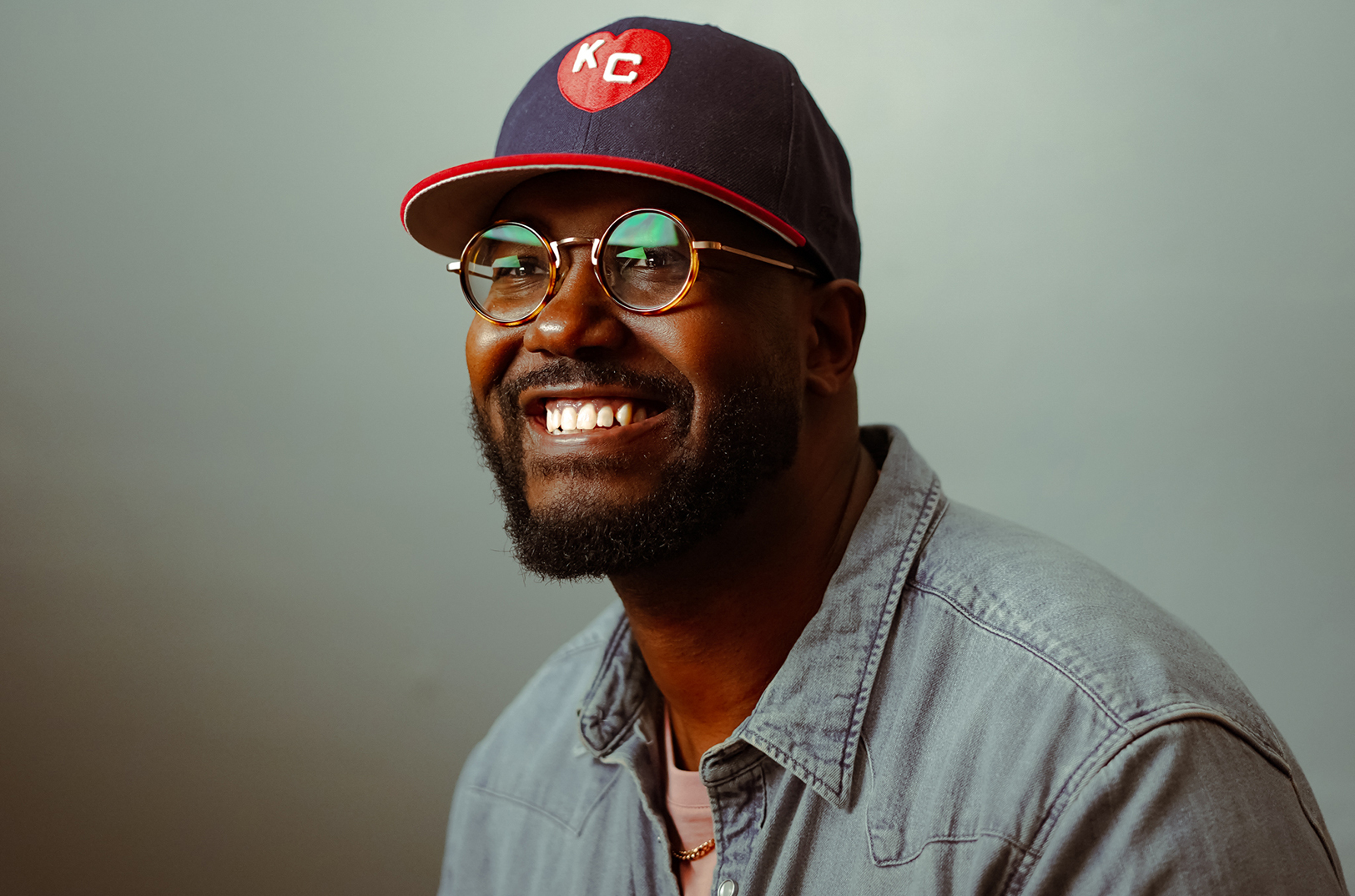
After back-to-back home-buying nightmares — where predatory practices left Louis Byrd with mounting bills from unexpected repairs — the Kansas City entrepreneur and creative force plans to launch a new blockchain-infused solution to increase transparency for homebuyers.
The first tech product from Byrd’s Zanago Design, Kataba is expected to allow potential buyers to verify titles, repairs, and warranties before making an offer. Set to launch in spring 2023, Kataba is expected to feature a marketplace built on blockchain technology for buyers and sellers to search and post properties.
“It’s almost like the real estate equivalent of Carfax,” said Byrd, detailing the use of Kataba’s digital ledger — called lejablox — to see what work has been done on the house in question.

The self-funded project follows two recent experiences where the Byrd family found themselves burned by contractors, lenders and sellers who hid significant problems with the houses they were unloading.
Byrd and his wife ultimately had to sell their first home at a loss because of the challenges. Their second didn’t fare much better.
A freshly-renovated 126-year-old home listed as having a new roof and updated plumbing and electrical, the house passed inspections well — before an ignored repair need by the previous owners turned into $2,000 in damage from leaking sewage, Byrd said.
“So here we are, again,” he said, noting a list of other problems that arose: freezing pipes because of missing insulation, incorrect electrical voltage for the laundry, a bat infestation. “Round 2 purchasing a home and a lot of these issues take place.
“We did everything right,” Byrd continued. “We had an inspection. We had a seller’s disclosure. … But the inspector can only see so much. The inspector can see what’s on the outside but not necessarily what’s behind the wall.”
Concerns also arose about the quality of repairs done by previous owners, he said, prompting the couple to question the home’s true history.
“That was the moment when I was talking to my wife and I said, ‘there has to be a better way,’” Byrd said. “People shouldn’t have to go through this when purchasing a house. Because in most other instances, if you buy something, if there’s a defect, if there’s a problem, obviously, you can take it back. And you can do that with real estate. But the challenge is — the legal process — there’s so much to go through.”
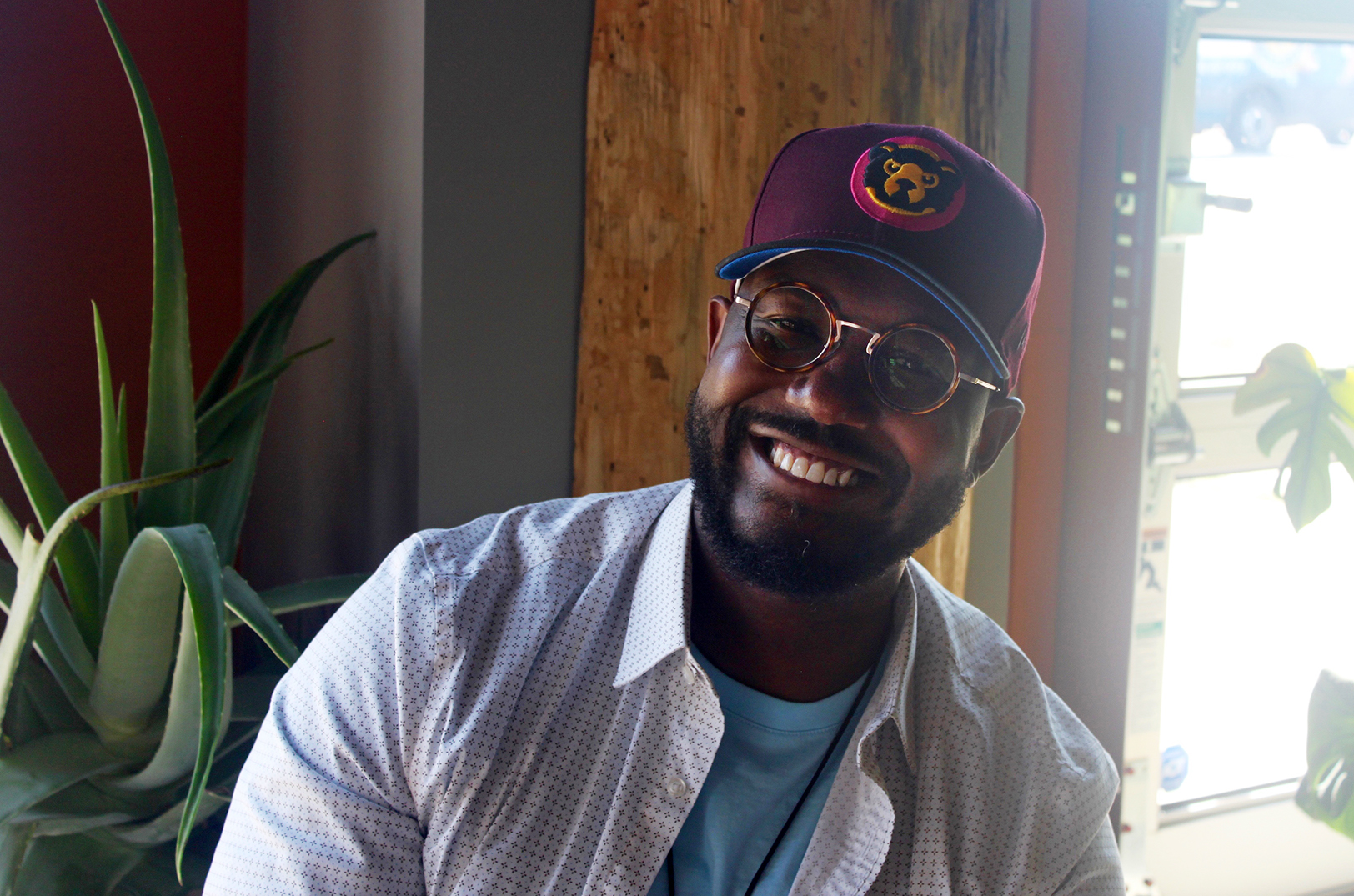
Louis Byrd, Kataba
A direct data connection
Instead of just a standard seller’s disclosure that says electrical work was done, Byrd wants potential buyers to be able to see when the repairs were done, the identity of the company that did the work, the permits that were used, and how much the repairs cost, plus any warranties that are included.
“It gives me as a buyer a little bit more assurance that things were done properly,” he explained. “They understand exactly what they’re buying in this property.”
Unlike Carfax, a third-party platform for the automotive industry, Kataba will be a direct contract between the seller and the buyer and provides more legal protection in case something does go wrong, Byrd said.
“It’s on the blockchain, which creates an immutable, meaning that no one can tamper with it once that thing is minted on the technology, right on the blockchain,” he added.
Once someone buys a home, the owners will be able to add in their own repairs and maintenance to the lejablox.
“Now the property is more valuable,” Byrd said. “Because now I can sell it to somebody else and they can see everything that I did to take care of the house.”
Kataba is also expected to shorten the time between the sale agreement and closing, he added.
“Because we’re leveraging blockchain technology, instead of me having to wait for 30 days, 45 days for closing and all these things, well guess what,” Byrd continued. “We can get it done in 30 minutes.”
Another goal: Kataba is envisioned as offering a more equitable marketplace in a challenging housing market where inventory is low and many properties are getting scooped up by corporate companies and investors who pay cash, do minimal repairs, and turn around and rent them out at high rates.
“Part of it is also to create an equal playing field for people to be able to actually join the quote unquote American Dream,” he explained, “to have real estate (and) to get that first level of wealth within their family.”
To get there, Kataba is expected to feature guaranteed up-front financing, instead of the normal pre-approval process, Byrd said.
“The seller will know that everybody that’s in Kataba has already been approved, verified, (and) guaranteed financing,” he said. “If an investor comes in with a lowball cash offer, well, no. We have this marketplace where you can get what your house is actually worth. And the people that are shopping there can afford it because it’s all within one ecosystem together.”
This creates more equitable outcomes, he added; sellers aren’t being taken advantage of with lowball offers and buyers have the opportunity to compete in the marketplace.
But the Kataba marketplace isn’t for everyone, Byrd added.
“If you have sellers or house flippers or property owners that know that they don’t do things properly, they’re not gonna list off on Kataba,” he explained. “And that’s part of the goal. … Again, that’s why it’s about transparency in real estate. People on both sides understand what they’re getting into.”
From engineering to a tech startup
Running a business is nothing new for Byrd, a Kansas City native and an entrepreneur since 2010.

He earned an electrical engineering degree from the University of Missouri, but quickly realized the corporate world was not for him, he said. So Byrd attended the Institution of Production and Recording in Minneapolis and got a multimedia arts degree with an emphasis in audio production and engineering.
Once he returned to Kansas City, he started doing freelance graphics, cinematography, and music production, which led to his first business, Nest Multimedia.
“Over time, I started to grow a reputation around town for being able to do certain types of multimedia,” he said. “Then I got involved in branding and really got heavily involved in multimedia and multicultural types of marketing and branding and did that for a while.”
Mellie Blue Branding then evolved into cross-cultural strategic branding, he continued.
“I started working primarily with engineering firms, architectural firms, law firms and really helping them understand culture,” he continued, ”and how that can impact not only their business, but their brand in general.”
In 2021, Byrd was recruited to VMLY&R as a director of experience design, but after a year, he said, he realized there is nothing like running your own business and he wanted to focus on his passions.
“What I started to learn is that you can’t solve problems by just talking about it,” Byrd added. “And I figured that it’s time to start actually building solutions to address some of the things that I care about, a lot of things that kind of revolve around systemic challenges within our society. So that’s what led to Zanago.”
He began Zanago Designs with the goal of building a world where equity is the norm, he said.
“How does Kataba fit in?” he said. “Well, it’s all about creating, again, those equitable outcomes for people.”
This comes in two ways, he continued: giving people a fair shake in the market and ensuring that their investment in a house is worth it.
“When it comes to people who have been historically excluded — I’m talking about across race, gender, ethnicity, all these different things — one of the challenges there is that a lot of times, certain demographics are biased against,” he said. “And systemically, they don’t have an opportunity to get the same type of preferable treatment within real estate.”
Kataba aims to remove a lot of that bias, Byrd said, by removing questions about race and gender that are on traditional mortgage applications. These questions may not directly influence your credit, he added, but they can affect your interest and insurance rates.
“We’re basically experimenting with: how can we approve or qualify people and look at the whole person?” he said. “Not just looking at these things that have traditionally been looked at.”
Byrd believes Kataba will revolutionize the real estate industry by going against the status quo.
“We want to give people an opportunity to really achieve wealth and to do it in a manner where they don’t get screwed at the end of the day,” he said.

This story is possible thanks to support from the Ewing Marion Kauffman Foundation, a private, nonpartisan foundation that works together with communities in education and entrepreneurship to create uncommon solutions and empower people to shape their futures and be successful.
For more information, visit www.kauffman.org and connect at www.twitter.com/kauffmanfdn and www.facebook.com/kauffmanfdn


2022 Startups to Watch
stats here
Related Posts on Startland News
Tenacious Scollar CEO to international investors: Look me in the eyes and try to tell me ‘no’
With a year of hustle well under way, you can’t break Scollar’s stride, Lisa Tamayo said as she prepares to take the stage in front of a 25,000-plus person crowd May 20 at the Collision tech conference in Toronto. “[I believe] 15,000 people applied to present a pitch and they whittle that down to 60…

Zego exit, investment wins reflect critical need for startups to look outside KC, co-founder says
Homegrown is great, Adam Blake said, but at some point scaling companies must explore the world of resources and dollars available outside the metro. “Kansas City has a lot to offer — plenty of talent, great place to live and quality of life, helpful mentors, etc. — but I would say it’s a requirement for startups…
The Distrikc founders: We’re not waiting on outsiders to save our brothers and sisters
It’s time for members of Kansas City’s largely unseen and forgotten communities of color to take control, said Wesley Hamilton, one of the organizers behind The Distrikc. “We speak so much about KC, but people forget whole groups of people — I’m talking Troost to Main, East Kansas City, South Kansas City,” he said. “We want…
‘Legendary’ UMKC Enactus team earns spot in national entrepreneurship finals
The University of Missouri-Kansas City’s Enactus team is the fourth most impactful in the country, declared Ben Williams. “At UMKC Enactus, we take the world’s greatest challenges into our own hands, channeling our power as students, advocates, and entrepreneurs,” the team told a crowd gathered Tuesday at the Kansas City Convention Center, as they took…