

KC wants to be the nation’s most equitable hub for biologics; prestigious MIT pick could help
July 22, 2022 | Channa Steinmetz
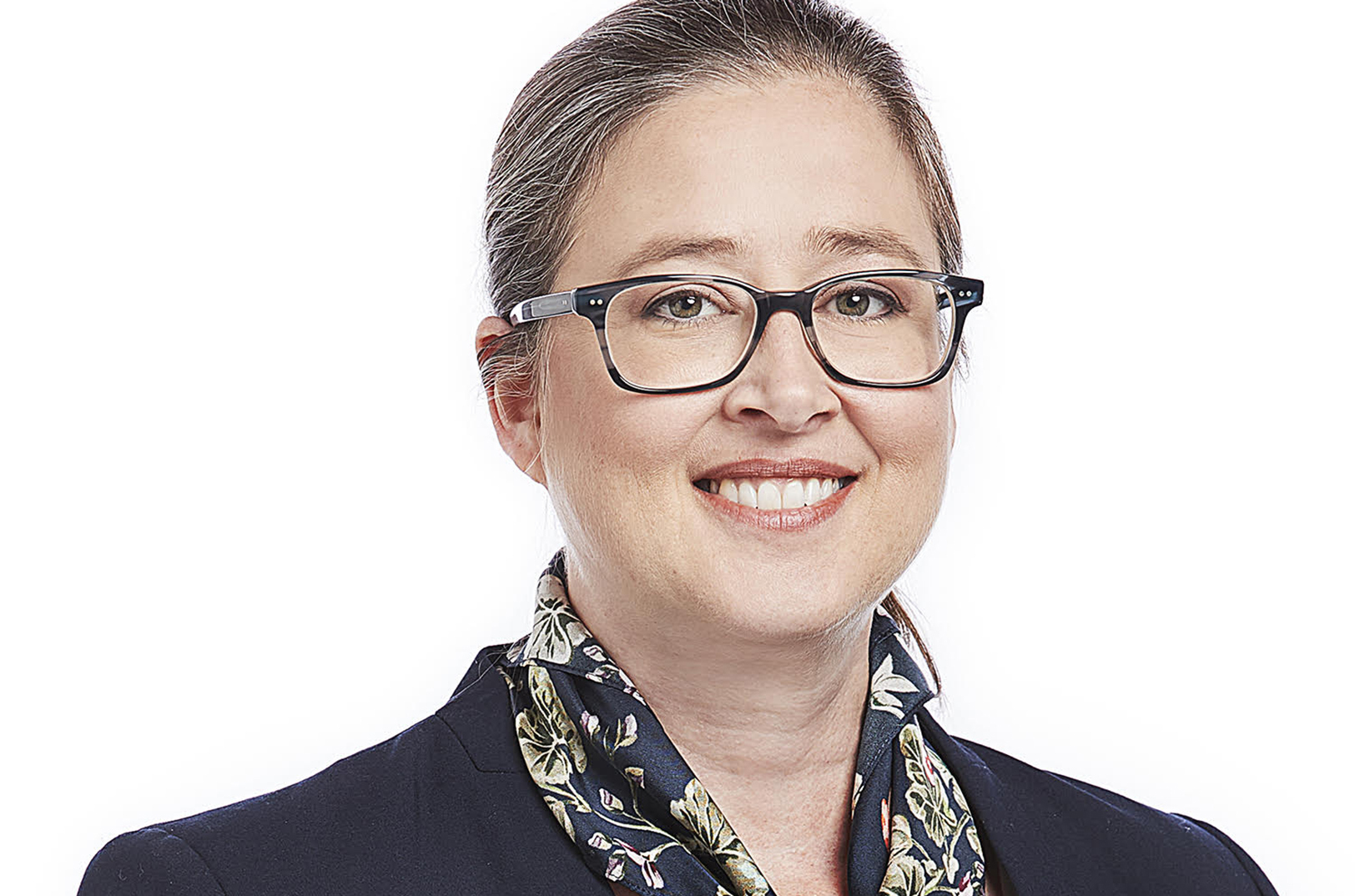
Biologics is the entryway to personalized medicine, said Sonia Hall, and Kansas City is aiming to create the most inclusive hub for the development, production and distribution of biologics as part of its acceptance to the Massachusetts Institute of Technology Regional Entrepreneurship Acceleration Program.
“When you talk about personalized medicine, you’re talking about greater equity within health; because every individual and their unique differences matter and need to be taken into consideration. To me, that is the true beauty of growing biologics — not only are you growing that industry sector and growing economic prosperity, but you’re leveling the playing field as well,” said Hall, the president and CEO of the Shawnee-based nonprofit, BioKansas.
What are biologics?
A biologic drug (biologics) is a product that is produced from living organisms or contains components of living organisms. They can be created from various aspects of living things — such as tissue, blood or other items — to create medicines and treatments for various health challenges.
Kansas City was accepted into Cohort 9 of the MIT Regional Entrepreneurship Acceleration Program (REAP) this past May on the proposal that a strategic team of community leaders would grow Kansas City into the nation’s most equitable hub for biologics. MIT REAP focuses on supporting teams that are accelerating innovation-driven entrepreneurship, as well as provides opportunities to collaborate with teams within their cohort.
Since its establishment in 2012, MIT REAP has helped more than 70 regions worldwide strategize and execute initiatives that contribute to their economic growth, job creation and social progress. New to the program, Cohort 9 features four teams that represent one region.
As part of the Heartland Civic Collaborative, Kansas City is working with Des Moines, Iowa; Omaha, Nebraska; and St. Louis, Missouri, to be a global life science destination. Teams are formed out of community leaders across five core areas: government, university, corporate, risk capital and entrepreneurs. Hall is one out of 12 community leaders representing Kansas City.
“Des Moines, Omaha, and St. Louis — all focus on their own area and work independent of us; but what we’re trying to do is create a community of colleagues across the Midwest, so that we have this great synergistic energy,” Hall explained. “If we can build these large clusters, then it increases the likelihood that each one of us can be successful. MIT REAP helps us build that structure and learn to leverage our individual strengths, so that we can work collaboratively within our city groups.”
The Ewing Marion Kauffman Foundation is funding and supporting this effort with the Heartland Civic Collaborative as part of its priority to increase access to entrepreneurship and spur entrepreneur-focused economic development in Missouri, Kansas, Iowa, Nebraska and across the country.
“By participating in the MIT REAP program, the Heartland Civic Collaborative will be able to overcome regional challenges that are hindering the growth of our local ecosystem,” said Philip Gaskin, vice president of entrepreneurship for the Kauffman Foundation. “The program provides Kansas City, Des Moines, Omaha and St. Louis with the opportunity to learn from cities around the world and implement inclusive solutions in our communities.”
The other teams in Cohort 9 are based out of Piauì, Brazil; Dominican Republic; Hungary and Western Australia.
“This is a global reaching program, so we don’t just grow our community here in the Midwest, we get to grow an entire community of support structures around the world,” Hall noted. “Personally, that’s probably one of the most rewarding parts of the program.”
Scientists as entrepreneurs
Entrepreneurship is at the center point for growing Kansas City’s bioscience industry, Hall said.
“A lot of scientists are entrepreneurs; scientists in general — we’re risk takers,” Hall shared. “We go out, we question what’s possible and then we investigate ways to find a solution.
“… A small bioscience startup company holds 15 times more patents per employee than a large firm — so they’re really, really innovative,” she continued. “They’re also responsible for over 50 percent of all the FDA approvals each year. They’re the ones that are there absorbing so much of the risk. These entrepreneurial companies, they’re on the cutting edge of innovation, and they’re usually led by scientists.”
Innovation is very present within Kansas City, Hall said — noting that Kansas City is labeled the Animal Health Corridor for being a global leader in the animal health industry. But like most communities, venture capital investment must grow, she continued.
“Because of the regulatory environment that guides biotech companies from moving products into the market — you’re talking 10, 15, sometimes even 20 years — that requires a lot of investment,” Hall said. “And there’s a lot of cost in order to bring a therapeutic or drug to market. So the biggest opportunity for us, and the biggest challenge for us, is growing that capital. If we can rally together as a community to fill that gap, I really think that the opportunity in front of us is just endless.”

Innovation Festival
For those who want to learn more about what is being done in the biologic space, Hall recommended attending the Innovation Festival — a three-day event hosted by BioKansas that combines innovative science and technology with indie rock music.
“We’ll be featuring a lot of innovative companies that either have emerged or are emerging from this region, and then we’ll also be doing our first reveal of the work that we’re doing to grow the biologics industry here,” Hall teased.
The Innovation Festival kicks off Aug. 4 at Crown Center Square. This is BioKansas’ first year hosting the festival, which is headlined by Black Pumas, The Greeting Committee and The Regrettes.
“What we want to do is come together to celebrate our past histories and the future that is in front of us,” Hall said, “and do it in a big way with really great music”
Click here to read more about why BioKansas launched the Innovation Festival and here to purchase tickets.

Featured Business

2022 Startups to Watch
stats here
Related Posts on Startland News

Venture deal rooted in Kauffman Fellows aligns Novel Growth, Flyover Capital behind Wisconsin urban tech startup
Two funds are better than one, Carlos Antequera said, announcing a one-of-a-kind partnership between top venture firms with Kauffman Fellows roots. “Since our inception, our mission has been to provide innovative growth capital options for technology entrepreneurs,” Antequera, co-founder of Novel Growth Partners, said of the Mission, Kansas, revenue-based financing firm’s collaboration with Overland Park-based…

Collaboration Awaits: Blacktech Weekend aims to connect black innovators with a lasting network
The most important aspect of Blacktech Weekend’s return to Kansas City Friday: connecting individuals from different segments of the entrepreneur cityscape, said Denayja Reese. “Across industries, we want them to collaborate with each other and continue to build community as well as bring in folks who are outside of the community into the fold,” said…
New in KC: BacklotCars funding round lures Windy City tech talent back to KC
Editor’s note: New in KC is an ongoing profile series that highlights newly relocated members of the Kansas City startup community, their reasons for a change of scenery, and what they’ve found so far in KC. Click here to read more New in KC profiles. As Kansas City’s startup scene came online in 2012, Lindsey…
Lawrence-based Sweet Jane magazine offers safe space for women to get candid about cannabis
Satisfying her own curiosity, Katy Ibsen penned an article on cannabis opportunities for publishers. “There were niche magazines being published, there were B2B magazines being published, there was ‘High Times’ and ‘Dope,’” Ibsen, now founder, editor and publisher of Sweet Jane magazine, said of her research for the piece. A 10-year publishing vet with a…