

New K-State president joins KC startup’s board, bringing expertise on food science, academic collaboration
March 23, 2022 | Startland News Staff
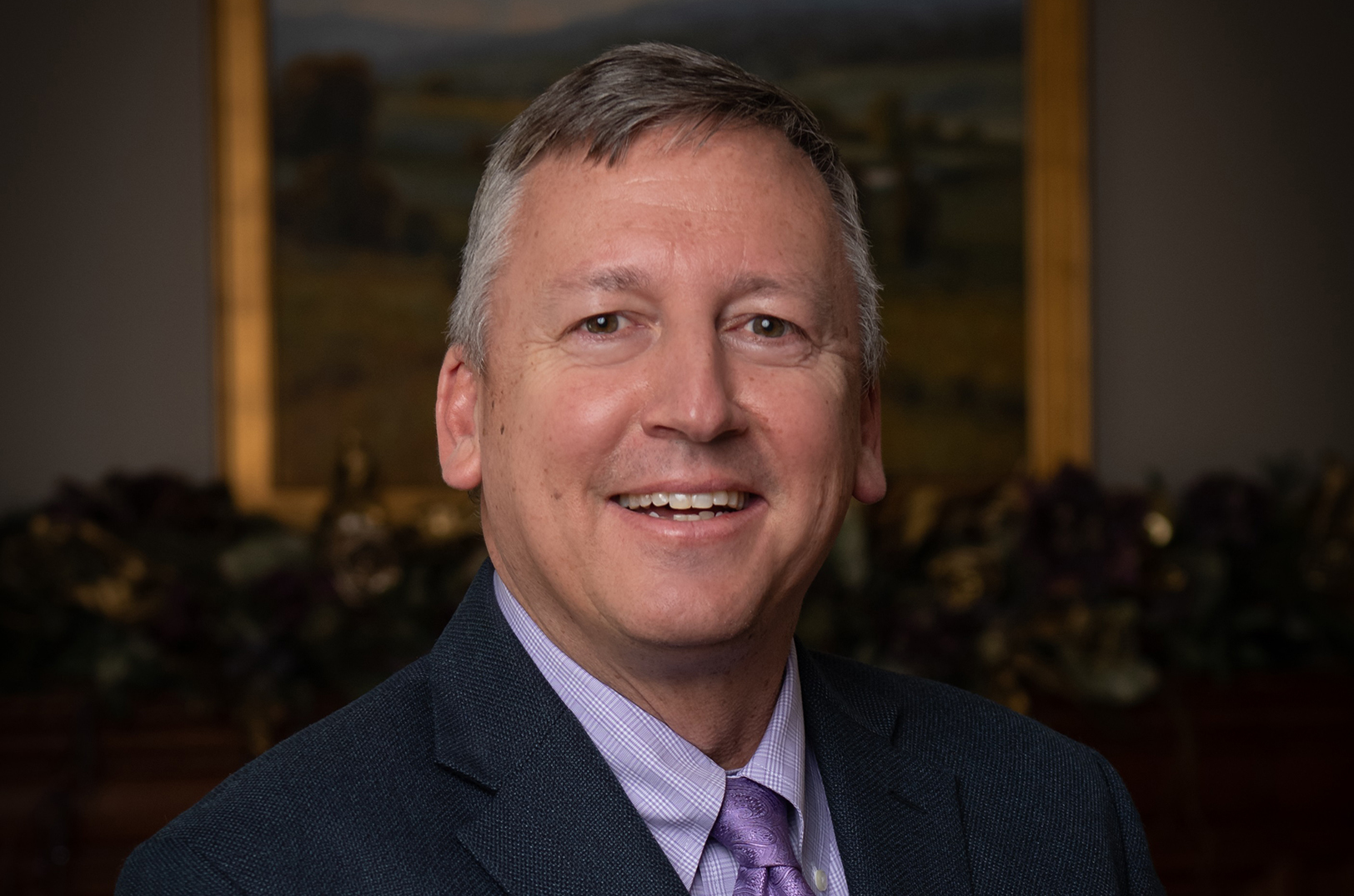
The president of Kansas State University has joined the board of directors of TechAccel, an Overland Park startup focused on scientific breakthroughs to produce healthier plants, animals and foods.
Dr. Richard H. Linton, who assumed the leadership of K-State following the Feb. 11 retirement of former Richard Myers, comes with an array of experience expected to benefit TechAccel — founded in 2014 by Michael Helmstetter with support of K-State and an elite investment group of Kansas City-area business leaders.

“We welcome [Linton’s] expertise, leadership, and insights, especially his vast experience in food science, agriculture and technology,” said Greg M. Graves, chair of the TechAccel Board of Directors. “It will be a pleasure to continue expanding our strong and mutually beneficial relationship with K-State.”
Former President Myers also previously served on the board of directors of TechAccel.
Linton came to K-State from North Carolina State University, where he was dean of the College of Agriculture and Life Sciences. Prior to that position, he was department chair of food science and technology at The Ohio State University (2011-2012) and a faculty member in the department of food science at Purdue University (1994-2011). While at Purdue, he served as founder and director of the Center for Food Safety Engineering and as the associate director of agricultural research program.
“Much of my career has been focused on bringing leadership in agriculture and life sciences together in partnership to solve the global challenges of agriculture and food systems,” said Linton. “I’m honored to be a part of this board, and I look forward to contributing.”
“Dr. Linton has a background of collaboration with industry and government to address global agricultural challenges – a perfect alignment with the TechAccel mission, where we like to say, ‘Collaboration is the engine of success,’” said Helmstetter. “We look forward to working together to advance science, create jobs, and introduce solutions for healthy plants and animals.”
In addition to Dr. Linton’s academic roles, he continues to serve as a member of the Food and Drug Administration’s Science Advisory Board and as chair for the Binational (Israel/U.S.) Ag Research and Development Fund.
Linton joins a board of founding TechAccel investors: Paul DeBruce, CEO of DeBruce Cos.; Jeffrey Dobbs, former Global Chair of KPMG LLP International Industrial; Terry Dunn, former CEO of JE Dunn Construction Group Inc.; Cliff Illig, former vice chairman of Cerner; Roshann Parris, founder and CEO of Parris Communications; and John Sherman, CEO of MLP Holdings, in addition to Chairman Graves, former CEO of Burns & McDonnell; and Helmstetter.


2022 Startups to Watch
stats here
Related Posts on Startland News

Quartet of startups hop into the Digital Sandbox KC
Four early-stage businesses recently entered the Digital Sandbox KC program. The new startups demonstrate the ingenuity Digital Sandbox aims to attract for its grant-funding efforts, said Jeff Shackelford, director of Digital Sandbox KC. “From helping students prepare for college to analyzing voting records to predict legislative outcomes, the startups in the Sandbox are a great…
Newest Techstars KC class tackling payday loans, food safety, bots for business
Techstars Kansas City has revealed its 2018 cohort of startups. The 10 companies will make a big impact not only on Kansas City but the global economy, said Lesa Mitchell, managing director of Techstars KC. “Although our companies come from many industries, they share in common that they are all solving problems to make the…

YEP KC teen serves hope through enterprising volleyball benefit for men’s shelter
When 17-year-old Catherine Franano learned the mattresses at Kansas City Rescue Mission were old and too worn for comfortable use, the Pembroke High School senior leapt into action, she said. “Some of these people … like they’ve just had so many awful things happen to them, but not having anywhere to sleep?” Catherine said. “How…

(Video) ESHIP Summit attendees ask: Can entrepreneurial support efforts actually be sustainable?
When more than 600 attendees gathered this week in Kansas City for the second ESHIP Summit, they each came with their own ecosystems, businesses, local governments and support networks in mind. They also brought questions. “What are they doing in their cities? What’s worked and what hasn’t worked? What can we adopt back at home…