

Callie England’s latest venture has no name or website; When odds are you’ll die next week, you learn to prioritize, she says
March 15, 2022 | Amelia Arvesen
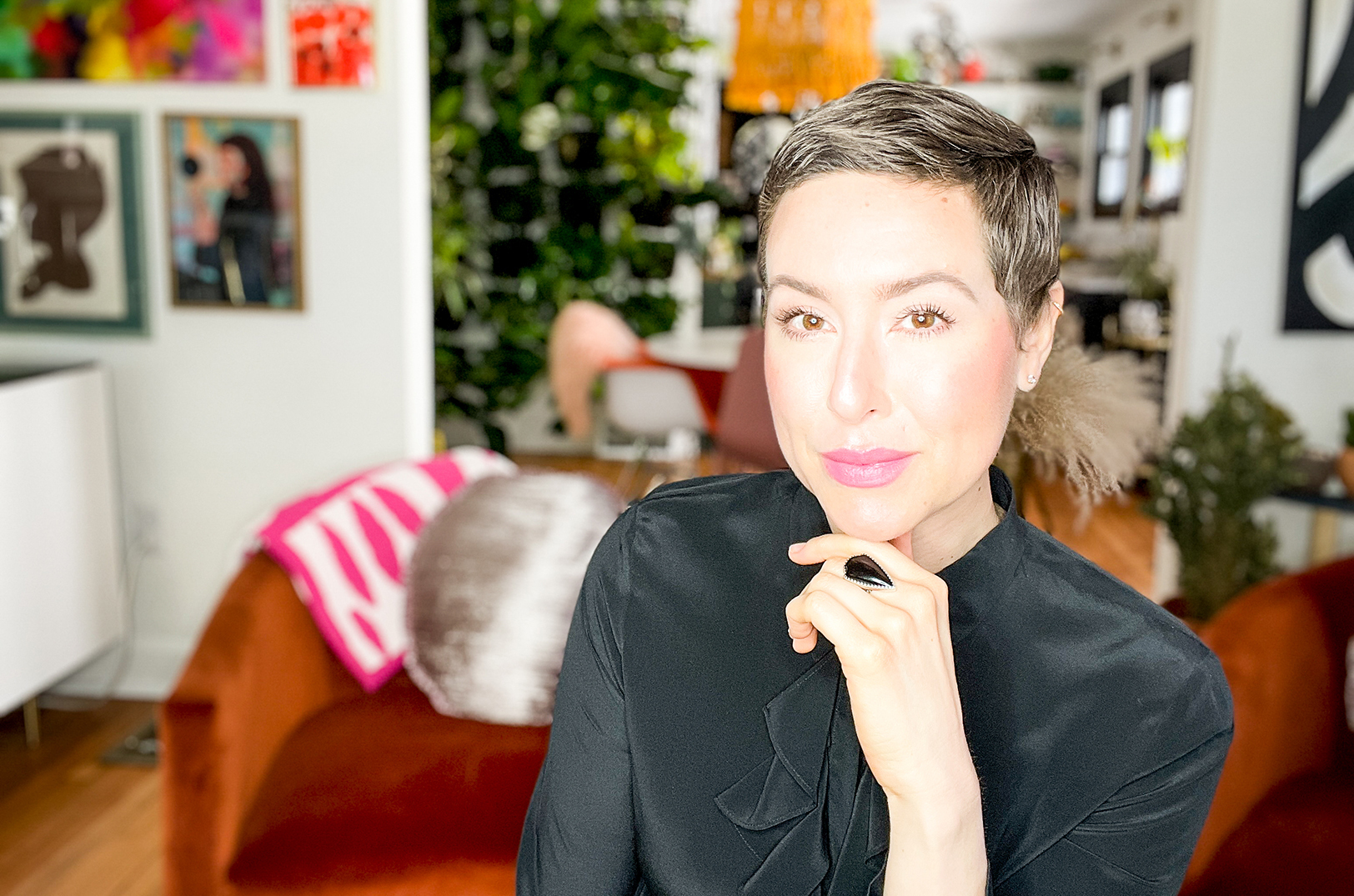
Sometimes hypothetical questions become all too real, said Callie England, a serial entrepreneur who frequently posed a speculative query to herself and clients: “If you were going to die next week, what decisions would you make?”
It was a question she was forced to answer honestly in July 2021, when the veteran Kansas City startup founder was diagnosed with Stage IV Non-Hodgkin’s lymphoma.
“When I found out I had cancer, everything I knew and believed to be true sort of came crashing down in an instant,” England said. “All of the tomorrows, the next weeks, the next years were no longer on the table. My perception of time permanently shifted.”
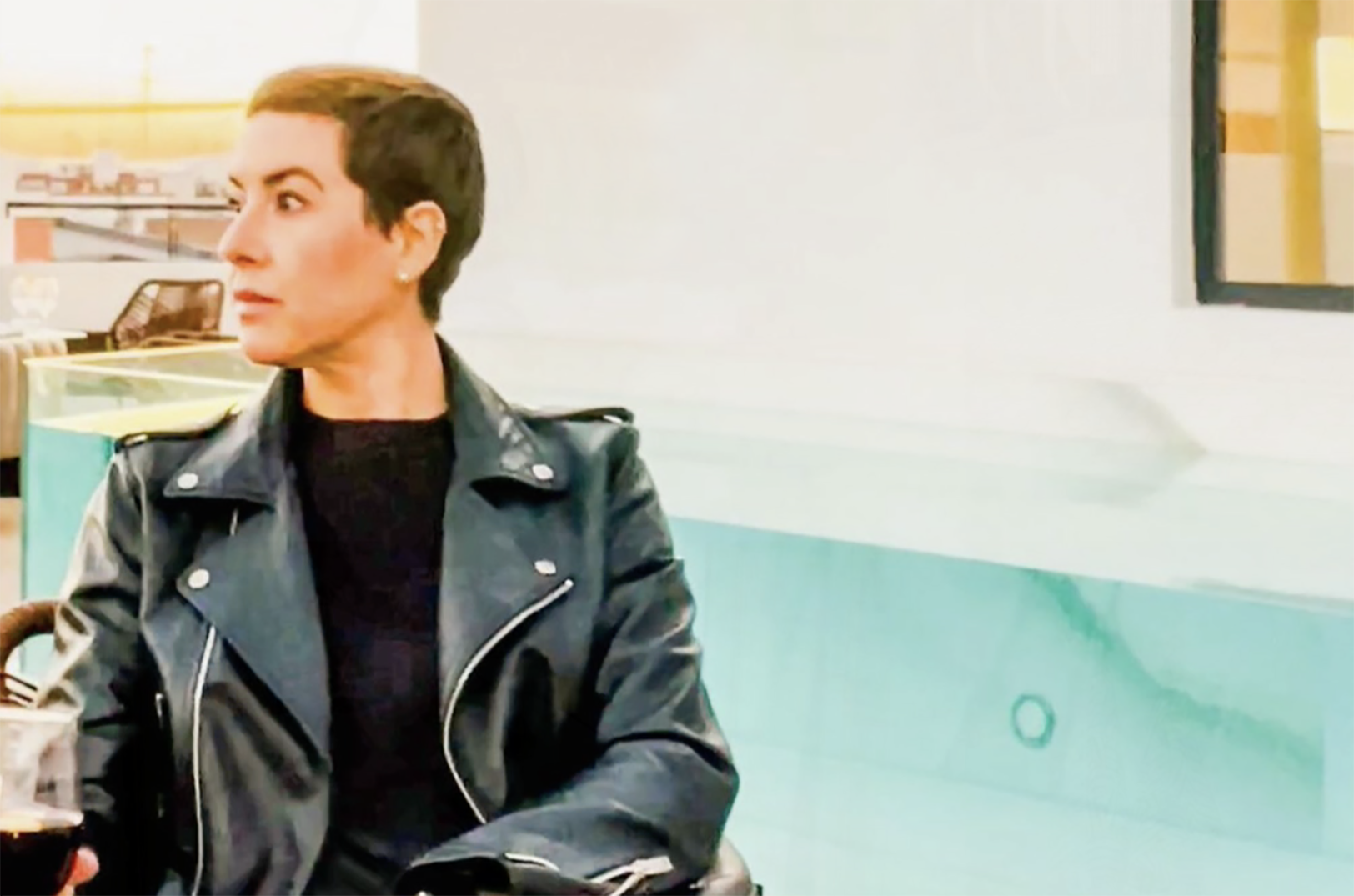
Callie England
In January, England stepped down as president of WallyGrow and vice president of PBS Fabrics to pursue business and brand consulting — previously a side hustle. Going through chemotherapy from July to November, England spent her time thinking about life’s big questions: like how she wanted to spend her time, both professionally and personally.
While she was in the hospital, a client shared how much her tools and advice had helped him grow his company, she said. That’s when she realized she wanted to leave the comfort of a full-time job to pay forward all the lessons she learned as a first-time business owner, from founding snack food company Rawxies in 2011 to scaling Kansas City startups.
“When the odds are greater that you die next week than you live next week, your truest self sort of presents itself,” England said.
As of now, her consulting business doesn’t have a name or a website. Rather than getting stuck in the minutiae, she said she’s more set on showing up for her clients, who have trended toward scalable, small and women-led companies.
In remission since November, England said she finally feels relief. She can eat a meal without feeling sick, get through a day without feeling like passing out, and stand up without feeling dizzy — symptoms she had been dealing with for more than a decade.
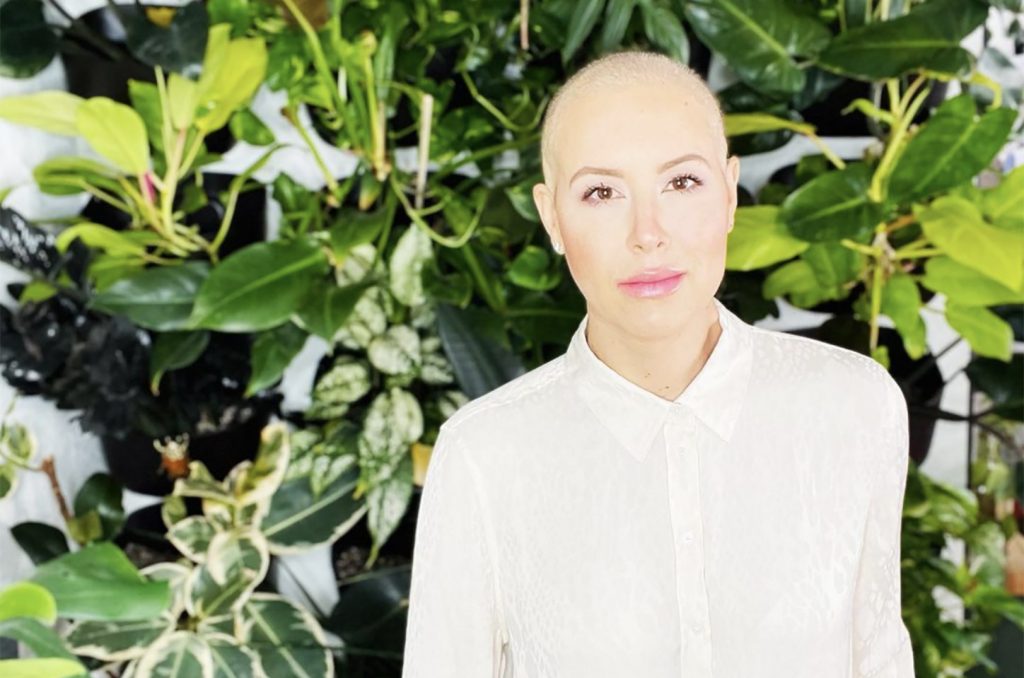
Callie England
Past doctors had always written her off, she said, so she started believing she was a hypochondriac. But after she fell off a ladder in July, a CAT scan at the emergency room revealed large tumors in her intestines and adrenals. The belief is that she’s been dealing with slow-growing cancer for a long time, she said.
Click here to read Callie England’s blog on the role plants played in her survival and recovery.
Through everything, England remained emotionally steady, she recalled. Nurses would ask her how she could be so calm and collected. Ironically, she said, starting a business equipped her with the capacity to endure hardships. Tears only showed up when someone complimented her artistic talents, which signaled to her that she was neglecting her full potential and her creative side, she said.
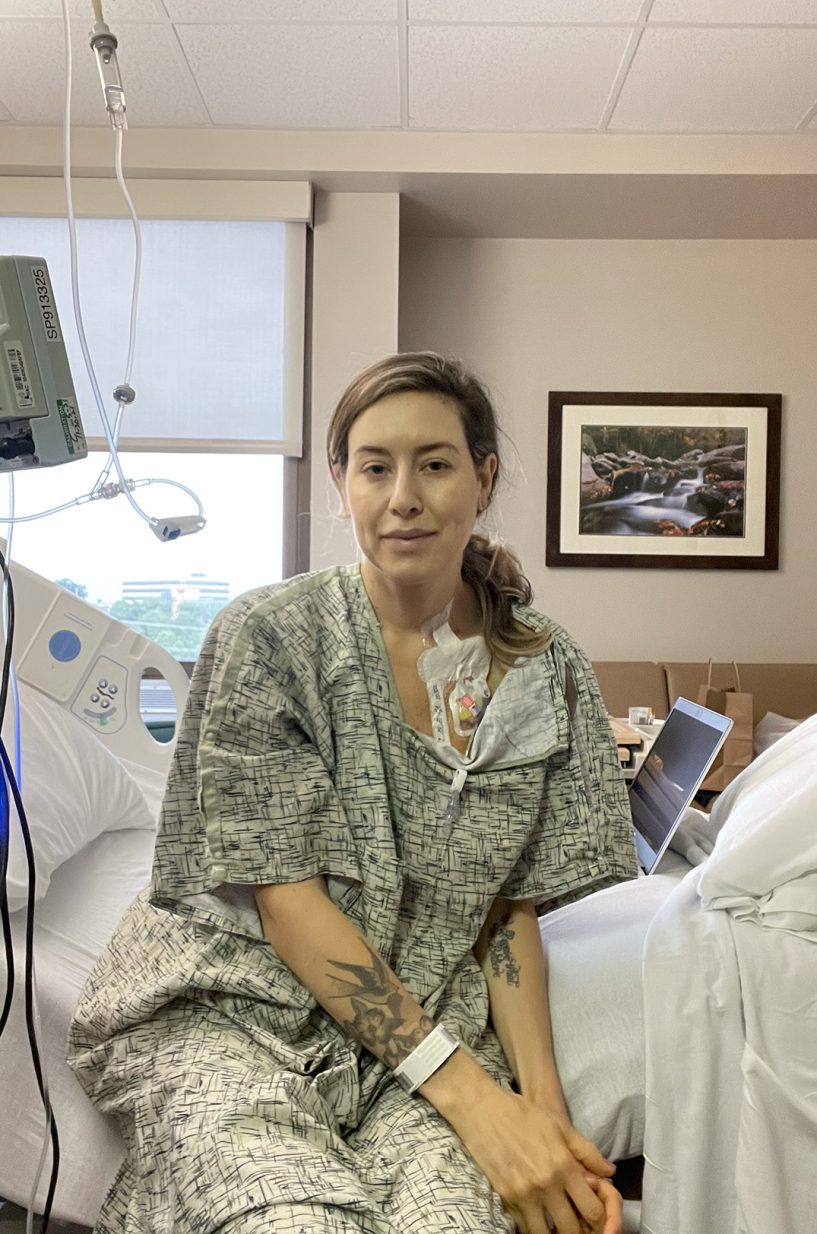
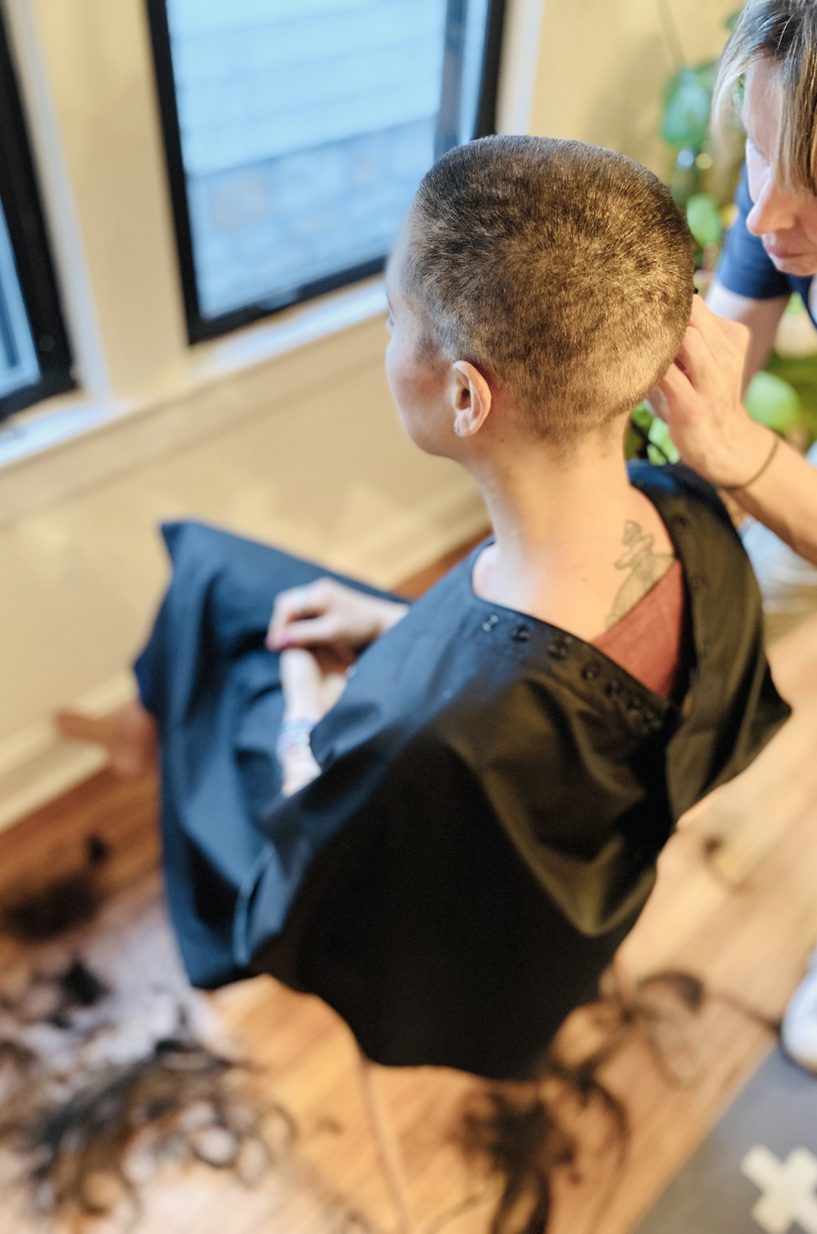
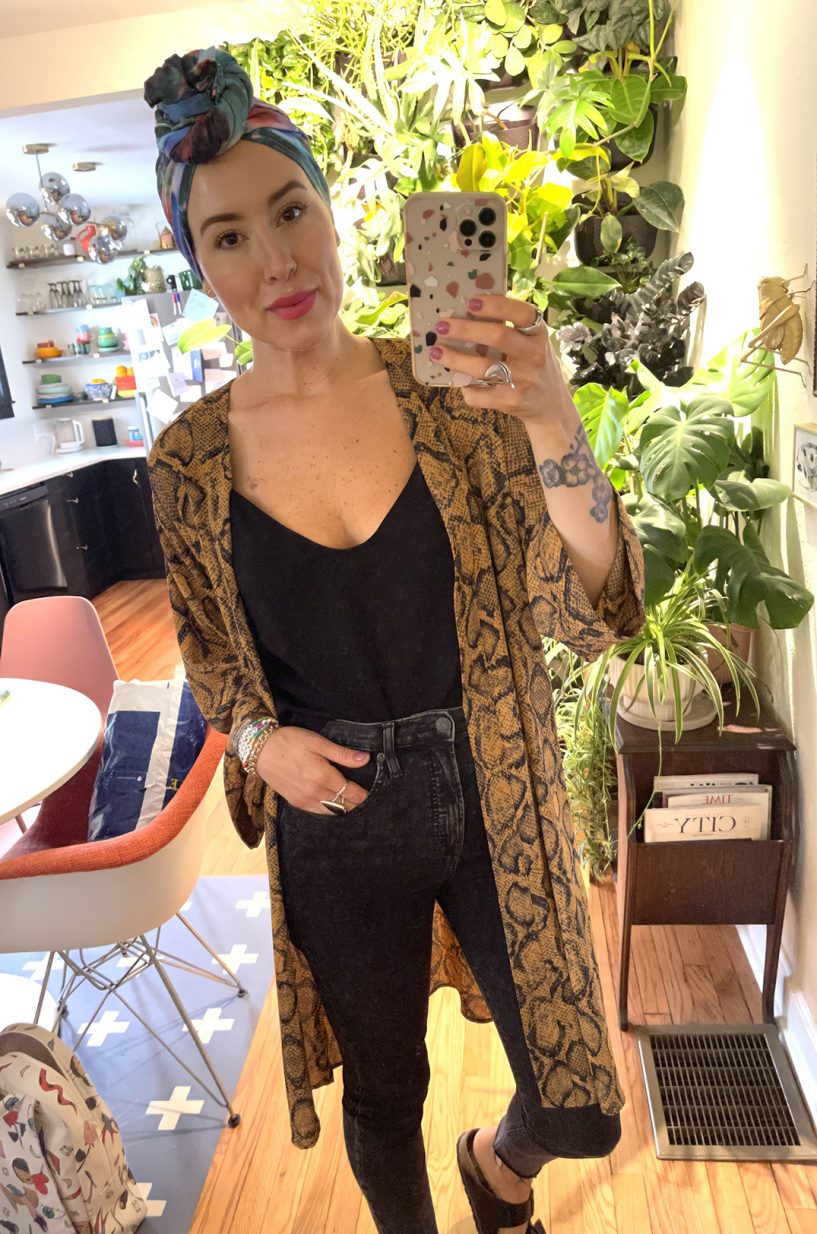
England identifies as an artist above all, she said, noting business is important, but she’s no longer sacrificing her creative time for her professional career. She’s been incorporating different forms of making, like painting and pottery, into her daily life as she heals.
And she’s still healing.
Tears now flow when she thinks about all that she’s been through and all that she has left to process.
“Could it come back? Sure,” England said about cancer. “But I think that I’ve come to accept that time is not guaranteed and the only way I can move forward is to make sure that I’m using that time in a manner I can never regret.”
The fearlessness on display earlier in England’s career was based largely on a belief that time would never run out, she admitted.
Her health journey has flipped that line of thinking on its head, she said.
“Time is something to be valued and that’s why you should be fearless.”

This story is possible thanks to support from the Ewing Marion Kauffman Foundation, a private, nonpartisan foundation that works together with communities in education and entrepreneurship to create uncommon solutions and empower people to shape their futures and be successful.
For more information, visit www.kauffman.org and connect at www.twitter.com/kauffmanfdn and www.facebook.com/kauffmanfdn


2022 Startups to Watch
stats here
Related Posts on Startland News
Lenexa-based Aloe soothes health insurance enrollment pains with human touch
A patient’s “wow” moment shouldn’t be when he or she opens a medical bill and discovers procedures that unexpectedly aren’t covered by insurance, said Andrew Belt, co-founder of Aloe. “People are frustrated — frustrated because they don’t understand how their coverage works or what’s included, and it doesn’t seem like anyone they talk to understands,”…
LendingStandard plans innovation upgrade with $2.5M investment from Flyover Capital
An investment in innovation has landed Kansas City-based LendingStandard $2.5 million in investment funds following the close of a Series A funding round led by Flyover Capital, CEO Andy Kallenbach said. “These are folks that are well-known in Kansas City and have had software businesses in the past, and that’s a really rare combination,” Kallenbach…

Don’t just play the game: MECA Challenge urges students to innovate ‘school of the future’
Challenging Kansas City students to envision “the school of the future” will usher in a paradigm shift wherein teens can see themselves as customers of school, said Katie Kimbrell optimistically. “[Students] don’t even think, ‘Oh, I could rethink this whole thing that I’m experiencing,’ and choose — or even demand — something different,” said Kimbrell,…
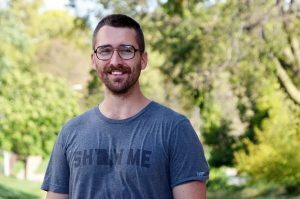
KCultivator Q&A: Kyle J Smith talks serious work, socks with sandals, pickled pig brains
Editor’s note: KCultivators is a lighthearted profile series to highlight people who are meaningfully enriching Kansas City’s entrepreneurial ecosystem. The KCultivator Series is sponsored by WeWork Corrigan Station, a modern twist on Kansas City office space. A place to live, work, and play — three ingredients for a new life, said Kyle J. Smith, founder…