

Callie England’s latest venture has no name or website; When odds are you’ll die next week, you learn to prioritize, she says
March 15, 2022 | Amelia Arvesen
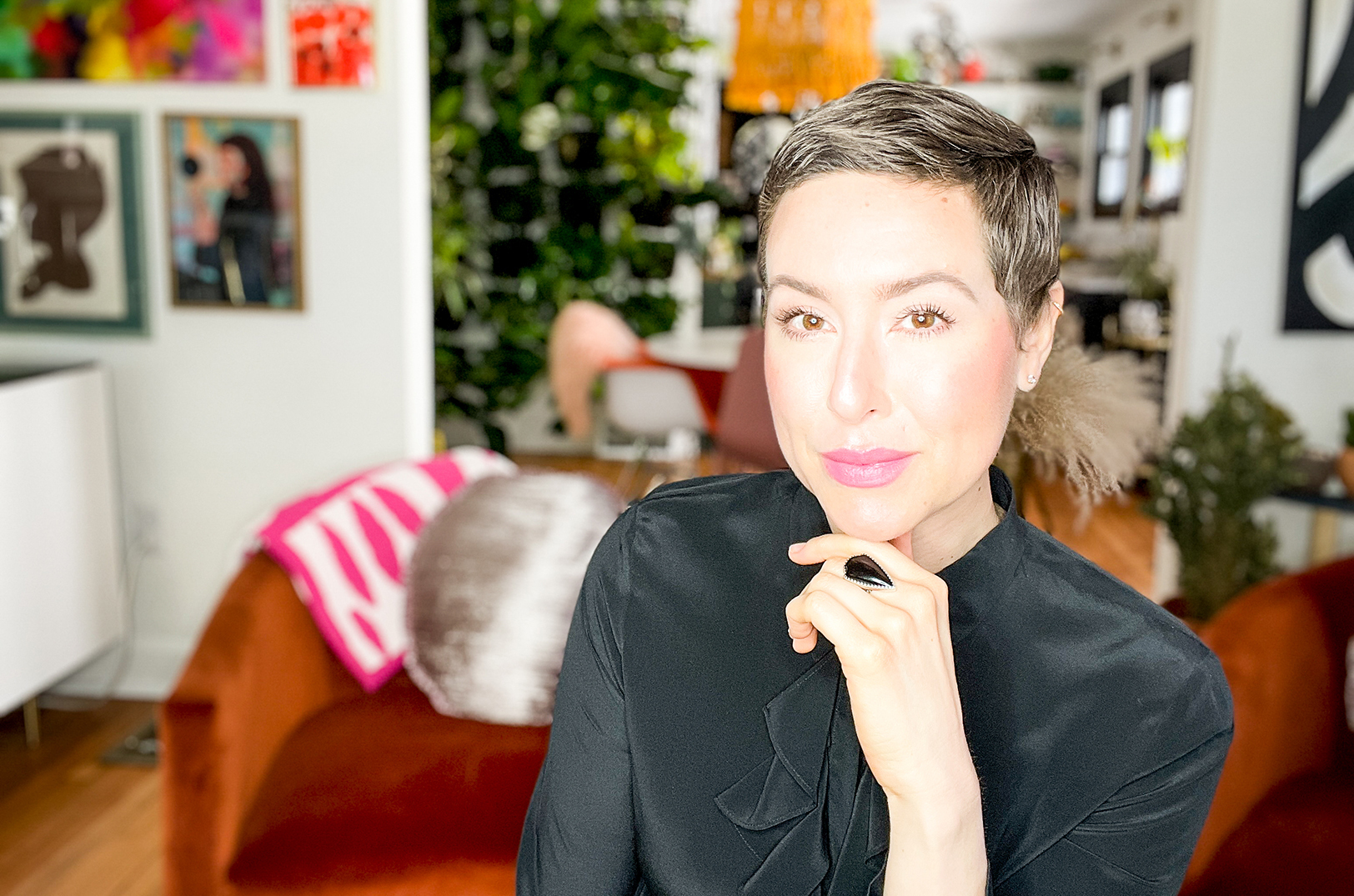
Sometimes hypothetical questions become all too real, said Callie England, a serial entrepreneur who frequently posed a speculative query to herself and clients: “If you were going to die next week, what decisions would you make?”
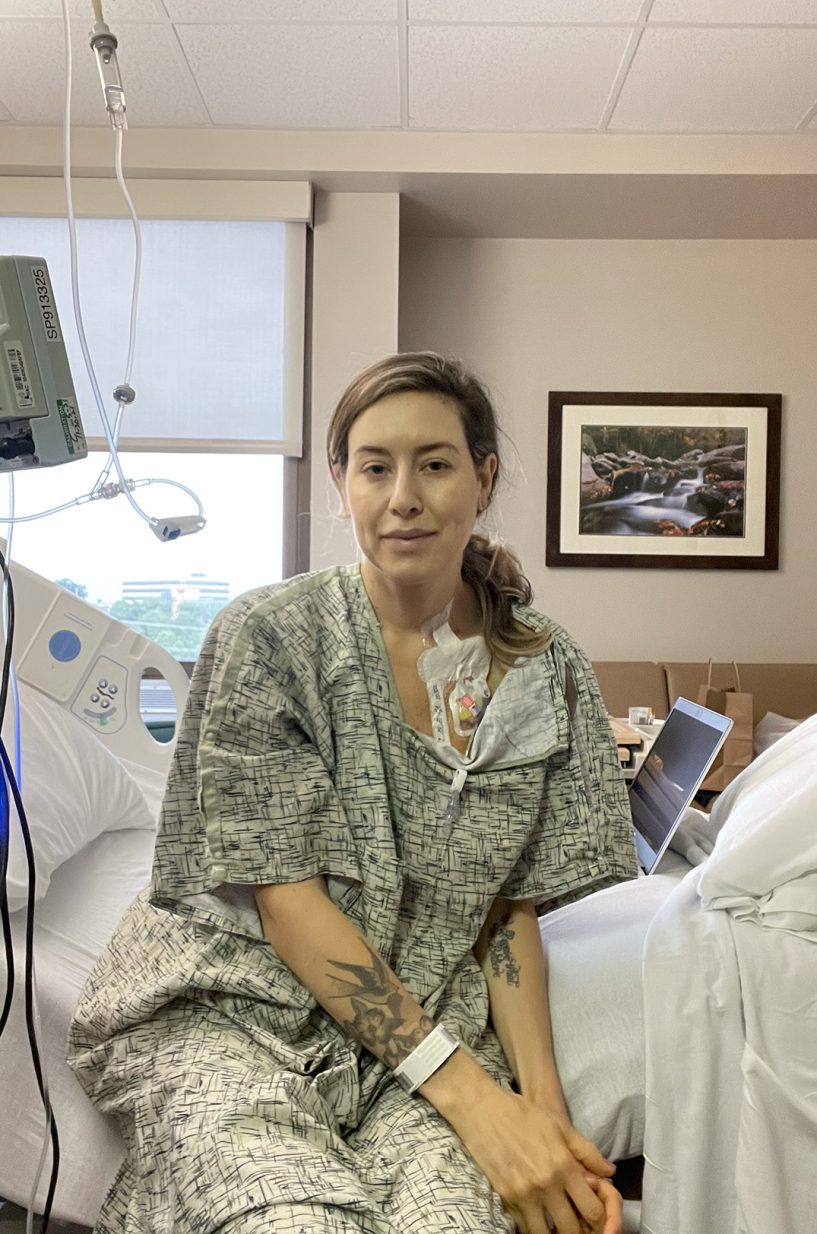
It was a question she was forced to answer honestly in July 2021, when the veteran Kansas City startup founder was diagnosed with Stage IV Non-Hodgkin’s lymphoma.
“When I found out I had cancer, everything I knew and believed to be true sort of came crashing down in an instant,” England said. “All of the tomorrows, the next weeks, the next years were no longer on the table. My perception of time permanently shifted.”
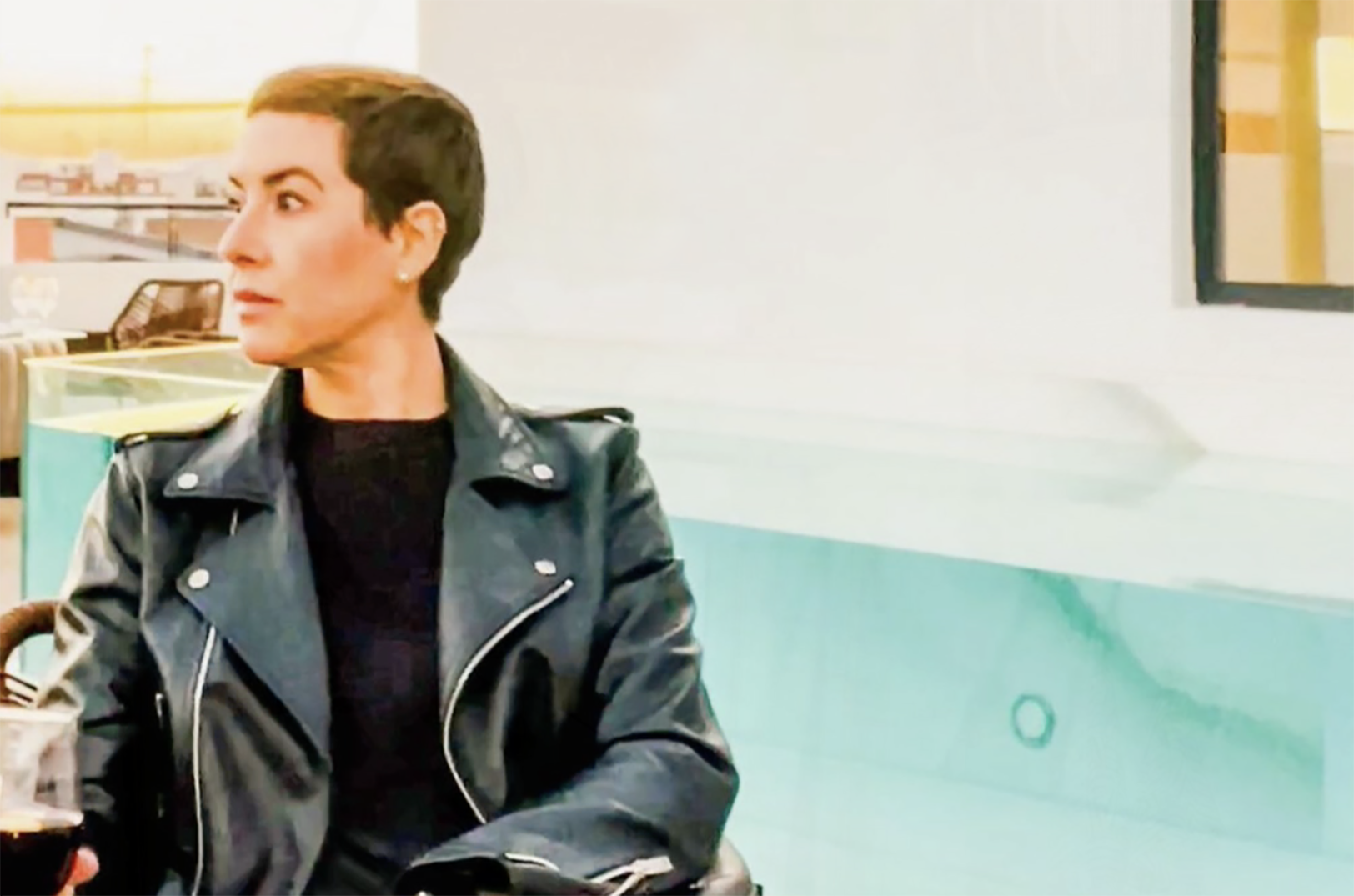
Callie England
In January, England stepped down as president of WallyGrow and vice president of PBS Fabrics to pursue business and brand consulting — previously a side hustle. Going through chemotherapy from July to November, England spent her time thinking about life’s big questions: like how she wanted to spend her time, both professionally and personally.
While she was in the hospital, a client shared how much her tools and advice had helped him grow his company, she said. That’s when she realized she wanted to leave the comfort of a full-time job to pay forward all the lessons she learned as a first-time business owner, from founding snack food company Rawxies in 2011 to scaling Kansas City startups.
“When the odds are greater that you die next week than you live next week, your truest self sort of presents itself,” England said.
As of now, her consulting business doesn’t have a name or a website. Rather than getting stuck in the minutiae, she said she’s more set on showing up for her clients, who have trended toward scalable, small and women-led companies.
In remission since November, England said she finally feels relief. She can eat a meal without feeling sick, get through a day without feeling like passing out, and stand up without feeling dizzy — symptoms she had been dealing with for more than a decade.
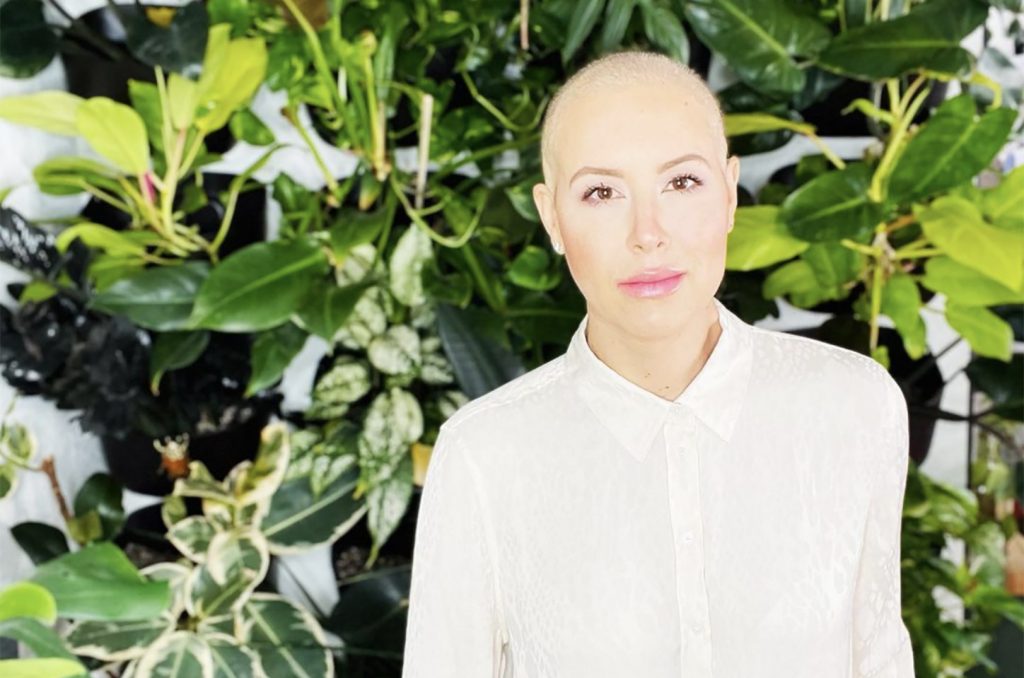
Callie England
Past doctors had always written her off, she said, so she started believing she was a hypochondriac. But after she fell off a ladder in July, a CAT scan at the emergency room revealed large tumors in her intestines and adrenals. The belief is that she’s been dealing with slow-growing cancer for a long time, she said.
Click here to read Callie England’s blog on the role plants played in her survival and recovery.
Through everything, England remained emotionally steady, she recalled. Nurses would ask her how she could be so calm and collected. Ironically, she said, starting a business equipped her with the capacity to endure hardships. Tears only showed up when someone complimented her artistic talents, which signaled to her that she was neglecting her full potential and her creative side, she said.
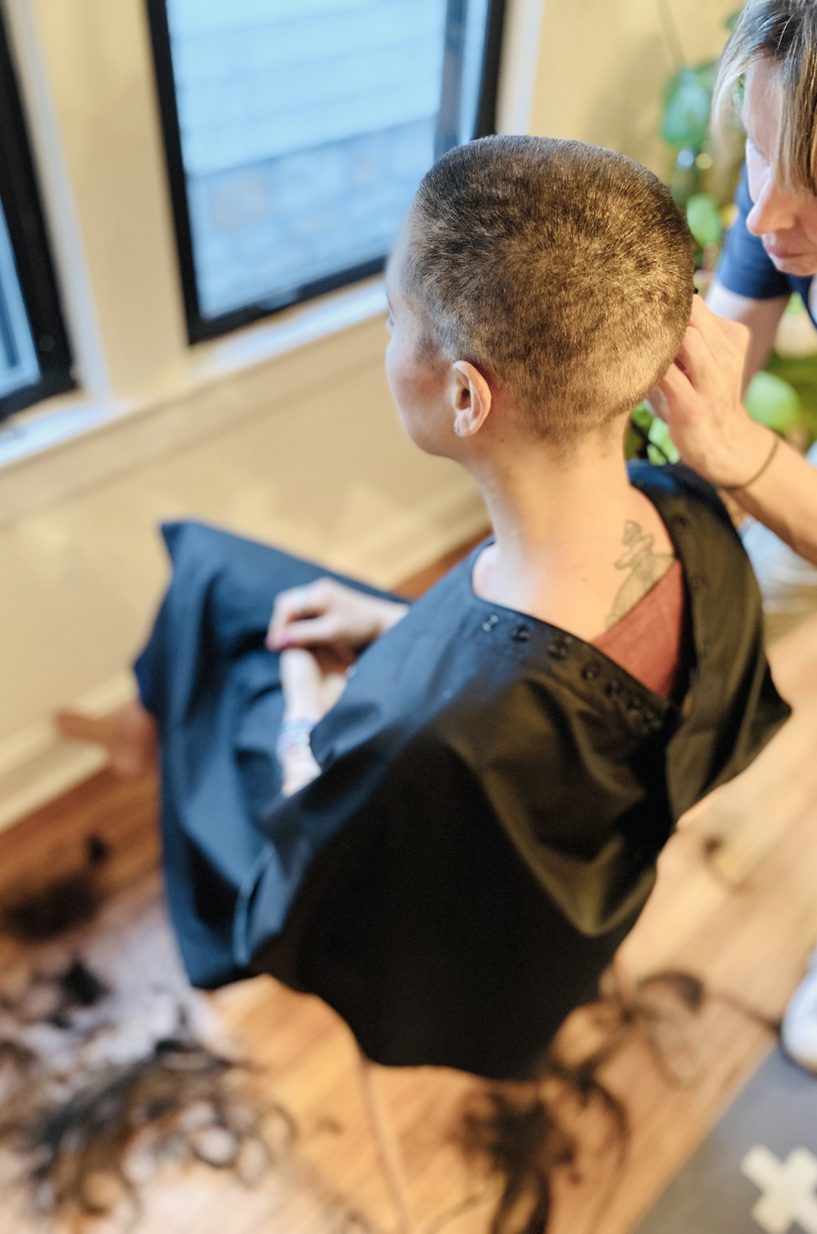
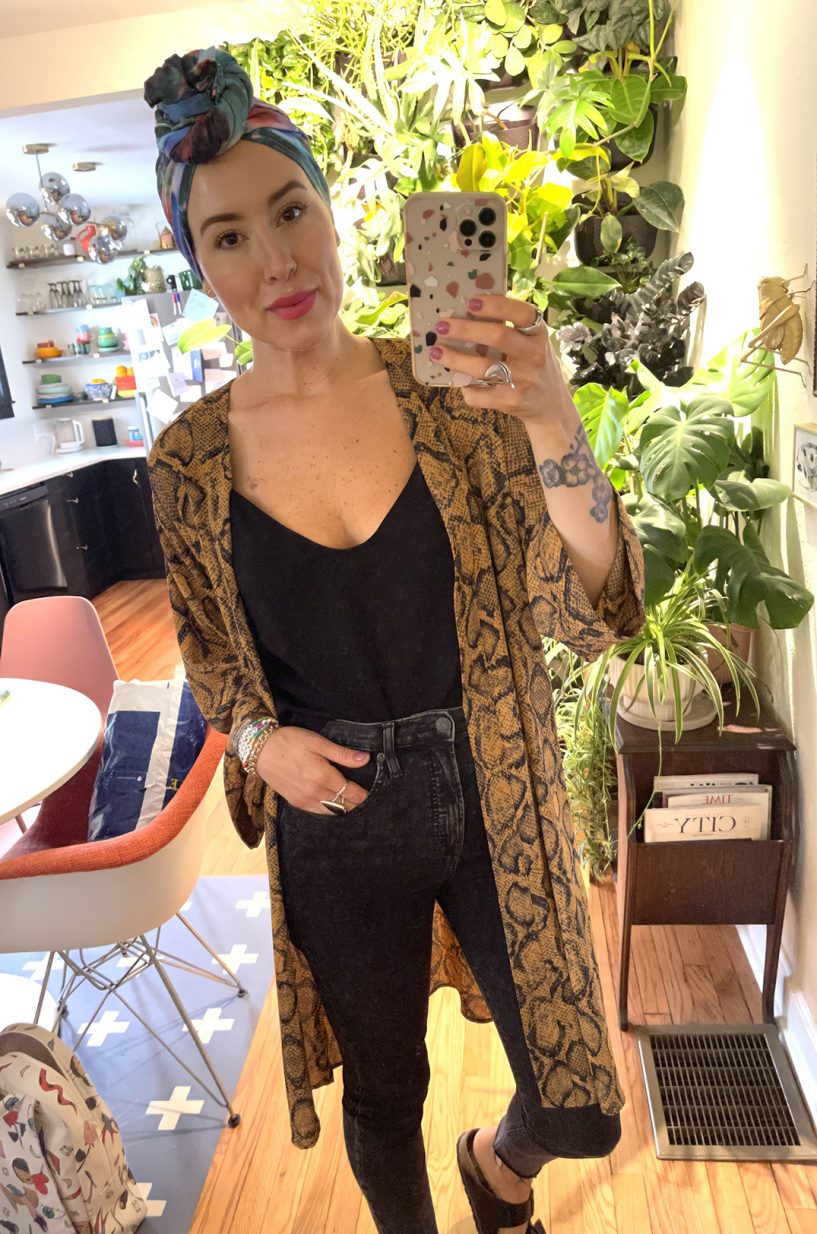
England identifies as an artist above all, she said, noting business is important, but she’s no longer sacrificing her creative time for her professional career. She’s been incorporating different forms of making, like painting and pottery, into her daily life as she heals.
And she’s still healing.
Tears now flow when she thinks about all that she’s been through and all that she has left to process.
“Could it come back? Sure,” England said about cancer. “But I think that I’ve come to accept that time is not guaranteed and the only way I can move forward is to make sure that I’m using that time in a manner I can never regret.”
The fearlessness on display earlier in England’s career was based largely on a belief that time would never run out, she admitted.
Her health journey has flipped that line of thinking on its head, she said.
“Time is something to be valued and that’s why you should be fearless.”

This story is possible thanks to support from the Ewing Marion Kauffman Foundation, a private, nonpartisan foundation that works together with communities in education and entrepreneurship to create uncommon solutions and empower people to shape their futures and be successful.
For more information, visit www.kauffman.org and connect at www.twitter.com/kauffmanfdn and www.facebook.com/kauffmanfdn


2022 Startups to Watch
stats here
Related Posts on Startland News
WeCode KC, high school partner to launch cybersecurity program for students
A new program from an expanding Kansas City nonprofit plans to expose high school students to job readiness and life skills that prepare them for careers in cybersecurity, right out of high school. WeCode KC, which promotes tech education and creating sustainable career pathways, recently announced a partnership with KIPP Legacy High School to introduce…
WeWork closing Corrigan Station, once a core hub for Kansas City’s startup community
Coworking giant WeWork on Thursday confirmed the planned closure of its Corrigan Station location in Kansas City — a space once closely intertwined with the local startup scene and its flourishing culture of innovation. “As part of WeWork’s strategic restructuring efforts, we have made the difficult decision to end our operations at Corrigan Station,” a…
Starting a business in KCMO is too expensive, study says; here’s how the city can cut those costs
Entrepreneurs in Kansas City, Missouri, face a higher cost of entry to the world of small business than their peers in St. Louis — or even just across the state line in Kansas City, Kansas, said Jennifer McDonald. “We look at things like how expensive it is to start a business, how complicated it is,…

Royals’ pitch for a Crossroads ballpark isn’t the first; what struck out KC’s plans for a domed downtown stadium 60 years ago?
Editor’s note: This story was originally published by Kansas City PBS/Flatland, a member of the KC Media Collective, which also includes Startland News, KCUR 89.3, American Public Square, The Kansas City Beacon, and Missouri Business Alert. Click here to read the original story. On June 27, 1967, Jackson County voters approved a $102 million general obligation bond…