

Bash crashers: Airbnb stopped 1,700 suspected parties in KC amid 2021 variant surges
January 28, 2022 | Startland News Staff
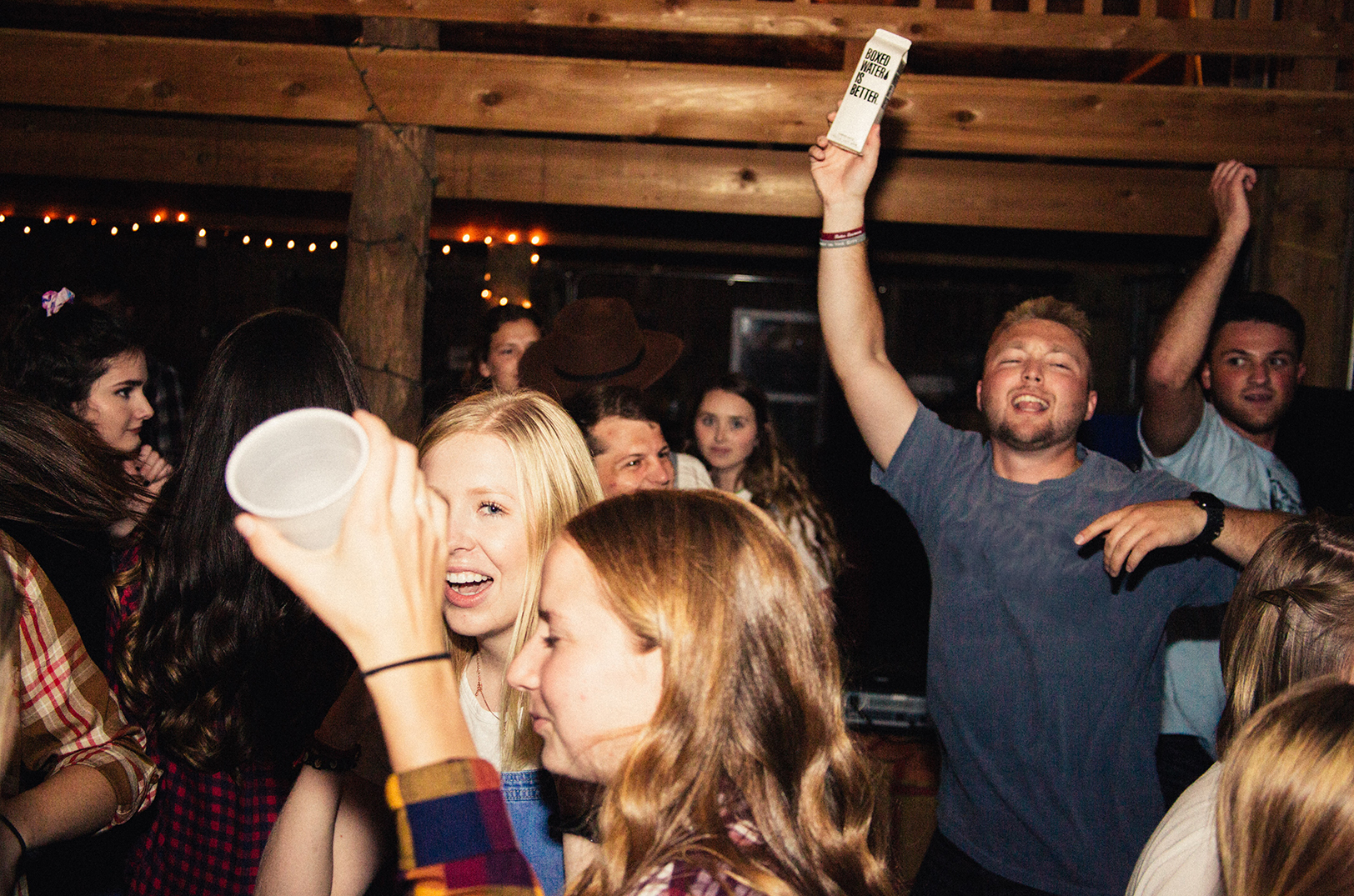
Airbnb’s ban on booking spots for house parties prevented hundreds of spreader events across Kansas City — especially impactful over holiday weekends known disruptive behavior, the company said Friday.
First introduced in summer 2020 to prioritize public health in the early days of the pandemic, Airbnb’s ban included new tech systems on the short-term rental platform aimed at trying to block and stop potential unauthorized parties while promoting safe and responsible travel, said Lisa Cohen, a company spokesperson who released the Kansas City data.
“Most prominently, in 2020 we announced a new product that restricts guests under the age of 25 without a history of positive reviews from booking entire home listings in their local area under certain circumstances,” Cohen said. “These guests are still allowed to book private room listings, where generally the Host lives on site.”
Airbnb’s “Under-25” anti-party system blocked or redirected about 1,700 people in Kansas City from making local entire home bookings, she detailed.
Click here to read more about San Francisco-based tech giant Airbnb’s party and events policy.
“Additionally, we recognize that certain time periods are more likely to encourage attempts to throw unauthorized parties,” Cohen said. “To help enforce our party policy during events like the Fourth of July, Halloween and New Year’s Eve, we introduced new systems and rules to strengthen our Hosts’ protection against unauthorized parties over those weekends.”
The anchor of this plan for these weekends was a ban on one-night bookings in entire home listings for guests without a history of positive reviews, she said.
In Kansas City, such anti-party defenses impacted more than 350 gatherings on the Fourth of July; more than 400 at Halloween; and more than 900 on New Year’s Eve, according to Airbnb.
“We believe it worked,” Cohen added. “Those weekends were generally quiet, and these initiatives were well-received by our Host community.”
Most Airbnb guests treat homes and neighborhoods with respect, and the anti-party tech isn’t meant to discourage their use of the popular platform, she emphasized.
“These initiatives are about trying to find the needles in the haystacks and stop potentially disruptive parties in service to our Hosts and neighbors,” Cohen said. “We also know that not every one of these people impacted by these various technologies intended to throw a party. Initiatives like these also may impact prospective guests who have no intention of throwing a party but who simply haven’t yet earned that history of positive reviews on our platform. In the meantime, this is a tradeoff we’re willing to make in the interests of trust and safety.”


2022 Startups to Watch
stats here
Related Posts on Startland News

Students hope to make KU the ‘premier blockchain university’; Here’s how startups can help
Startland News’ Startup Road Trip series explores innovative and uncommon ideas finding success in rural America and Midwestern startup hubs outside the Kansas City metro. This series is possible thanks to the Ewing Marion Kauffman Foundation, which leads a collaborative, nationwide effort to identify and remove large and small barriers to new business creation. LAWRENCE…

She’s bringing tech to urban core teens; why KCMO says Tammy Buckner needs to pay ‘fair market value’ or get out
One of KC’s leading Black women in tech leased a vacant city building for $1 and made $20K+ in improvements for her workforce development program — now the city wants to sell it, kicking WeCode KC to the curb A local nonprofit is asking for community support as the KCMO city council makes a move…
One-size-fits-all neighborhoods are a blueprint for development failure, C3KC panel says
Editor’s note: Startland News is a non-financial media sponsor of the 3CKC conference organized by the Junior League of Kansas City, Missouri. The formula for creating a vibrant neighborhood might seem simple, but replicating it between variable demographics, geographies and economies is more challenging than many planners think, said Kavya Shankar. “The strength of the…

Fintech revolution follows historical abuse of Black wealth: ‘We’re already late, but we’ve got to do something’
Editor’s note: Startland News is a media sponsor for the C3KC session “Fintech is Revolutionizing Banking.” With nearly 30 percent of Americans reported as under-banked or unbanked, leaders in the financial space need to ask themselves what steps must be taken to create a more inclusive system, said Cordell Carter II. “We often ask leaders the…