

Angels in class: How Mizzou’s student-run venture course is investing up to $50K in real startups
November 13, 2021 | Channa Steinmetz
Startland News’ Startup Road Trip series explores innovative and uncommon ideas finding success in rural America and Midwestern startup hubs outside the Kansas City metro. This series is possible thanks to the Ewing Marion Kauffman Foundation, which leads a collaborative, nationwide effort to identify and remove large and small barriers to new business creation.
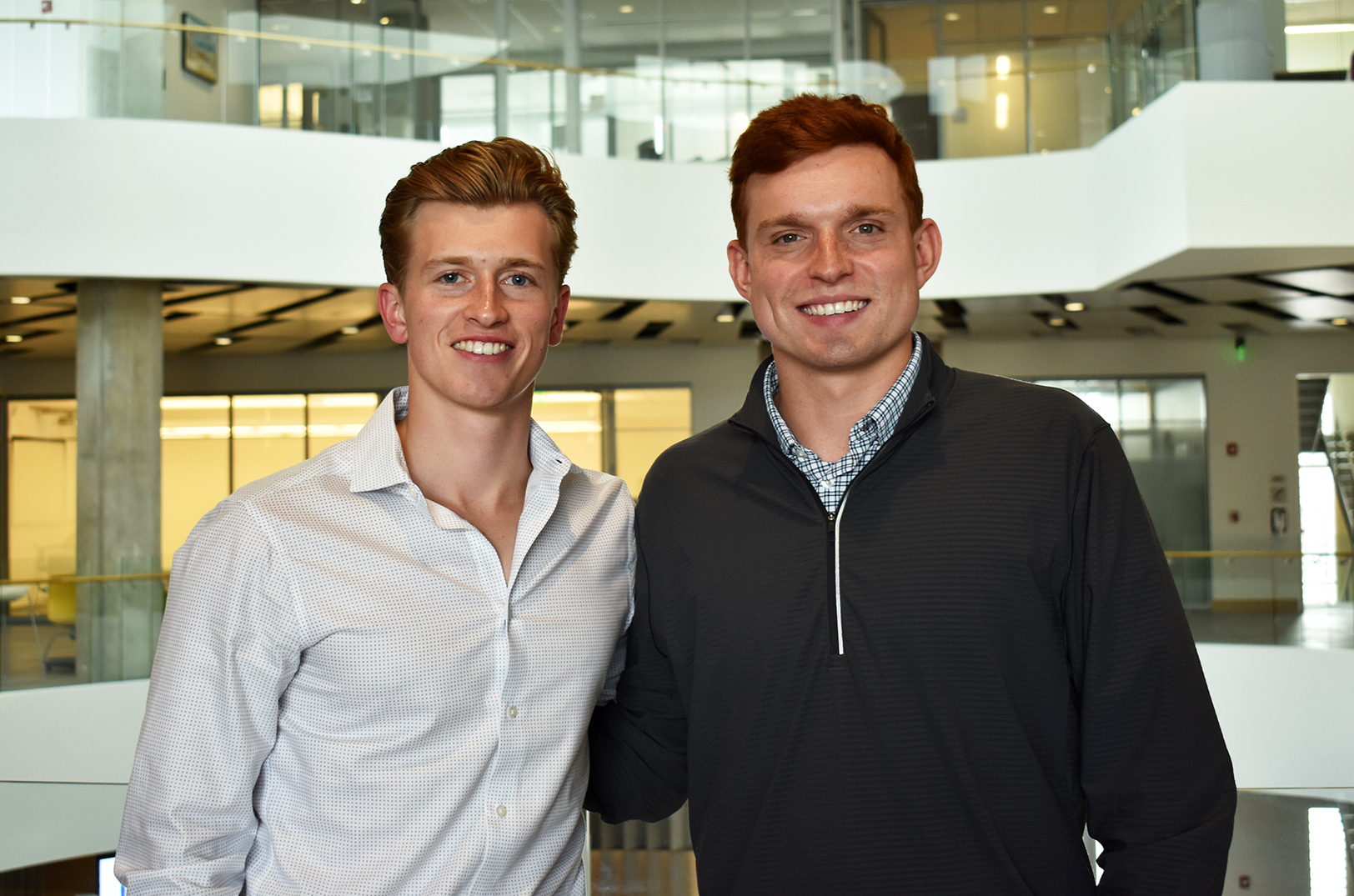
COLUMBIA, Missouri — Students who’ve earned a spot in the competitive Allen Angel Capital Education Program (better known as the AACE Venture Fund) get a one-of-a-kind opportunity to test their acumen as investors — leaving the classroom to face (and potentially fund) startups in the real world, Carson Lujin said.
“The AACE Fund takes all the technical knowledge you’ve learned in a regular class and actually puts it into practice. We are making investment decisions based upon analyzing the market, the startup, the financials, potential returns — all in a real-life scenario,” said Lujin, an accounting graduate student at the University of Missouri who serves as managing co-director of the fund.
Click here to learn more about the Allen Angel Capital Program.
The structure of the course is far from traditional, noted William D. Allen — an adjunct professor at Mizzou who founded the AACE Fund in 2010.
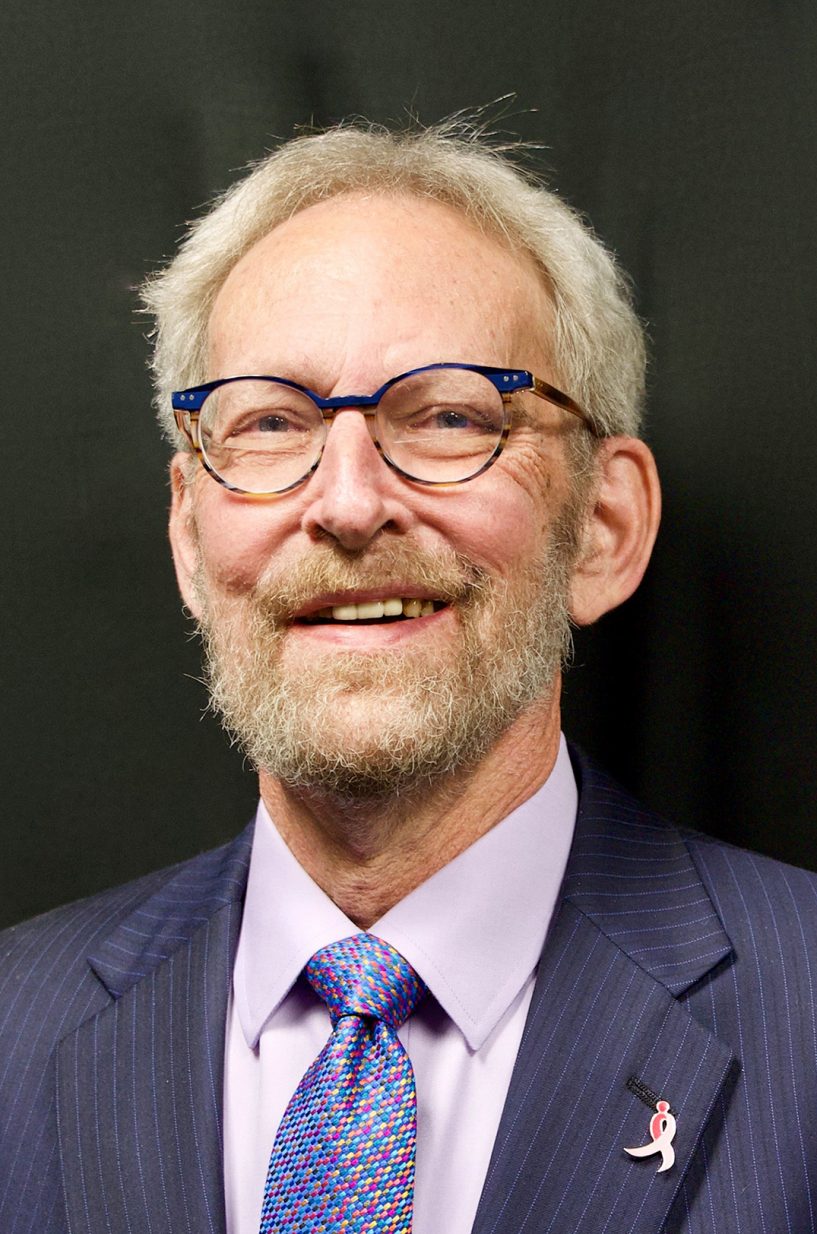
William D. Allen, AACE Venture Fund, University of Missouri
“I was a full-time faculty member in the finance department when two former students of mine told me that they wanted to start an angel investing club on campus,” Allen recalled. “Well, their enthusiasm was contagious. We started like any other entrepreneur, trying to come up with a way to do this and raise funds.”
Mizzou required that the students raise $25,000 to be qualified for four semesters of a trial course. Understanding that there was only $25,000 standing in the way of an incredible opportunity, Allen funded the class, he shared.
Catching momentum shortly after taking off, the Ewing Marion Kauffman Foundation awarded the AACE Fund grant money. The fund has also received donations from Shelter Insurance, alumni and individual donors.
“How much we’ve grown and developed this program was not planned,” Allen admitted. “But it’s very exciting. The students run the show. There’s no official textbook; there’s no lectures; there’s no exams; there’s just jumping into the deep end of the pool and doing everything imaginable.”
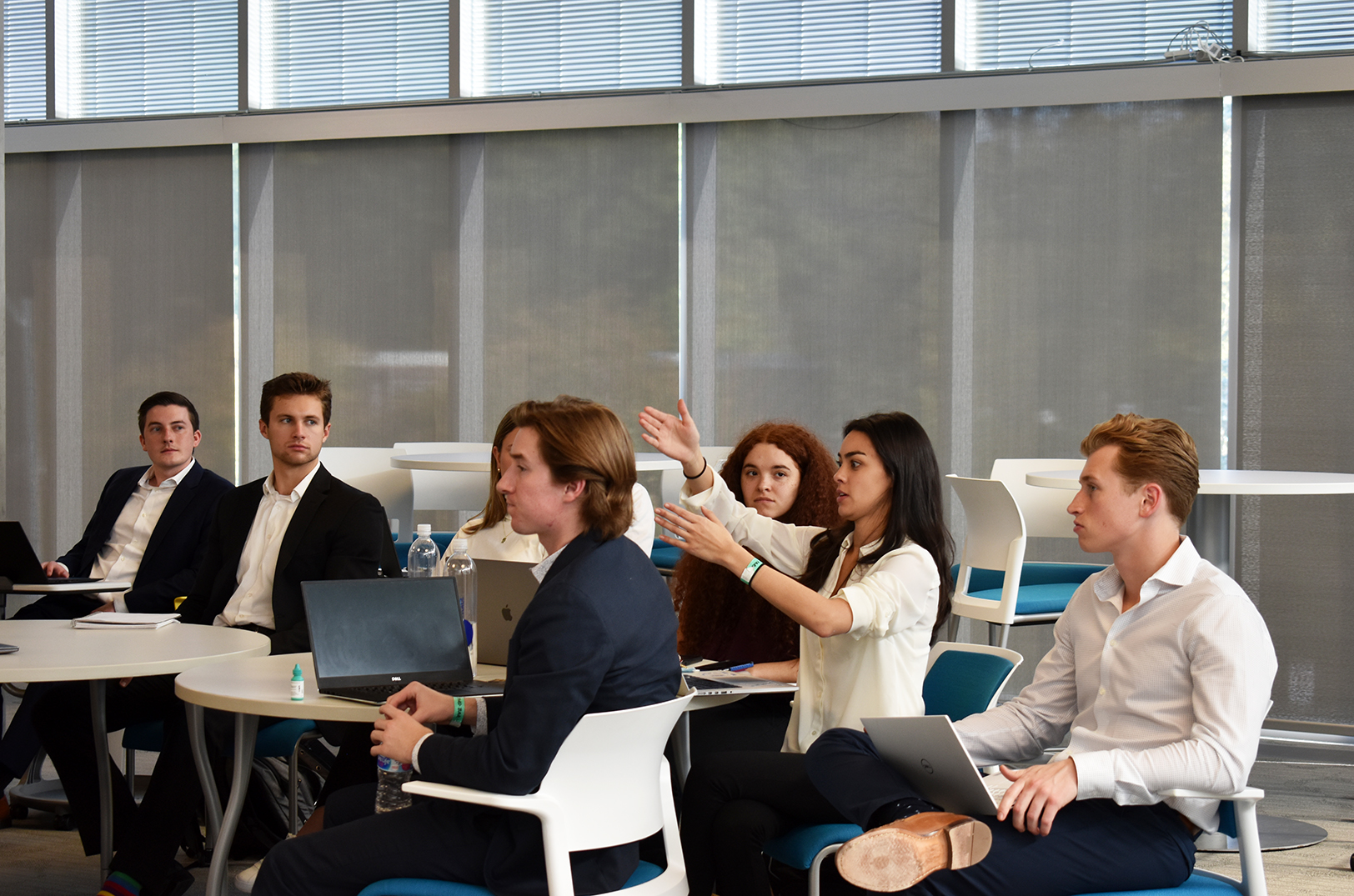
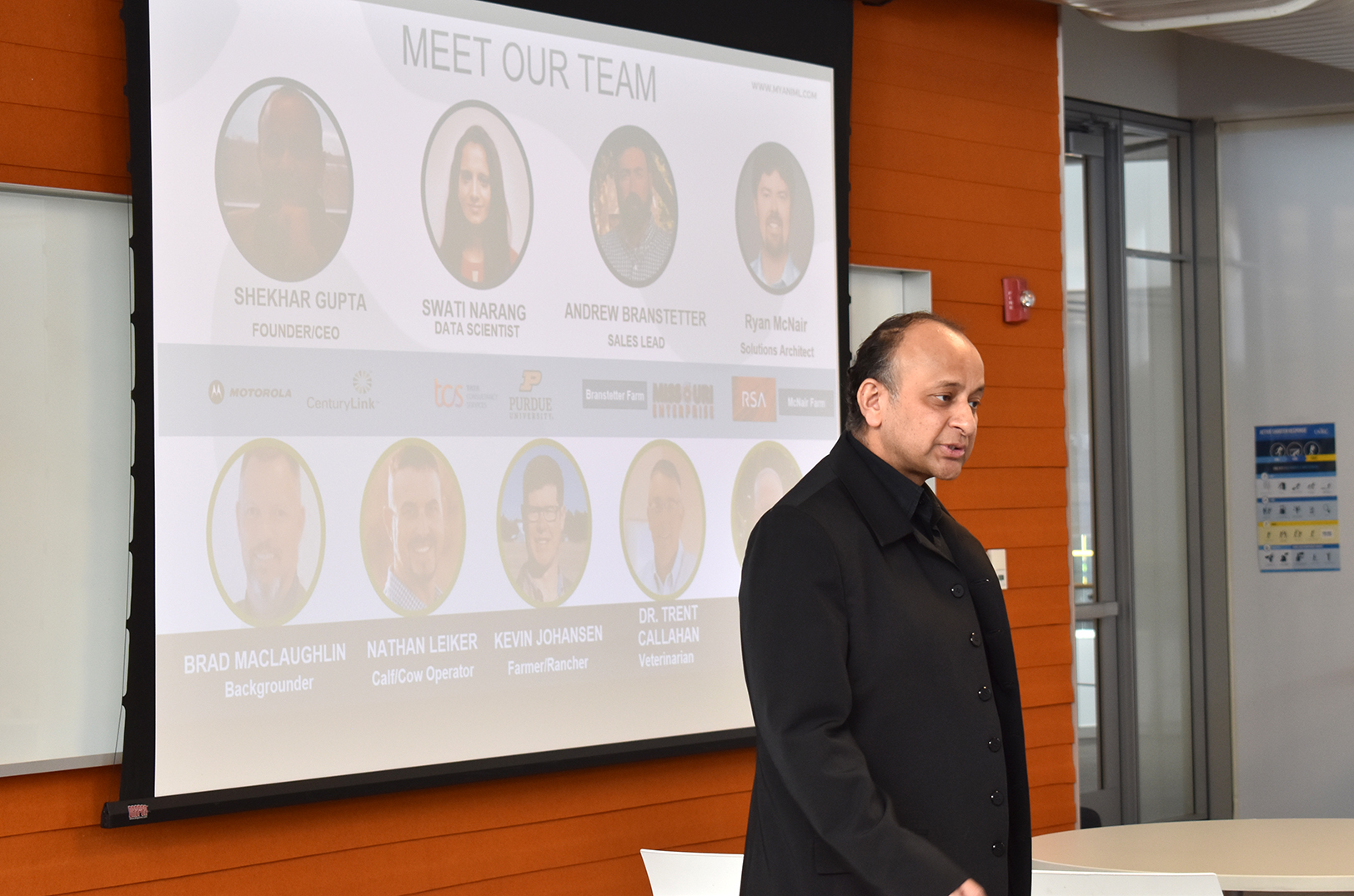
AACE Venture Fund students interacting with Shekhar Gupta, MyANIML, on the University of Missouri-Kansas City campus
Gary McKinney, AACE Venture Fund, University of Missouri
Since the program’s inception, students have invested in 13 startups — with investments up to $50,000 per company. One startup has had a successful partial exit, and several others are growing rapidly, said Gary McKinney, an entrepreneur and advisor to the AACE Fund.
“These students are really amazing. They are going on to work at large investment banks like J.P. Morgan, Goldman Sachs, Blackstone,” McKinney raved. “They’re smart, but they’re also capable socially. They’ll reach out to entrepreneurs and invite them to pitch to the class. The students really do all the work. I’m just there to provide my perspective as someone who’s invested in several different angel deals.”
“A number of our students go on to work at startups as well,” Allen added.
The final investment decision is also completely up to the students, Allen and McKinney said, noting that it takes two-thirds of the class to vote on an investment — and only students get a vote. Any money earned from an investment goes directly back into the AACE Fund.
“We are always learning because no two companies are the same,” Lujin said, noting that AACE Fund students will also tap into other departments within Mizzou to complete their due diligence and research before investing. “… I’m an accounting student; so if a biomedical company is pitching to us, we can leverage the resources at Mizzou and the teachers who’ve done research in that space.”
Students from all majors are invited to apply to the program and are required to be in the course for two semesters — but most students take it for a longer span, Lujin added.
“What I’ve seen from my time [with the fund] is that the applications are getting stronger and stronger, and we are getting more applicants,” Lujin said. “It’s definitely a very competitive process, but it is a testament to how valuable this program is.”
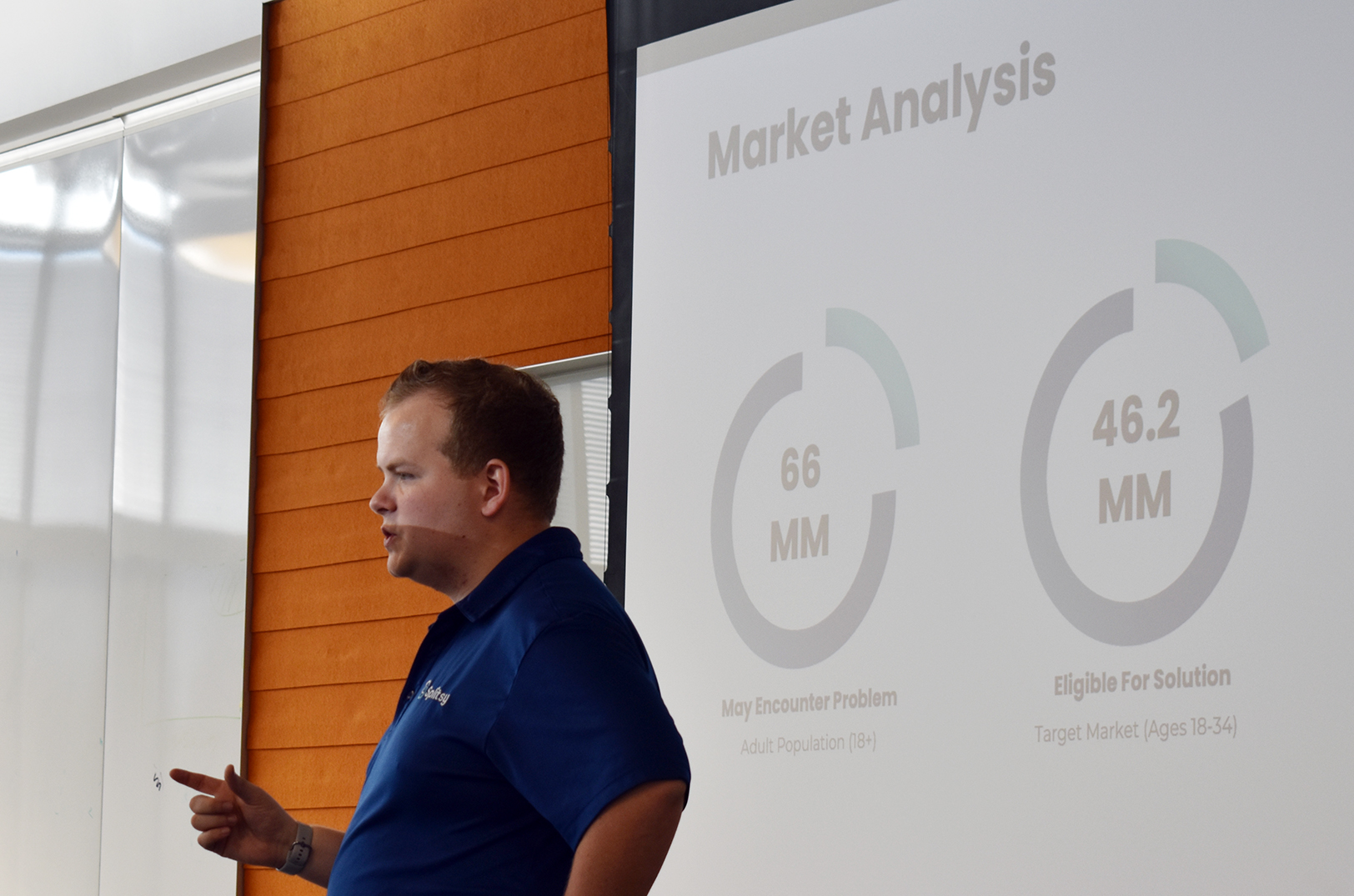
Earlier this month, the students visited Kansas City to meet with professionals at KCRise Fund, Five Elms Capital and the University of Missouri-Kansas City. During the trip, they also heard pitches from 10 local startups, including: VRDojo, Come On Now, Venboo, Dodgeball, Crib Coaching, Veeper, Vetellience, Splitsy, MyANIML, and UpDown NightLife.
Fund II
About 100 students have gone through the AACE Fund program since 2010.
“All those students have been able to put that they’ve worked as an investment analyst on their resume, which is very unique for students,” McKinney said. “I do believe that this class gives them the most experience and ability to land that good job.”
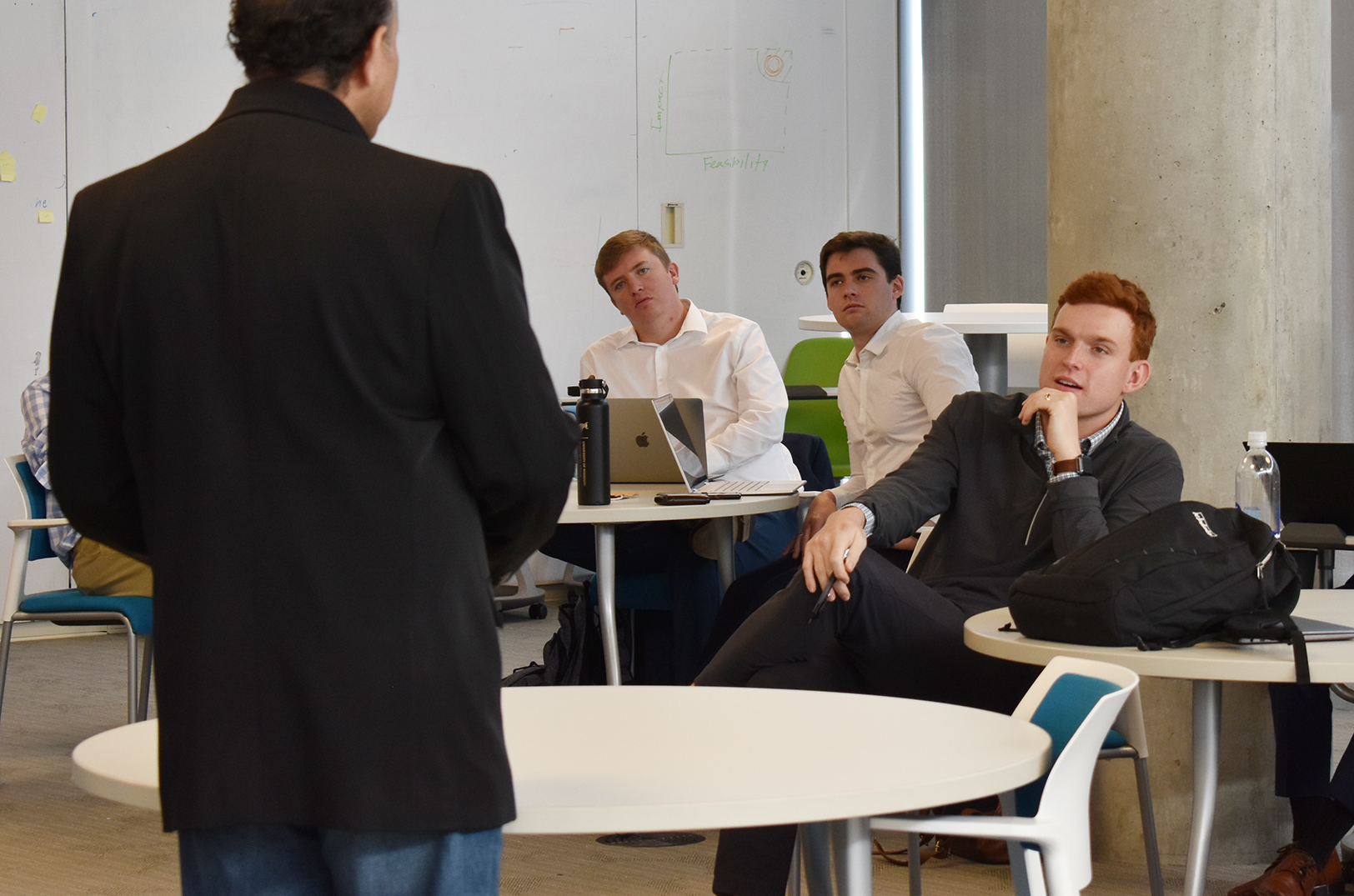
Brian Baker and other AACE Venture Fund students interacting with Shekhar Gupta, MyANIML, on the University of Missouri-Kansas City campus
Brian Baker, an accounting graduate student and co-director of the fund who is expected to start work at Five Elms in January, echoed McKinney.
“AACE helped me develop an investor mindset and formulate my own opinions,” Baker shared. “It helped me get involved in the startup community and even impacted my future career.”
The AACE Fund has already deployed a majority of its approximately $700,000 from Fund I, built largely from charitable donations. The class has an active fundraising campaign for Fund II, with a goal of raising $500,000.
“I hope to see this program and its impact continue,” Allen said. “I get emails from people who are four or five years removed from the class and they want to bounce something off me or just want to say, ‘Thanks. You gave me something that directed my life.’ And I’m so happy to hear it.
“It’s bizarre. I haven’t had a complaint yet — and I try my damnedest to get them,” he teased, smiling.
Click here to make a donation to the AACE Venture Fund.

This story is possible thanks to support from the Ewing Marion Kauffman Foundation, a private, nonpartisan foundation that works together with communities in education and entrepreneurship to create uncommon solutions and empower people to shape their futures and be successful.
For more information, visit www.kauffman.org and connect at www.twitter.com/kauffmanfdn and www.facebook.com/kauffmanfdn

Featured Business

2021 Startups to Watch
stats here
Related Posts on Startland News

Former office space set to offer affordable downtown workforce housing as historic Midland renovation begins
New life is set to pour into the historic former Midland office building as The Cordish Companies transform the space into 135 studio and one-bedroom apartments. “The Midland Lofts renovation is a major step in the direction of making living downtown more broadly accessible to the downtown workforce, and we believe that the Midland Lofts…
Prepped for Phase 2: How a New Orleans-inspired caterer grew organically into a KC kitchen collective
Food is a way to bring communities together, share cultural traditions and teach individuals about the importance of a healthy, ethically-sourced meal, said Dr. Karen Patrice Boyd. “My passion is teaching. Yes, I produce great food. But at the end of the day, I can impact the community more in terms of their knowledge and…
Cafe Cà Phê returns to the West Bottoms with second location for KC’s popular Vietnamese coffee shop
A Cafe Cà Phê satellite location inside 12th Street Post in the West Bottoms is the perfect step for continuing the mission of Kansas City’s only Vietnamese coffee shop, shared founder Jackie Nguyen. Just shy of the one year anniversary of its Columbus Park space, Cafe Cà Phê celebrated the grand opening of its new…
She wanted to bring her favorite foodie magazine to KC; her mother’s sudden death put this publisher’s plans on the back burner
Lauren Cook’s passion for Edible Communities magazine drove her appetite to revive it in Kansas City, she shared, but an unexpected life change has her hoping to hand the publisher’s apron to someone else. Cook purchased the license to publish the city-specific food magazine — each independently run by publishers in metros across the country…