

Ronawk using stem cell tech developed at Olathe lab to advance liver cancer research in Turkey
October 5, 2021 | Startland News Staff
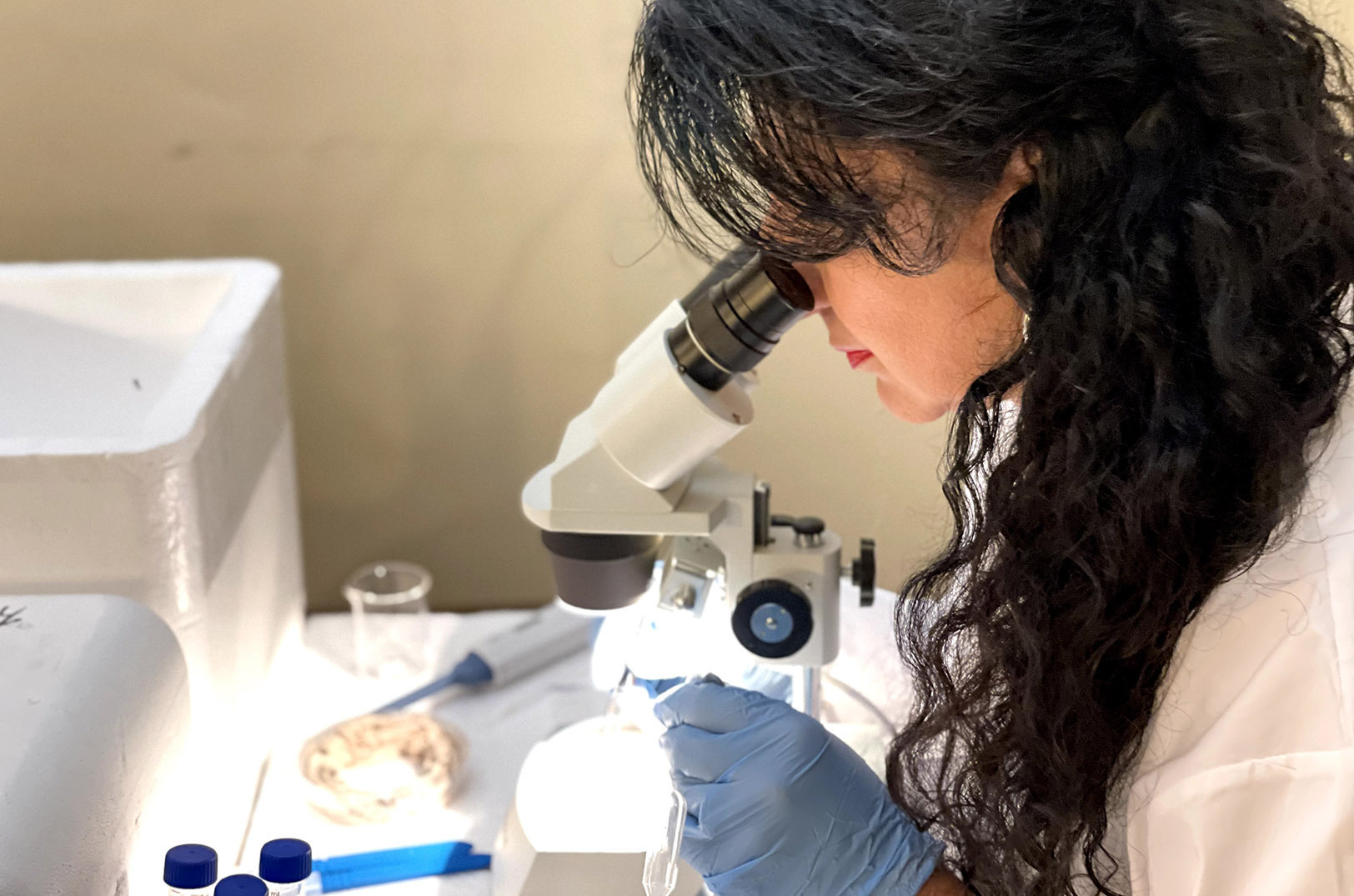
A Kansas City-based biomanufacturing startup announced its first international customer Tuesday: a university team in Istanbul that was among the first to beta test Ronawk’s lauded T-Blocks.
The maker of 3D cell culture products said the collaboration with Professor Ranan Aktas and the Cancer and Stem Cell Research Center at Maltepe University in Turkey will help researchers to better understand cancer development across different environmental conditions using T-Blocks.
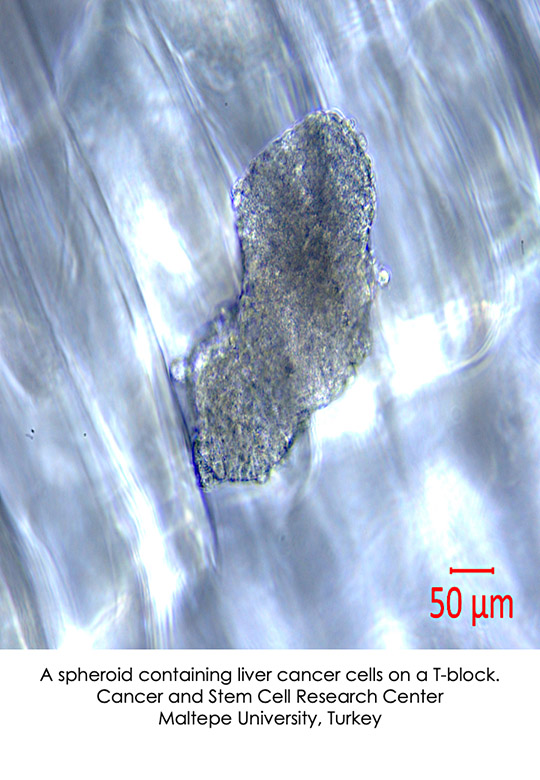
“We love working with Professor Aktas’ group and their thoughtful feedback,” said Heather Decker, CTO and co-founder of Ronawk. “We cannot wait to see how the T-Blocks will continue to help and accelerate their research for cancer patients.”
Click here to learn why Ronawk was named one of Startland News’ 2021 Kansas City Startups to Watch.
Ronawk spun out of the University of Kansas’ Department of Plastic Surgery (KUMC) and the Bioengineering Graduate Program in 2019, gained its own manufacturing facility in 2020, and now is making an impact with researchers in 2021, emphasized A.J. Mellott, CEO and co-founder of the startup. Operating from a lab in Olathe, Ronawk was selected this summer for MassChallenge’s 50th accelerator program.
The T-Blocks product has been recognized as one of the “Coolest Things Made in Kansas” for the past two years by the Kansas Manufacturing Council, an affiliate program of the Kansas Chamber.
Aktas’ group was among 30 pilot studies across the globe that sought to use Ronawk’s bioprinting technologies to develop products that simplify and modernize cell culture practices to accelerate research across virtually all disease specialties. The follow-up purchase of T-Blocks for current and future studies by Maltepe University is a major milestone for Ronawk, Mellott added.
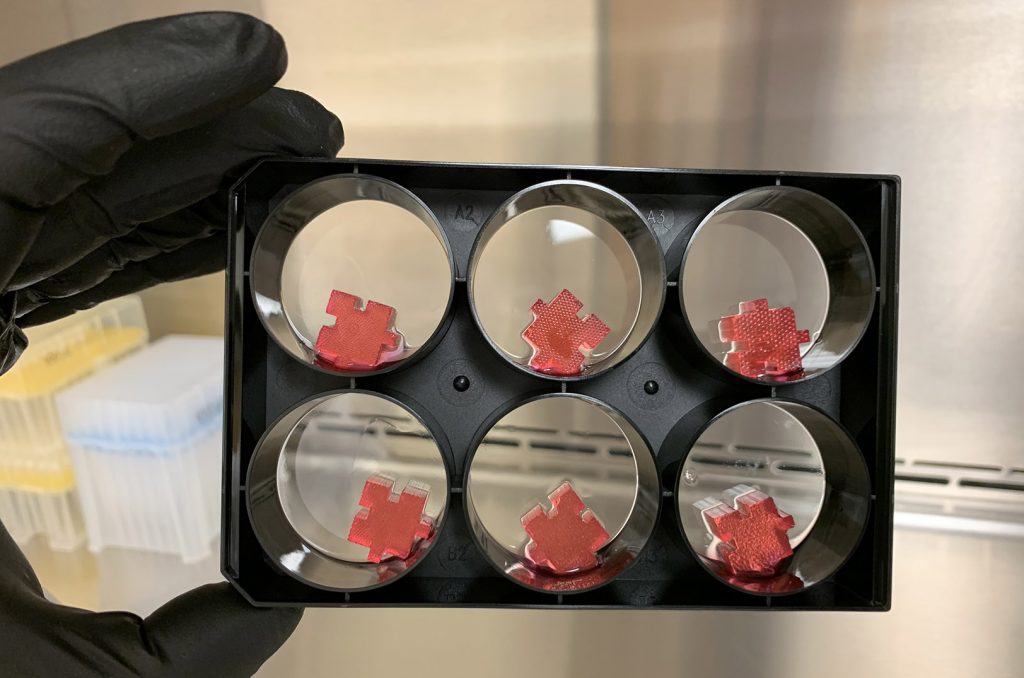
T-Blocks in 6-well plate; image courtesy of Ronawk
T-Blocks (Tissue-Blocks) enable researchers to rapidly expand growth of cells — up to one trillion at a time.
“T-blocks have provided an excellent opportunity to investigate the effects of the change in the stiffness of the microenvironment on liver cancer cells and cancer stemness,” said Aktas, describing her team’s interest in the technology. “We will present our first data during the Liver Meeting in Boston and continue creating different micro-environments using T-blocks with various stiffness. We already learned a lot from T- blocks and would love to gather more information using those well-designed 3D scaffolds.”
Click here to read more about the Olathe startup and it’s plan to launch a STEM training facility and create 150 jobs over next seven years.

This story is possible thanks to support from the Ewing Marion Kauffman Foundation, a private, nonpartisan foundation that works together with communities in education and entrepreneurship to create uncommon solutions and empower people to shape their futures and be successful.
For more information, visit www.kauffman.org and connect at www.twitter.com/kauffmanfdn and www.facebook.com/kauffmanfdn


2021 Startups to Watch
stats here
Related Posts on Startland News

Pitching in: Meet the founders tapped for Launch KC’s second Social Venture Studio
Seven social ventures from Kansas City and beyond are joining the second cohort of LaunchKC’s newest entrepreneur-focused initiative — a program that specifically supports founders working to solve social, racial or environmental problems. The startups selected for the Social Venture Studio, powered by LaunchKC, were revealed Wednesday afternoon at the Keystone Community Corporation’s event space…
Maker featured in NBC series says ‘death cleaning’ opened his eyes to grief without guilt
Godfrey Riddle made it his mission to uplift others, the Kansas City social entrepreneur said, but when a new, high-profile Peacock series begins streaming next week, viewers will witness Riddle on the receiving end of that love and support. The Civic Saint founder is set to appear on an episode of “The Gentle Art of…
Raven’s return-to-earth science is complete, founder says; a new space accelerator will help get the KCK-built tech off the ground
A KCK startup that could revolutionize space transportation is among 14 companies selected this week for an accelerator program from Amazon Web Services that focus on “transforming the future of space for all of humanity.” Kansas City-based Raven Space Systems — led by co-founders Ryan Cowdrey and Blake Herren — is building entirely 3D printed reentry…
Tesseract earns $1.25M contract to help Space Force, military ‘predict the future’
Industry-defining tools built by Kansas City’s Tesseract Ventures will help the U.S. Space Force accurately track machines, people and objects on base, and create a clearer understanding of launch conditions through next generation data visualization, said John Boucard. Tesseract announced Tuesday that the company has been awarded a direct-to-Phase II Small Business Innovation (SBIR) contract…