

Storytelling startup rewrites the pandemic narrative, scaling into new success, downtown space
October 22, 2021 | Austin Barnes
Editor’s note: The following story — a spotlight on a member of the Plexpod community — is sponsored by Plexpod, a progressive coworking platform offering next generation workspace for entrepreneurs, startups, and growth-stage companies of all sizes.
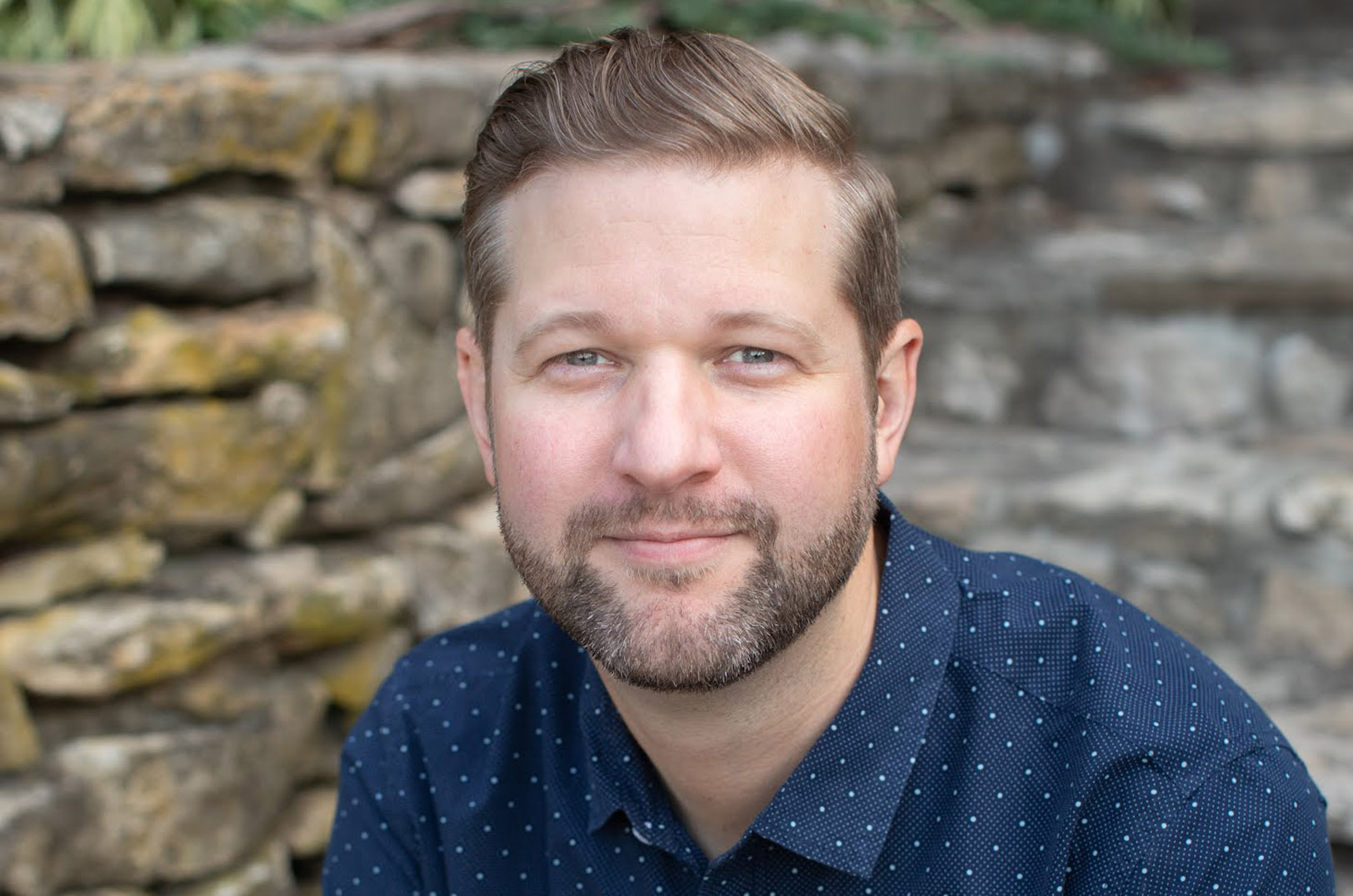
Stories are powerful, Jeff Short said, recalling ways his storytelling startup, Overflow, has worked to help Kansas Citians harness the energy of a good narrative to tell hundreds of them across a variety of mediums since 2015.
“We started with the idea that storytelling is a critical part of how humans process information and how they form their decisions,” explained Short, principal and chief creative officer at Overflow.
“The pandemic has made it easier to see colleagues and clients as real people with real stories. It’s hard to put on an invulnerable corporate face when your children are busting through your home office doors or pets are barking at the delivery person” he continued. “And I think that plays really well into stories. If we care more about people themselves, we have more empathy for their stories”
Now with a script for growth written and in hand, the company is turning the lens on itself, he said, telling Startland News how Overflow’s operations have scaled, how its team has navigated the COVID-19 pandemic and announcing the opening of a new, permanent office space in the city’s Garment District.
“I think the pandemic has actually helped all of us in the corporate world adapt in certain ways. I’ve found that we tend to interact with others with more gratitude and grace than we previously might have. And yet, we’re excited for the world to return to ‘normal,’ because there is an element of virtual fatigue that we’ve all experienced throughout the last 18 months,” Short explained, adding that while its effects remain both unprecedented and heartbreaking, the pandemic era has revealed strengths for the startup.
Click here to explore Overflow.
Trio with a three-pronged approach
Led by three partners with their own skill sets and backgrounds, Overflow has evolved from a more communications-focused operation to a hub that accelerates the adoption of ideas through strategic story, experience design and creative production.
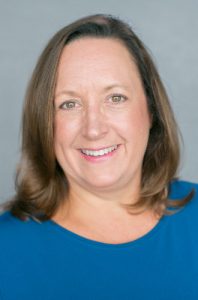
Michelle McSpadden, Overflow
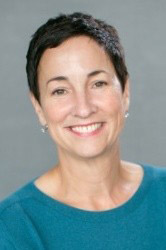
Tammy Broaddus, Overflow
The partners, which include Tammy Broaddus, principal and CEO, and Michelle McSpadden, principal and chief experience officer, wanted to build a suite of services that clients could use as a toolkit to get their ideas adopted by their desired audience, Short said.
“Our whole mindset is that when you combine [story, experience design and creative production] with a mixture of really establishing what your story is and how to appeal to your demographic or audience — whether that’s a live event or participating in a campaign — those three things work together to help our clients more effectively communicate their messages,” he added.
Through work with clients that include the likes of H&R Block, Advent Health, Community America, McCownGordon and six of Johnson County’s school districts to launch a teen suicide prevention campaign, the approach has helped Overflow find its niche.
“The thing that I see the most momentum in for our business is [projects that are] movement-based,” he explained. “We have clients [at the moment who have] two primary focuses, that are great examples of how we use all three focus areas of our company to accomplish really big, complex goals.”
Project MFG, a U.S. Department of Defense-backed initiative intended to alleviate a looming skilled-workforce shortage, is one of them, Short said.
“The Department of Defense has identified that if these jobs don’t get filled, the country’s industrial base will be impacted negatively — because there simply won’t be an ample workforce pipeline of skilled trade professionals. They’re supporting Project MFG to change that landscape and to attract young people to trades they may not otherwise consider like welding or machining.”
Overflow is assisting the effort by leading a widespread, narrative-driven social media campaign.
“We’re doing a lot of storytelling with the intent of making it known that these jobs are incredibly high paying and you don’t have to incur a lot of debt to learn these skills,” he said, adding the campaign has played out nationwide through events that include welding and integrated manufacturing challenges.
The events are part of a YouTube series, “Clash of Trades,” produced by Overflow, offering young people a window into jobs they might have dismissed, Short noted, pointing out ways the project is a prime example of how the company uses all three of its guideposts to deliver a high-impact product.
“We get to marry the things that we’re passionate about as a business and use our skills to really accelerate these very complex social ideas that have a lot of negative sentiment that’s [often] misapplied.”
Click here to learn more about Project MFG or here to learn more about Overflow’s growing portfolio of work.
Opportunities for growth
Helping craft clear and impactful messages around complex issues has perhaps never been more important than throughout the ongoing pandemic, a time when digital communication has become especially critical.
“Like most businesses at the outset of the pandemic, there was a lot of fear about what this meant for our organization and our employees,” Short said, noting the need to reimagine annual events and conferences for a virtual audience was almost immediate for new and existing clients alike.
“We found that our services really applied to the virtual world in a way that’s, sometimes, even more powerful,” he continued.
“The importance of well-crafted, video-based stories has only increased as an effect of the pandemic,” Short said. “Over the past 18 months, we haven’t had the luxury of being in-person and with people — but that gives us the amazing opportunity to curate [a client’s] message even more. We have the ability to fine tune our messages with more intentionality.”
The pandemic has also accelerated corporate willingness to create more hybrid experiences, he said.
“People who couldn’t come to an event before, whether it was for cost reasons or for accessibility reasons — or any other myriad of reasons, [clients are] suddenly producing events that are more accessible to people that couldn’t have made it.”
“It’s been an opportunity for growth for us,” Short continued, revealing Overflow recently purchased its own building at 708 Broadway in the Garment District in downtown Kansas City. The company’s team is expected to move in by the end of the year, eager to write (or film) the next installment in its startup saga.
“It will be the first time in our history that people have their own desks,” he said of the company’s nine-person team.
The opportunity to expand into and own a standalone space is significant for the company, which has split operations out of an office in downtown Lee’s Summit and Plexpod’s Lenexa-based flexible office and coworking space since it opened in 2015.
“We have been so fortunate throughout our years at Plexpod, to really benefit from the collaborative atmosphere there. At least a dozen clients over the years have simply walked by our office and noticed some of the things we do that look a little different or look interesting and popped in and said, ‘Hey, I’m not sure what you do, but I would love to learn more,’” Short said.
“Our goal with this new space is to create opportunities for creative collisions that happen within our company and within other organizations in a similar way to what we experienced in coworking.”
The layout of Overflow’s new office is expected to include plenty of open spaces and room for continued (or resumed) collaboration as its team returns to in-person work on a more consistent basis.
“When we were making the choice to get our own building, there was a long list of amenities [such as event space, studio space, and conference rooms] that our whole team had grown accustomed to. We’ll certainly miss the flexibility that coworking has afforded”, Short said, adding he’s certain the Overflow team will continue to partner with Plexpod in some fashion, but that moving beyond day-to-day coworking is what’s best for the company’s long term growth.
“It will be a good change for everybody and everybody will be able to work in the same place for the first time.”


2021 Startups to Watch
stats here
Related Posts on Startland News
BetaBlox expands to Tulsa, shares 4-year plan
Thanks to a recent fundraise, Kansas City-style innovation is heading south to the Sooner State. After scoring new investment capital, Kansas City-based BetaBlox is expanding its incubator program to Tulsa this summer, bringing with it four years of experience in honing startups. BetaBlox founder Weston Bergmann said his for-equity incubator has partnered with the non-profit…
Weston Bergmann explains BetaBlox and its successful 2016 class
Since launching it in 2012, BetaBlox founder Weston Bergmann has always been impressed by the caliber of firms entering his incubator. But this year, Bergmann said he was blown away by the firms presenting at BetaBlox Demo Day celebration Monday. “It’s kind of cliche to say this class is better than the last, but it’s true,”…

Meet the BetaBlox startups ahead of Demo Day
Kansas City-based accelerator BetaBlox is gearing up for its annual culminating event to highlight startups in its current class. Set for Monday, BetaBlox’s Demo Day offers a stage for its 10 startup firms to pitch their businesses to investors, area residents and fellow entrepreneurs. While also a showcase of its startups, BetaBlox hopes the Demo Day will engage…
Regional Roundup: Chicago aims to be space travel hub
In this week’s roundup of watercooler talk from the region’s startup hubs, we have the dish on one Chicagoan’s plan to make the city a hub for space travel, St. Louis’ booming innovation district and the update on Uber and Lyft’s Texas battle. Check out more in this series here. ChicagoInno: Chicago … a hub…