

Microwave meals to dating apps: How Sally Williams harnesses the power of new products for founders
September 20, 2021 | Austin Barnes
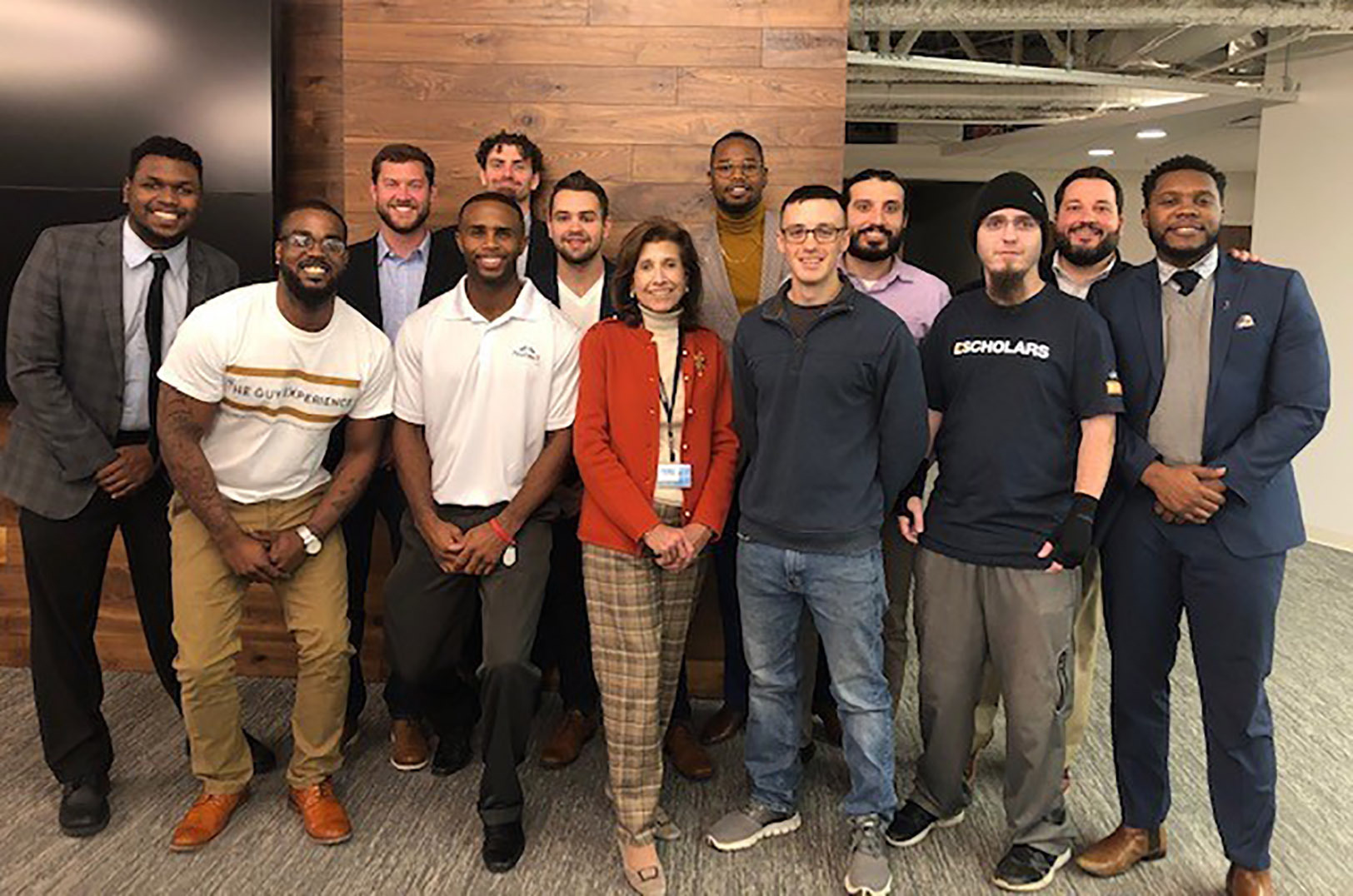
After 40 years in the game, a nearly lifelong career might leave little room for surprises. Yet for Sally Williams, every rise of the sun brings new opportunities, revolving largely around Kansas City’s potential to push the bounds of innovation, she said.
“I have clients who have products in the International Space Station and I have clients who are [building] apps and games,” Williams laughed, recalling her decades of experience in business, as well as opportunities that led to her current position as technical development and commercialization consultant at the Missouri Small Business and Technology Development Center (Missouri SBDC) at the University of Missouri-Kansas City (UMKC.)
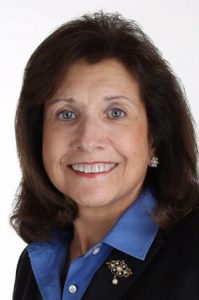
Sally Williams, UMKC Small Business and Technology Development Center (SBDC)
“I have clients who have life-saving products and clients with products that teach you how to talk to somebody else across a bar. Its a wide variety of products and it brings a wide variety of challenges — and I just love it. It’s so fun.”
Click here to learn more about Makefully Studios, one of the companies Williams helped to earn more than a million dollars in government grants through Missouri SBDC.
Early exposure to innovative ideas has been part of Williams’ career since she first stepped foot in an office environment at Pittsburgh, Pennsylvania-based Alcoa in the 1980s, she recalled, detailing the early incarnation of a revolutionary product on which one of her first customers was working.
“It turned out that new product was optical cable,” Williams said, expressing amusement. To witness what would become the lifeblood of the internet taking shape makes for a pretty good crash course in helping guide emerging tech ventures, she added.
“I’m more of an intrepreneur than an entrepreneur. My start really came [as a result of] innovation and I am more of an innovation expert than an entrepreneurship expert,” she said, drawing on experience at what she called “the Five Behemoths” of American manufacturing: PepsiCo, Ralston Purina, Kimberly Clark, and Bayer Healthcare, in addition to Alcoa, and a long list other major corporations like Frito Lay.
“I believe that many of the tenants of innovation work anywhere,” Williams said.
“When I went to Frito Lay as part of the PepsiCo system, [one of my customers] started working on a new product there — microwave food. Microwaves were really getting popular and it was a big thing and I loved it.”
Such momentum carried Williams through the first 30 years for her career. Then she got bored, she mused.
“I got tired of it. It’s hard to innovate in large companies — but I was really successful at it. I’ve [helped build] literally billions of dollars in new businesses,” she said, noting a colleague branded her “one of the most prolific new product developers in consumer products.”
Opening up ‘inclusion’
“I have a fundamental belief that we are all equal and people everywhere, when given opportunities, have a chance to excel. Going to networking events six years ago, you didn’t see many people of other ethnicities, you didn’t see many women,” Sally Williams said of her view of Kansas City’s entrepreneurial and innovation community and ways it’s started to evolve.
“Now I see a lot more people of non-white ethnicities and a good number — not enough — of women. We are opening up as a community.”
“The way I have approached [inclusion in my work] is, ‘Let me cast as broad of a net as I can’ — to bring people in, to expose them to new opportunities, to expose them to learning and ways to get things done. That has worked really well, because we have some really exceptional folks here from all different kinds of backgrounds, no matter their ethnicity, their gender, we have some really great people.”
Tapping into such a label, Williams shifted gears and created a new brand for herself as a thought leader, mentor, and overall visionary of venture building through her work with the Missouri SBDC.
“I got into this, helping other people start businesses. … [But I thought] ‘I’ve done this for a long time and I don’t really care about launching any more businesses. I’ve done that enough,’” she admitted.
“But I really think I have a lot that could help people who are starting up — because I’ve really learned a lot over the years. Not only how to build a product, but how to build a business from the ground up.”
Williams launched her own consulting firm in addition to her position at Missouri SBDC, where she’s worked for six years alongside local entrepreneurs like Juaquan Herron, founder of 2923 Comics and cofounder of vendor finding app, Venboo.
Click here to learn more about Juaquan Herron’s venture, Venboo.
“The biggest thing I’ve learned in my career is that you have to be in reality,” Williams said.
“When [Herron] was speaking to our tech venture class, he said to them, ‘Now Sally is going to tell you some things that you don’t like — because she believes in being in reality,’” she recalled.
“He goes, ‘I can remember when I first started talking with her. Sometimes I thought no, no, no. I don’t want it to be that way or I don’t like that.’”
Herron’s words are a testament to Williams work, reinforcing her belief that entrepreneurship often means hearing things that aren’t reaffirming — but are intended to redirect good ideas into great ideas.
Such a mantra resulted in Williams earning one of America’s SBDC’s highest honors earlier this year, named Missouri State Star in celebration of her relentless passion for local innovation and work that’s helped diversify the talent pool of innovation-focused programs such as Digital Sandbox KC.
“I was so surprised. I just hadn’t thought that anybody would be considering me for that and I’m very humbled by it because I was nominated by my peers, by my colleagues,” she said.
“My job is to help people. My job isn’t to make somebody above me millions of dollars in their stock options. It isn’t to hit a number on an annual plan. My job is to help these entrepreneurs — however they define help. … This is my favorite job I’ve ever had.”

This story is possible thanks to support from the Ewing Marion Kauffman Foundation, a private, nonpartisan foundation that works together with communities in education and entrepreneurship to create uncommon solutions and empower people to shape their futures and be successful.
For more information, visit www.kauffman.org and connect at www.twitter.com/kauffmanfdn and www.facebook.com/kauffmanfdn

Featured Business

2021 Startups to Watch
stats here
Related Posts on Startland News
Closing KCK’s Black-owned coffee shop opens opportunity for Kinship to brew bigger, owner says
When TJ Roberts posted on social media about closing Kinship Cafe, a Black-owned coffee shop in Kansas City’s Strawberry Hill neighborhood, he was surprised by the outpouring of support — a morale boost that not only gives him the spirit to keep fighting for the business, but expand it, he said. “When we posted about…
Kansas brothers launch speedy trial for app that eases reentry for the wrongfully incarcerated
Podcast host-turned-innovator Dylan Carnahan is a man built for talking, he said, but there’s a time when words aren’t enough — when action is needed in the face of injustice. For Carnahan and his brother, that moment is now. “While media spreads awareness, software facilitates action,” said Carnahan, teasing the tech he’s developing alongside Alex…

Restaurant’s nostalgia is only part of it’s recipe: How Paul’s Drive In sizzled a community staple by ‘doing good first’
Editor’s note: The following story was written and first published by the Economic Development Corporation of Kansas City, Missouri (EDCKC). Click here to read the original story. In the heart of South Kansas City, Paul’s Drive In on Blue Ridge Blvd has been a cherished staple since the 1960s. Through ups and downs — including…
Meet six coalitions earning grants through Kauffman Foundation’s new ‘Collective Impact’ funding pathway
Systemic change happens when communities come together to drive transformation through collaboration, said Dr. DeAngela Burns-Wallace, announcing a half-dozen grants to high-capacity organizations with strategies to close economic mobility gaps in the Kansas City region. The “Collective Impact” planning grants of up to $500,000 are awarded to the winning coalitions are the first piece of…