

Initiative to employ at-risk KC youth provides jobs for 427 teens, raises $600K for stipend fund
July 24, 2021 | Channa Steinmetz
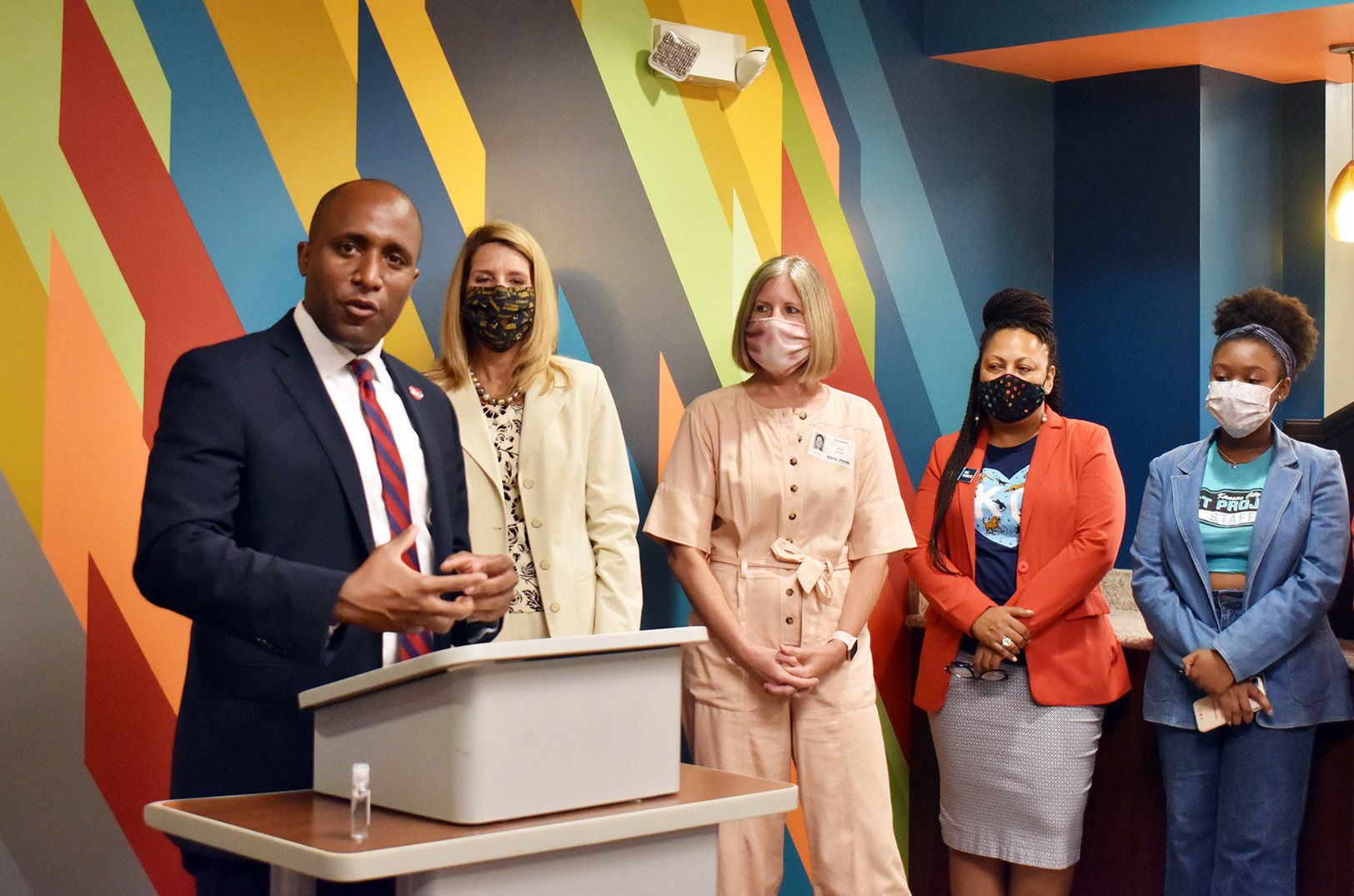
A community’s most impactful investment is in its youth, Mayor Quinton Lucas said Friday during a media event for the Working for Youth anti-violence and youth employment initiative.

In April, the mayor’s office announced a partnership with KC Common Good, Hire KC and Entrepreneurship KC to establish the Working for Youth program that would train and employ teens most at risk of violence in Kansas City. Since then, 427 teens from ages 14 to 18 have been employed through 89 local employers — providing both virtual and in-person paid jobs.
“I want to really thank our young people,” Lucas said, “who have taken on hundreds of opportunities to learn, to grow, to see career paths that are interesting to them and to be professionals who make a difference in the city.”
Click here to read more about the Working for Youth initiative efforts.
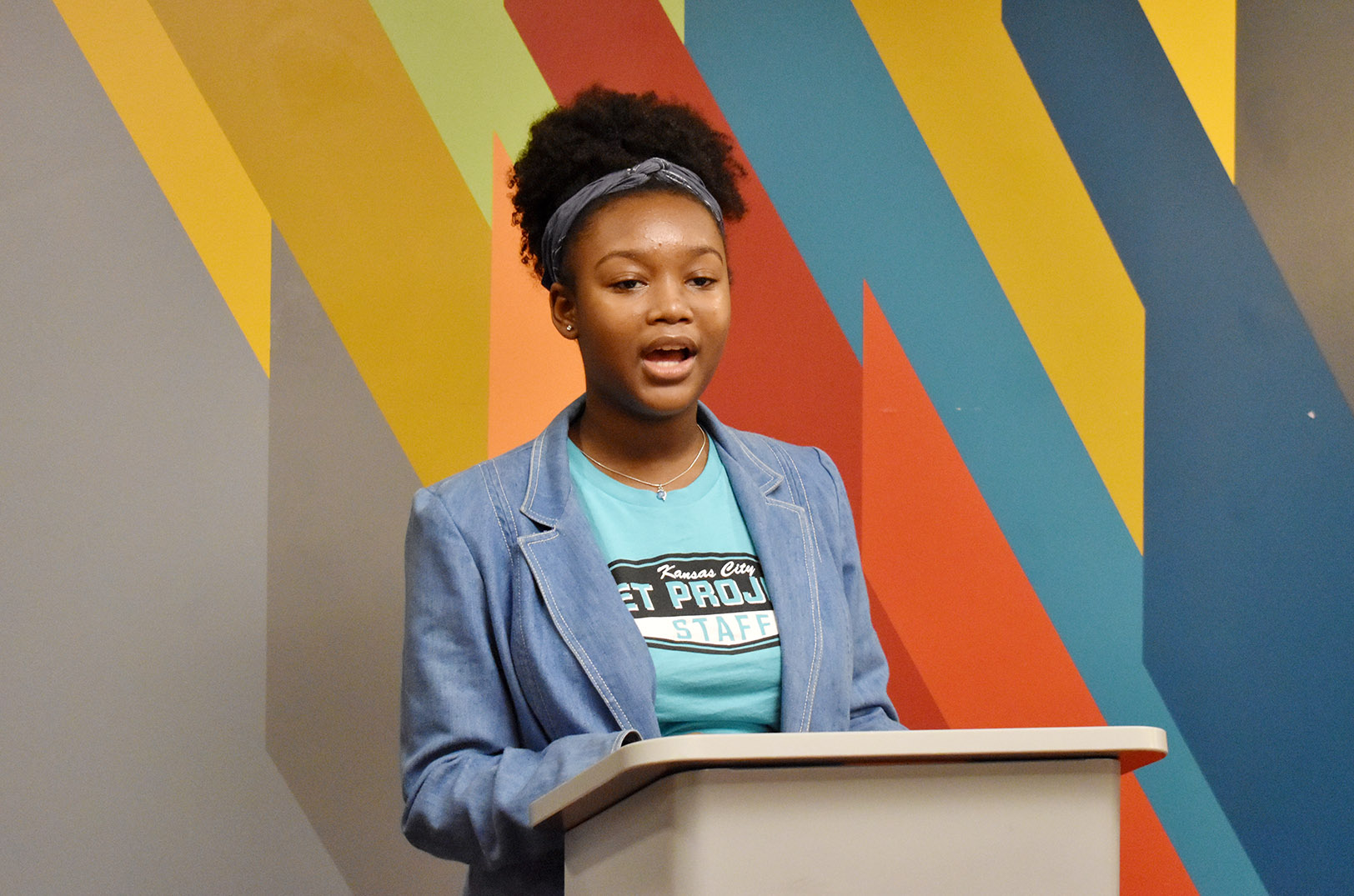
Akilah Walker, Working for Youth event; Startland News photo
Local students Akilah Walker and Tyi’Ronn Hency shared their experiences as part of the Working for Youth initiative and how it helped them discover their likes, dislikes and sources of passion.
“I’ve grown quite an interest for HR,” Walker said in regard to her internship with KC Pet Project. “… One of my favorite things, I would say, is probably helping people through HR — it’s kind of like a workplace therapist.”
KC Pet Project hired 13 summer interns within the Working for Youth program, said Kimberly Washington, who serves as the director of Human Resources for KC Pet Project.
“We instantly knew that we needed to be a part of this program,” Washington said, noting that she sees it as a strong avenue to hiring future employees. “… We have students working under our canine and feline specialists, in our pet support center and in our social media and development departments.”
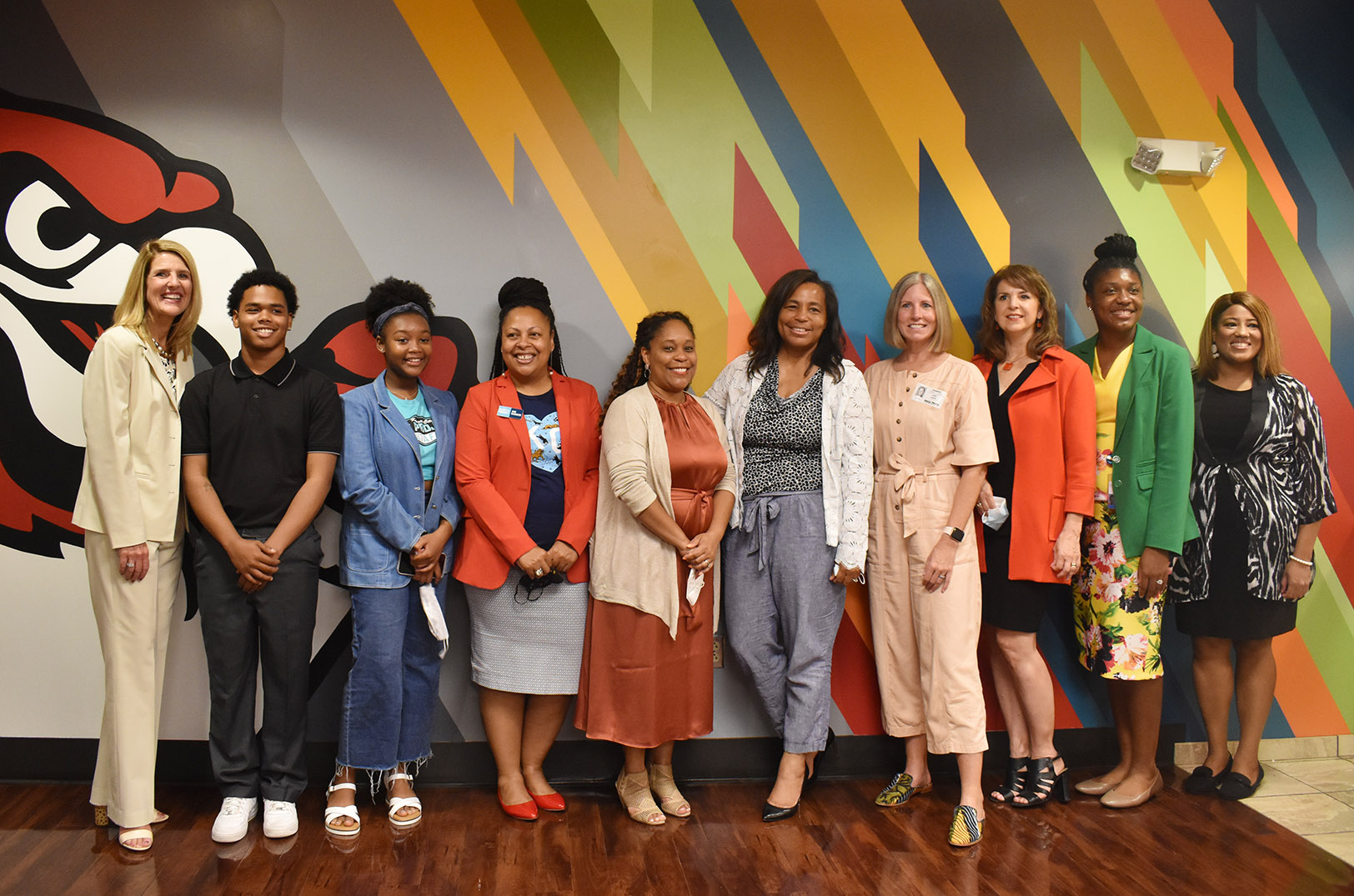
Working for Youth event; Startland News photo
A handful of the other 88 employers include: American Jazz Museum, Artisan Technology Group, Children’s Mercy, Dental Dental, Do More Good, Launch Code, Greater Missouri Leadership Foundation, Heartland Chamber Music, Nourish KC, and The Sewing Labs.
Leigh Anne Taylor Knight, The DeBruce Foundation, Working for Youth event; Startland News photo
Working For Youth also partnered with 33 community partners, such as CommunityAmerica Credit Union, which is providing financial literacy training and bank accounts for program participants, and The DeBruce Foundation, which is giving participants access to its Agile Work Profiler solution.
“[It’s] an online survey for individuals to discover their strengths and interests and how those line up with work activities,” said Leigh Anne Taylor Knight, who serves as the executive director and chief operating officer for The Debruce Foundation. “It is a great first step toward career literacy, which can help them set up for long term success.”
Click here to learn more about the Agile Work Profiler from DeBruce.
The Working for Youth program has raised $600,000 in two months, according to a press release. It has been a grassroots effort almost entirely community-funded, with a continuing goal of raising $1 million by next year.
Regardless of one’s background and zip code, all students deserve to be set up for success, said Jennifer Collier, the deputy superintendent of Kansas City Public Schools.
“We hope that this [program] is just the beginning,” Collier said. “Our students need more of these opportunities to have paid work experiences in their own community. Our students need this, and they deserve it.”

This story is possible thanks to support from the Ewing Marion Kauffman Foundation, a private, nonpartisan foundation that works together with communities in education and entrepreneurship to create uncommon solutions and empower people to shape their futures and be successful.
For more information, visit www.kauffman.org and connect at www.twitter.com/kauffmanfdn and www.facebook.com/kauffmanfdn

Featured Business

2021 Startups to Watch
stats here
Related Posts on Startland News

Novel Capital teams with Crux KC to offer growth-focused marketing to early-stage tech companies
An exclusive partnership between two Kansas City-based innovators is expected to help remove a traditional financial hurdle to business growth, said Ethan Whitehill, president and chief strategy officer for the KC Chamber-lauded marketing firm Crux KC. The collaboration between Crux and Overland Park-headquartered capital provider Novel Capital is expected to offer B2B SaaS and tech…
Neighborhood smart cans help Kansas Citians save the planet from their kitchens
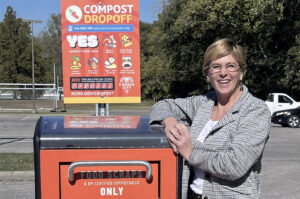
Newly introduced composting technology is already turning new ground in Kansas City, Kristan Chamberlain said, with more solar-powered compost cans arriving later this spring across the metro’s urban landscape. Her social venture, KC Can Compost, installed three of the devices in October — free to use for KCMO residents wanting to deposit their soil-making food…

Voodoo Volleyball bounces back in OP: Father-daughter duo doubles as new venture’s setters
Quinn Austin put several sports to the test as a preteen — racing from basketball practice to softball to volleyball. But she latched on to just one. “Volleyball. It was my sport. Everyone was having a good time,” she said. “We just loved the cheers — a cheer when we got a hit, a cheer…

Black farmers are losing ground in the fight to feed their communities, advocates say
More than a century of systemic land dispossession and discriminatory practices has left Black farmers with less than 0.6 percent of U.S. farmland — less than a third of the 16 million acres they operated in 1910, according to local urban farming advocates. They gathered Tuesday at Independence Boulevard Christian Church to confront this history…