

$4M investment powers Daupler hiring, expansion as startup scales into new verticals
July 8, 2021 | Tommy Felts
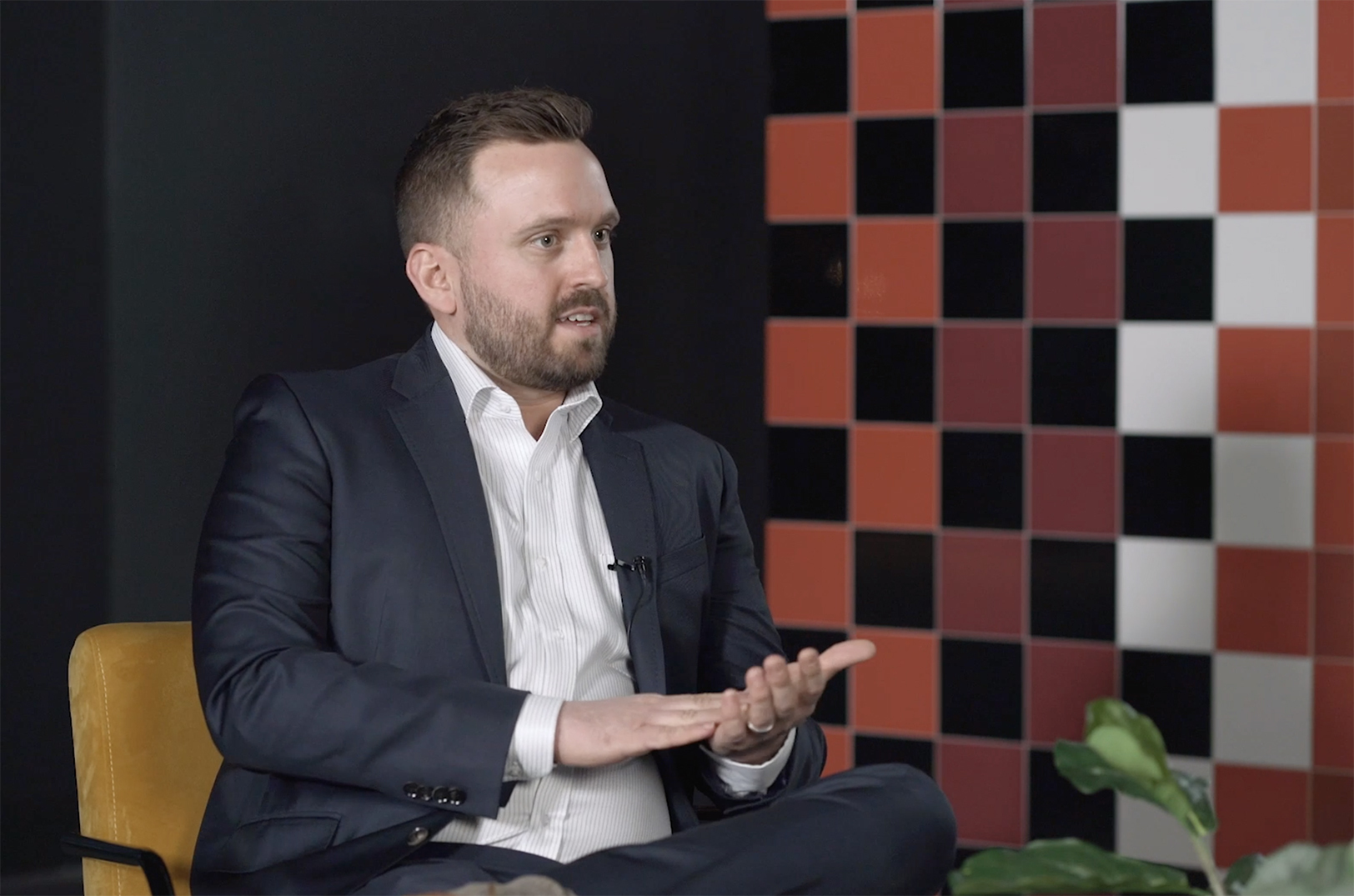
A newly announced funding round for Daupler positions one of Kansas City’s top startups as “well-resourced and hiring like crazy” amid expansion plans and rapid entry into new markets, said CEO John Bertrand.
The $4 million investment — led by San Francisco-based Burnt Island Ventures with participation from Revolution Fund, Runway Venture Partners, Knoll Ventures, and KCRise Fund — comes as the Overland Park-headquartered govtech company takes root within the infrastructure of more than 200 municipalities and service providers in 26 states, and spreading across Canada and Brazil.

Elevator pitch: Daupler simplifies the way people communicate with local government and utilities. We provide software and AI to triage issues, dispatch staff, document response data, and engage citizens throughout the process. Our systems completely transform the way these entities respond to issues.
• Founders: John Bertrand, Ryan Rosenbaum
• Founding year: 2017
• Amount raised to date: $5.7M
• Noteworthy investors: Burnt Island Ventures, Revolution Fund, Runway Venture Partners, Knoll Ventures, KCRise Fund, Techstars Kansas City
• Programs completed: Techstars 2018
• Current employee count: 30
Click here to read why Daupler, a first response software platform for utilities and public works, was selected as one of Startland News’ Kansas City Startups to Watch in 2021.
The funding is expected to strengthen Daupler’s product, as well as add “fuel to the fire” of the startup’s plan to hire top-tier talent to drive growth, said Bertrand, who co-founded Daupler with Ryan Rosenbaum in 2017.
“We’re basically taking advantage of every unfair opportunity that we can,” Bertrand told Startland News of the company’s scale-up efforts. “If we can bring in really great resources and people who have a lot of experience now, it lessens the learning curve and will allow us to go even faster and further. Bringing in great talent is critical for our expansion and will allow us to keep up with the massive demand we’re seeing from the market.”
In addition to bringing in proven leadership for Daupler’s customer service and marketing departments — and equipping them with the resources to build out their teams — the company also is fleshing out its sales and developer hiring needs, he detailed.
Daupler has more than doubled its footprint over the past year, Bertrand said, driven by high demand and the startup’s identification of new target markets for its solution. The company’s proprietary core engine uses natural language processing to reduce response times by 75 percent on average.
“The methodology of response management obviously applies to local governments, but the potential for rapid growth also comes from outside of [the government sector],” he said, noting Daupler’s primary customers are utility companies and municipalities providing water-related services. “One of the things we’ve learned is that a chunk of our water utilities also provide power. So as we start to tap into the power market, there’s a huge opportunity to get into conversations with other kinds of service providers and ask: ‘What’s your biggest issue or problem? And how are you currently responding to it? How do you engage with your citizens?’”
Daupler also is exploring industrial applications for its technology, Bertrand said, adding it has life-saving potential regardless of where it’s deployed.
During this winter’s Artic Blast, for example, the Daupler platform automated the response to more than 15,000 events, expedited service restoration, and enabled millions of people to easily communicate with their service providers, he said.
“We’re at an important place when it comes to providing real value to citizens — you see that especially when you have a weather event like this past February’s Arctic Blast, which hit more than half the country,” Bertrand said. “That meant a lot of service outages; a lot of water main breaks. We’re handling thousands and thousands of incidents like that, which really translates to a huge impact.”
Watch a video below of Bertrand’s interview from Startland News’ Startups to Watch interview special, then keep reading.
Impact helped draw the attention of lead investor Burnt Island Ventures, which maintains a keen interest in water-related startup solutions, the fund said.
“It’s always a huge pleasure to back companies that create extensive value in the lives of those who run our society,” said Tom Ferguson, managing partner of Burnt Island Ventures, and a former programming executive at the Imagine H20 accelerator in San Francisco. “Daupler can become the operational engine of the city — and for any company or organization running a network of physical assets.”
Ferguson joins Daupler’s board of directors as part of the investment.
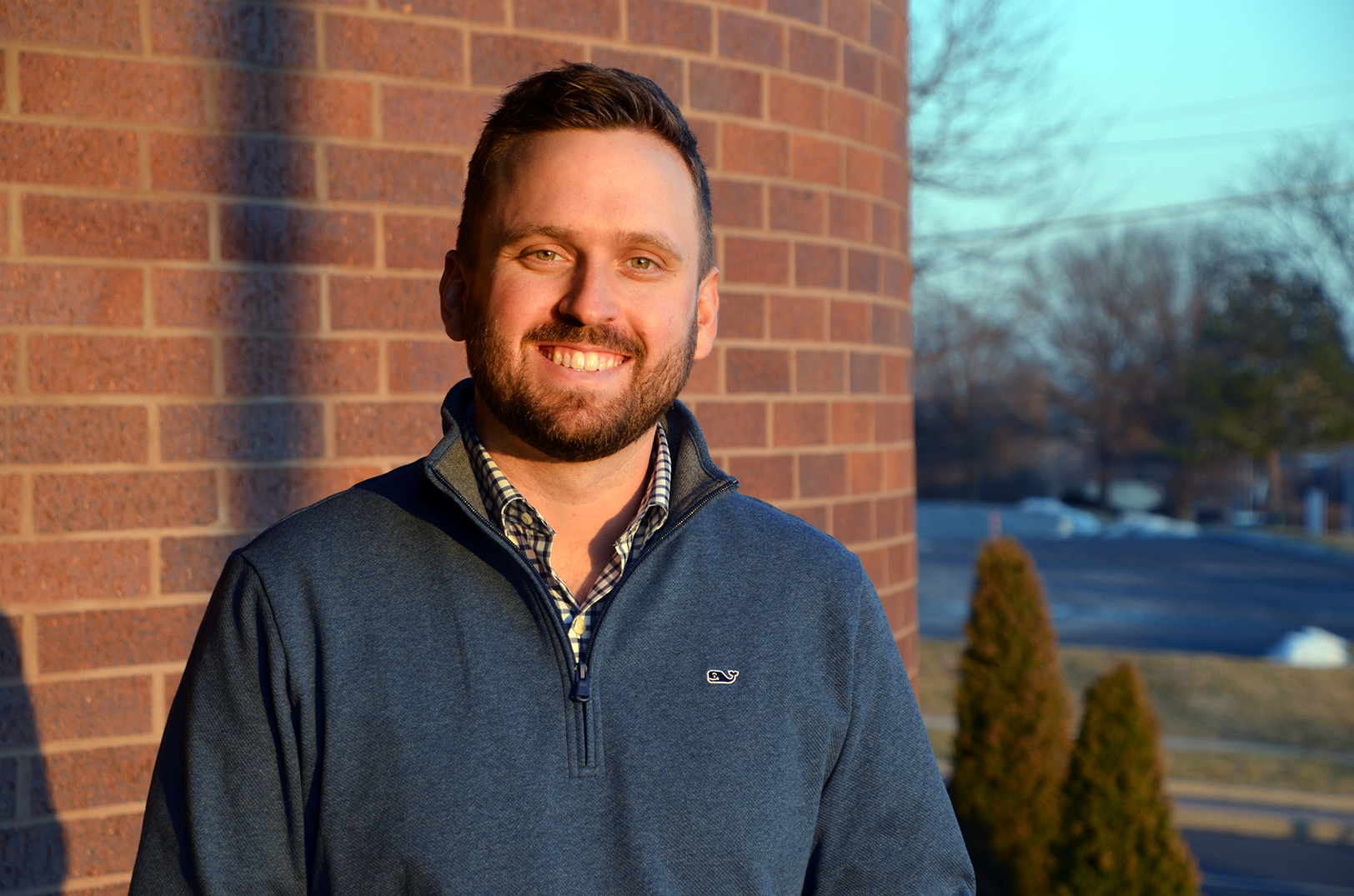
John Bertrand, Daupler; Startland News photo
Noting the round took only three months to raise, Bertrand expressed pride in attracting coastal investors, as well as maintaining the confidence of early backers.
“It’s really cool to see KCRise Fund double down on their investment in us and their belief in our company,” he said, specifically pointing to the Kansas City based fund, as well as acknowledging the Steve Case-backed Revolution Fund that joined the round.
Daupler has the perfect formula for a successful venture-backable enterprise, said Darcy Howe, founder and managing director of KCRise Fund.
“Govtech has not traditionally been a darling of venture capital, primarily due to concerns of long sales cycles,” Howe said. “Daupler has broken the code and reduced time to revenue in a very large addressable market and in an industry in need of modernization.”
Revolutionizing the utility industry also comes with an equity focus, Bertrand added, echoing the company’s commitment to social equity across service areas — eliminating potential biases often reflected across infrastructure and geography.
“That’s what gets me out of bed in the morning. We’re not just out here making a quick buck,” he said. “We do this because we believe that every single person in every single place across the country needs us. Everyone deserves access to a solution when the power goes out or their house is flooding.”

Featured Business

2021 Startups to Watch
stats here
Related Posts on Startland News

OP-based motion capture startup DARI Motion sells to Omaha firm
DARI Motion, an Overland Park-based startup that created a motion capture platform that provides biomechanical analysis of athletes, patients and more, recently was acquired by a Nebraska firm. DARI, which stands for Dynamic Athletic Research Institute, was purchased for an undisclosed amount by Omaha-based Scientific Analytics Inc. With the acquisition, the firm aims to transform how…

Axing the status quo: Swell Spark builds experiences from West Bottoms HQ
Human interaction is about more than texting and social media posts, said Matt Baysinger, co-founder and CEO of Swell Spark. “One of the best things in life is sharing a meal together, but sharing a meal together is only as good as the conversation you get to have over that meal,” Baysinger said. “If you…

Metactive announces nearly $3M combined in funding round, government grant
Fairway-based Metactive has raised a $1.2 million round to accelerate the development of its products for the treatment of neurovascular, peripheral vascular and structural heart diseases. The round included Kansas City-based Mid-America Angels, as well as Serra Ventures. Founded by CEO Nick Franano, Metactive has raised more than $10 million to date. In addition to…

KC Rising red flag: Educated talent leaving KC, metro tech jobs unfilled
More college-educated workers are leaving Kansas City than being drawn to the region, according to a new KC Rising report. That means local companies are forced to look outward for qualified talent, said Ryan Weber. “Most of those tech firms are hiring; it’s just for skill sets that few people have,” said Weber, president of…