

Why Blue Springs, KC are so hungry for Whataburger: You have the brand; We have the people
June 26, 2021 | Tommy Felts

When Whataburger arrives later this year in Kansas City, the popular Texas-based restaurant chain is expected to bring more than its spicy ketchup and an iconic burger that takes two hands to hold.
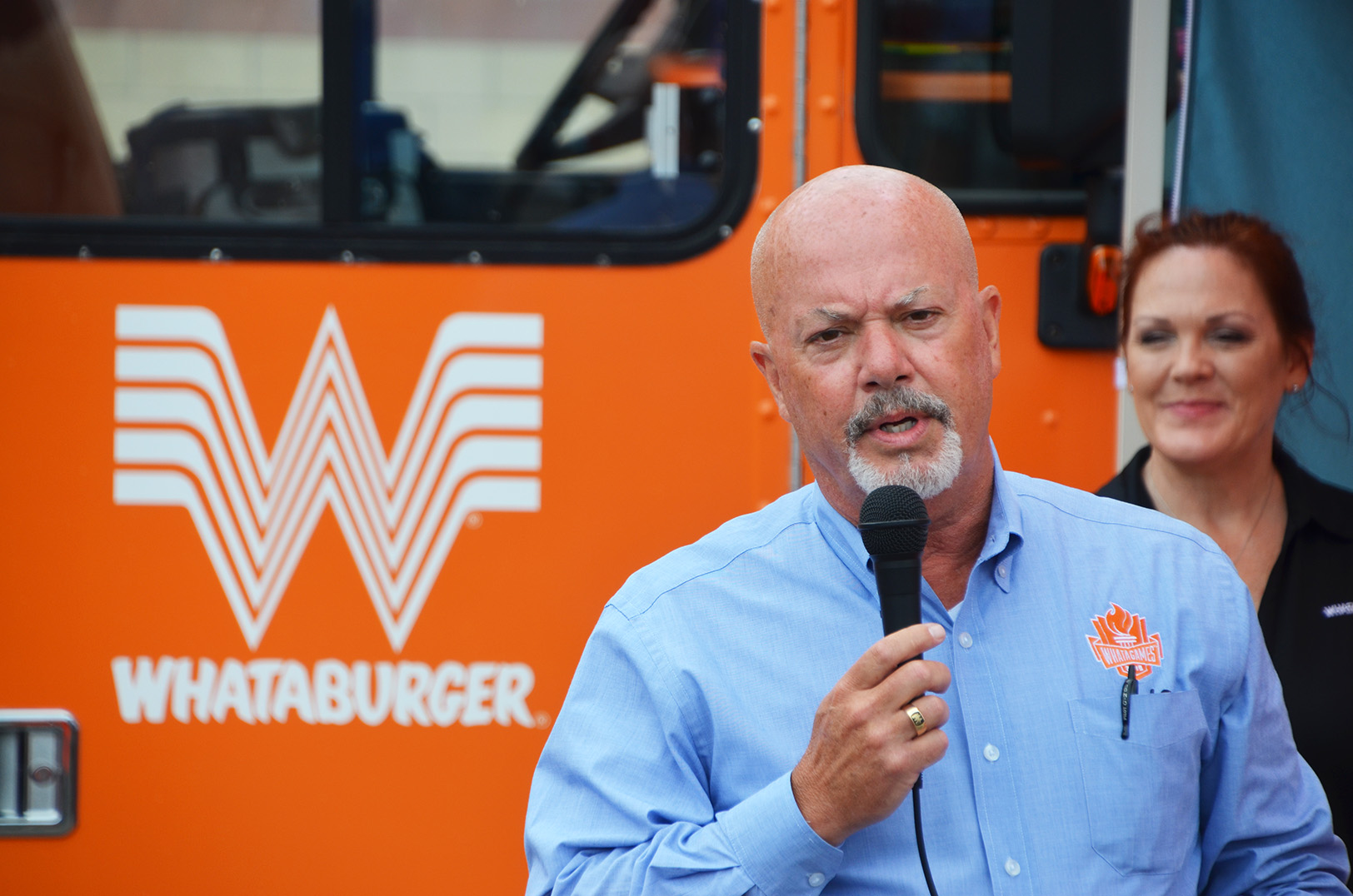
Scott Phillips, Whataburger
Company and city officials on Thursday emphasized a local hunger for both the 70-year-old brand and the 700 jobs it plans to add across its first four metro locations — notably in Blue Springs where a crowd gathered this week to get their first taste of Whataburger at a groundbreaking event.
“Our leadership teams are in place; 90-plus percent of them are from the market, and the other couple people can’t wait to get here,” Scott Phillips, regional director of operations for Whataburger, told Startland News. “When word got out that a new Whataburger was coming, there was a lot of excitement and we were able to hire a lot of great people.”
Blue Springs was one of the first Kansas City locations to be identified for Whataburger’s debut expansion into Kansas and Missouri, company officials said, noting the decision to enter the market was driven by fans’ appetites and strategic alignment with Kansas City’s “hometown” feel.
“We had been eyeing the Kansas City area for several years before announcing our arrival,” Phillips said. “It’s a vibrant, family-friendly community with a rich culture, and we’ve been investing time in getting to know the city, its leaders and people, and how Whataburger can be a resource to the community.”
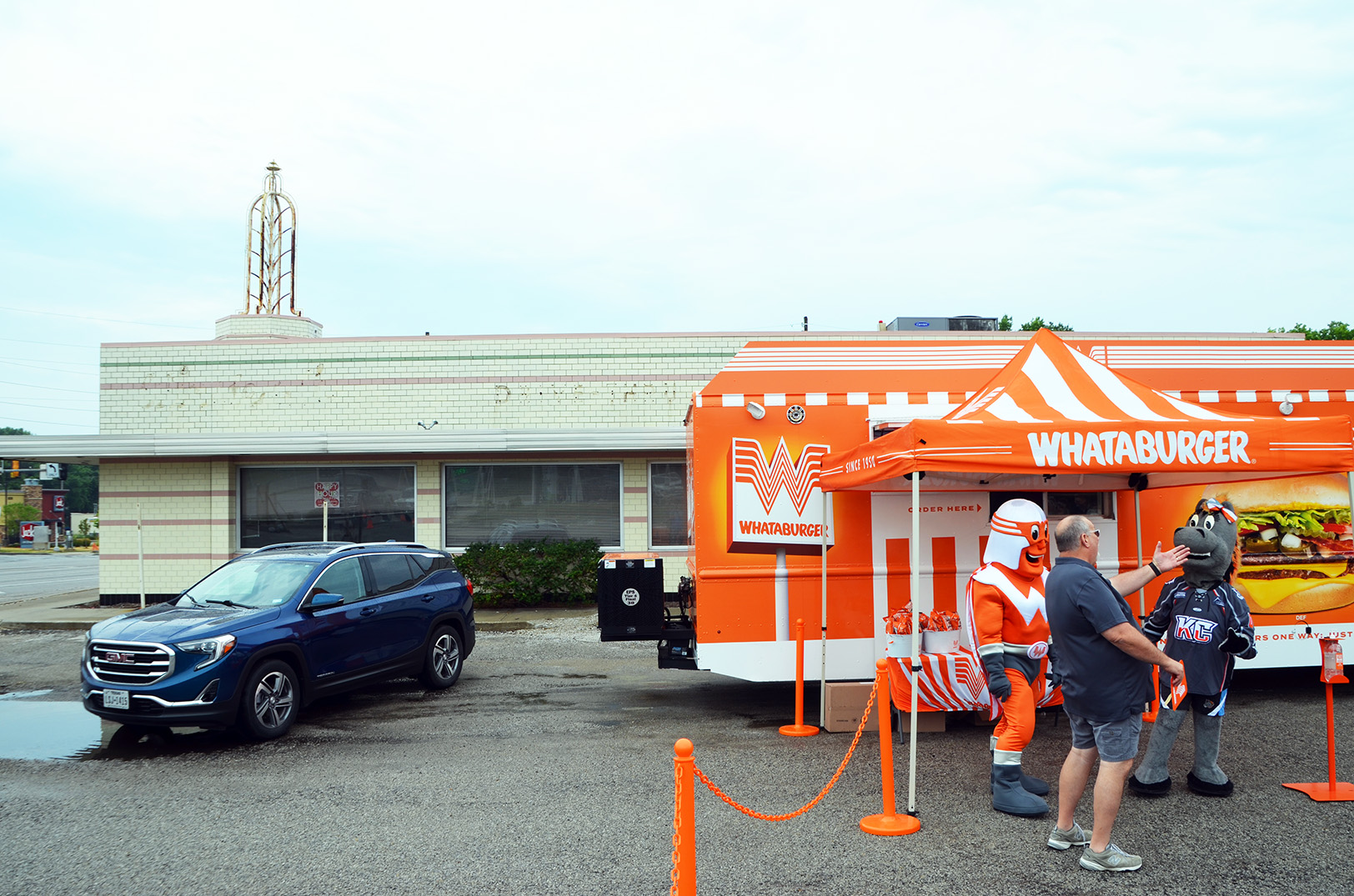
Whataburger groundbreaking in Blue Springs
Carson Ross, Blue Springs mayor, took the first bite of Whataburger’s potential Thursday at the groundbreaking event.
“They could see our city is on the move and on the right track,” Ross told the crowd, gesturing toward heavy traffic zooming past the future Whataburger site — a former Winstead’s restaurant set for demolition — along I-70. “They have the brand; we have the location.”
Whataburger has confirmed four Kansas City-area locations set to open later this year: Blue Springs, Overland Park, Lee’s Summit and Independence. The company refrained from sharing its 2022 expansion plans, which are expected to include a second Overland Park location, according to media reports.
Click here to read more about Whataburger’s debut locations.
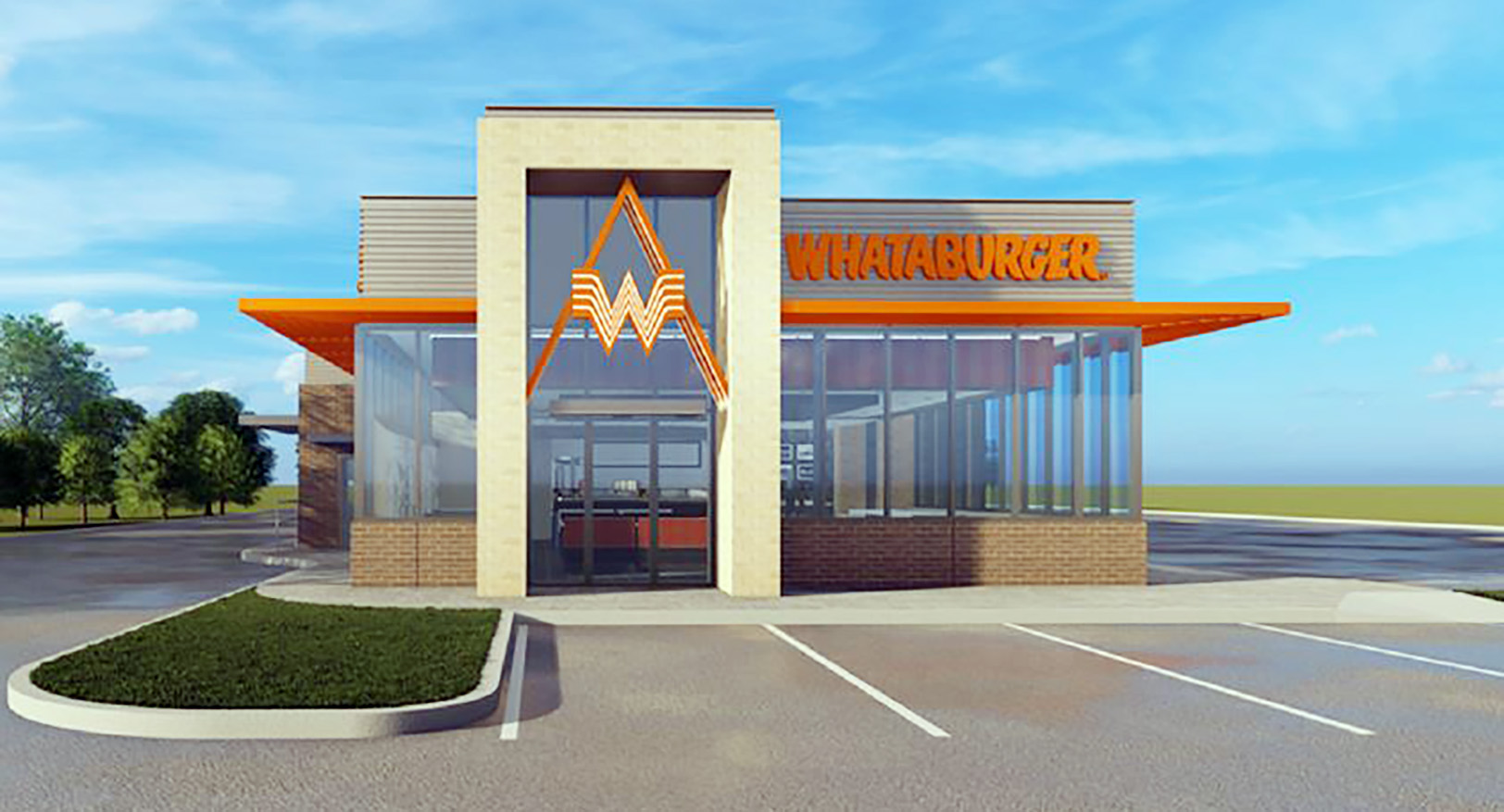
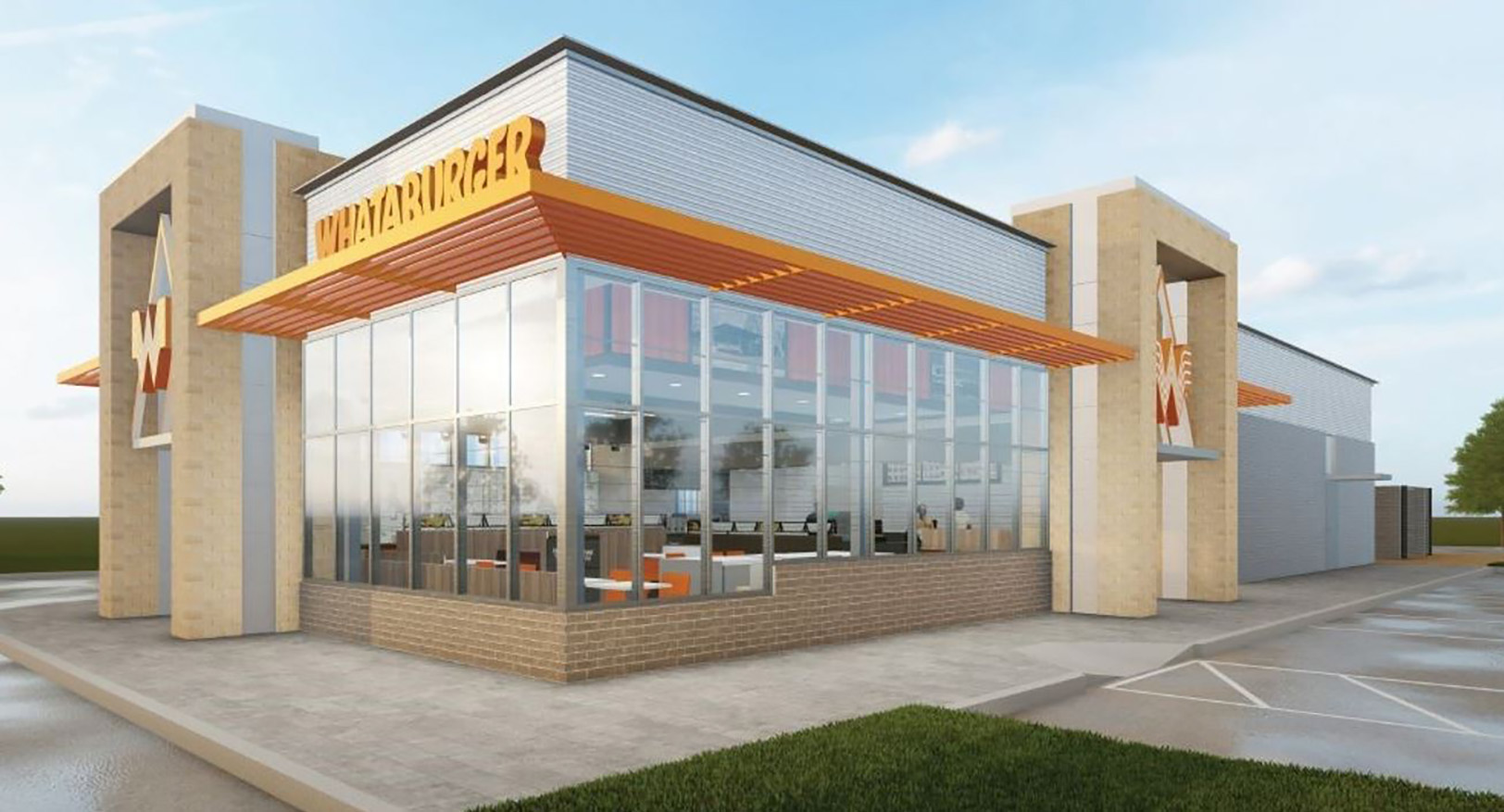
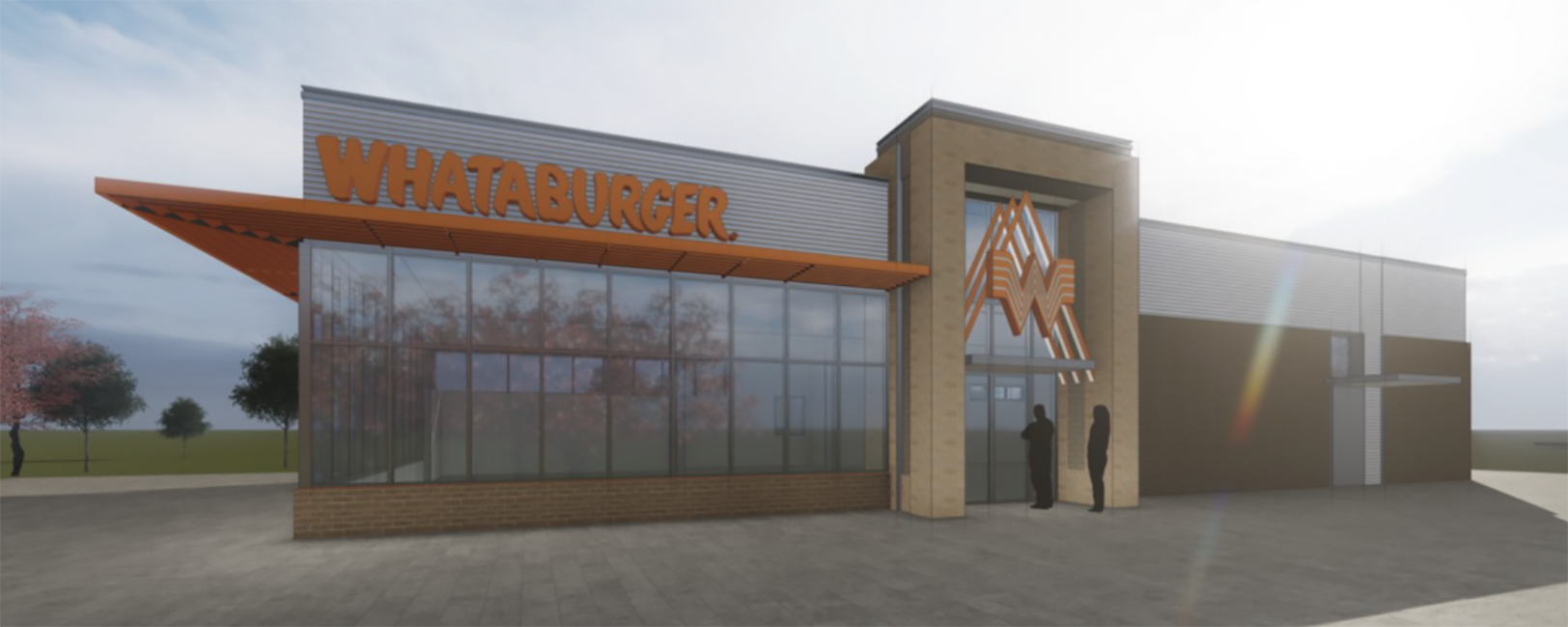

The new-build restaurants — all corporate locations (though Whataburger also operates franchise stores) — are expected to stay true to Whataburger’s unique orange-and-white stripe style, but with an updated modern aesthetic, Phillips said.
“The Whataburger restaurants will feature a new look we’ve been rolling out to better serve our guests, increase our capacity, reduce our environmental footprint and continue to deliver the high-quality food and friendly customer service our customers expect and will learn to expect from us,” he said.
Headquartered in San Antonio, the company has more than 850 locations across 10 states — Arizona, Arkansas, Alabama, Florida, Georgia, Louisiana, Mississippi, New Mexico, Oklahoma and Texas — and about 50,000 employees or “Family Members” company-wide that serve more than 60 million guests annually.
Its restaurants are known for being open 24 hours a day, 365 days a year.

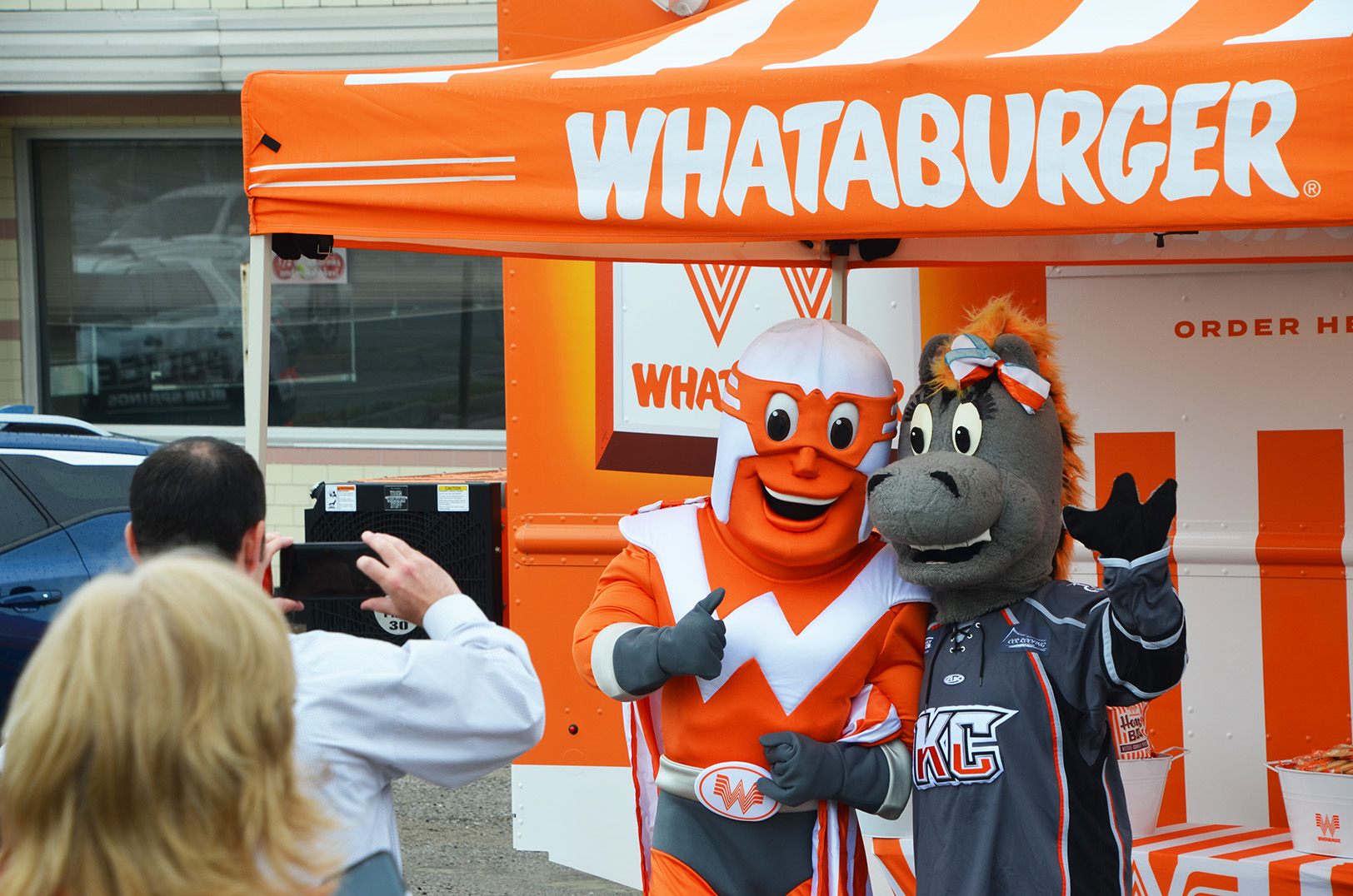
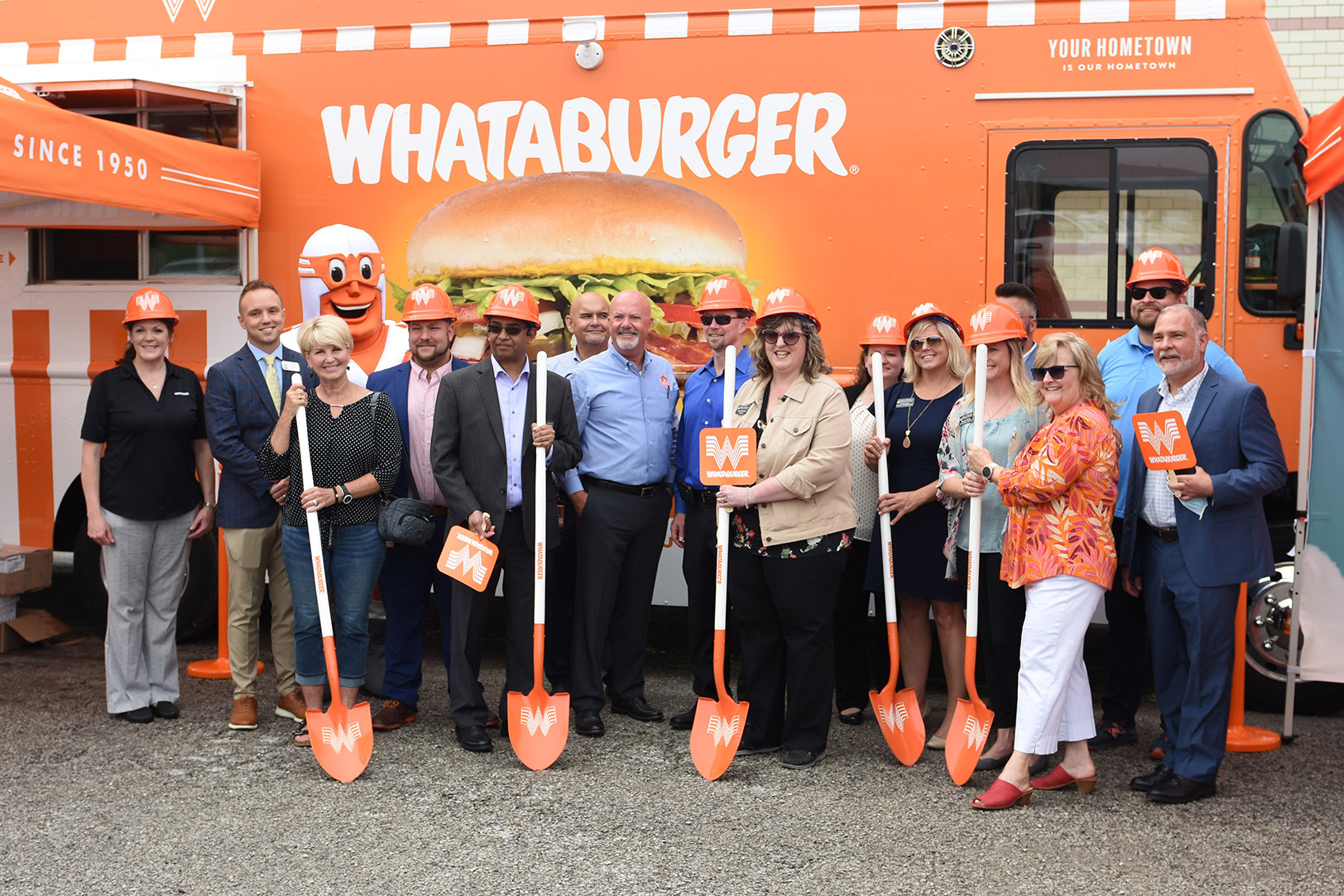
Whataburger and Blue Springs Chamber of Commerce officials
Phillips acknowledged industry-wide challenges related to hiring, but said Whataburger’s efforts to partner with local cities, civic organizations and entities like Metropolitan Community College-Penn Valley Campus and the Kansas City Mavericks — along with a robust career training program — keep the talent pipeline flowing to the restaurant (and jobs that can hit the six figures).
“Employees are automatically placed into our Restaurant Career Development Program, putting them on the path to growth from Day 1,” he said. “… Even without restaurant experience, leaders can succeed at Whataburger with the right attitude and leadership ability.”
Click here to learn more about Whataburger employment opportunities.
Excitement for the legacy brand stems from a number of factors, Phillips said: Whataburger’s customizable, made-to-order burgers; its fan-favorite Fancy Ketchup (beloved by Chiefs quarterback Patrick Mahomes); and pop culture ties to such TV shows as “King of the Hill” and “Friday Night Lights.”
But the real hero of the story is Harmon Dobson, the “adventurous and determined entrepreneur” who founded the world’s first Whataburger Aug. 8, 1950, in Corpus Christi, Texas, he said.
“Whataburger really is the example of what one man with a vision can accomplish; taking a dream and being able to put it into his first building in Corpus Christi is really why we’re here today in Blue Springs,” Phillips said. “It’s because of his entrepreneurial spirit.”


2021 Startups to Watch
stats here
Related Posts on Startland News
Novel Capital teams with Crux KC to offer growth-focused marketing to early-stage tech companies
An exclusive partnership between two Kansas City-based innovators is expected to help remove a traditional financial hurdle to business growth, said Ethan Whitehill, president and chief strategy officer for the KC Chamber-lauded marketing firm Crux KC. The collaboration between Crux and Overland Park-headquartered capital provider Novel Capital is expected to offer B2B SaaS and tech…
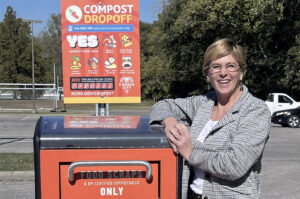
Neighborhood smart cans help Kansas Citians save the planet from their kitchens
Newly introduced composting technology is already turning new ground in Kansas City, Kristan Chamberlain said, with more solar-powered compost cans arriving later this spring across the metro’s urban landscape. Her social venture, KC Can Compost, installed three of the devices in October — free to use for KCMO residents wanting to deposit their soil-making food…

Voodoo Volleyball bounces back in OP: Father-daughter duo doubles as new venture’s setters
Quinn Austin put several sports to the test as a preteen — racing from basketball practice to softball to volleyball. But she latched on to just one. “Volleyball. It was my sport. Everyone was having a good time,” she said. “We just loved the cheers — a cheer when we got a hit, a cheer…

Black farmers are losing ground in the fight to feed their communities, advocates say
More than a century of systemic land dispossession and discriminatory practices has left Black farmers with less than 0.6 percent of U.S. farmland — less than a third of the 16 million acres they operated in 1910, according to local urban farming advocates. They gathered Tuesday at Independence Boulevard Christian Church to confront this history…