

How one law firm’s effort to offer free legal counsel to minority-led enterprises began with passion in KC
March 9, 2021 | Quinncy McNeal
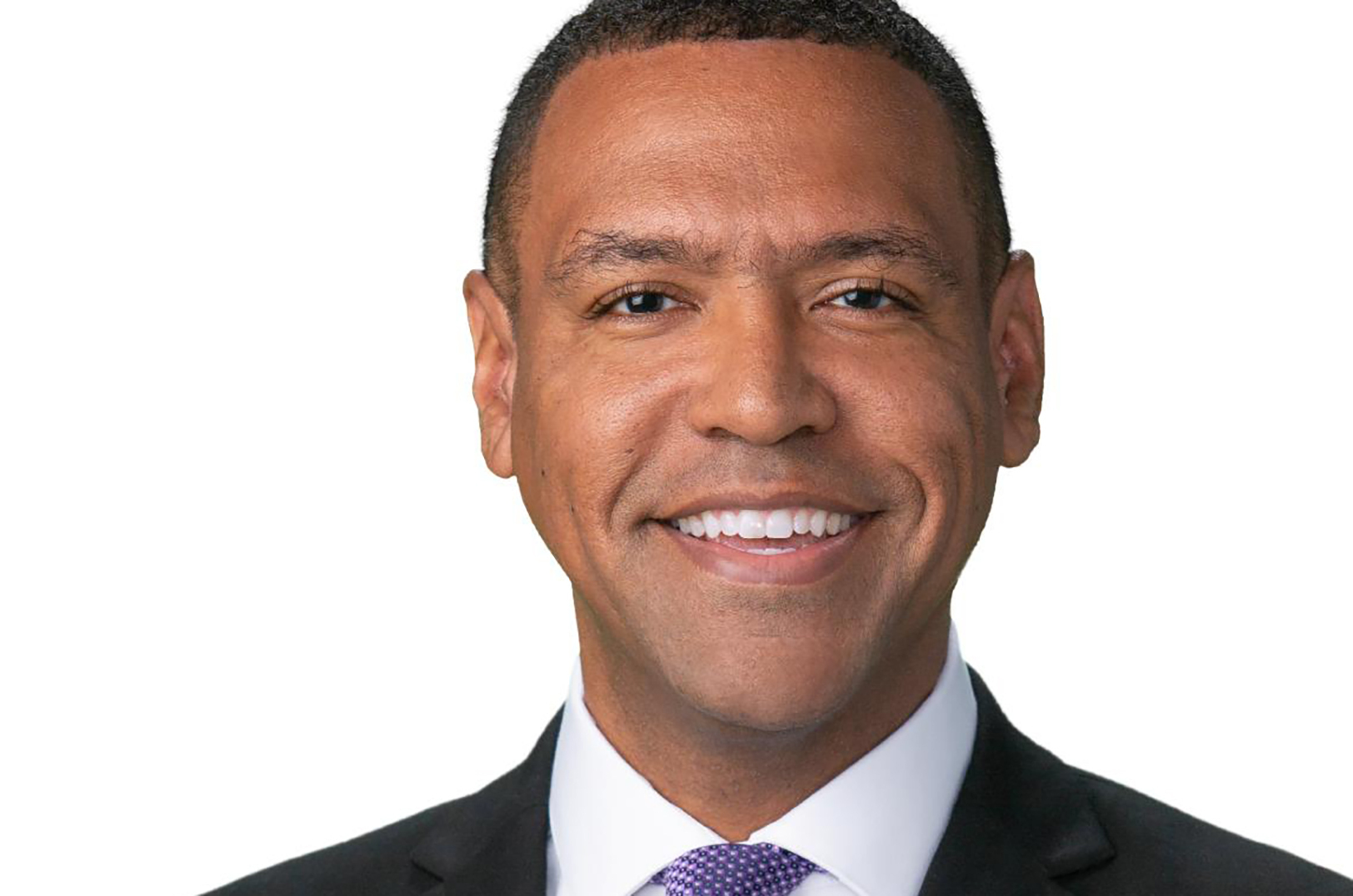
Editor’s note: The following is the first in a two-part series looking at an initiative at one of the city’s largest law firms to provide pro bono legal representation to minority businesses. This piece, sponsored by Husch Blackwell, provides first-person narrative on how the initiative started. The opinions expressed in this commentary are the author’s alone. Quinncy McNeal is pro bono counsel at Husch Blackwell.
Even before the racial tensions of 2020 turned from simmer to boil — with protestors spilling nightly onto the Country Club Plaza — in areas east of Troost Avenue, and in other parts of the city, the top brass at one of Kansas City’s largest law firms were thinking of greater ways to improve the conditions of the minority community.
In fact, the entire firm of more than 700 lawyers was in a full and dynamic discussion by the time of the protests about how it could use its resources to give back to minorities — not only in Kansas City — but everywhere the firm has offices. All 21 offices. Long proud of its ability to mix creativity with innovation to bring solutions for clients, Husch Blackwell sought to do the same for its communities.

Jeff Simon, Husch Blackwell
Here in Kansas City, the managing partner, Jeff Simon — long a staunch advocate of racial justice — was a leader in the talks. He implored legal industry colleagues and well-connected philanthropists and business leaders to do more to understand minority voices. He pulled out one of his most effective and reliable weapons to make the point: his pen, authoring a piece widely circulated in town, declaring that “Mankind is Our Business.”
It encouraged all — especially his white counterparts — to open hearts, minds and ears “to the people and the voices on the street.” Fortunately, he penned, “the business community is beginning to get it.” He listed a number of city business organizations, including non-profits and other groups, that are leading a transformative agenda aimed at lifting minorities into genuine economic opportunity. Simon was not the only one at Husch Blackwell to issue the clarion call. Many others did the same.
Ultimately, Simon’s nod to the business community as a catalyst for change showed the firm’s hand on what it was cooking up. By August, the firm was putting in place its vision: it would create a multi-faceted initiative, at some cost, to support minorities. The crown-jewel of the program, which the firm calls, “Communities for Change,” is an effort to provide free legal support to eligible minority businesses.
In November, after a nationwide search, the firm hired me away from another large law firm to lead the initiative. I am so thrilled to steward this important vision and to begin laying the groundwork for this endeavor. And as we are putting the structural pieces in place to support the program — including an online client intake form intentionally created with simplicity in mind to increase client satisfaction — lawyers here are mindful of why we are doing it.
Our goal is to lift to these businesses and to support them in seeking creative solutions to difficult problems. Our aim is to foster economic success for these ventures, making a difference that compounds over time for everyone connected to the business.
This is important to us because we live and work in these communities. We appreciate that minority businesses give their owners and employees the resources to excel and to address historic racial and economic disparities. We think it is vital that we follow suit by giving back with our own principal resource: our legal expertise. We hope to empower not only the entities and their owners but also the individuals they employ.
The firm already has clients enlisted under the initiative and plans to add scores more as the program gains traction in all of its markets. While we cannot guarantee that we will be able to represent a particular entity or provide certain legal services to an entity, we hope to meet emerging entrepreneurs, determine if there is a match between our expertise and their needs and see if we can create a “ripple effect” in helping a business that ultimately hires, promotes and helps the lives of its employees.
Quinncy McNeal is a pro bono attorney in Husch Blackwell’s Houston office.


2021 Startups to Watch
stats here
Related Posts on Startland News

Crowdfunding law has changed, here’s what you need to know
Editors note: This piece was originally published Jan. 7, 2016. The Securities and Exchange Commission’s expanded rules for equity crowdfunding went into effect May 16. This past October, the SEC unveiled its final equity crowdfunding regulations set to take effect May 16. For the first time in the U.S., entrepreneurs will be able to…

Settle up with Uncle Sam early (and other tax tips for startups)
Whether it’s your first year of startup life or your twentieth, it’s a great feeling to wrap up the year on December 31 and see just how far you’ve come. January starts off full of promise, and then you remember: You still need to settle up with Uncle Sam. To help put the final ribbon…

The WTF Series: Augmented Reality
On a daily basis, Ben Kittrell translates the jargon-filled world of technology for clients of his tech consultancy. The Words that Frustrate (WTF) series aims to offer readers some clarity in an industry dominated by techies’ confusing argot. Thanks to the Oculus Rift device, you probably heard last year’s buzz on virtual reality. The device,…

Deacon: Kansas City evolving into a digital laboratory
Cities have become veritable technology ecosystems where data is amassed from almost everything, from air quality and rainfall patterns to traffic flow and the availability of parking spaces. As we become more familiar with the all-encompassing term “smart city,” we can begin to experiment with the futuristic-but-practical applications for all this data, creating the concept of…