

Why Husch Blackwell’s free legal counsel to minority-led small businesses could create a ‘ripple effect’ in KC and beyond
March 22, 2021 | Quinncy McNeal
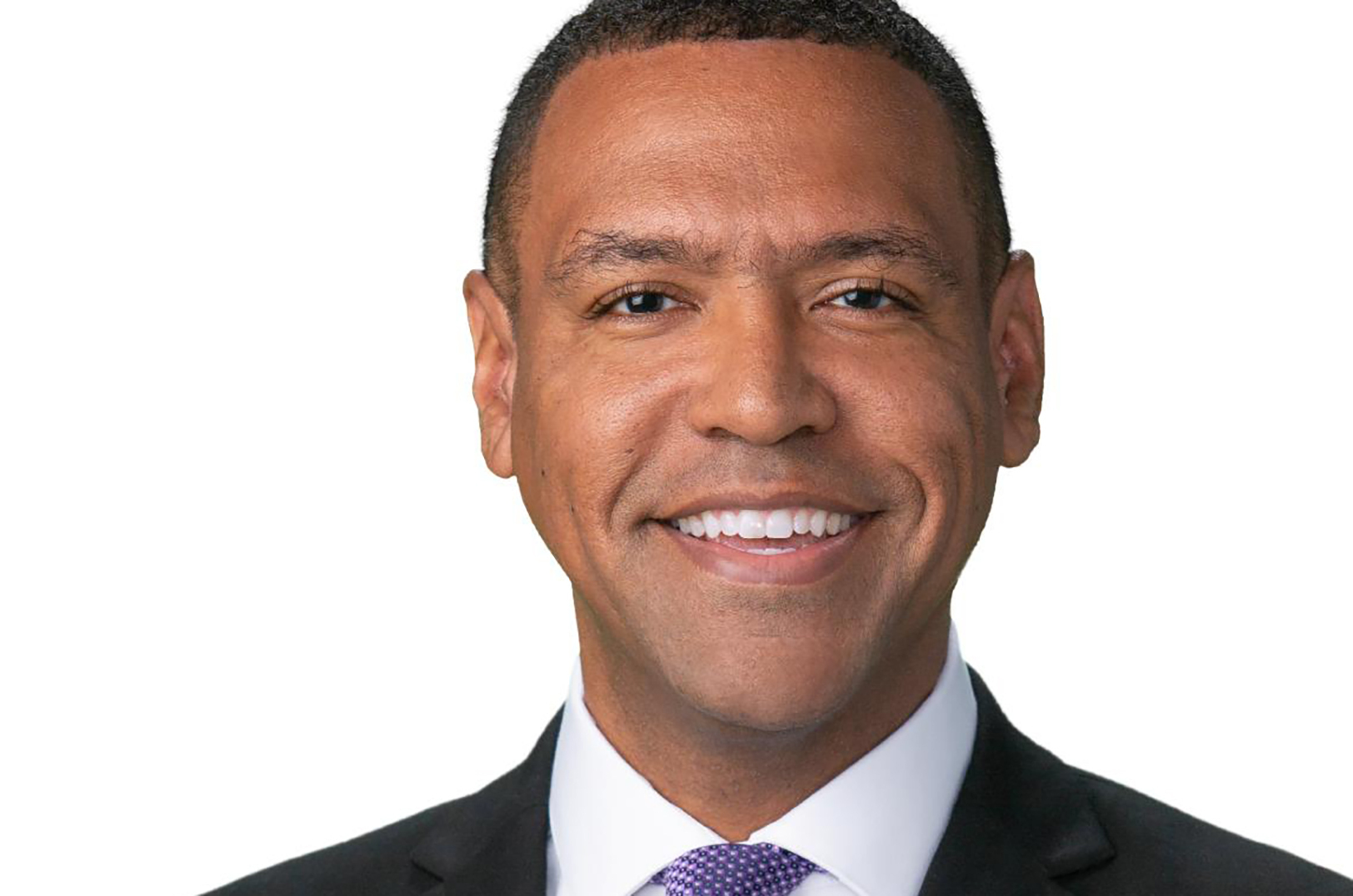
Editor’s note: The following commentary, sponsored by Husch Blackwell, is the second in a two-part series looking at an initiative at one of the city’s largest law firms to provide pro bono legal representation to minority businesses. The opinions expressed in this commentary are the author’s alone. Quinncy McNeal is pro bono counsel at Husch Blackwell and leads its Communities of Change effort.
Almost a year after lawyers at Husch Blackwell began brainstorming ways to help communities of color, we have begun to do so the way we only know how: with the law.
As part of our “Communities for Change” initiative, we are aggressively seeking out small minority businesses to provide the legal support they might not have access to as they transform from a mere founder’s idea to an emerging enterprise.
Husch Blackwell is aligned by industry for one purpose: to lead our clients from where they are to where they want to be. This is especially true with this new initiative focused on supporting these businesses. In our own communities, we are building relationships with these businesses by talking and listening to them, and by visiting their virtual storefronts.
Across our national footprint, we are partnering with organizations that have long-advocated for the economic empowerment of these minority-owned small businesses. As I lead this effort, I hope we gain the trust of these entrepreneurs not with promises, but with excellent legal services that help take a company already poised for success to a new place in its development and growth.
But not just any company.
We are looking for owners who are visionaries. We are searching for the business-minded who have honed a business plan and have given long and hard thought to accomplishing its objectives. We are looking for those who want to help not only the enterprise itself, but everyone connected to it, including its owners, employees and the community members who frequent it.
This is what we call the “ripple effect,” and it’s the chief reason this endeavor is so endearing.
We are also looking to help increase the value the company is already providing to its neighbors and neighborhoods through our legal efforts. Our absolute requirements for the initiative are pretty limited: only that you must be a minority-owned entity, meeting your financial obligations as they come due and able to demonstrate inability to pay for legal services to qualify. Naturally, we are limited by issues such as potential conflicts and capacity (so not even the neediest or best matches will always get a “yes,” but everyone will receive consideration).
What do we offer? A range of corporate-building and -protecting services.
- Assist in forming or converting an entity into the appropriate corporate structure;
- Provide counsel on an entity’s governing documents and advice about what they mean and why they are important;
- Help access capital, whether through loans, federal emergency relief or other government programs;
- Aid in certifying the entity as a minority-owned business to broaden its pathway to greater public and private contract work;
- Help with the contracts the business enters into with other parties to make sure they are in the entity’s best interest;
- Assist with employment law needs or intellectual property protection; and
- Help the company negotiate its lease or other agreements that it has with another party or to help settle a dispute.
These are all ways to build and protect the company — decreasing its exposure and liability and increasing the chances that it will thrive.
From what we can tell, not many other law firms are doing this. We hope that changes.
There is such an important need in our communities and such an incredible opportunity to provide value that we hope other firms join in. Although any new program will have growing pains, and we have experienced our own, the potential to do such good is undeniable.
We call on other firms in the region to consider doing something similar, as their capacity and abilities allow them to. We call on banking institutions, marketing firms, accountants and majority-owned businesses to lend some of their expertise to these businesses as well.
Ultimately, we hope to surround the small minority business (for far too long accustomed to having to make it on its own), with top-notch professional advisory support at every angle to help them reach the top of the mountain.
And why not?
For decades these businesses have been the best chance for many in the minority community to reverse the disparities they face — the businesses hire, promote and advance minorities to new levels. We hope to strengthen that. We hope to create a ripple effect.
Click here to learn more about the Communities for Change initiative.
Quinncy McNeal is a pro bono attorney in Husch Blackwell’s Houston office. If you would like more information on the Communities for Change program, email him at quinncy.mcneal@huschblackwell.com or call (713) 525-6253.


2021 Startups to Watch
stats here
Related Posts on Startland News

Blake Miller: Missouri should scrap its ‘Show Me’ slogan
Editor’s note: The following piece was inspired by recent news that Acre Designs, a startup that launched in Kansas City, will be relocating to San Francisco after facing a tepid, area investor market. Cue the somber violin music. Another sad, all-too-familiar Kansas City story recently played out with news that Acre Designs will be leaving the…

Byrd: How the Silicon Prairie can avoid Silicon Valley’s diversity issues
When Google and Intel first released their employment statistics in 2014, the topic of diversity was nowhere as elevated as it is today in corporate circles. Silicon Valley and its many companies from large tech giants down to startups are under the diversity and inclusion microscope. Why all of the emphasis on diversity? Demographically our…

Dickson: Kansas City’s ‘show me’ mentality is stagnating its startups
Editor’s note: Net-zero home-building startup Acre Designs, which found its start in Kansas City, recently entered the world’s best business accelerator program: Y Combinator. After facing a tepid investor market in Kansas City, the company will be staying in the San Francisco area after the program’s conclusion. Kansas City fosters an enviable work ethic, steady…

The WTF series: 6 common computing languages
On a daily basis, Ben Kittrell translates the jargon-filled world of technology for clients of his tech consultancy. The Words that Frustrate (WTF) series aims to offer readers some clarity in an industry dominated by techies’ confusing argot. If you want to see a bloodbath, lock a .NET and a Java programmer in the…