

How challenging norms could be Black founders’ key to overcoming lingering funding gap
January 5, 2021 | Channa Steinmetz
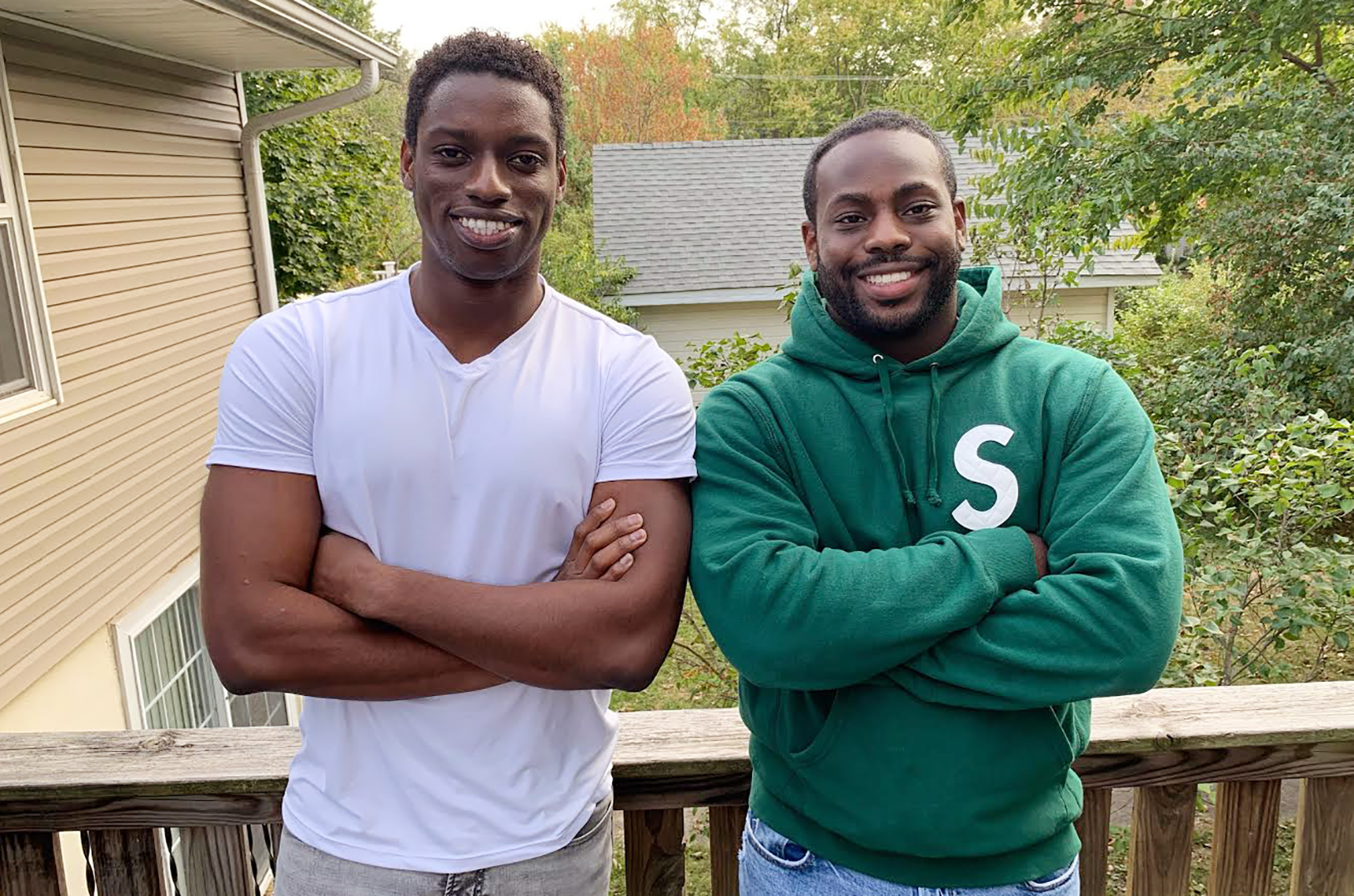
When authenticity and startup culture collide, Black founders and entrepreneurs of color often don’t see the same opportunities as their white counterparts, said Daniel Smith, contributing to a gap in funding that splits along racial lines.
“I talk a certain way; I have different mannerisms; I like to dress a certain kind of way — it might not be popular in the traditional entrepreneurial space,” said Smith, co-founder of The Porter House KC, a coworking community concept that provides entrepreneurship access and resources to underserved Kansas City populations. “But if I don’t challenge those norms, then those norms don’t change.”
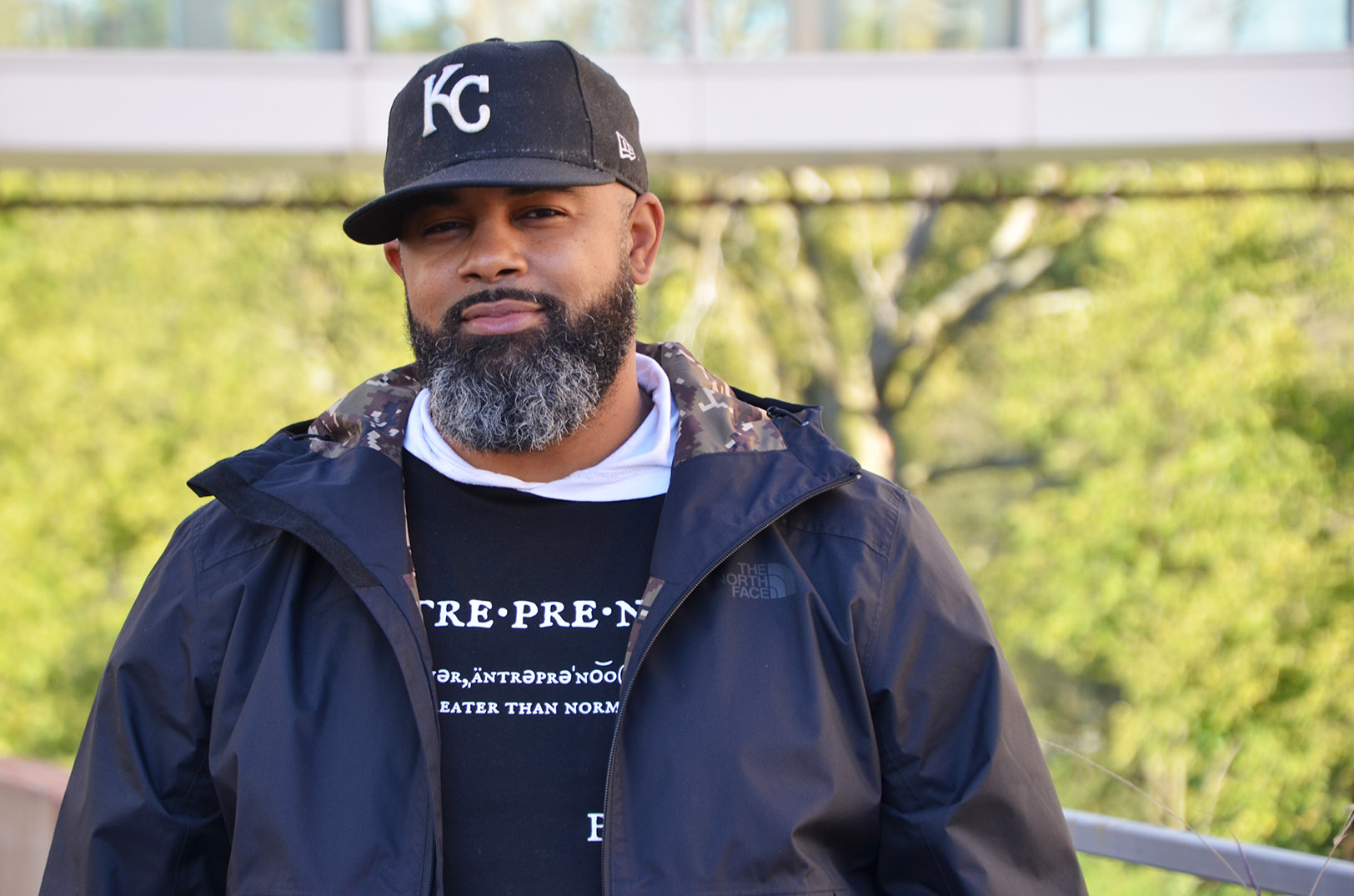
Daniel Smith, the Porter House KC
Summer 2020 brought a wave of social protests in the wake of George Floyd’s death at the hands of Minneapolis police. Individuals and major corporations alike were charged with educating themselves on matters of race and encouraged to support Black-owned businesses.
Google created a $5 million fund for Black founders; Foursquare offered its services at no cost for early Black-led businesses; and numerous other corporations donated money to combat racial injustice.
“Hopefully with this new surge of entrepreneurs who are out there, we’re changing those norms,” Smith continued. “We may be forcing other folks to get uncomfortable and learn about different cultures, but it will get them outside of their comfort zone. The goal is to break down barriers, so I, and others, am accepted for who I am.”
But overall, Black and Latinx founders appear to have made little progress in securing venture capital funding in 2020 — representing just 2.6 percent of venture funding in 2020 as of Aug. 31, 2020, and 2.4 percent of total venture capital raised since 2015, according to a 2020 Diversity Spotlight Report by Crunchbase. (Between the two minority groups, Latinx founders received the majority of total funding at 65 percent.)
Why? Black founders across Kansas City identified recurring themes.
Over-mentored, underfunded
In September through The Porter House, Smith and his co-founder Charon Thompson invited a panel of Black entrepreneurs to share challenges specific to their experience of being Black in the tech space, as well as strategies for overcoming those obstacles, Smith said.
“One thing we really narrowed in on was mentorship versus investors,” said Smith. “There are a lot of people who wanted to invest in mentorship more than they wanted to invest their money into a lot of these guys.”
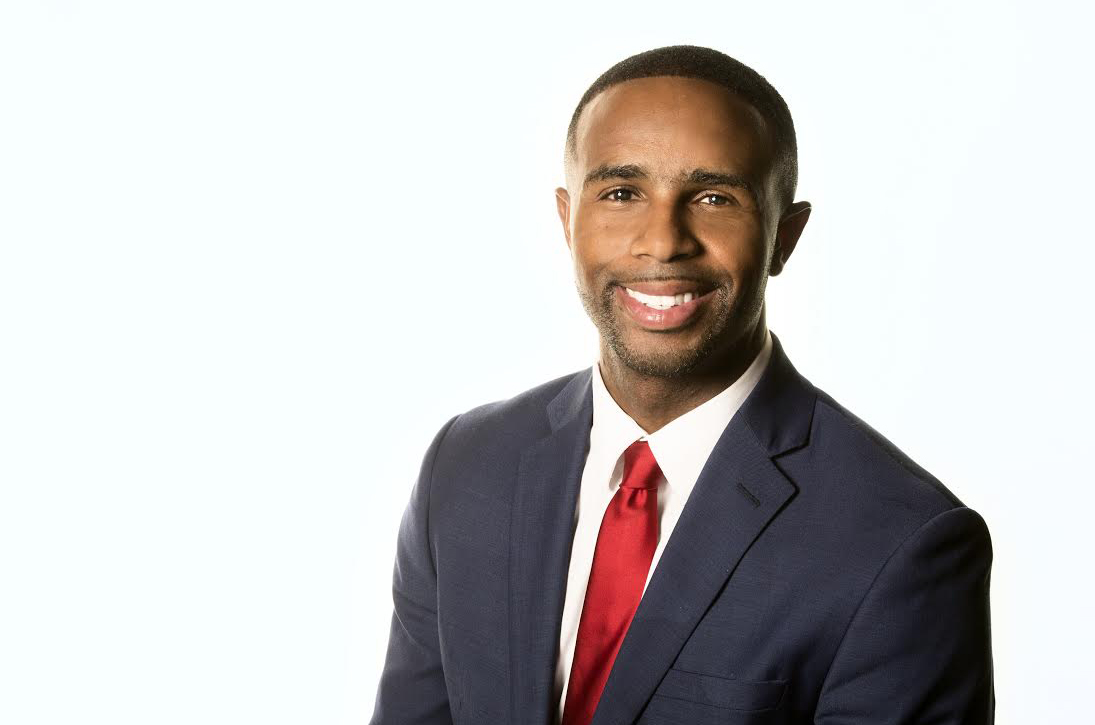
Kwinton Scarbrough, PawconX
It’s a sentiment Kwinton Scarbrough, who founded PawconX — an app that connects dog owners — has experienced firsthand, he said.
“But I also acknowledge that I have not made enough leeway in the game to be investable,” Scarbrough continued — noting that both working full-time and needing funds to advance development are current barriers. “It’s hard to make that leeway when a lot of people are saying, ‘Hey, this is such a good idea, but we want to see you do this,’ and in order to do that, I need additional assistance other than mentorship.”
Click here to read more about PawConX’s 2019 launch.
Sacrificing a great deal of time, finances and work should be expected for any entrepreneur, both Scarbrough and Smith noted. But to discover new solutions that make the entrepreneurial ecosystem more diverse, it’s necessary to dissolve certain barriers that contribute to a gap in access, Smith added.
“What I mean by lack of access is not just talking about the white-Black barrier,” Smith explained. “But there’s also access to transportation — some entrepreneurs don’t necessarily have cars — a lack of access as it relates to time — a lot of entrepreneurs are also 9-to-5 individuals.”
And access to money isn’t always about securing capital investments, Smith said, noting business classes and programs can be costly factors.
“Access to opportunity is a big one,” he continued. “A lot of entrepreneurs don’t get a chance to fail and try again. That’s a huge reason we created [The Porter House KC] because we want entrepreneurs to be able to fail with us. Then, they’re able to grow and not feel like if they fail, then that’s it.”
Benefits to entrepreneurs of color
Zerryn Gines has seen the stresses and strains of being a first-time entrepreneur — along with unexpected blessings of 2020, he shared.

“The initiatives to empower Black founders have been super helpful,” said Gines, who co-founded Peep Connect with Valentine Osakwe in January 2020. “We were able to get Foursquare for free and integrate their technologies into our application.”
Peep Connect is a mobile app designed to connect communities to their local businesses, the senior at University of Northwest Missouri State University said. It’s currently in beta testing with businesses in Maryville, Missouri.
“What we’re wanting to do is create a place for these business owners to be able to communicate with the consumers,” Gines explained, noting that businesses can use tools to share behind-the-scenes information such as whether they are minority-owned and aspects that make them unique.
“On the consumer side, it’s more than a list of these businesses and where they’re located,” he continued. “Being able to connect and have a business-and-customer relationship is so important, especially now [during the pandemic].”
Although Gines admitted that he feels underestimated at times — especially being new to the Kansas City startup scene and needing to build credibility, he said — social media has provided a networking equalizer of sorts.
“Most of the investor meetings that I’ve gotten have been from Twitter,” Gines noted. “I’ve grown my network from Twitter and have been able to meet people all over the world.”
Peep Connect is now $200,000 into a pre-seed round, hoping to close $800,000 by spring 2021.
Lack of funding for women
Women of color in the entrepreneurial world are typically overlooked, said Ashley Rudd, co-founder of Brown Sugar Collective.
“[We] are often not considered experts in the field,” co-founder Xavier Campbell added. “By not being considered experts, people don’t look to us for the work they may need.”
Ashley Rudd and Xavier Campbell, Brown Sugar Collective
Click here to read more about Brown Sugar Collective.
Crunchbase found that Black- and Latinx-run startups are more likely to be led by women than companies helmed by white leaders (39 percent women of color compared to 21 percent of all firms). Still, only 4 percent of venture capital went to women-led startups, according to the data.
Brown Sugar Collective is a women’s organization focused on the representation and growth of women-led businesses, Rudd said.
“Our big thing is to build a space for women-of-color entrepreneurs to collaborate with each other, use each other as mentors and to have someone to call if they need help with something,” she said. “We want to be that resource.”
Click here to read more about challenges facing women and minority-led entrepreneurs seeking venture capital.
Watch a video below featuring a community conversation on Black Women in Tech, then keep reading. Panelists for the 2020 Global Entrepreneurship Week event included Shelley Cooper, co-founder of SureShow; Carlanda McKinney, founder of Bodify; Jannae Gammage, CEO of The Market Base; and Tammy Buckner, founder of Techquity Digital.
Controlling the narrative
To succeed, the community — whether that means co-founders, other entrepreneurs, mentors or the media — must work together, Smith said.
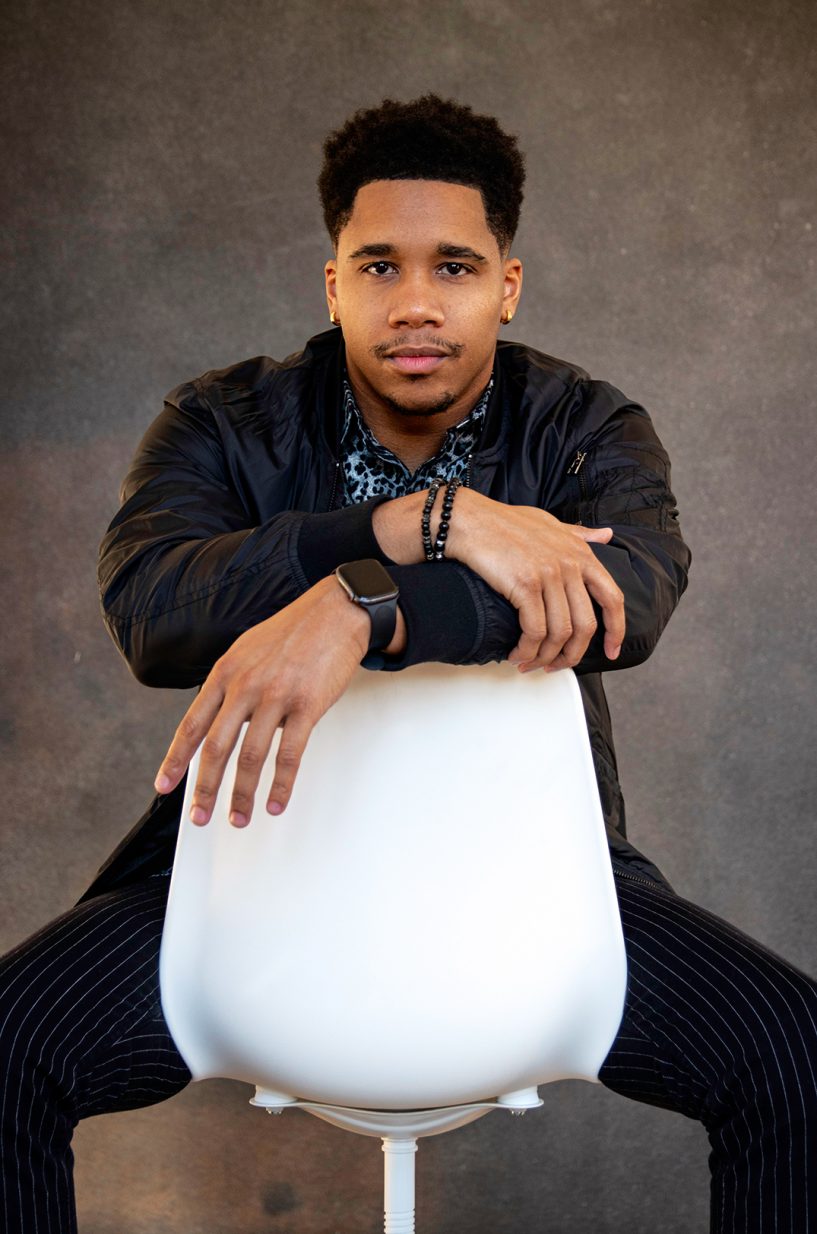
Joshua Lewis, UpDown Nightlife
“When we first started [The Porter House KC], I was that guy who was like, ‘We don’t need anybody. We can figure this out ourselves,’” he recalled. “But I quickly found out that relationships and partnerships matter way more than I thought they did.”
A big part of Smith’s initial apprehension: classic imposter syndrome.
“I had to get outside of my comfort zone and live through fear — not in it,” Smith shared. “There were a lot of instances where I was afraid to open my mouth and be judged. I was afraid of saying the wrong things. I was afraid of all of that stuff … But we gotta break past that in order to get to the beautiful stuff on the other side.”
Along with connections within the entrepreneurial community, Scarbrough advised founders to step outside the bubble too.
“One of the biggest things I would tell an entrepreneur is to talk about your business as much as possible,” Scarbrough said. “The more you talk about it, the more you will iron out the gaps and flaws in how you explain it. Ask people how they understand your explanation, so that you can craft it to be as clear as possible for the next person.”
For Joshua Lewis, the founder of UpDown Nightlife, it’s all about defining your own story.
“I had to build a strong brand for myself and my company through blogs, advertisements [and] on social media,” Lewis explained. “Because then when I get in front of investors, I have built that respect and have something to show.”
Click here to read more about UpDown Nightlife’s relaunch and 500k funding round.
As a way to build his personal narrative, Lewis looks to his culture, he said.
“At the end of the day, people enjoy what Black people do; they love to watch our talents from entertainment to sports,” Lewis noted. “With eyes being on us, we have to find ways for people to see what we want them to see, right? That’s where controlling the narrative comes to play.”

This story is possible thanks to support from the Ewing Marion Kauffman Foundation, a private, nonpartisan foundation that works together with communities in education and entrepreneurship to create uncommon solutions and empower people to shape their futures and be successful.
For more information, visit www.kauffman.org and connect at www.twitter.com/kauffmanfdn and www.facebook.com/kauffmanfdn

Featured Business

2021 Startups to Watch
stats here
Related Posts on Startland News

Startup Crawl returning Oct 5 for First Friday with festival-style entertainment, innovation
Editor’s note: Startup Crawl and Startland News are both programs of the Kansas City Startup Foundation, though the content below was produced independently by Startland. Startup Crawl has a carnival feel to it, said Lauren Conaway, noting the returning event is positioned to help startups collide with people who wouldn’t typically encounter the early-stage businesses.…
MECA students to Goodwill: Everyone has a mission now — what else are you selling?
Editor’s note: MECA Challenge and Startland News are both programs of the Kansas City Startup Foundation, though the content below was produced independently by Startland. For more information on the relationship, click here. Goodwill must innovate and change with the times if it’s going to survive after 125 years in business, said Ed Lada. “The…

Prestio drives users to auto dealerships without traditional car buying pain points
Gone are the days of traditional car buying for Ben Anderson, the first customer of Kansas City-based startup Prestio. Anderson, an accounting professional at CBIZ, had grown deeply frustrated by auto dealerships, he said. In fall 2017, he turned to Prestio –– a first-of-its-kind software-as-a-service platform that allows customers to buy, trade, and finance vehicle purchases…

Crema co-founder details expansion experiment at Thinking Bigger breakfast
Crema’s work is all about proximity, said George Brooks, seeking to clarify potential misperceptions about the digital product agency’s foray into markets outside Kansas City. “We’ve been running an experiment,” the Crema co-founder told a crowd at Thinking Bigger Business Media’s recent Big Breakfast. “We’re from Kansas City, but probably 80 percent of our clients…