

‘Our kids aren’t lost,’ KC educator says, urging innovative strategies amid virtual learning concerns
December 3, 2020 | Channa Steinmetz
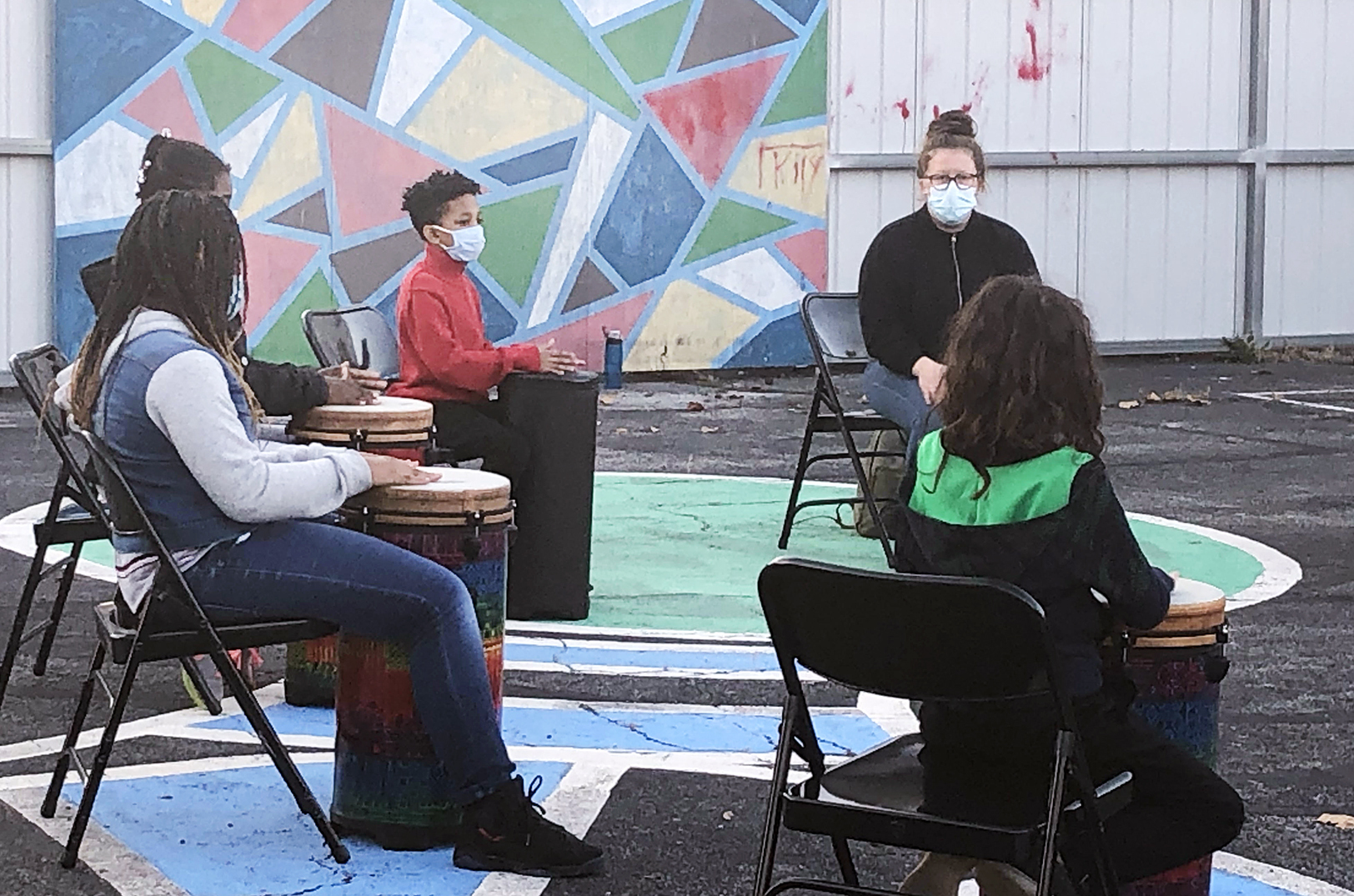
With heightened worries across the nation about the potential for virtual or remote learning to cause a “lost generation” among young students, Jon Hile urged Kansas City parents and the education community to shift their focus to the growing resilience and innovation already being seen across the metro.
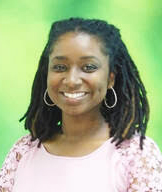
Christle Reed, Citizens of the World
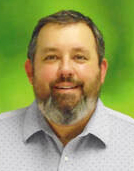
Jon Hile, Citizens of the World
“People raise several very valid and important concerns,” said Hile, executive director of Citizens of the World, a pre-K through 8th grade charter school in Kansas City’s Midtown. “But concern is not enough. We have to be thinking strategically about how we can best serve these students and what steps we need to take to make that happen.”
Citizens of the World has been fully remote since March because of the ongoing COVID-19 pandemic, he said, highlighting professional experience that contrasts with pessimistic narratives surrounding online learning.
Click here to read a Kansas City Star article, “A lost generation? Educators and students worry online classes leave too many behind,” that prompted Hile and a colleague to speak out about his faith in Kansas City’s innovative education assets.
“Right now is not the time to add more anxiety and fear into the community — we are all aware of what is happening,” said Christle Reed, who serves as the director of recruitment and communications for Citizens of the World. “Right now is about coming together to figure out solutions.”
The duo commended teachers across the metro for being at the forefront of problem solving as the entire education system navigates virtual learning — often with classrooms influx and even the immediate future uncertain for their students.
“The most inspiring part of this experience is seeing how teachers have risen to the challenge,” Hile said, turning specifically to educators at Citizens of the World. “I’ve watched our teachers and administrators build a completely new platform so that we could continue to educate our kids. They are unquestionably the heroes in this story.”
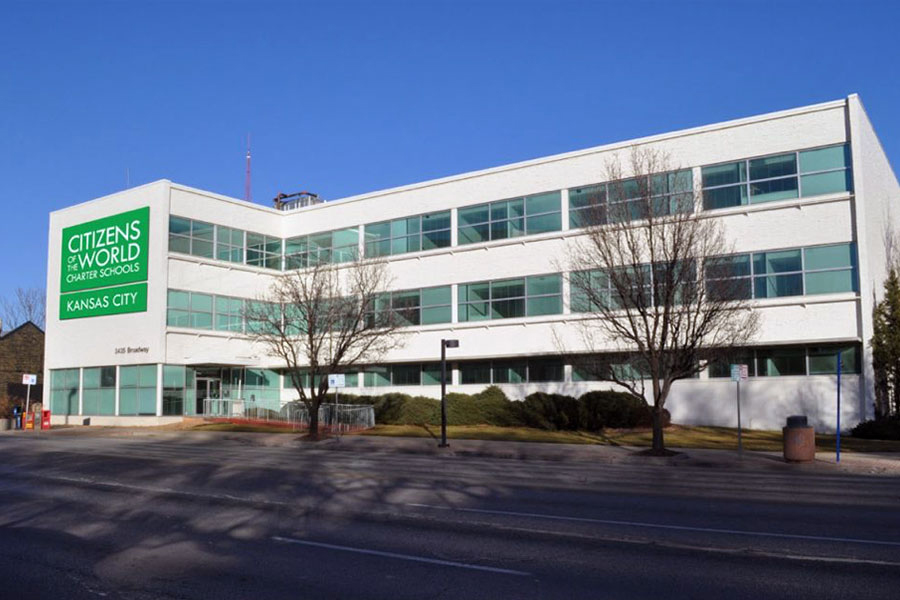
Citizens of the World, 3435 Broadway Blvd.,
Kansas City
Reed — who started at the charter school in June and has not yet entered the building because of COVID-19 restrictions — added that along with teaching, educators have continued to build community during a time when it is easy to feel disconnected.
“Previously in the school building, they would host a ‘Friday Morning Sing,’ which was an assembly where the students could sing together and recognize one another for their accomplishments,” Reed noted, as an example. “It is wonderful to see the school take that to a virtual environment, and it is just as exciting for the kids.”
“We see parents tag us on Instagram with pictures of them watching the Friday Morning Sing,” she continued. “It’s a beautiful thing to see.”
Click here to learn more about Citizens of the World.
Nonlinear education
A common fear of students, educators and parents: falling behind.
Not fully learning division in fourth grade, for example, could affect later years of algebra. But what if education communities are encouraged to rethink previously-accepted routines, Hile asked.
“I think it is a mistake to view education as a process with some kind of linear endpoint,” he said. “Kids and adults learn their entire lives. When we focus only on these preexisting academic endpoints, we’re missing some of the skills our kids are developing through this process.
“I watch my third grader, and he’s given assignments where he’s going on websites and learning the basics of coding,” Hile continued. “He’s learning how to fail, and he’s learning how to persist. There are several new skills our kids are acquiring during this time.”
“Our kids aren’t lost.”
Citizens of the World aims to allow students to discover what learning process is best for them, Reed said. In the pandemic, the school began hosting “Citizens Connect” where members of the Kansas City community can share their journeys to success with students.
“[The pandemic] has caused us to repackage education,” Reed noted. “I think the ‘everybody does four years of high school and four years of college to be successful,’ is not practical for everyone … Even if we’re at home in front of the computer, we want to make sure we introduce our students to different avenues of success.”
Acknowledging inequity
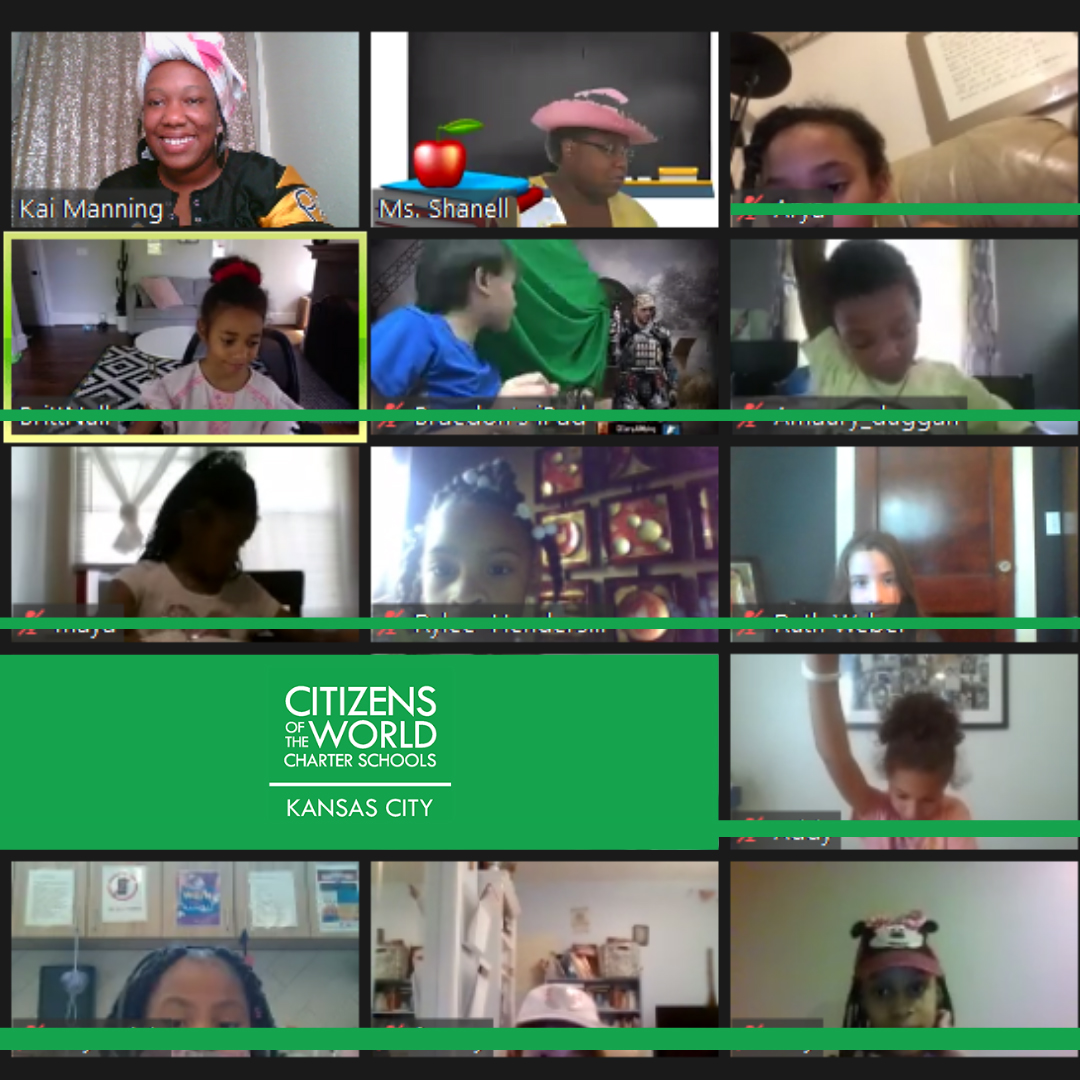
Citizens of the World
For those in the trenches of education, equity is front and center at all times, Hile said, noting disparities in communities have been exposed to an even greater degree during the pandemic.
“It shines an exceptionally bright light on how schools are underfunded from both a state and federal level,” Hile said. “Especially coming out of this, we need more funding to pay for the additional instruction, to pay for the social workers, the counselors — all the resources needed to do what we do.”
Along with funding staff, schools also need money for required equipment, he added. With the city’s digital divide exposing a lack of affordable resources in underserved communities, several schools have provided hotspots and devices for all students. LEANLAB Education led a massive effort in the early weeks of the pandemic to get such tech and connectivity resources into the right hands.
“In the 21st century, we need to have a community that can connect and participate digitally,” Hile said. “I hope this experience will drive more conversations about how we make systemic change in so many areas of the community, even beyond education.”
Giving grace
As parents of children who themselves are adapting virtual learning environments, both Reed and Hile empathize with their fellow moms and dads trying to balance work and home life.
Becoming an impromptu teacher as well as a full-time parent can seem like an impossible task, Hile said. He tries to remind parents that although they might be the eyes and ears of teachers at home, they aren’t expected to fully take on the role of classroom instructor.
Citizens of the World provides a family support forum every month where parents can express their frustrations and bounce ideas off one another.
“Some parents have even created learning pods where one [parent] may take kids on Monday, Wednesday and Friday, and then another [parent] takes them Tuesdays and Thursdays,” Reed shared. “It provides parents to have some downtime and also build community.”
Reed wants her children to do great, regardless of in-person or online learning, she said, acknowledging she can be an overachiever — but it’s important to remember that success looks different right now, and current conditions will not last forever, she said.
“The best thing we can do right now is be a parent,” Hile advised. “That means giving yourself grace; it means giving your child grace; it means understanding that the most important thing that our children need to know during this time is that they feel safe, they feel loved, and they feel supported.”


2020 Startups to Watch
stats here
Related Posts on Startland News

Flint Group’s new strategic partner invests in taking the home services platform national
SEATTLE — A newly announced strategic investment from the global firm General Atlantic is expected to help a home services platform with Kansas City leadership enhance its business offerings and accelerate its growth, ultimately toward scaling the company nationally. Founded in 2019 by industry veterans Collin Hathaway and Trevor Flannigan, Flint Group has quickly expanded…

Biotech startup’s $6.5M Series A expected to cultivate expanded workforce, research capabilities
Ronawk’s Bio-Block Universe has already revolutionized cell and tissue production, Tom Jantsch said, and the recent investment of $6.5 million is set to further research and development. “We have really changed the paradigm of how not only cell culture is done, but how researchers are able to scale. They can go from the bench, all…

J Rieger continues its international push, adding whiskey distribution to northern neighbors
Fresh off its win as the KC Chamber’s top international small business, J. Rieger & Co. announced its expansion into Nova Scotia — a milestone as the Kansas City-based distiller enters the Canadian market. “We are thrilled to bring our range of artisanal spirits to Canada for the first time,” said Ryan Maybee, co-founder of J.…
Mid x Midwest returning in November with renewed vision to connect KC founders, VCs
The pilot Mid x Midwest event in fall 2022 supported the idea that early-stage tech founders and investors are hungry for more conversations post pandemic, Dan Kerr and Maggie Kenefake shared, spurring the return of the invite-only meetup in November. “We both showed up that morning to Hotel Kansas City and we walked into the…