

Entrepreneurs’ intellectual property rights: This is where things get tricky
November 16, 2020 | Chris Brown

Editor’s note: The opinions expressed in this commentary — the first in a four-part series — are the author’s alone. Chris Brown is the founder of Venture Legal where he represents startups, freelancers, and small businesses. This column is intended to be general in detail and does not constitute legal advice.
For many new businesses, the value of their intellectual property will exceed the value of their physical assets. Unfortunately, the laws which protect intellectual property are not always intuitive and are often blurry. In a four-part series for Startland News, we’ll explore what entrepreneurs should know about copyrights, trademarks, trade secrets, and patents. And we’ll start with copyrights.
What is a copyright?
Copyrights protect creative works, from art and music to business documents, computer software and more. It’s important to note that you can’t copyright an idea, but only your original expression of the idea. You may think of a food delivery app, but that’s just an idea. The expression of the idea would be the specific screen layouts, content, and user flow of the app itself. That expression is the component you can protect using copyright.
How do you obtain a copyright?
Copyrights spring to life as soon as an original work is reduced to a tangible medium (for example, in writing, an audio recording, or something similar). Although registration with the Copyright Office is encouraged, it isn’t strictly required. Of course, it is often best to register your works, and many entrepreneurs can do this on their own using the Copyright Office’s website.
Once you obtain rights, you can prevent others from reproducing, distributing, displaying, performing, or creating derivative works using your original work (we commonly call these the “bundle of rights”).
Who owns the copyright?
This is where things get tricky and entrepreneurs often get it wrong.
The default rule is that the person that creates an original work is the owner of the copyright to that work. However, there are three primary ways someone else might become the owner of the copyright. The first is easy–the owner assigns the copyright (in writing) to someone else. The second is also kind of easy–when an employee creates an original work within the scope of their employment, the employer will own the copyright.
The third is a bit more complicated, and it involves situations when an independent contractor creates an original work. In that case, the work may be (but usually is not) a “work made for hire.” And in either event, it is critical that the contractor and her client come to an agreement on copyright ownership in a written document (usually in a client or contractor agreement).
How long does a copyright last?
Generally speaking, rights under the Copyright Act will last for the life of the creator plus 70 years. There are situations where the length will be different, but it’s often easy to just assume “life plus 70” unless you really need to dig into the fact pattern.
What constitutes copyright infringement?
There are many misconceptions about copyright infringement out there (like the idea that if you change a work by 10 percent you are in the clear … which is not true). The true test is whether someone exercises one of the “bundle of rights” referenced above without authorization from the copyright owner. The “copy” doesn’t even have to be a literal copy. All that is required is that the copy be substantially similar to the original.
At this point, many entrepreneurs claim their use is “fair use” but it is important to note that the fair use defenses under copyright law are pretty narrow and you should never assume a use is fair use without speaking to a lawyer.
What’s next
Next up: We’ll talk about trademarks, and in future installments of this series we’ll cover trade secrets and patents.
Chris Brown is the founder of Venture Legal where he represents startups, freelancers, and small businesses. He also co-founded Contract Canvas, a digital contract platform for freelancers. www.venturelegalkc.com // @CSBCounsel

Featured Business

2020 Startups to Watch
stats here
Related Posts on Startland News
Pint-sized perspective: KC’s Little Hoots takes nostalgia-capturing tech to MIT
From the cute and comedic to the whimsical and wise, every parent can pinpoint a Little Hoots moment that relates to their personal adventure in child-rearing, said Lacey Ellis, founder and CEO of the Kansas City-birthed mobile app that recently turned heads at MIT. “If a picture is worth a thousand words, a hoot is…
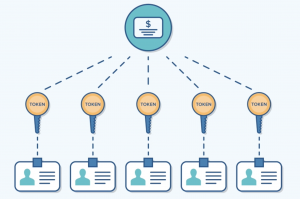
LaunchKC winner bringing cryptocurrency into the investment game with Liquifi
A blockchain-enabled solution from Venture360, called Liquifi, aims to unfreeze startups paralyzed by a lack of access to capital, Rachael Qualls said with excitement. “The main reason more people don’t invest in private companies is there is no way to get money out,” said Qualls, CEO of Venture360. “On average money is tied up for…

Sickweather forecasts flu trouble ahead, urges handwashing and vaccinations
Sickweather’s illness forecasting technology points to a seasonal uptick in influenza rates for Kansas City, said Laurel Edelman, noting a particularly rough patch expected at the end of year. “We actually see more of a dome here in Kansas City,” said Edelman, the chief revenue officer for Sickweather, referring to a chart that plots expected…

Techstars hacks into expert minds for visions of a future dominated by robotics
A Fourth Industrial Revolution is unfolding as consumers and the tech industry alike watch with bated breath, Karen Kerr told a crowd of Techstars Kansas City attendees. “Two things are happening,” Kerr, senior managing director with GE Ventures explained during a panel Thursday that explored the future of the robotics and manufacturing industries. “We’re able…