

More than a virtual grocery store, Pantry Goods is keeping food (and soil) ‘alive’
October 3, 2020 | Austin Barnes
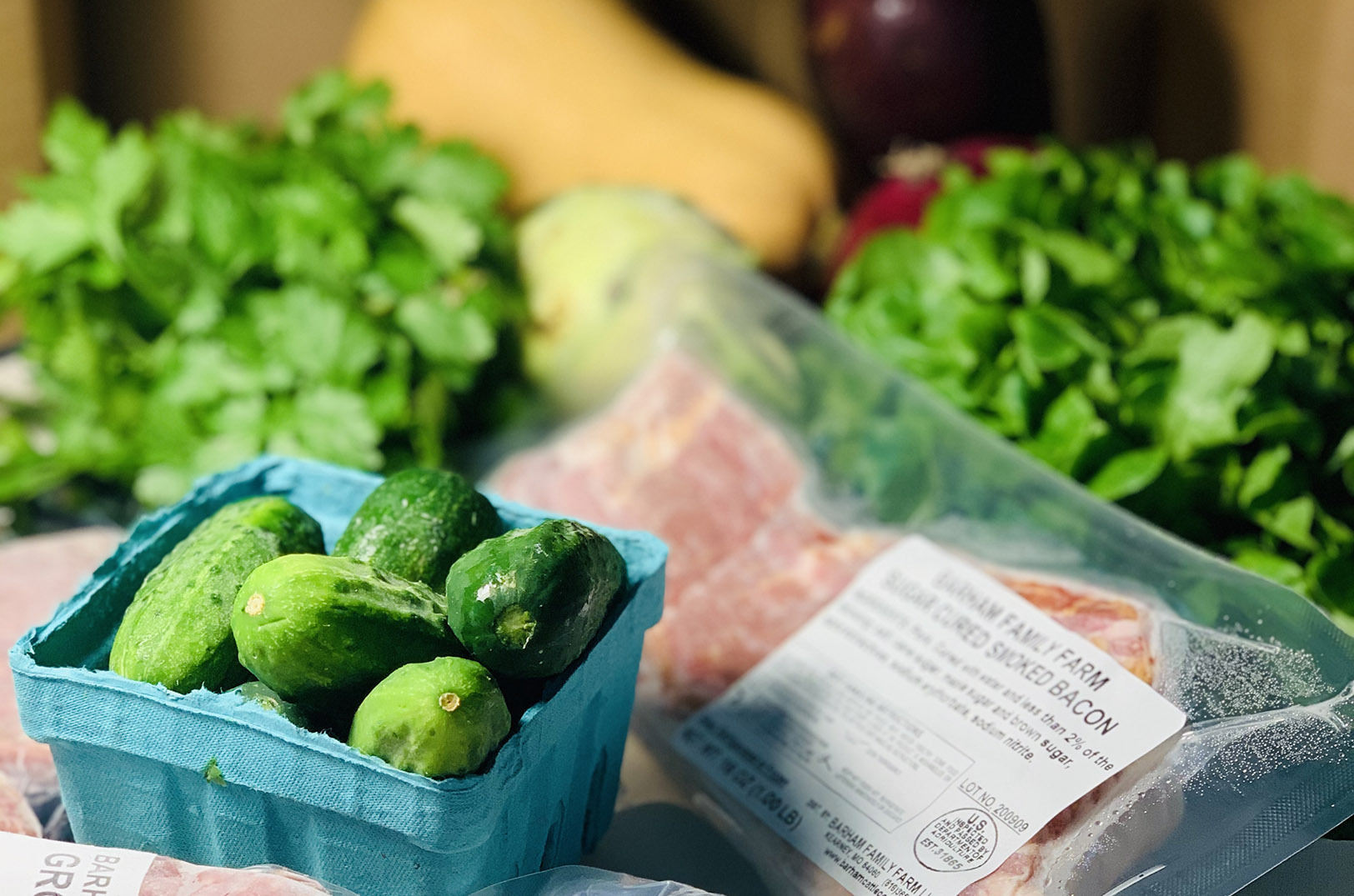
Whole foods have never been so affordable, Marcelle Clements said, as Pantry Goods sews seeds of sustainability in Kansas City and consumers reap a harvest full of benefits.
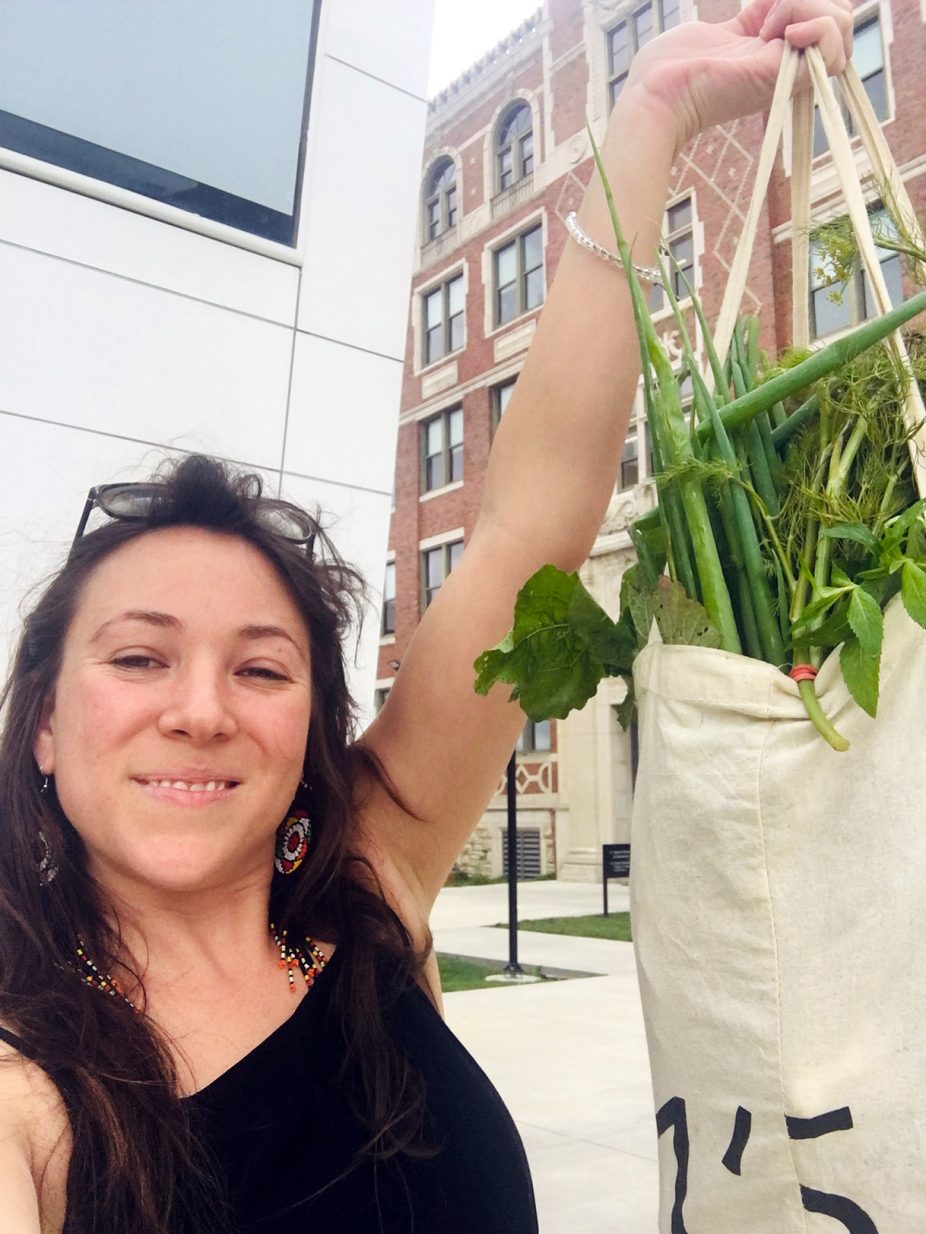
Marcelle Clements, Pantry Goods
“I’ve always had one foot in this farming, sustainable world,” said Clements, founder of Pantry Goods, discussing her passion for the project — a virtual grocery store, stocked with farm-to-table food boxes. The venture celebrates local growers and farmers and connects conscious consumers with healthy foods at affordable prices.
Click here to place a Pantry Goods order for delivery within a 35-mile radius of Kansas City.
The effort was born out of exposure to environmental challenges in Clements’ home country, South Africa.
“I’ve lived here for five years, but prior [to moving], I did work for a friend of mine’s nonprofit in South Africa. I headed up the environmental [work] of her organization and that led me on a path to the United States six years ago, to learn about earthships,” she added, detailing later work with the sustainable buildings in New Mexico, which further inspired her passion to grow food.
“For about a year-and-a-half I did due diligence on this project,” Clements said of work that went into the sustainability startup’s January launch.
“I surveyed people, I built the social media following. I was just kind of figuring out what the best approach would be — and it was a toss up between a brick-and-mortar store or doing an online store.”
When it came down to it, planting the business online was the most cost-effective choice for Clements.
“Once everything was said and done, it would have been about $300,000 to start an actual grocery store, so I decided to go with the online version and do delivery,” she added.
Pantry Goods
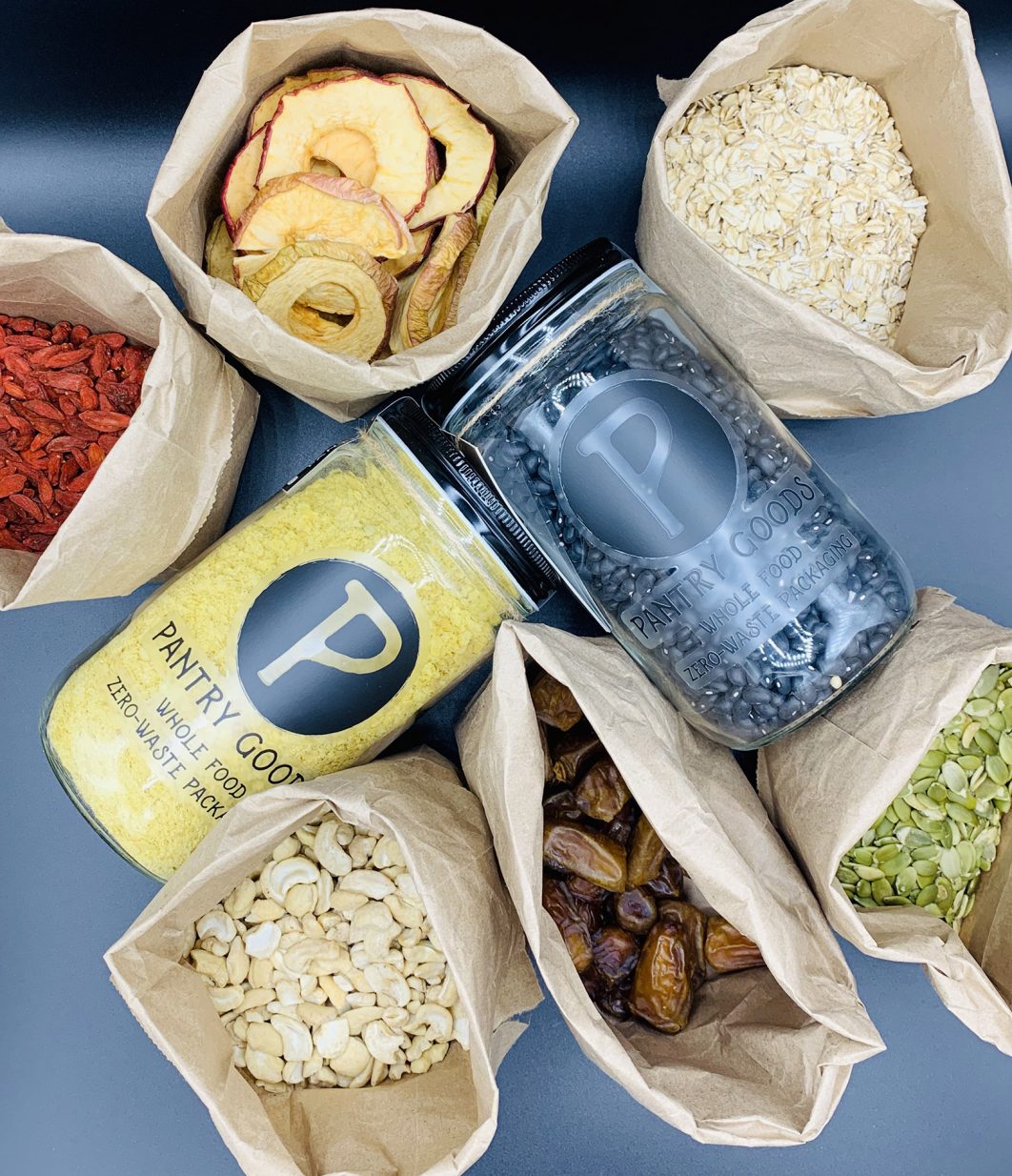
Offering three farm-to-table boxes — the omnivore, carnivore, and vegetarian — and fresh vegetables, fruits, nuts, and dry goods from such local suppliers as Marcell Coffee, Pantry Goods has gained sizeable momentum with customers amid the socially distant consumer landscape brought on by the COVID-19 pandemic, Clements explained.
“People are just so much more comfortable [grocery shopping online] and getting their food delivered,” she said, noting that while customers have a higher interest in the offerings of Pantry Goods, the business remains niche.
“We’re not just going to Whole Foods and shopping for you. We don’t have everything. So it is a little different. They get a box of stuff and they can basically just Google recipes and figure out what to do with it — and I think that’s fun for a lot of people.”
Click here to explore Pantry Goods’ offerings.
Farmers who partner with Pantry Goods practice regenerative agriculture and sustainable farming practices that benefit the health of soil, water, air, and biodiversity, Clements said.
“A lot of people don’t know this, but we only have [around] 60 years left of top soil and these farmers are keeping our soil alive basically. We can’t grow food in dead soil,” Clements said of the importance behind the farming practices and what’s at stake if they aren’t adopted on a wider scale.
“Every year we lose inches of topsoil to soil degradation and erosion because, for instance, we only grow corn or soy in very large areas and till the soil.”
When tilled, wind and rain wash inches of soil away where nothing is planted, she explained.
“People think, ‘Oh, if we have ground we can grow things,’ it’s not the case really. You need very fertile top soil with microorganisms to actually grow food.”
Farmers who stock the inventory at Pantry Goods make use of techniques that do their part to preserve the soil, Clements said, noting in addition to crops, all livestock is grass fed, with chickens and eggs raised free-range.
Pantry Goods
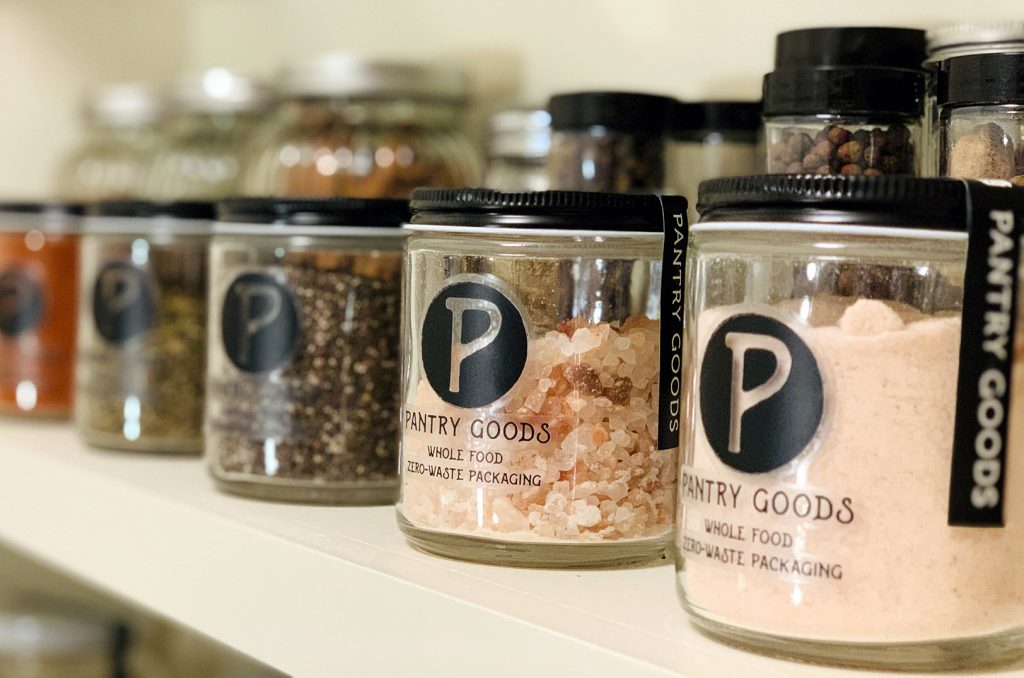
Beyond fresh foods and environment-focused farming practices, the company has also committed to using sustainable packaging.
“When we bring you your new order, we will return any packaging that you have left for us and provide you with a store credit for the returns. This way you never pay for packaging that you would only throw away in the trash. You just rent the packaging for a period of time and when you return it to us, we return your deposit to you,” the company explained on its website.
As the company comes into its own in the midst of an uneasy business environment, Clements said she’s eager to win over new customers, looking to try something different and support local agriculture.
“These farmers are really struggling because of how COVID has impacted the restaurant industry. I think that’s the most important thing,” she said.
“Supporting local farmers is so impactful for so many different reasons. Firstly, your food isn’t traveling thousands of miles to get to you like it does through conventional distribution methods. It’s really impactful from an environmental standpoint … A lot of our food is going extinct. Small farmers actually keep [it] alive.”


2020 Startups to Watch
stats here
Related Posts on Startland News

Frustrated by the fit, this traveler-turned-swimwear founder crafted 10 pairs himself; now his trunk show is going global
Opening a popup swimwear store in one of Atlanta’s most upscale malls represented a surge of momentum for Tristan Davis’ high-end brand that began not on a beach or a runway, but in Kansas City’s tight-knit startup community. “We’ve gone from an idea in a handmade bathing suit to a high fashion mall in less…
Harvesting opportunity: How a KC chicken chain turned a strip of parking lot into its latest ingredient
Months before snow blanketed Kansas City this week, Todd Johnson transformed a weed-filled, unusable portion of parking lot at his Lenexa restaurant into a flourishing garden that serves up fresh produce used in kitchens at all three of his Strips Chicken and Brewing locations in Johnson County. In its first season, Moonglow Gardens — as…

AI evolved faster than rules to protect people; this founder wants to code ethics back into the tech
Amber Stewart sees what many overlook in artificial intelligence, she said: the human cost of unregulated technology that can manifest as anything from sexist and racist outcomes to outright theft from willing and unwilling members of the public. “I’m not afraid of the tech,” said Stewart, founder and CEO of GuardianSync. “I’m afraid of unfettered…

A romantic hideaway (for you and a book): Entrepreneur’s heart for reading opens store on Independence Square
America Fontenot didn’t plan to launch her new Independence bookstore on national Small Business Saturday — the busiest shopping weekend of the year — but renovation delays just kept pushing back the opening, she said. So while many small shops were offering Black Friday-adjacent deals to get customers in the front door, Fontenot’s The Littlest…