

KC Can Compost: Let’s make a natural process natural again — prioritizing people, the soil
October 16, 2020 | Austin Barnes
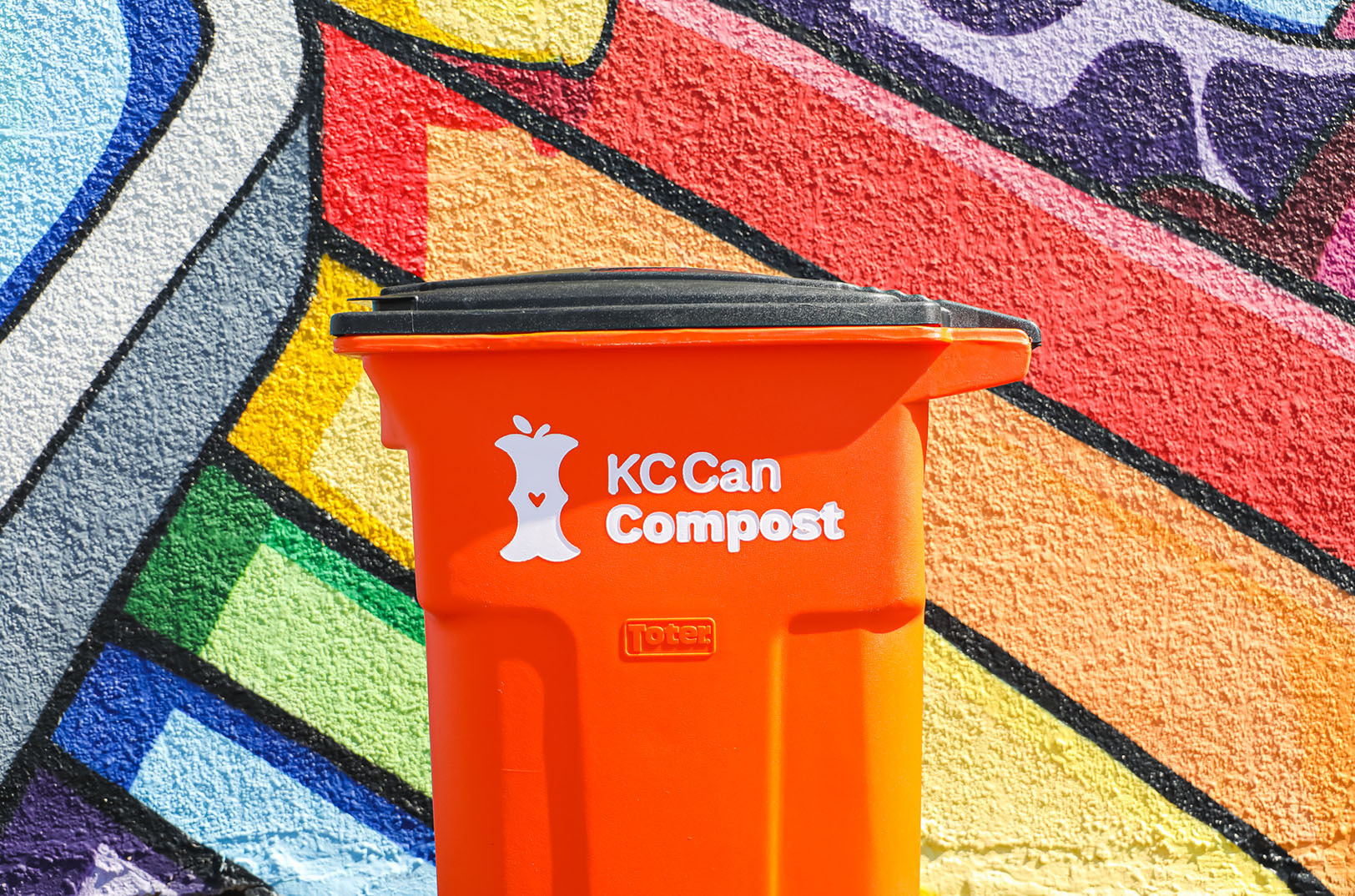
It might be cool now, but Kansas Citians should expect warmer days ahead, said Kristin Chamberlain, highlighting ways the environment is changing rapidly and offering a simple solution that could help curb its effects — while also transforming lives.
“There’s ample opportunity to compost,” said Chamberlain, executive director of KC Can Compost — the social enterprise that’s dedicated itself to empowering people and preserving the planet.
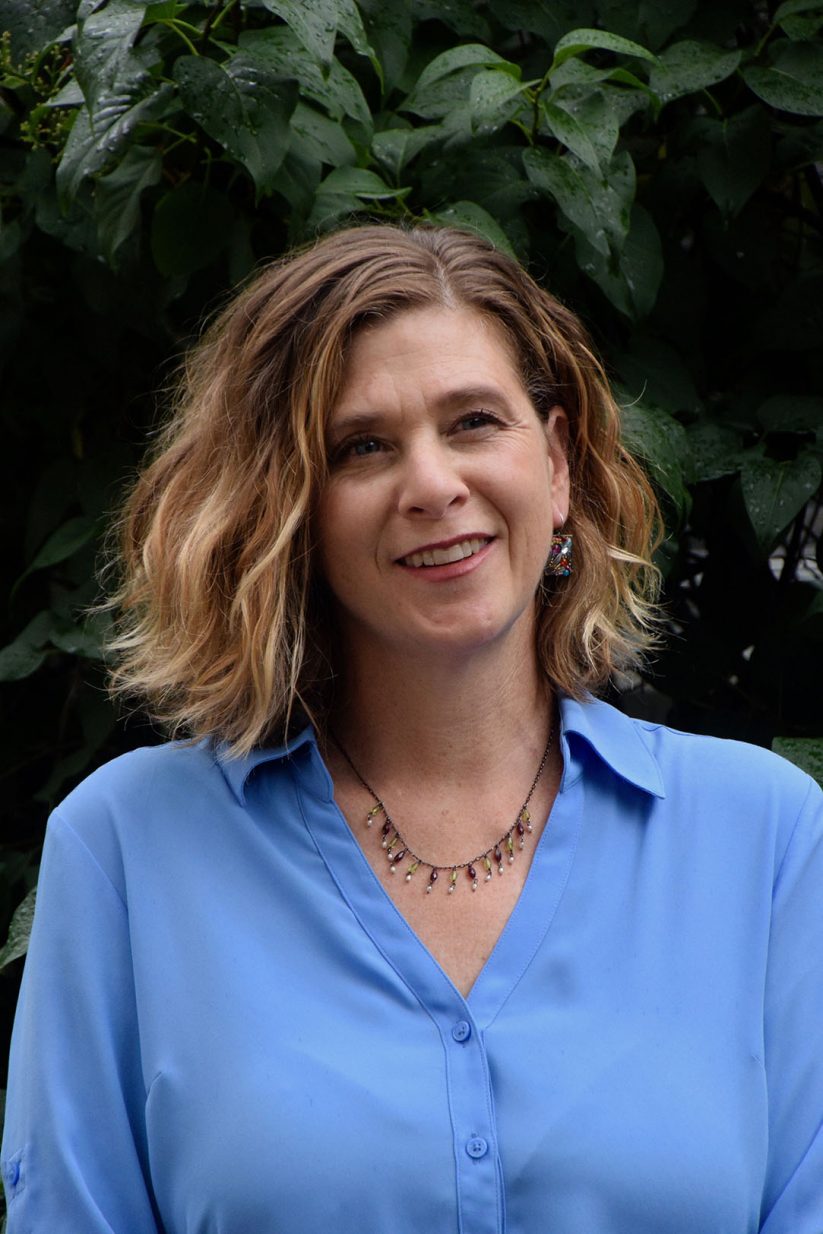
Kristin Chamberlain, KC Can Compost
“When our food waste goes to the landfill, it gets suffocated and it gets no oxygen — which is what creates methane,” she explained, adding the problem could be easily curbed through widespread composting practices.
“It’s something so natural to us. We just haven’t had the systems in place to manage it. It hasn’t been a priority within our culture.”
Enter KC Can Compost — an outgrowth of Shelter KC — which not only works to transform the environment, but to educate and employ formerly-homeless people as compost collectors.
The effort was inspired by the work of Joe Colaizzi, former executive director of the Kansas City Rescue Mission, who wanted to see the metro better care for those experiencing homelessness and offer them a more sustainable path toward rehabilitation, Chamberlain explained.
“He could see opportunities for the men and women transitioning out of homelessness, recovery. So that’s how this all got started, through a really generous trust that allowed us to spend about two years looking at what the city really needed.”
Chamberlain found Kansas City needed increased access to local composting resources at the commercial level, she explained.
“For a restaurant, about 75 percent of their trash is compostable,” she continued. “So 75 percent of what they’re sending to the landfill could be composted and made into desperately needed, nutrient rich soil.”

KC Can Compost at Gigi’s Wellness Cafe
Such a realization has led to partnerships with Chef Collective KC and Kanbe’s Markets, alongside additional work with local restaurants and cafes that include The Campground, GiGi’s Wellness Cafe, and Long Lost Coldbrew in addition to area hospitals, hotels, and the Nelson Atkins Museum of Art — all of which contribute to KC Can Compost’s diversion of 50,000 pounds of organic waste from area landfills on a monthly basis.
Click here to learn more about Kanbe’s Markets or here to learn more about Chef Collective KC.
The organization works with customers to analyze waste generated, provides a composting bin, and picks up a participant’s waste on a weekly schedule — all in the name of environmental justice, Chamberlain said.
“What we’re [predicted[ to see in Kansas City over the next 25 years is a significant increase in the number of consecutive days of temperatures over 100 degrees. That’s going to impact our farming industry, our flowers, our gardens, the poor — everything,” she continued.
“On the reverse side, on increased days of consecutive precipitation, the flooding is going to be ridiculous because our ground can’t absorb that amount of water. It’s going to continue to run off, taking with it any nutrients that did exist in that dry soil.”
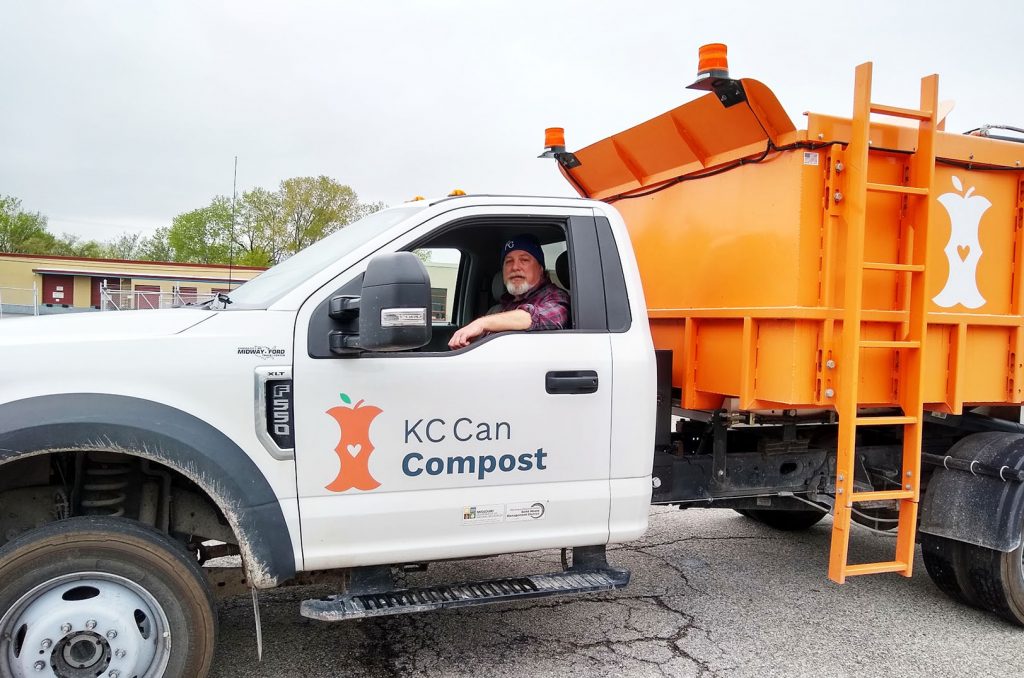
KC Can Compost
The use of compost on everything from playgrounds to greenspaces has significant impact on absorption rates, which could reduce flooding, Chamberlain said.
“Places like Texas have regulations in place already where their entire department of transportation requires compositing on all the sides of all new roadways, because essentially that’s absorbing water and runoff and making it safer for drivers.”
Meanwhile, regulations on both coasts have seen cities issue mandates that require composting in all restaurants and commercial kitchens, she added.
With plenty of opportunities to compost at home — and KC Can Compost launching it’s own Urban Compost Initiative Oct. 24 — prioritization of commercial compositing stands to deliver the most significant and immediate impact on the planet, Chamberlain said.
“There’s a lot of great businesses in our community that are composting — it costs money to recycle, that’s just the bottom line,” she said, noting businesses have also found financial relief in composting.
“These businesses are taking it very seriously. You’ve got museums, hotels initiating a composting program throughout their entire facility. I think [we should be] encouraging the public to demand it of the businesses in our area and then support those businesses to make it happen.”

Featured Business

2020 Startups to Watch
stats here
Related Posts on Startland News
‘Neon Alley’ turning on 40 historic KC signs at Pennway Point, lighting the way to new entertainment district
The planned Pennway Point entertainment district near the Crossroads and Union Station soon will be awash in the glow of neon history, said Nick Vedros. “What’s more Kansas City than to have all these great signs that were once part of our city’s historical fabric all in one spot?” said Vedros, teasing the future Lumi…
This KC sausage maker serves one of America’s best vegan hot dogs; the PETA-approved menu item wasn’t an afterthought or gimmick, its owners say
Wiener Kitchen has always been a community-driven venture, said Jessica Rush, which includes providing options for all members of the community — meat eater or not. “We started at a farmers’ market, and I felt really strongly about having a vegetarian and vegan option. A lot of people go to the farmers’ market because they…
Don’t sleep on ‘Barbie’, KC theater owner warns as Barbenheimer blockbuster arrives
‘Barbenheimer’ could bring best movie-going weekend in nearly a decade; How KC theaters are getting dolled up for the blockbuster Local theaters are expecting a blockbuster weekend, thanks to a highly anticipated and unlikely double feature opening Thursday. Dubbed “Barbenheimer,” the high-profile films “Barbie” — a fictionalized focus on the doll-turned-fashion icon — and “Oppenheimer”…

ScaleUP! KC touts revenue success stories as latest small biz cohort opens applications
Growth outcomes don’t always follow entrepreneurs’ graduation from ScaleUP! KC — sometimes they come before the game-changing, no-cost program is even complete, its leaders said. Rickey Leathers made significant strides in his business, Savvy Salon — co-owned with his wife, Lenora — while enrolled in the cohort, he said. “I successfully opened a second location…