

SafetyCulture deepens its COVID response with $29M acquisition of ‘micro-learning’ app
September 16, 2020 | Startland News Staff
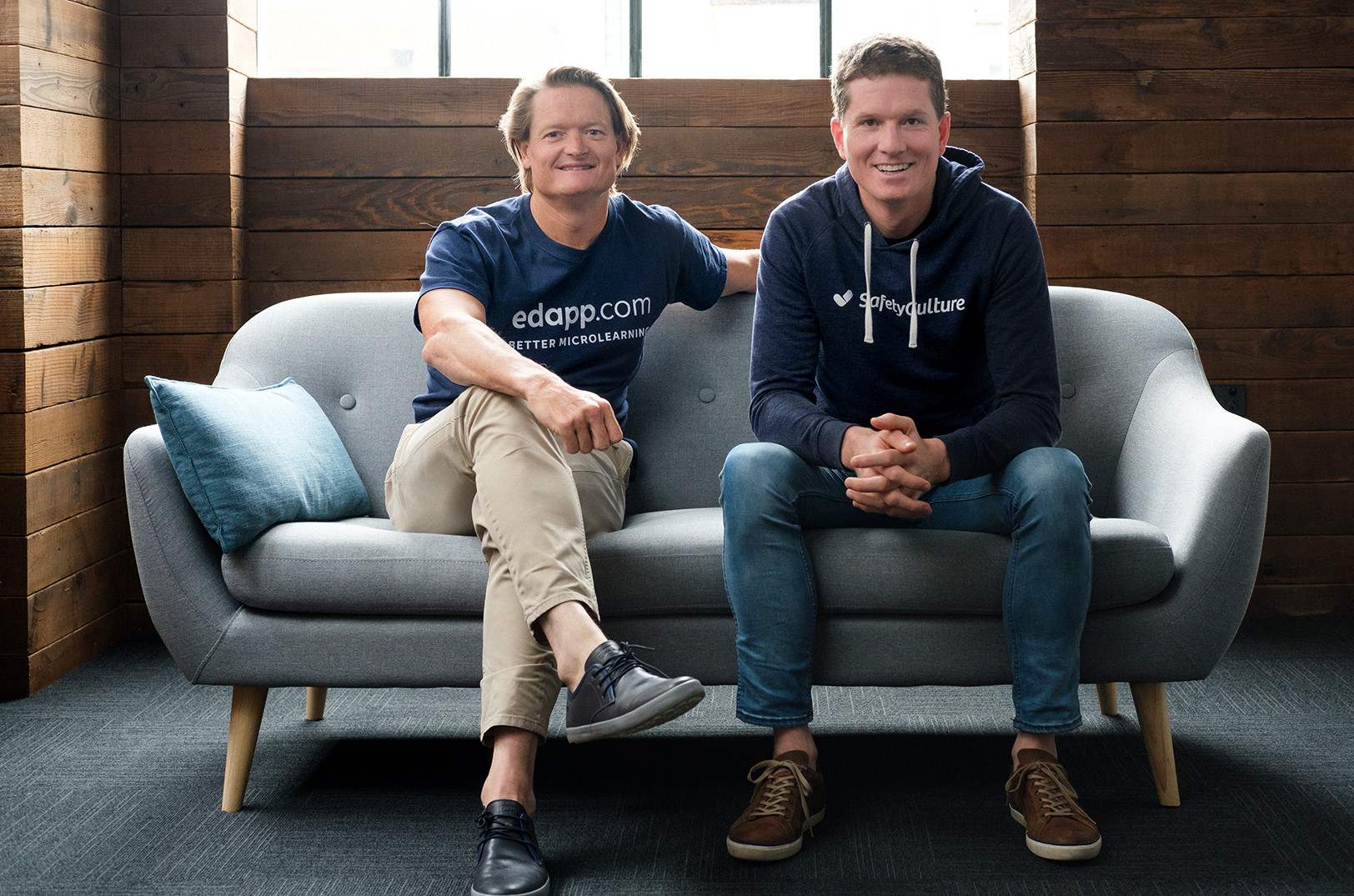
An Australian startup with a significant presence in Kansas City has acquired a mobile training app to boost COVID-era education for businesses through free “micro-learning” resources.
“We’re experiencing the biggest workplace shake-up since economies were rebuilt after World War II. This is not survival of the fittest, this is survival of those that can adapt,” said Luke Anear, CEO of SafetyCulture, detailing how folding in EdApp’s technology is the next step for the company. “The pandemic has made it clear there’s a huge appetite for training as companies look to get safely back to business. EdApp will strengthen our ability to support businesses to do their best work.”
EdApp offers micro lessons downloaded straight to users’ smartphones. Learners acquire knowledge in targeted bursts when it suits them best and can learn at their own pace, according to SafetyCulture, which boasts a Crossroads-based second headquarters in Kansas City. Courses that employ micro elearning typically see completion rates rise from as low as 15 percent to about 90 percent and beyond, the company said in a press release. The app currently delivers about 50,000 lessons per day across more than 90 countries.
Click here to learn more about EdApp, which hails from New York City.

SafetyCulture’s $29 million acquisition of EdApp comes as the Sydney, Australia-born workplace safety and quality platform dedicates its 2020 to helping businesses navigate reopening amid new safety restrictions, Anear said.
In response to COVID-19, SafetyCulture digitized workplace guidance from governments and leading industry bodies across the world into free, ready to use and customizable checklists via its iAuditor app — which already has more than 75,000 users at more than 26,000 organizations.
Click here to learn more about iAuditor.


2020 Startups to Watch
stats here
Related Posts on Startland News

Events Preview: Conquer for Good, TEDxUMKC
There are a plethora of entrepreneurial events hosted in Kansas City on a weekly basis. Whether you’re an entrepreneur, investor, supporter, or curious community member — we recommend these upcoming events for you. Are you hosting a relevant community event? Feel free to add it to the FWD/KC calendar for increased exposure. Once your event…

Jaguar Land Rover invests in artificial intelligence startup Mycroft
Mycroft has received a significant boost in horsepower. Only a few weeks after entering 500 Startups, Mycroft has landed a strategic partnership with Jaguar Land Rover. The Kansas City-based artificial intelligence startup is among the first startups to enter the Portland-based Jaguar Land Rover Tech Incubator, which will provide Mycroft with a $110,000 investment and…
KC-based OYO Fitness closes a historically successful Kickstarter
To say that OYO Fitness has a successful Kickstarter campaign would be an understatement. The Kansas City-based fitness firm folded up and then crushed its recent crowdfunding effort, which raised a stunning $659,000 for its collapsible and compact exercise device. OYO’s DoubleFlex Black campaign — which snagged pre-orders from 4,200 backers — was the second…
Survivor, innovator Kim Gandy rewards patients for sticking to treatments
In her 20 years working as a transplantation clinician, Kim Gandy found it baffling that a seemingly simple problem had such a difficult time finding a solution. Transplant patients consistently struggled to adhere to their health regimens, resulting not only in significant costs for care providers but also death. “We were literally losing patients,” Gandy…