

Timing ‘couldn’t be better’ for scaling Innara Health’s solution for preemies, CEO says
September 30, 2020 | Austin Barnes
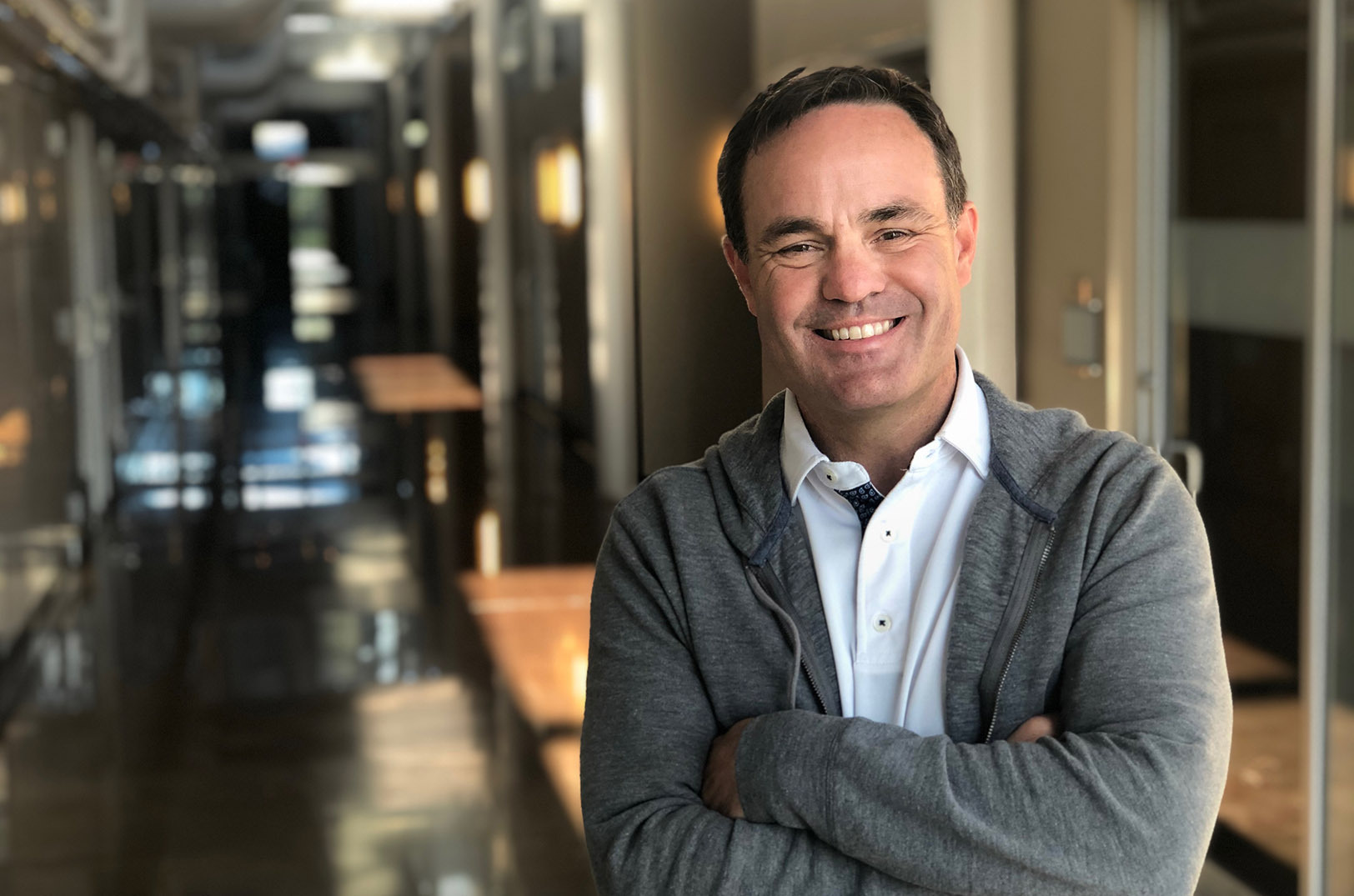
One of Kansas City’s most under the radar startups is scaling up amid COVID-19 — thanks in part to a share of $250 thousand in non-dilutive funding from a Los Angeles-based accelerator and FDA sponsored pediatric device consortia.
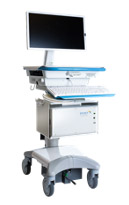
NTrainer by Innara Health
“When COVID hit, one of the things I took from that was, ‘When you’re not selling, your process better be impeccable,’” said Chris Mathia, CEO of Innara Health, the healthtech startup behind the NTrainer — the only FDA approved solution for improving oral coordination in premature babies.
COVID-impacted Neonatal Intensive Care Units (NICU) provided a temporary pause for Mathia and his team, allowing them to overhaul the NTrainer — first designed in 2008 — to fit today’s medical landscape, which has experienced decreased access because of Coronavirus concerns, he said.
“We can make it smaller, integrate it into the NICUs better and give more kids the ability to benefit from it,” Mathia said, noting global potential for NTrainer, which historically has lacked appropriate device markings that allow for international sales — a roadblock that’s left Innara Health maintaining unuseable patents in 20 countries.
“Then the accelerator opportunity came along,” he said, noting the startup’s recent participation in the MedTech Innovator Pediatric Accelerator, where it won a share of $250 thousand in non-dilutive funding. The funds are expected to help finance the NTrainer’s $2.5 million redesign, led by Prairie Village-based Engenious Design.
Click here to learn more about MedTech Innovator.
“That will have a tremendous impact on where we’re going. We’re redesigning the unit, we’re looking at adjacent markets from a breastfeeding perspective, we’re moving to an international marketplace. The timing of this couldn’t be better.”
Such a sentiment isn’t new for Innara Health, Mathia added. The company underwent a change in leadership in 2019, which saw him promoted to CEO from executive vice president of sales.
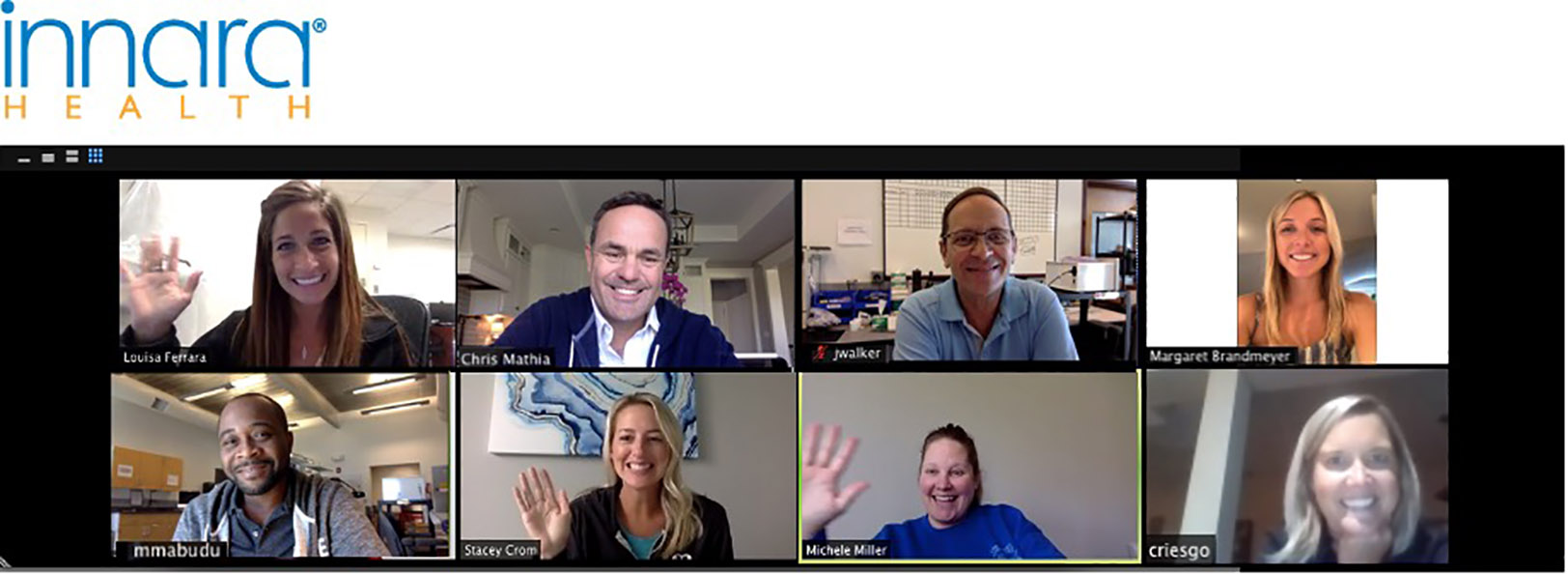
Innara Health team
“We had some challenges in front of us when I took over as CEO. The first thing we did was change the board around — it was dominated by private equity and in healthcare you have to have some level of leadership that understands healthcare and the nuances of it,” he explained, noting the company’s previous leadership had significant impact on the company, but inevitably lacked access to resources that could take the startup to the next level.
“Pricing was incredibly convoluted. We now have a simple subscription model where you can treat as many babies as you want. We went into quarter four with a tremendous amount of momentum and then COVID hit.”
With the pandemic and its effects ongoing, Mathia said the company could have easily run scared, but its resilient spirit and commitment to kids and families everywhere has kept the operation breathing.
“From a parent’s perspective, there’s all this excitement wrapped around becoming a parent and having a child — and then the sentiment suddenly changes because your baby was born prematurely. At that point, you’re looking for any way, anything that you can do to help your baby improve,” he said of the parents and babies Innara Health hopes to help as premature births rise across the United States.
“This is the fifth straight year that the preterm birth rate has increased and it’s at its highest percentage since 2008. The prematurity epidemic is not going away. Anything that we can do to help these kiddos get home sooner and with a healthier start on life is going to be well received.”
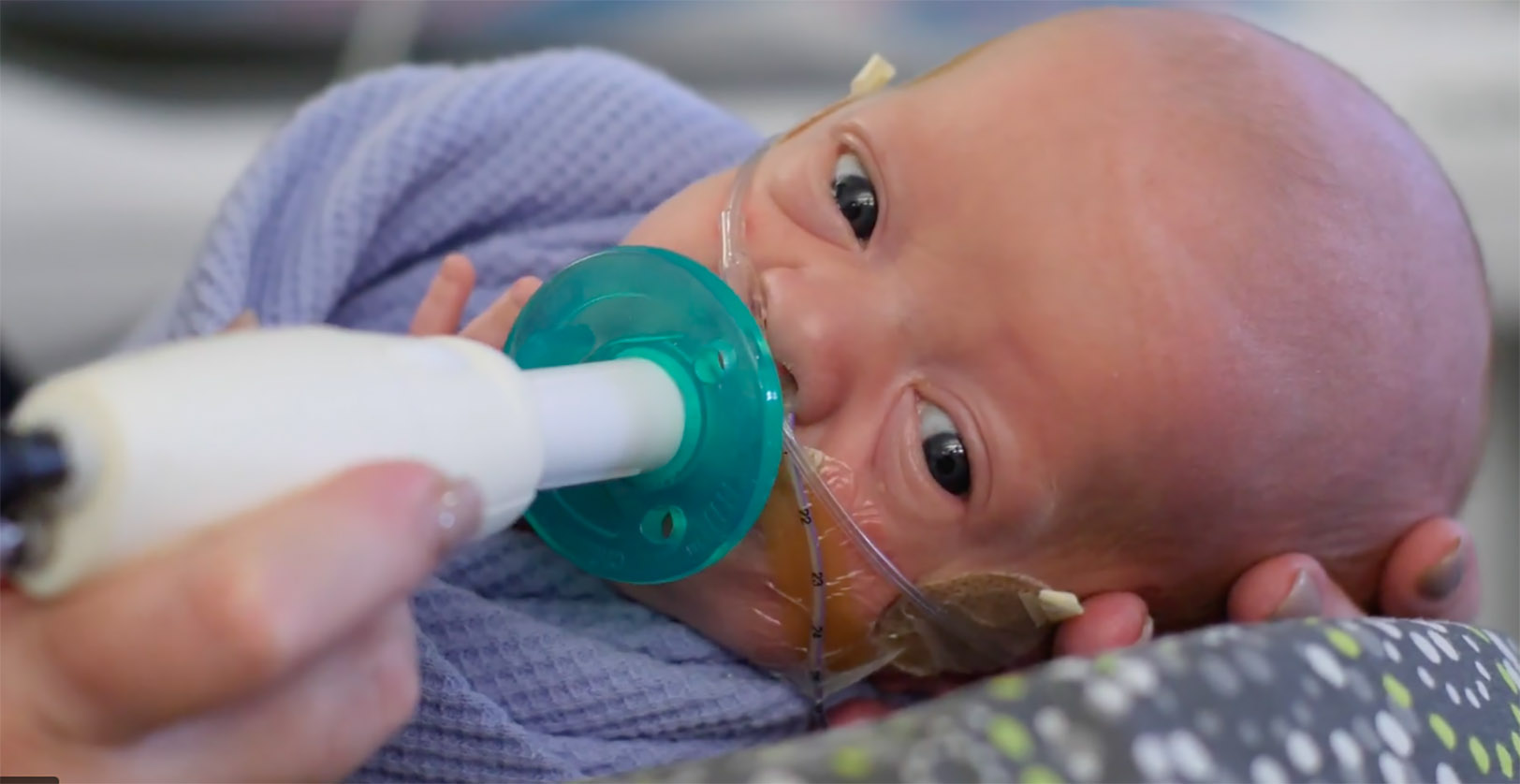
NTrainer by Innara Health
Support and interest from local hospitals has been increasingly positive, Mathia noted, detailing a local client relationship with AdventHealth Shawnee Mission (formerly Shawnee Mission Medical Center) and a growing client list of hospitals across the country.
Such support could also indicate Kansas City’s rising profile as a healthtech hub, he added.
“Certainly the Midwest is incredibly overlooked from a potential aspect. If you look at Nueterra Capital [and its health accelerator] and what they’re doing — they’re doing amazing things,” he said noting companies such as WellSky, NetSmart, and Cerner — where Mathia previously worked before taking a position at Perceptive Software — stand to help young companies break onto the scene.
“There’s a fairly significant hub of healthcare and tech companies here in Kansas City, that continue to produce tremendous offspring. During my time at Perceptive, I worked with some of the best leadership teams and I think you’ll continue to see folks like Innara, RFP360, RX Savings Solutions, SafetyCulture, and C2FO — all with Perceptive alumni — continue to do great things here locally. What I learned working with those folks has really helped Innara move through this pandemic and so many people [within those companies] are doing great things.”


2020 Startups to Watch
stats here
Related Posts on Startland News
More than a Fountain City vacation: SavR bringing US headquarters to Kansas City
Kansas City’s startup culture and support network helped the City of Fountains land the new U.S. headquarters of Australia-based SavR, said founder Tim O’Shea. “If you’re a company that’s trying to strive for genuine outcome, then you’ll be very well received [in Kansas City],” he said. “I think Midwestern people tend to ferret out the…
App to help flex Disabled But Not Really reach beyond KC gyms, says Wesley Hamilton
A new fitness and wellness app is expected to help Disabled But Not Really go global with its impact, said Wesley Hamilton. “This app is going to benefit those that cannot go through our program but are still determined to learn and change their physical well being,” said Hamilton, founder and executive director of the…

Pepper teams with Switzerland cyber security expert to combat ‘terrifying’ IoT threats
A new, long-term collaboration between KC-based Pepper IoT and an international leader in digital security has an opportunity to aggressively boost consumer confidence in the rapidly expanding — and potentially hostile — Internet of Things, said Scott Ford. “It is terrifying to see millions of vulnerable connected devices being distributed to U.S. consumers who have…
Artist incubator paints scene of blissful collaboration in far-from-lonely West Bottoms space
Vanessa Lacy’s artist incubator eliminates “the lonely artist,” she said, noting her gallery model replaces solitude with creative relationships and a collaborative community. “Artists tend to get very isolated in their studio spaces working on their own; then they have a relationship with a gallery that’s really more of a business relationship,” said Lacy, owner…