

ESHIP Summit: Data shows urgent question — Who isn’t starting a business?
September 18, 2020 | Channa Steinmetz

Editor’s note: The Ewing Marion Kauffman Foundation is a financial sponsor of Startland News. This report was produced independently by Startland News’ nonprofit newsroom.
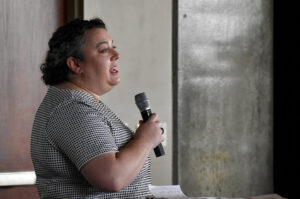
Inclusion is about fulfilling untapped potential, said Sameeksha Desai, detailing nationwide equity gaps in entrepreneurial ecosystem building.

The 2020 ESHIP Summit was a two-day virtual gathering where leading entrepreneurial ecosystem builders from across the globe explored how their work could be a key part of community recovery and reinvention in a COVID-19-impacted world.
“A lot of the reason that we ended up in this situation is because we have neglected what we can’t see,” said Desai, director of knowledge creation and research in entrepreneurship at the Ewing Marion Kauffman Foundation. “We weren’t asking, who’s not starting a business [but has the drive and capability?]”
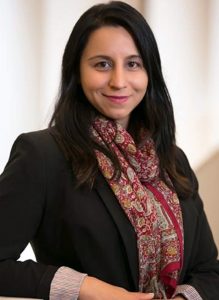
Sameeksha Desai, Ewing Marion Kauffman Foundation
Targeting her remarks to the 2020 ESHIP Summit’s virtual audience, Desai noted data gives ecosystem builders a starting point for action by identifying areas of potential as well as pain points.
“We see that business owners who have had to self-quarantine due to exposure to COVID — which is not something we often think about when we’re thinking about business survival — is higher among black business owners,” she said, adding that Kauffman Foundation surveys on COVID-19 impacts also showed more Black and Hispanic business owners are supporting children younger than 18.
Providing solutions to such challenges often requires capital, added Luz Urrutia, CEO of San Jose, California-based Opportunity Fund.
Click here to read about the Kauffman Foundation-backed Kansas City Minority Business Resiliency Grant, which awarded $100,000 in microgrants across 23 struggling small businesses.
Watch a video of the ESHIP Summit’s ““Exploring The State of Entrepreneurship In Our Changing World” session below, or click here to see more videos from the 2020 virtual gathering.
Communities must ask what it will take to rebuild small businesses — even in a scenario where no one knows how long the pandemic will last, she told the ESHIP Summit participants.
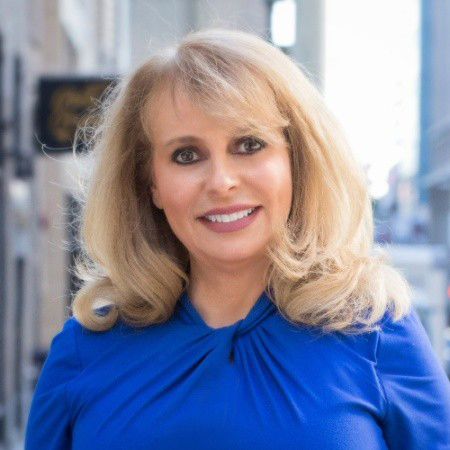
Luz Urrutia, Opportunity Fund
“This pandemic is a terrible thing, but you can use it to drive positive transformation,” Urrutia said. “In the middle of every disruption is the best time to bring innovation. As leaders, we need to lead with moral authority.”
“We need to be clear and concise,” she continued. “We need to be realistic and reassuring. And most importantly, we need to lead with empathy; it is critical to strive for flexibility and model ways to prioritize the health and well-being of you and your team members.”
Click here to read about previous ESHIP Summit events organized by the Ewing Marion Kauffman Foundation.
Empathy begins with understanding, speakers at the two-day event emphasized.
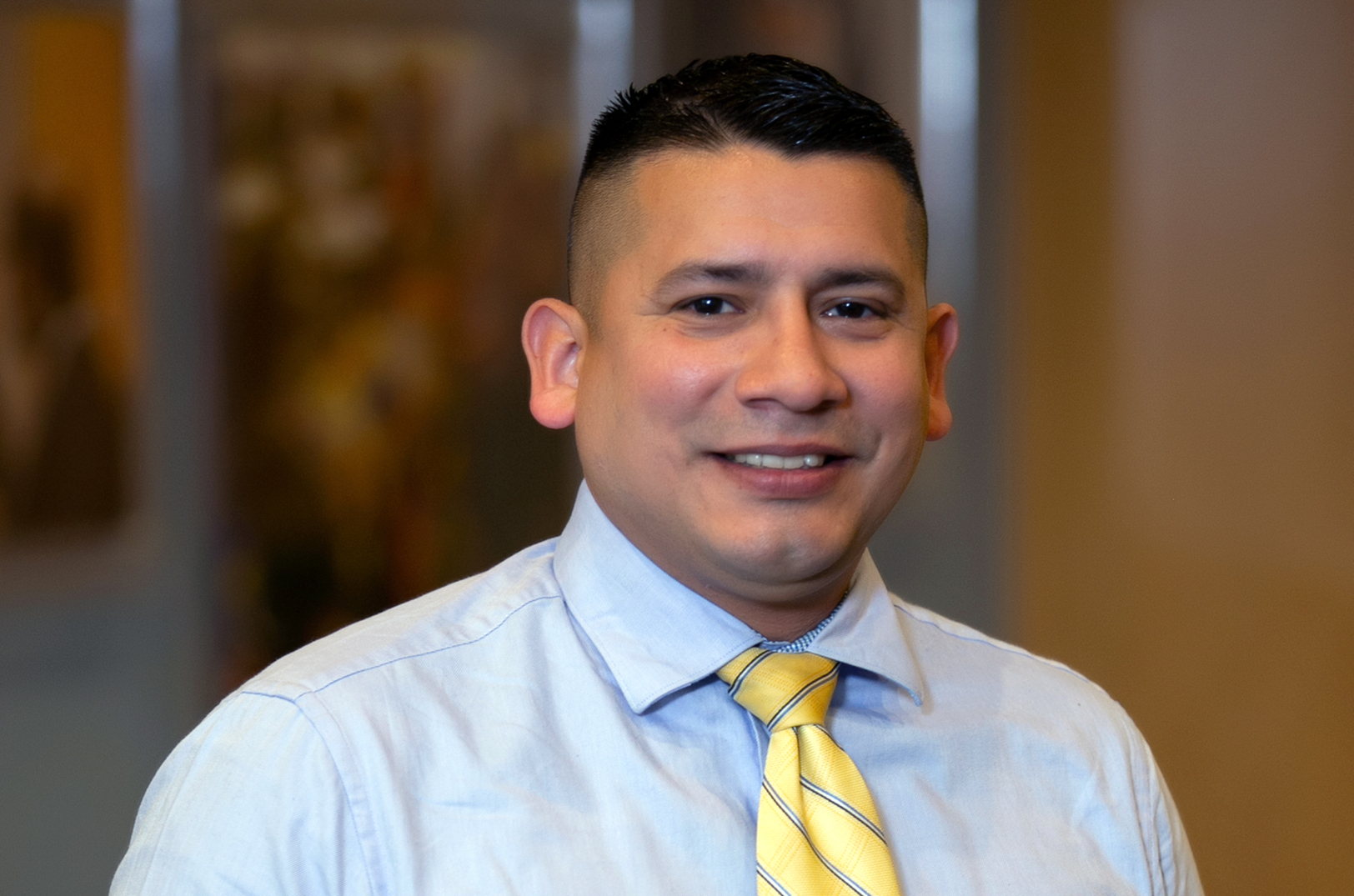
Gabe Muñoz, ESHIP Communities, Forward Cities
During a seminar led by Fay Horwitt, president of Forward Cities, and Gabe Muñoz, Forward Cities team member and local director of the ESHIP Communities program in Kansas City, participants explored how research gathered from the Kansas City ecosystem since late 2018 points to areas ripe for change.
Muñoz shared six significant barriers for entrepreneurs that emerged from Forward City surveys:
- Entrepreneurs lack awareness of existing entrepreneur support resources and organizations within the city and local communities.
- Entrepreneurs felt as though there was a lack of access with events being clustered and held in areas of the city that are unwelcoming and inaccessible.
- Entrepreneur social and cultural norms create a sense of not being understood, not belonging and a fear of failure.
- Individuals may not identify themselves as entrepreneurs.
- There is a lack of multicultural programs; (Many of the entrepreneurial support organizations do not have multilingual staff, and many ecosystem builders are not multilingual.)
- There is a lack of support and trust within the entrepreneurial ecosystem.
In response to some of these barriers, Muñoz and Forward Cities held two public events in early 2020 — featuring materials and translators in English, Spanish, Nepali and Burmese — to support aspiring and existing business owners in Kansas City.
Click here to read more about how Gabe Muñoz is working to offset these barriers and support small business owners.

Featured Business

2020 Startups to Watch
stats here
Related Posts on Startland News

How this Andre’s Valentine collaboration celebrates the friendship that sparked Kate Spade
The favorite hometown chocolate of one Kansas City’s best-known fashion designers and entrepreneurs serves as just one ingredient in a new Valentine’s Day collaboration from André’s Confiserie Suisse. The local chocolatier just rolled out a limited edition line alongside Frances Valentine to mark the holiday, as well as celebrate the friendship between Elyce Arons and…

Electric Americana: How singer Teri Quinn broke from the pack (and found her own in KC)
Members of the Kansas City-based band Teri Quinn & The Coyotes are carving a distinctive space within the local music scene. From Appalachian banjo riffs to punk-inspired beats, their sound reflects diverse influences — howling loudest from the woman in front. Attendees at Startland News’ Jan. 23 reception for the Kansas City Startups to Watch…
C2FO hits its first billion-dollar day; marks $400B in funding to customers as global finance shifts
A record-breaking year for C2FO serves as a proof point itself, said Sandy Kemper, revealing the Kansas City-built fintech surpassed $400 billion in lifetime funding to its customers in 2024 and achieved $1 billion of daily funding for the first time. “The success of the past year only demonstrates the tremendous need for more efficient…
KC Biohub leader bullish on Tech Hubs funding after region missing from latest grants list
Kansas City is still in the running for a chunk of the remaining $280 million in expected funding for federal Tech Hubs implementation grants, said Melissa Roberts Chapman, emphasizing the region remains primed and competitive in the process despite the KC BioHub not being among the latest awardees announced by the program. Six other projects…