

Diversity is a ‘culture add’ — not a quota to be ‘fit’ within a startup, Brad Feld tells Techstars KC demo day
August 28, 2020 | Austin Barnes
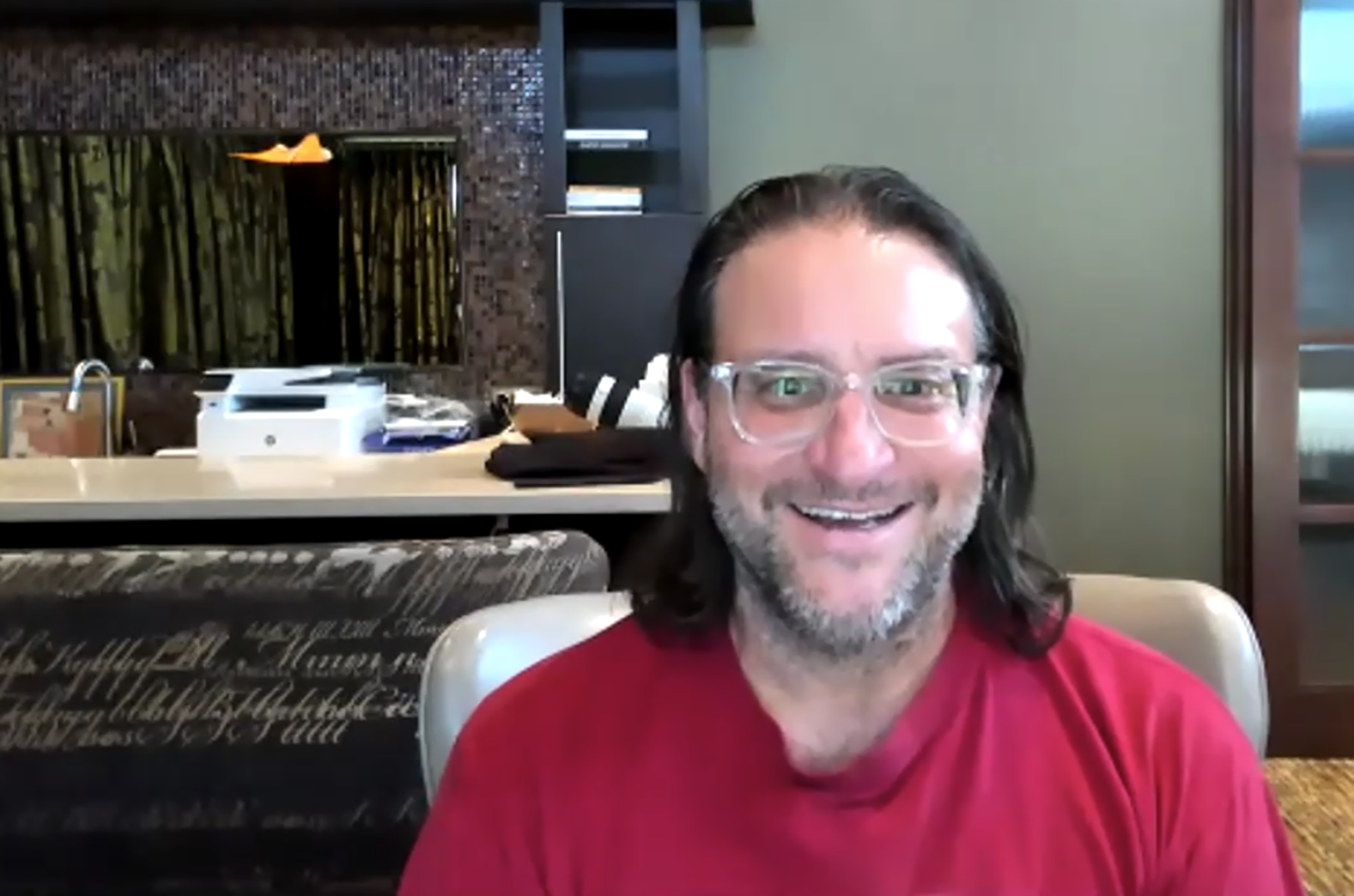
Inserting diverse individuals into an existing startup culture might seem like a step toward inclusive team building, but it can actually hurt scalability if that diversity is treated like a bug, not a feature, said Lesa Mitchell, referencing a new book by the co-founder of Techstars.
Celebrating the culmination of Techstars Kansas City’s relaunched accelerator Thursday, a virtual demo day showcased a wide range of startups in the program — 10 solutions-based, industry-cross companies, many of which were led by women and people of color.
Click here to explore Techstars Kansas City’s 2020 virtual cohort and watch their full pitches.
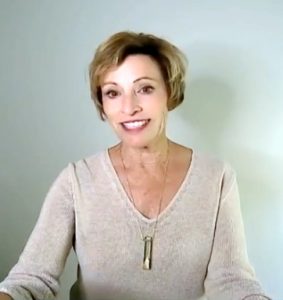
Lesa Mitchell, Techstars Kansas City virtual demo day 2020
“I chose to double down on diverse founding teams because I have a personal belief that opportunities are not equally distributed,” Mitchell, managing director of Techstars Kansas City, told Startland News. “I think many others have caught on to this reality in the past three months. The great news is a lot of other mentors feel the same way and I think our founders benefit from mentors wanting to support problems our founders are trying to solve.”
Because not all startups are built with diversity from the ground up, incorporating it later through well-meaning inclusion efforts can get tricky, she suggested at Thursday’s event during a virtual fireside chat with Brad Feld, startup community pioneer, author and Techstars co-founder, and Marlon Nichols, founding managing partner at LA-based MaC Venture Capital.
“You say the phrase ‘culture fit’ is thrown around as code for ‘like us,’” Mitchell prompted Feld, referencing a section on diversity in his new book, “The Startup Community Way: Evolving an Entrepreneurial Ecosystem.”
The book encourages people to instead think about “culture add” and outlines other necessary steps that can be taken to bolster a burgeoning “startup revolution” across the country, Michell and Feld noted.
Click here to learn more about Feld’s latest book or here to read more about his ties to the Kansas City startup community.
“I hate the phrase ‘culture fit.’ I’ve hated it for a long time, I never understood why I hated it until I realized [it] was creating monocultures all over the place,” Feld explained of an awakening he had around 2013. “The word ‘meritocracy’ that was bandied about — especially in the Bay Area, but a fundamental part of entrepreneurship — was complete and utter bullshit.”
“Meritocracy” refers to a system based on education, talent and ability, rather than social standing or wealth. As more founders in Feld’s network took to the phrase, as well as “culture fit,” he grew increasingly frustrated and worked to shift the narrative in a higher-value way, he said.
“I changed the phrase ‘culture fit’ to ‘culture add,’ where the goal of every employee that you hire is to add to the culture of your company not to fit within the culture of your company,” Feld explained, noting the simple shift in wording carries a significant impact in how diversity efforts are framed. “I [also] encouraged every CEO I worked with never, ever, ever use the word ‘culture’ by itself — because it doesn’t mean anything. And what people do is they use the word ‘culture’ as an excuse not to deal with the norms of what their company are.”
Instead, Feld encourages company leaders to focus on “culture norms.”

Brad Feld, co-founder of Techstars, author, serial entrepreneur
“One of the great things about being a founder is you get to define the norms,” he said. “Really what you’re doing is you’re defining your cultural norms and then as everybody joins the company, you’re extending what you’re doing in the context of those norms.”
When an employee joins a team and notices set norms don’t align with company behaviors, having such a guideline in place helps drive candid conversations about fractures, Feld continued.
“If somebody says, ‘Well, I don’t really know if I fit in this culture,’ that doesn’t work,” he said, challenging leaders and founders to change their approach to diversity, inclusion, equity, and belonging.
Such a stance could have greatly helped Uber in its early days, Feld noted, citing a book recently written by Susan Fowler, an ex-Uber software engineer and journalist who’s rallied against sexual harassment at the company — penning a 2017 op-ed that ultimately ousted Travis Kalanick as Uber’s CEO.
“They hired a lot of women. … They showed up, they were there for six to 12 months and they left,” he said, noting that cultural norms and stated values weren’t in sync with company behavior. “They didn’t feel any sense of belonging.”
Click here to buy Fowler’s book Whistleblower: My Journey to Silicon Valley and Fight for Justice at Uber.
The example proves harm in committing to diversity without committing to belonging, Feld continued, noting the latter could be the most important company value of all.
“It just comes back to this notion that when a company talks about its culture it’s generally not being inclusive, it’s being the opposite,” he said. “The language matters so much. I think in large companies it’s hard to change that language. I hope in entrepreneurship we can use it from a bottom-up perspective.”
Company leaders should recognize their own limitations based on individual identity and experience, Feld said, noting in his remarks that his new book would be less insightful if not for the added perspective of Mitchell — who offered blunt criticism of an early draft.
“I do not feel great — when I show up in any situation — as a middle-aged white guy and say, ‘This is what you need to do to solve the diversity problem’ … whether it’s gender equity, racial equity or whatever dynamic,” he said. “[I would rather be] an advocate, ally or accomplice, versus showing up and saying ‘I know how to solve the problem.’”
[Editor’s note: Marlon Nichols was not present for this portion of the fireside chat because of a technical issue.]
Click here to watch full demo day pitches from the 2020 Techstars Kansas City accelerator cohort.
Techstars Kansas City is expected to return in 2021, Mitchell said Friday, noting interested startups may begin reaching out to the program immediately.
Click here to learn more about the accelerator or to contact Mitchell.

Featured Business

2020 Startups to Watch
stats here
Related Posts on Startland News
Women hold key to overcoming innovation gap, talent shortage, says OneKC for Women
OneKC for Women designed its November event for men, said Rania Anderson. “Winning at Work” is a chance for male business owners and entrepreneurs to improve results by changing the way they interact with women in the workplace, she added. “There is an opportunity for business leaders in Kansas City to get some ideas on…

New investor report: Women-led startups more likely to get angel support than VC backing
Angel investors support 10-times more women-led companies than venture capital-backed investors, revealed a first-of-its-kind report by the Kansas City-based Angel Capital Association. “It didn’t shock us,” said Marianne Hudson, executive director of the ACA, the world’s largest cohort of angel investors. Hudson cited previous ACA research that indicated 21 percent of angel investors had been…

KC Bier Co. brewing regional expansion one tap handle at a time, founder says
Rapid growth in the craft brewing market has tapped out, said Steve Holle, founder of KC Bier Co. A solid understanding of the reasons behind such an overdraught industry has so-far saved the Kansas City-based, German-style brewing company from being caught in the same weeds as recently closed Manhattan-brewed competitor, Tallgrass Brewing Co., Holle said.…
Former school principal’s SafeDefend active shooter system installed at Jewish Community Center, target of 2014 Overland Park shootings
Every student, teacher and staff member deserves the greatest opportunity to get home from school safely, said Jeff Green, founder of SafeDefend. Green’s security solution — an active shooter response system that sends alerts throughout a school community, as well as detailed information to law enforcement, within seconds of an incident — recently was installed…