

Socially reduced crowds a ‘really tough blow’ to vendors as markets balance safety, survival
August 1, 2020 | Jack Anstine
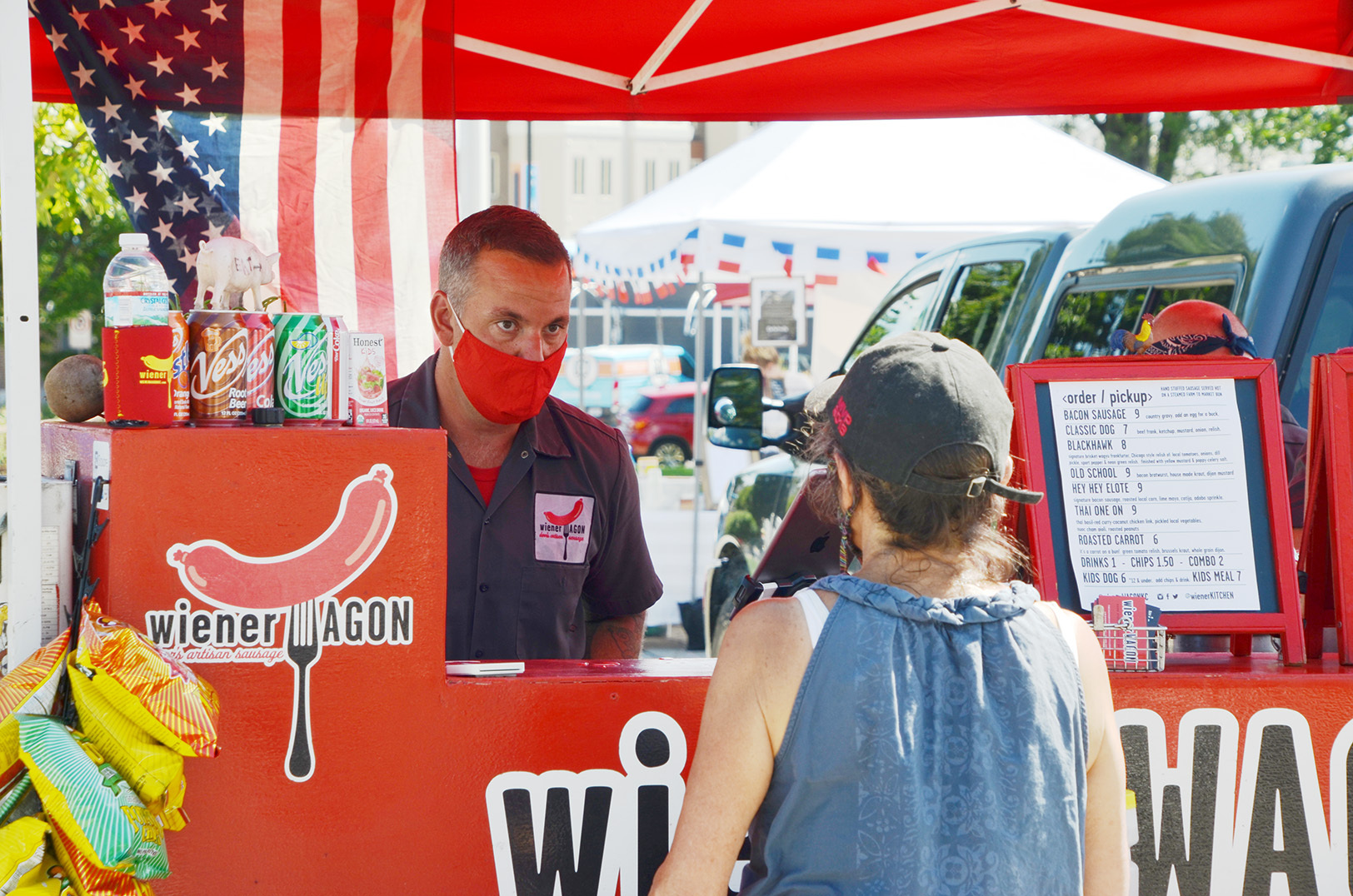
Crowds reduced by COVID-19 precautions and confusion over what’s actually open have yielded dramatically reduced revenue for vendors who rely on Kansas City’s farmers markets, craft fairs and other public events.

Wiener Wagon, Overland Park Farmers Market
“To go eight years doing something and then suddenly you’re straight-up 50-60 percent of [the revenue], that’s a really tough blow,” said Dave Derr, co-owner of Wiener Wagon and Derr’s Artisan Sausages, a mainstay at the Overland Park Farmers Market.
Click here to check out Wiener Wagon’s menu.
Decreased profits weren’t the only thing Derr — who operates the meaty, Overland Park-based business with his wife, Jessica Rush — noticed. Customers have questioned whether the farmers market is even operating this summer, and cited confusion over its location, he said. The popular twice-weekly Johnson County gathering initially was moved 30 blocks south from a permanent site in downtown Overland Park to the Overland Park Convention Center, south of I-435 on 110th Street, to accommodate social distancing measures.
“This location, these guidelines … all history in the making,” the farmers market said in a June 13 social media post, emphasizing health measures essential to getting customers back in front of vendors as quickly as safely possible.
The market relocated again in July, this time to a parking lot at the Matt Ross Community Center — a more popular site for traditional shoppers — just a few blocks from its typical, fixed home downtown. Nearly 30 vendors were expected at Saturday’s market, which runs 7:30 a.m. to 1 p.m.
Click here to learn more about the Overland Park Farmers Market.
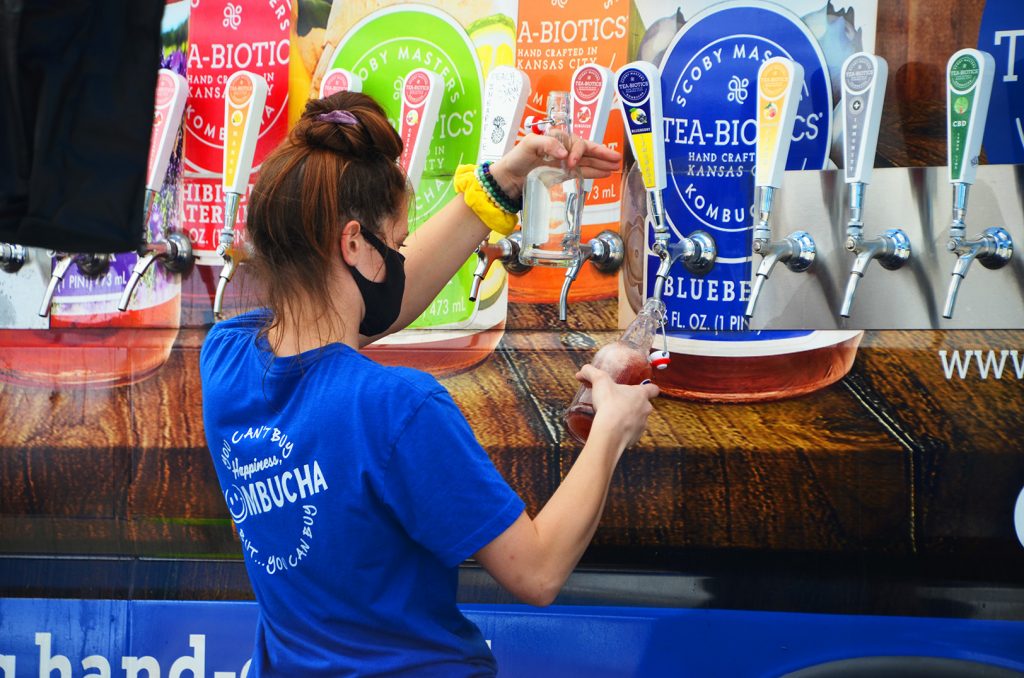
Tea-Biotics Kombucha, Overland Park Farmers Market
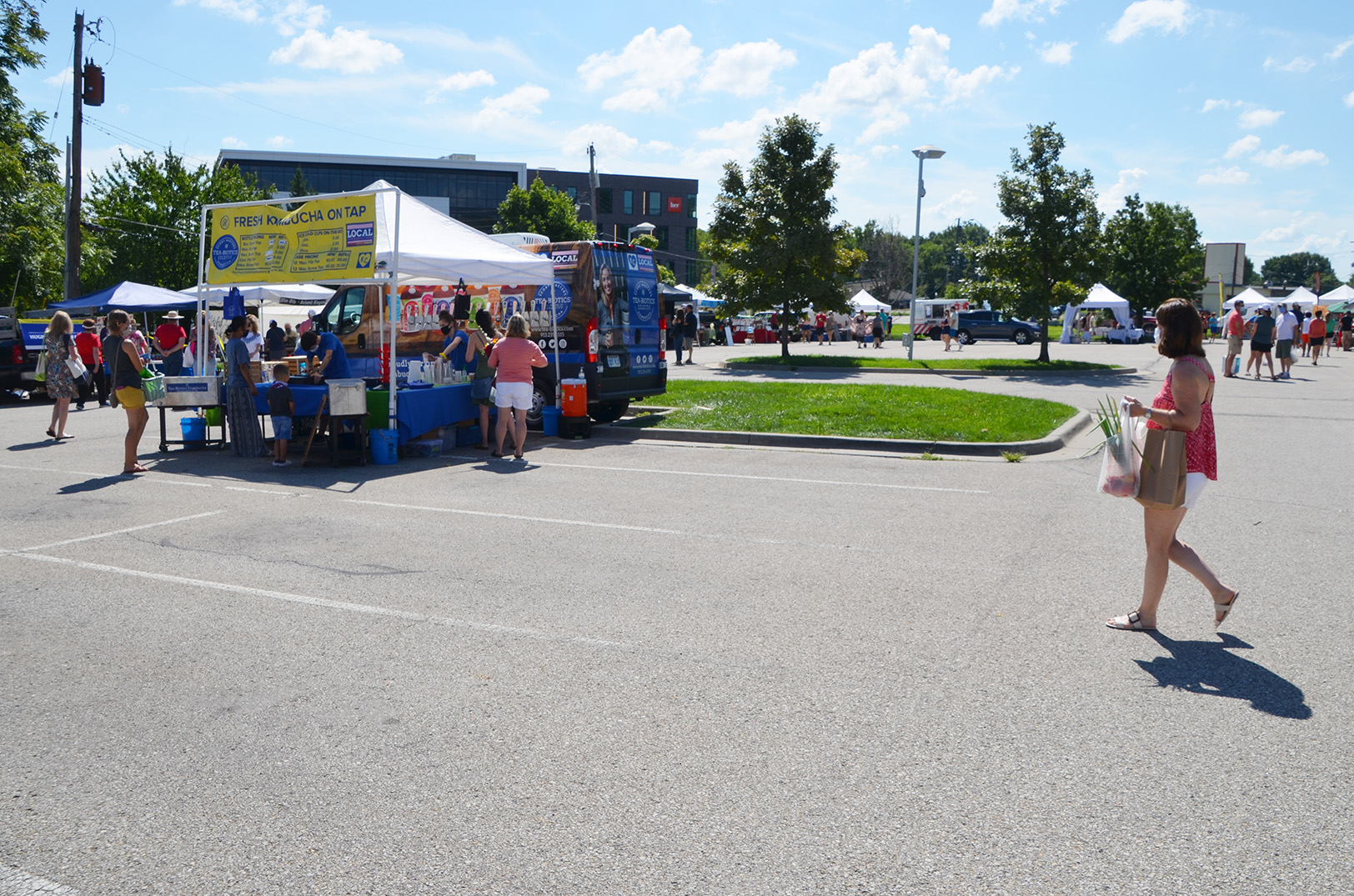
Tea-Biotics Kombucha, Overland Park Farmers Market
Lisa Bledsoe has seen the impact of reduced foot traffic as well, the Tea-Biotics Kombucha founder and longtime Overland Park Farmers Market vendor said.
“Just based on sales and the appearance of how many people are there when I’m there, I would say 70 percent of people aren’t going to the market anymore,” Bledsoe estimated.
Olathe-based Tea-Biotics built its brand, in part, by becoming a familiar face at places like the farmers market before jumping into grocery stores across the metro and region, as well as building its own kombucha taprooms in Johnson County and Kansas City.
Click here to check out Tea-Biotics artisan kombucha.
“We’ve actually discussed not going to the market, because it isn’t really profitable for us, but we feel a loyalty to the market,” Bledsoe said. “We love the Overland Park Farmers Market. It’s been great to us. And that’s how we built our customers. As long as we can break even, we’re still going to continue to go in hopes that people are gonna start coming out.”
Derr hopes consumers will be equally loyal and resume supporting local small businesses, he said.
“Those who are shopping are so appreciative and everybody’s being safe,” Derr said. “Looking forward, it’s [a question of] ‘Do we just kind of ride it out and hope that everybody does remember the small businesses and those who are just added day after day?’ I mean, that’s all we can hope for.”
Focusing on the essentials
Organizers are fighting to keep area markets open, they said, making sometimes difficult decisions to ensure safety alongside commerce. That’s meant changing a farmers market culture that transcended easy access to local, fresh foods and took on a more social element.
City Market, Kansas City
“The idea is not to be a place where people congregate and hang out,” said Sue Patterson, director of marketing and communications for City Market, which operates as an anchor of Kansas City’s River Market neighborhood. “There’s not a lot to do in the public right now. So we have to be extra careful that we’re not being an attractant.”
City Market has focused on essentials, she said.
“We have maintained being a walk-up market. Early on in the pandemic, we limited our product sales, and our farmers market vendors to food only,” Patterson added, noting additional precautions like spacing out the vendors, signage to aid social distancing, a facemask requirement, increased sanitization, and a temporary ban on reusable bags.
Click here to learn more about City Market’s visitor guidelines.
“The future is kind of an unknown at this time. We are taking all of our cues from the city, the health department, of course, the mayor’s office,” Patterson said. “We were coming kind of in a bit of a reactionary posture, you know, we kind of flex with whatever we’re hearing from them and the guidance that we’re getting from them, but we’re also trying to creatively respond to the situation.”
Getting crafty to preserve revenue
Not all market-style ventures have been allowed to continue in the traditional format, said Katie Mabry van Dieren, acknowledging a slight sense of relief that her Strawberry Swing Indie Craft Fair — initially planned for today at Kansas City’s Union Station — would pivot to an online-only event.
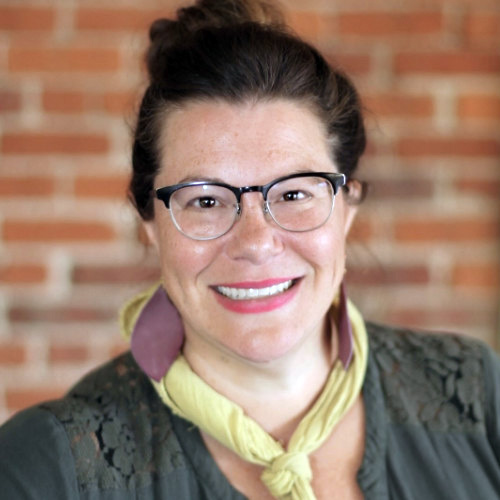
Katie Mabry van Dieren, Strawberry Swing
“I don’t want to be Typhoid Mary and everyone gets COVID at my event,” said Mabry van Dieren, noting the liabilities of mid-pandemic hosting. “But also virtual events are a little different than in person events. It’s just not the same.”
Click here to shop the Summer Swing craft fair.
The Union Station event was moved online when the venue canceled all gatherings set for August, she said.
“Originally we were going to space them out in their tents 10 feet apart, and then do a staggered entrance,” Mabry van Dieren explained of the 10th annual festival, which was set to feature crafts, food trucks, music and art.
Moving to an online format allows vendors to at least make some revenue despite the “big blow” to the overall maker community during COVID-19, she said. A virtual Strawberry Swing event in May showed the potential impact of maintaining an avenue for purchases from the small business owners, many of whom operate as a side hustle for budding entrepreneurs and artists, she added.
“The No. 1 thing I worry about with my events — whether they’re online or virtual — is that people come and shop because we are supporting makers,” Mabry van Dieren said. “I just like to try and shout out to everyone to raise awareness that many of the things you would buy at a big box store you can buy locally and handmade and support small businesses.”
“The tax dollars go right back into our community,” she added. “Whereas if you were to shop at a big box store, the money you spend literally goes to a CEO in another state or maybe even country.”
This story was produced through a collaboration between Missouri Business Alert and Startland News.

Featured Business

2020 Startups to Watch
stats here
Related Posts on Startland News
He took over a house-trained side hustle; meow it’s time scale the gourmet catnip brand
Adam Larson might be severely allergic to cats, but he’s following his own advice — pawing away at a gourmet catnip side hustle and toying with the best market fit for the business (and his life). Larson — who also is a network convener for MOSourceLink, the founder Decimal Projects, and a former program coordinator at…

How Main Street Summit is putting homegrown small business on stage with Tim Tebow
COLUMBIA, Missouri — Small businesses don’t stay small on purpose, said Colby Kraus, echoing a mantra popular among organizers of the Main Street Summit — an immersive downtown experience rich with enough Americana capital for entrepreneurs and community builders from all walks of life. Approaching its third year, Main Street Summit is set to return Nov.…

ICYMI: MTC says it’s moving forward with select entrepreneur programs despite steep state funding cuts
Editor’s note: This story was originally published by Missouri Business Alert, a member of the Kansas City Media Collective, which also includes Startland News, KCUR 89.3, American Public Square, Kansas City PBS/Flatland, and The Kansas City Beacon. Click here to read the original story. The Missouri Technology Corp. has released its annual implementation plan, announcing which programs will…

KCultivator Q&A: Jessica Powell gets candid about ‘KC Nice’ (and how she’d spend $1M)
Editor’s note: KCultivators is a lighthearted profile series to highlight people who are meaningfully enriching Kansas City’s entrepreneurial ecosystem. Let’s get real, Jessica Powell said with a wry smirk, explaining her vision for a Kansas City that works together — and stops cannibalizing its own. “I’m a startup junkie,” the community champion and founder of Social…