

Wesley Hamilton withdraws from partners he says didn’t value BLM, planning standalone gym for adaptive athletes
July 6, 2020 | Elyssa Bezner
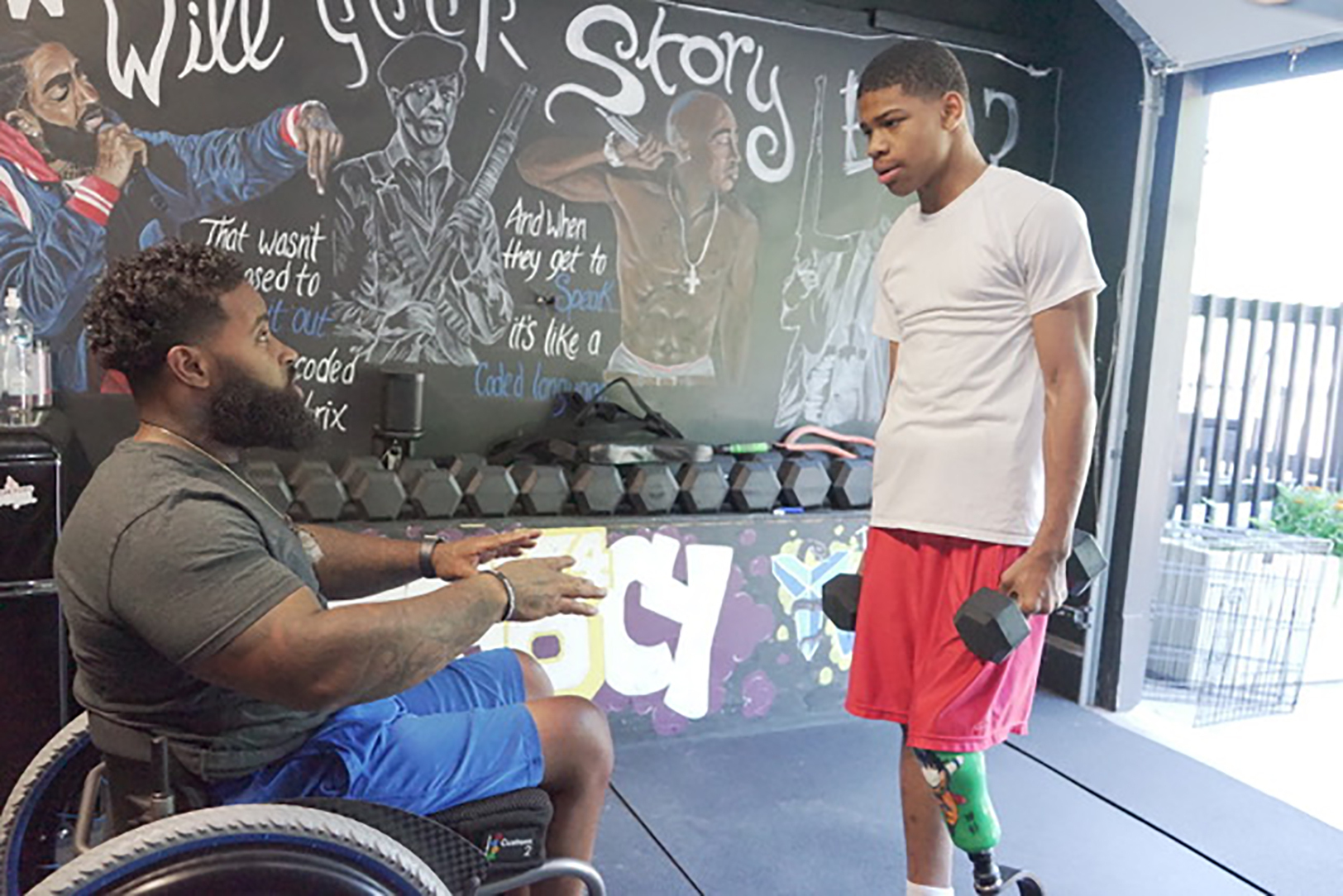
Withdrawing from professional partnerships that don’t align with his values — specifically the Black Lives Matter movement — will be a struggle, Wesley Hamilton admitted, but adaptive athletes already know the heavy lift of overcoming challenges in life.

Wesley Hamilton, Disabled But Not Really
“I need to make sure that I am not only bringing value to my community, but that I’m also collaborating with those who have the same values,” said Hamilton, founder and executive director of the KC-based nonprofit Disabled But Not Really, noting a few months of inconvenience as his operation relocates during the pandemic outweighs other companies’ and organizations’ silence on BLM, social injustice and the death of George Floyd at the hands of police.
Click here to learn more about Disabled But Not Really (DBNR), an inclusive fitness community for differently abled athletes with a particular focus on Kansas City’s east side.
In June, Hamilton — who was notably featured on Season 4 of Netflix’s “Queer Eye” — announced plans to separate from local partners that did not publicly stand in solidarity with the community served by DBNR. He now is making plans to establish his own standalone, inclusive gym space — as well as expand access for Black youth living with different levels of ability.
“We wanted to make sure that our focus stayed on impacting communities that lack resources and acknowledgement,” he said, adding that DBNR’s partners should share that priority.
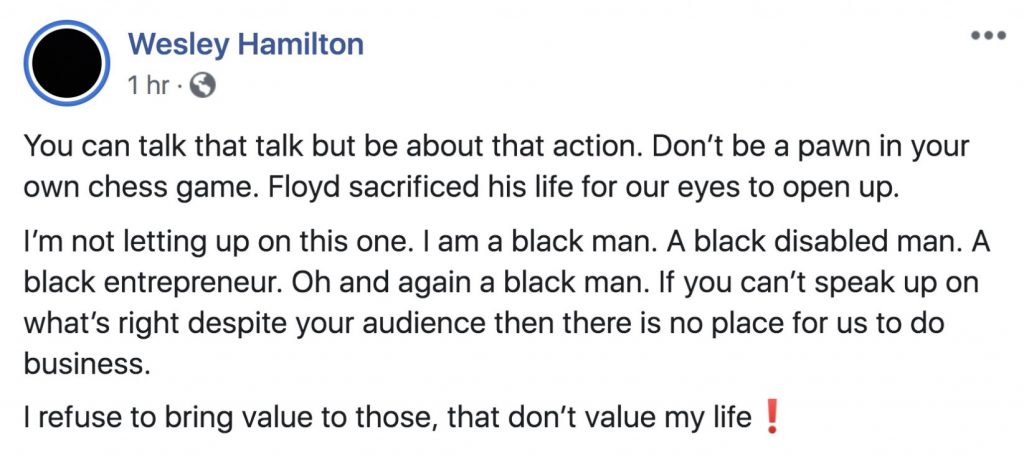
“[One partner] didn’t feel obligated to speak up because their community isn’t really of color,” Hamilton recalled. “I took offense to that because it really doesn’t matter. You speak up for what’s right, right?”
Moving forward, the community advocate is trying to stay around positive people with similar goals, he said, while also trying to find growth opportunities in negative situations.
“You will learn lessons from toxic relationships. You sometimes won’t avoid them,” Hamilton said during the recent Fox4 Working for Youth Summit. “Understand that energy speaks before people do. Read people’s energy and understand their intent might not be yours, and understand you might need to shift that energy to align it in a way that feels good.”
Check out renderings of DBNR’s planned new gym below, then keep reading.
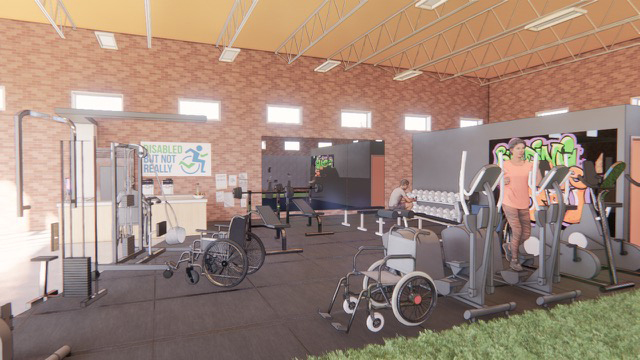
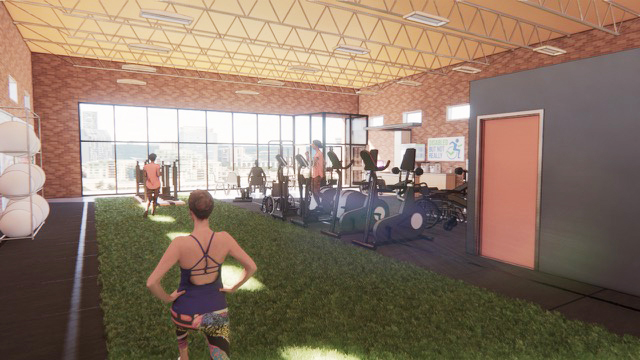
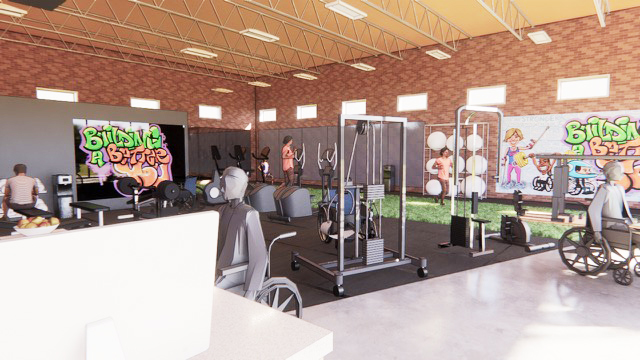
A new home for DBNR
The current political atmosphere has Hamilton rededicating DBNR to the community in which he was raised, he said.
“I think the vision got clouded, but the death of George Floyd made it clear again,” Hamilton said. “For me as a Black man coming from Kansas City and the zipcodes that have the highest crime rates, I understand the effect that systemic racism has on that community. I was a part of that community for so long — I still am.”
‘I got shot and it changed my mindset,” he added. “And so with that, I need to make sure that I can change those systems that I went through.”
Click here to read about Hamilton’s journey, which included the opportunity to meet the man who shot him on Netflix’s “Queer Eye.”
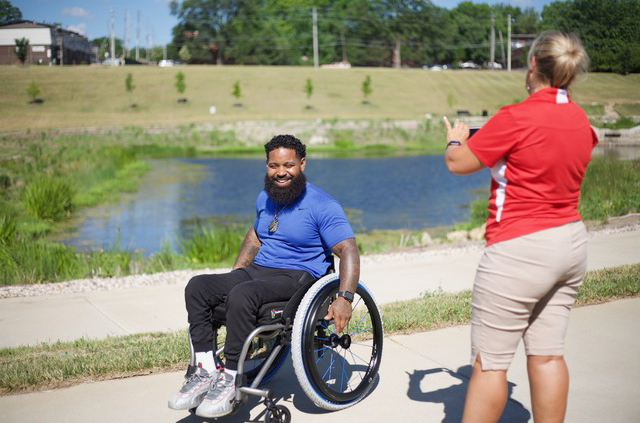
Wesley Hamilton, Disabled But Not Really, KCMO Parks and Rec
DBNR is currently raising funds to build a new facility, he said, noting some of the program’s graduated athletes are continuing fitness at facilities across the metro temporarily while others are being instructed in activities at home.
“Once COVID-19 [regulations] open up a bit more, we’ll be doing community fitness again, but in the meantime, we plan on having our facility by the fall or winter,” Hamilton said. “It’s not like we left anyone high and dry. We made sure our athletes have a place until we find out when we’ll have ours. We are supporting them completely with anything they need until we make the shift with the location.”
A new partnership with Kansas City, Missouri’s Parks and Recreation Department is expected to allow DBNR’s programming and community initiatives at local outdoor spaces, he added, noting an emphasis on the east side of the city.
“We’re highly confident in this structure being started this year and that’s what I’m really excited about,” Hamilton said. “What we’re really trying to do is make sure that people have access to fitness at all times because there should never be a time that you cannot be active just because the facility that you might’ve gone to is closed.”
Making differently abled Black athletes, youth visible
Black communities see a disproportionate lack of resources for their disabled children in general, Hamilton said.
“You don’t see a lot of black kids with disabilities and there’s a reason: all the activities that are out there for people with disabilities, aren’t really diverse,” Hamilton said. “Also, when you’re dealing with people who don’t really have an identity in society — how do you think they feel about being accepting to the child they know is going to grow up in this world differently? There’s a lot of pushback to that.”
“I feel like my organization is geared to change that and make everyone feel loved and accepted, and to do that you have to make sure your environment is comfortable,” he added.
Click here to see Wesley Hamilton share his story on Fox4’s recent Working for Youth Summit.
DBNR is now committed to awareness of these issues through greater access, and pushing for redevelopment grants in east side communities, Hamilton said.
“I think it’s going to be a big, tremendous shift. The beauty is that you’ll start seeing people who are differently abled because they know that they have access to the amenities like parks and resources that the park can provide,” he said.
“We want the people who we’re serving to feel comfortable and to give them the ability to see value in themselves and we can’t do that if the people can’t get to us,” he added.
This story is possible thanks to support from the Ewing Marion Kauffman Foundation, a private, nonpartisan foundation that works together with communities in education and entrepreneurship to create uncommon solutions and empower people to shape their futures and be successful.
For more information, visit www.kauffman.org and connect at www.twitter.com/kauffmanfdn and www.facebook.com/kauffmanfdn

Featured Business

2020 Startups to Watch
stats here
Related Posts on Startland News
Entrepreneur’s pitch: Throw a life vest to those caring for loved ones with special needs
Families of loved ones with disabilities are fighting the clock, said Samantha Lane, Kansas City-area entrepreneur and founder of Lumina Advocacy and Coaching in Gardner. “There is a huge gap to be filled,” Lane said as she described the array of physical, intellectual, and sensory needs affecting — what she referenced as one-fifth of the American…
DivvyHQ landed Novel’s first investment by avoiding hockey-stick growth, co-founder says
It was a marriage of the minds, said DivvyHQ co-founder Brody Dorland, describing his marketing tech firm’s recent investment from Novel Growth Partners. The company’s leadership — Dorland and co-founder Brock Stechman — is honored to be recipients of NGP’s first investment, Dorland said. But the pairing didn’t come by accident, he added. “I think they viewed…
In talent showdown with corporate neighbors, startups must hire smarter, say Digital Sandbox experts
Kansas City heavy-weights like Garmin and Cerner court developers at the student level, said Brody Dorland, discussing a talent showdown seen by startups across the metro. “How am I supposed to compete with that?” asked Dorland, co-founder of marketing tech firm DivvyHQ, during a recent Digital Sandbox: Summer in the Sand panel about growing startup…
KC Fed: Want to strengthen Kansas City’s job market? Narrow skills gap caused by digital division
Digital division in Kansas City is taking its toll on the local workforce, said Jeremy Hegle. More must be done to allow skilled workers access to technology — in turn offering them a chance to succeed in a rapidly growing electronic economy, added Hegle, Federal Reserve Bank of Kansas City senior community development advisor. In…