

Neelima Parasker planned for snow days — COVID came instead; How SnapIT is weathering the pandemic in a new space
June 5, 2020 | Austin Barnes and Tommy Felts
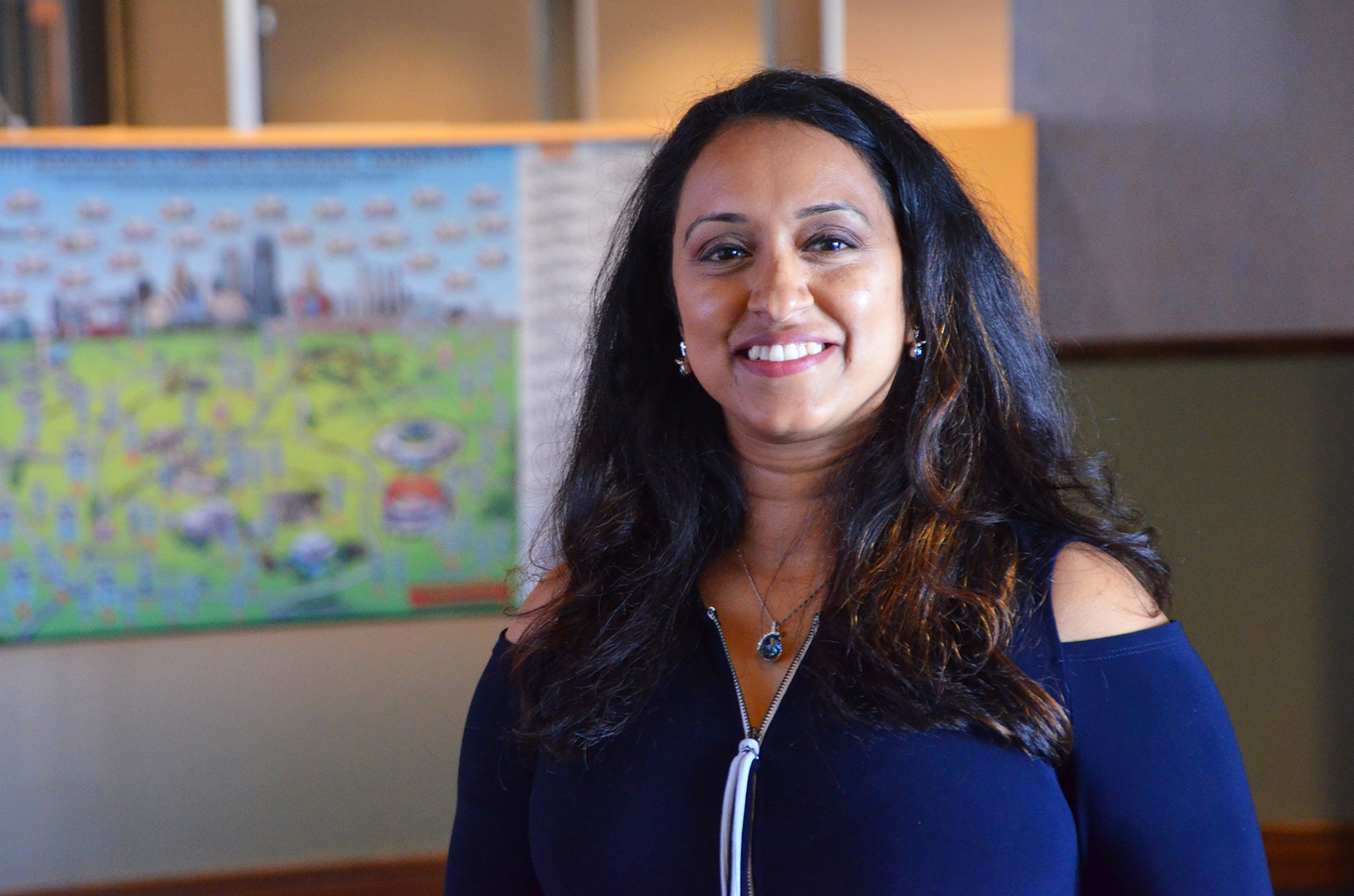
More than 20,000 square feet of silence greeted Neelima Parasker as she returned to work this week after Stay at Home orders lifted.
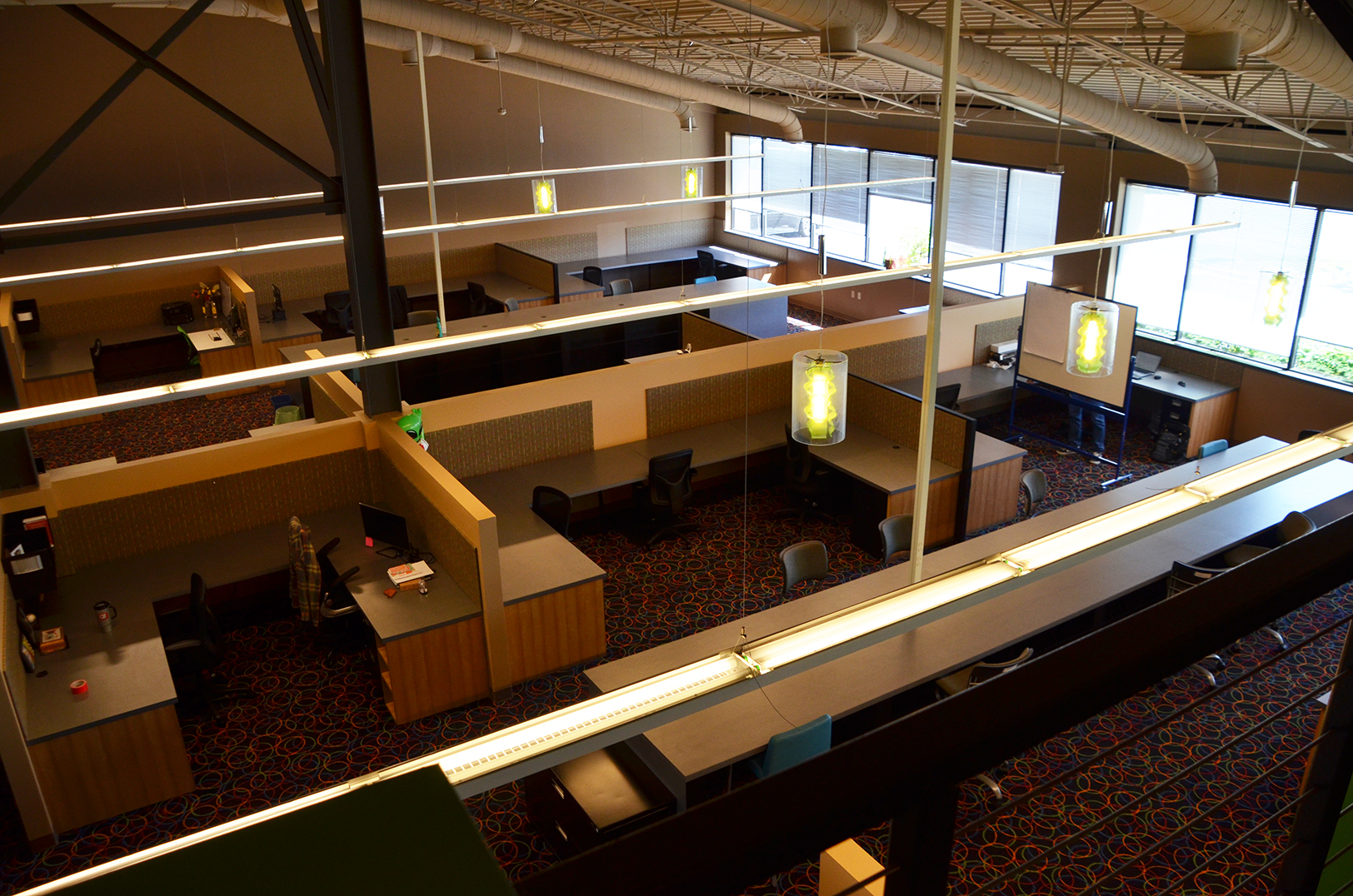
SnapIT Solutions
“Monday we opened up, but really, to very few people,” Parasker, CEO of SnapIT Solutions, said of the startup’s reentry to the traditional workforce — this time, inside a new office space that removes the company from the coworking scene.
Click here to learn more about the IT solutions startup, which specializes in minimum viable product buildouts, workforce development for programmers and other specialized capabilities.
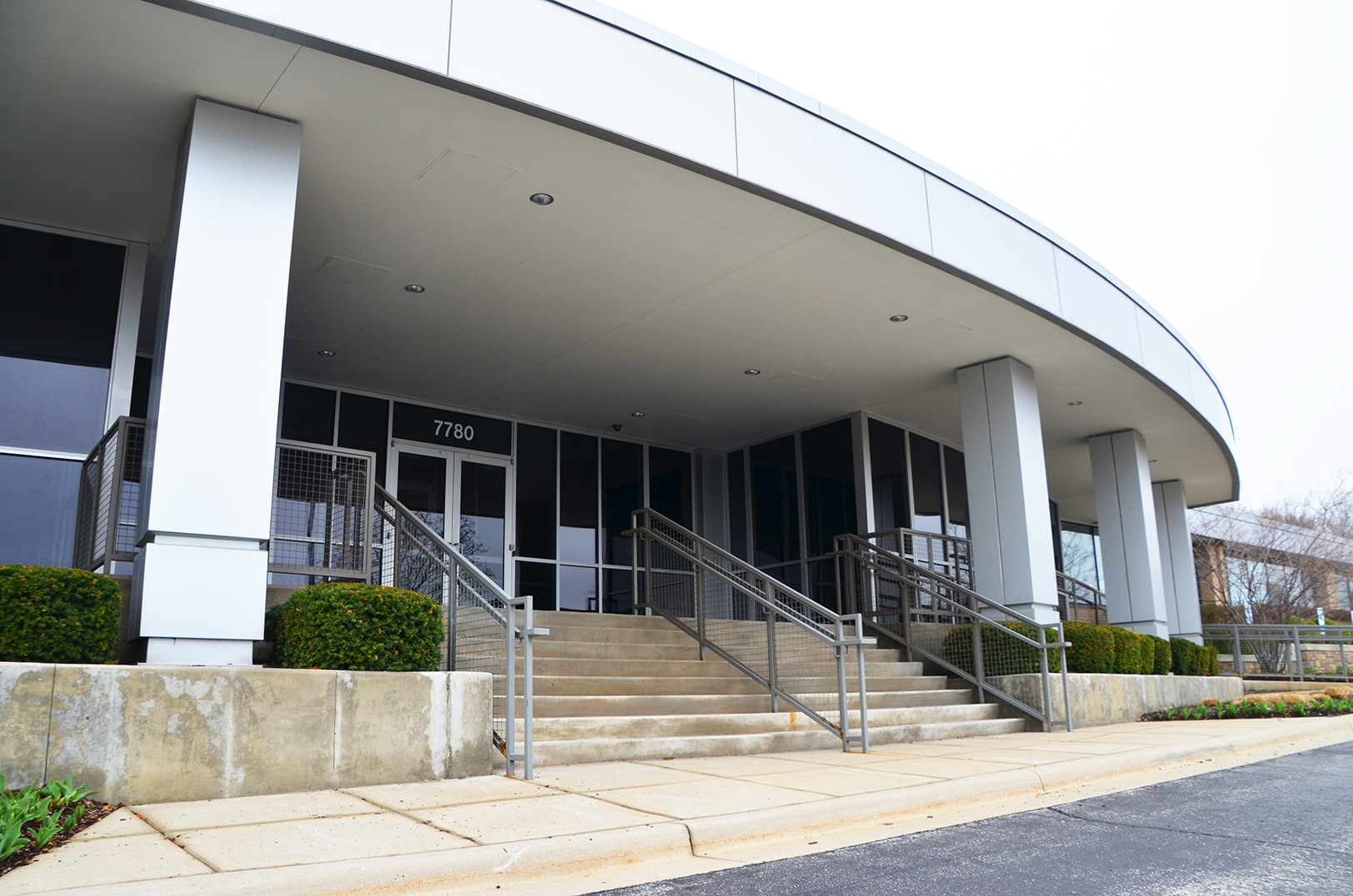
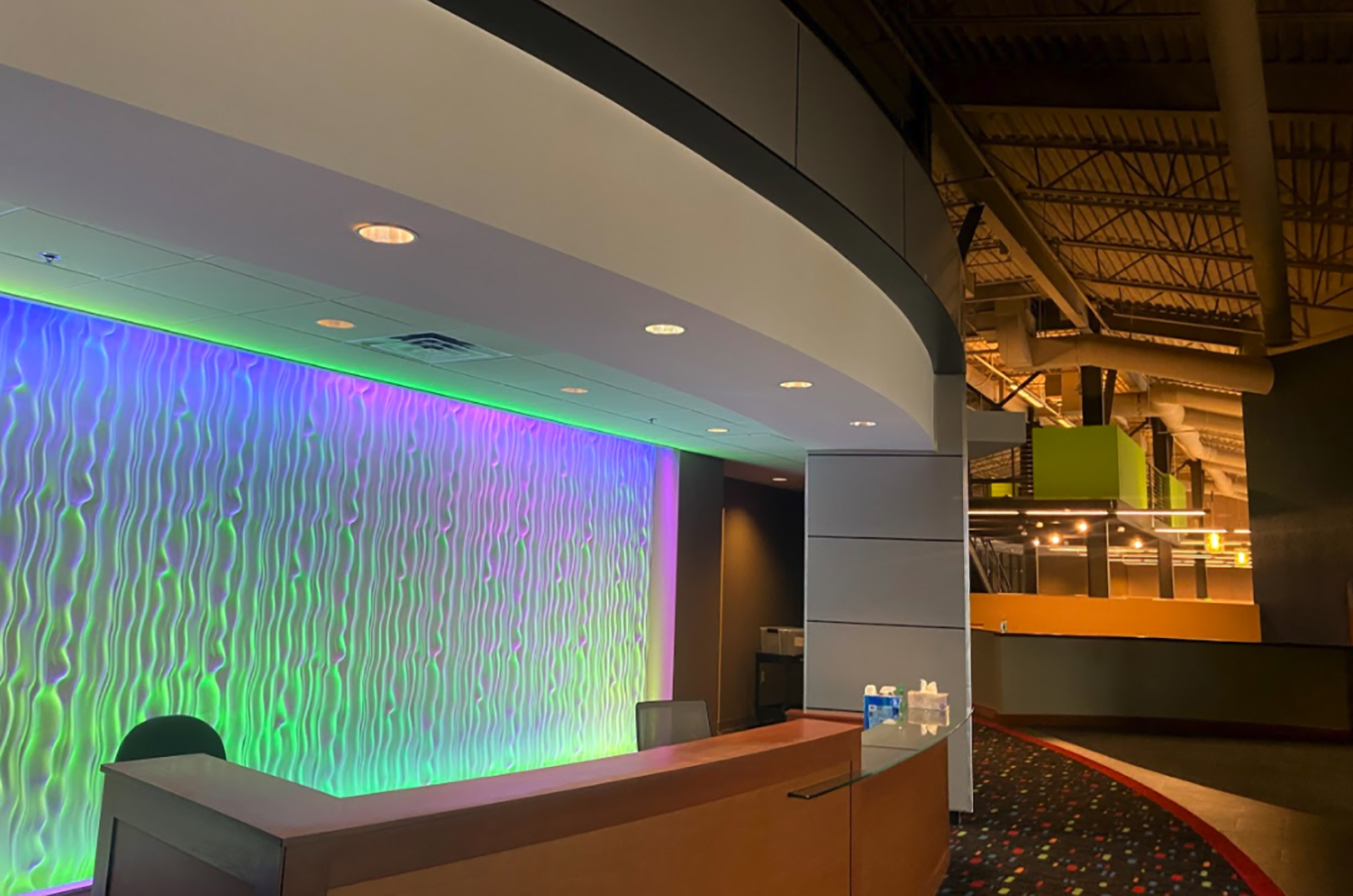
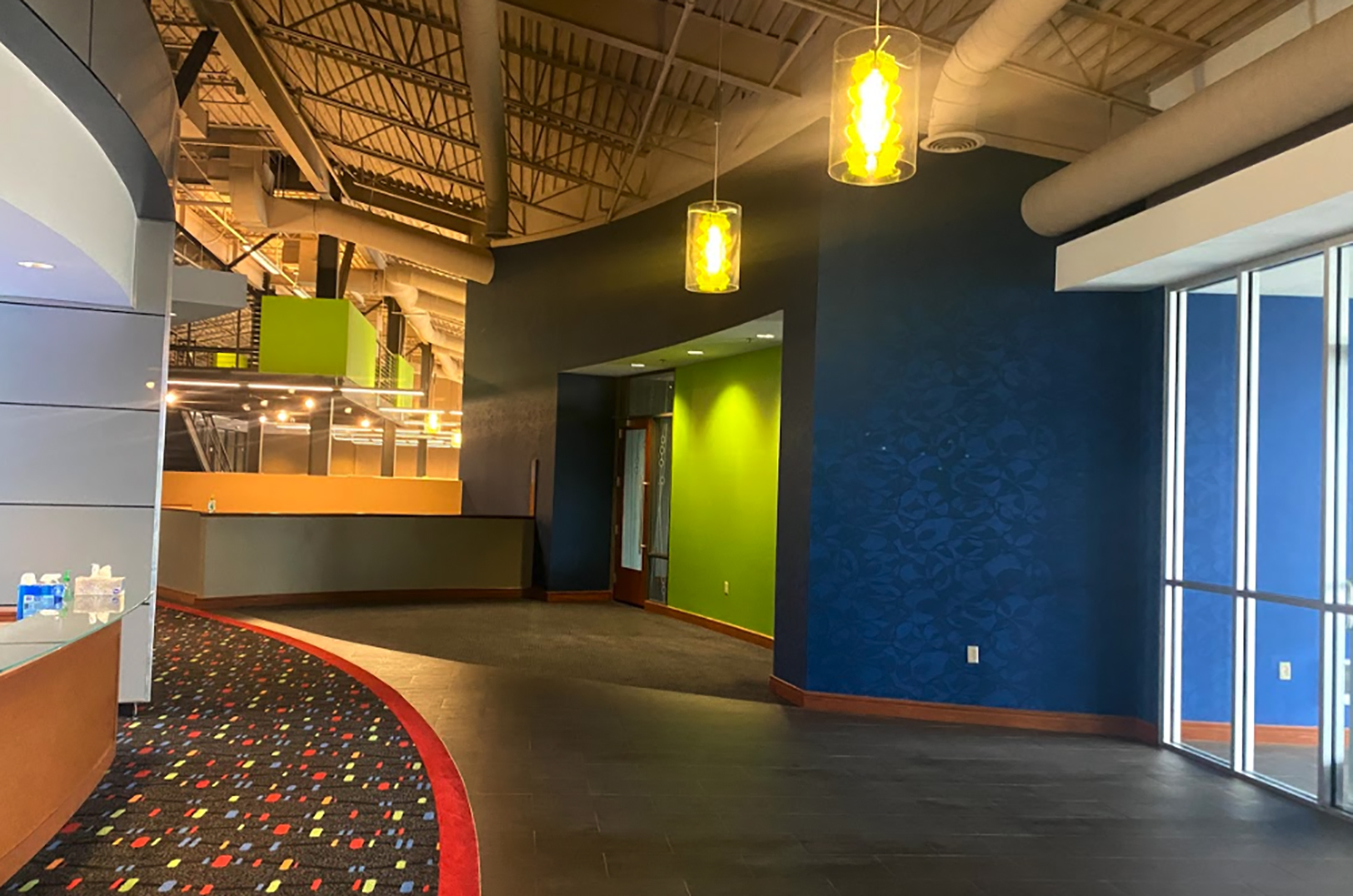
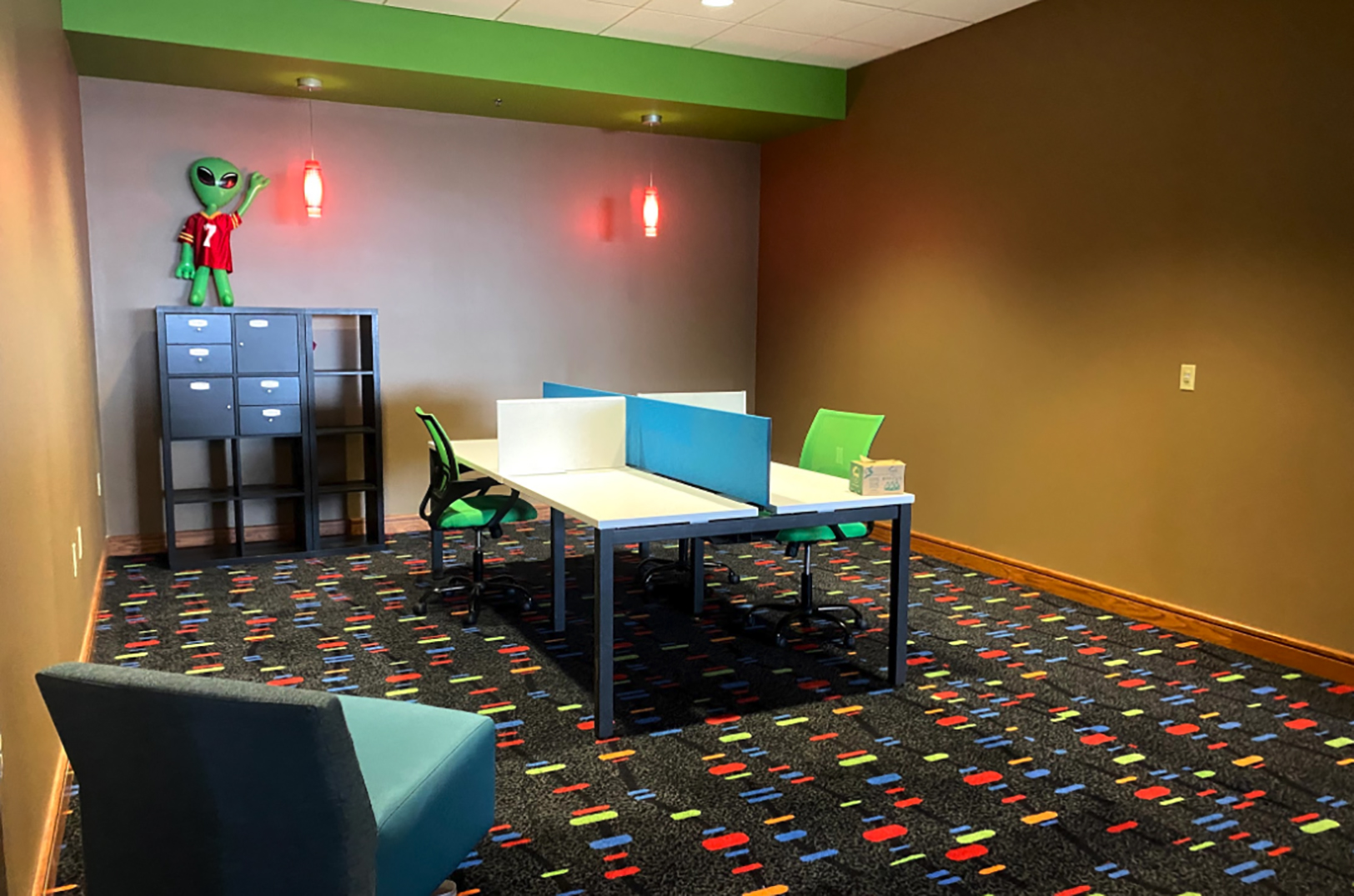
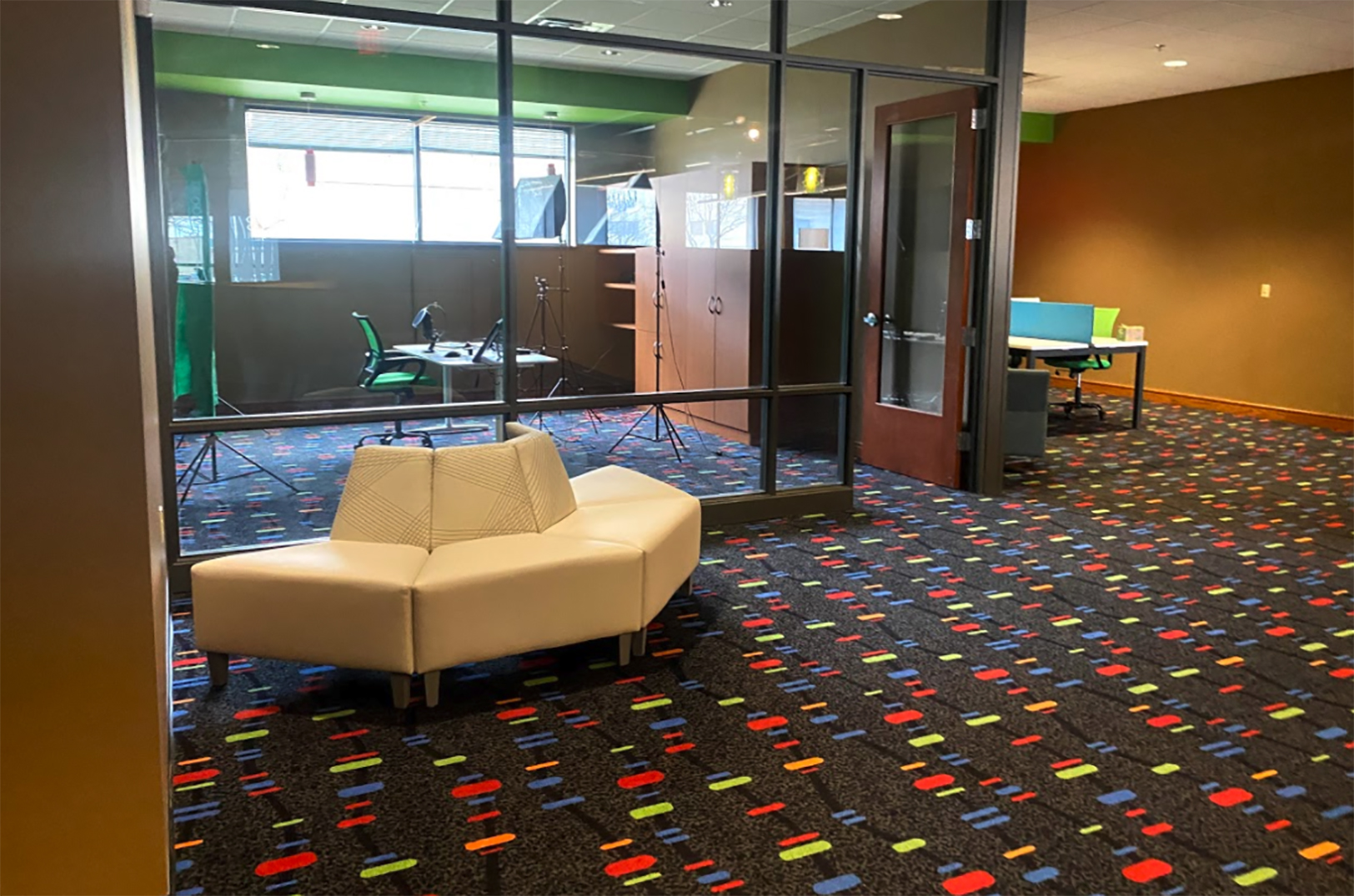
More than 10,000 square feet of the new space — located inside the Rosana Square office park in Overland Park — is secured for SnapIT, which started moving from the GRID Collaborative Workspace before COVID-19 hit in early March.
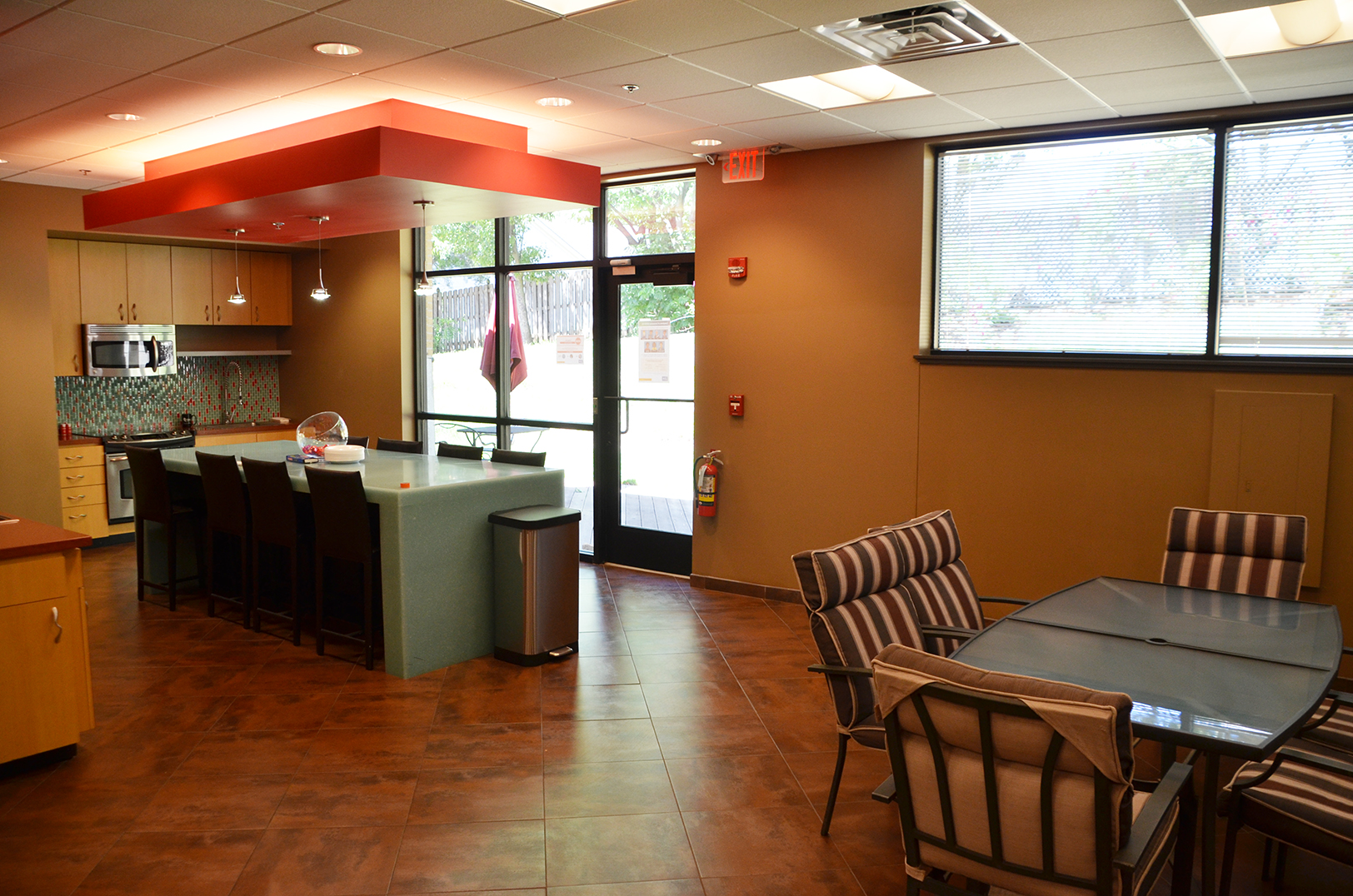
The Rosana Square facility includes conference rooms, a mezzanine, outdoor gathering space, a full kitchen, a gym, and plenty of space for employees to spread out.
But in light of the pandemic, fanfare over the move almost immediately silenced, and Parasker sent her 43-member team home.

“I’m really thankful that I’m globally connected, not just locally,” she said, noting messages from friends in China began pouring in before news of the virus was being taken seriously in the United States.
“There was a day when I was walking out of the office and I said, ‘OK, there is this message coming from China,’ so I ran back into the office and said, ‘Let’s implement the Snow Day Protocol.’”
Such a move is exactly what it sounds like — a plan the company had put in place for its programming students and staff to work remotely should winter weather hit and keep the SnapIT team out of the office for an extended period.
The effort included providing computers and WiFi hotspots to everyone who needed them. A workforce development partner helped SnapIT fill in any shortages, including computers that students could keep after their programming training.
Click here to learn more about SnapIT’s efforts to train Kansas City programmers.
Little did Parasker know, she had drafted the perfect plan to navigate months of home officing in the wake of a global pandemic, she noted.
“I’m glad we did that. … That was probably a small gap, but I didn’t feel like I was putting my employees [at risk,] making them get into contact with people,” she said.
“I’m quite proud of my team. To stand up and just do it at that stage.”

SnapIT Solutions
And while SnapIT is now open for traditional business, the policy will hold steady until the end of the year, for those who aren’t ready to return to the office, Parasker noted.
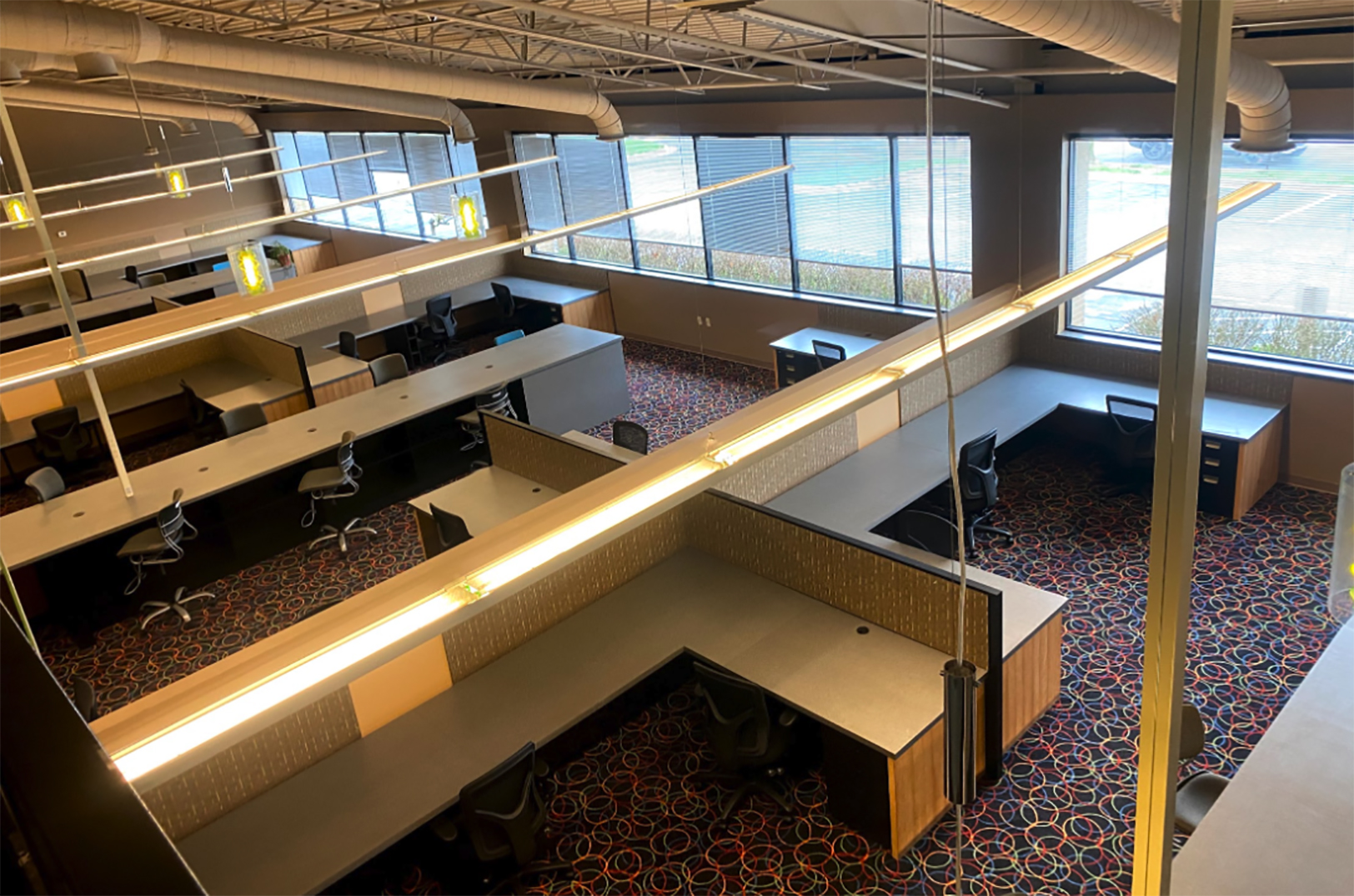
So far, roughly seven employees have made their way back to the space — which is currently undergoing social distance modifications and has implemented such protocols as temperature checks, a guest log, and one-way routes through employee islands in the heart of the office.
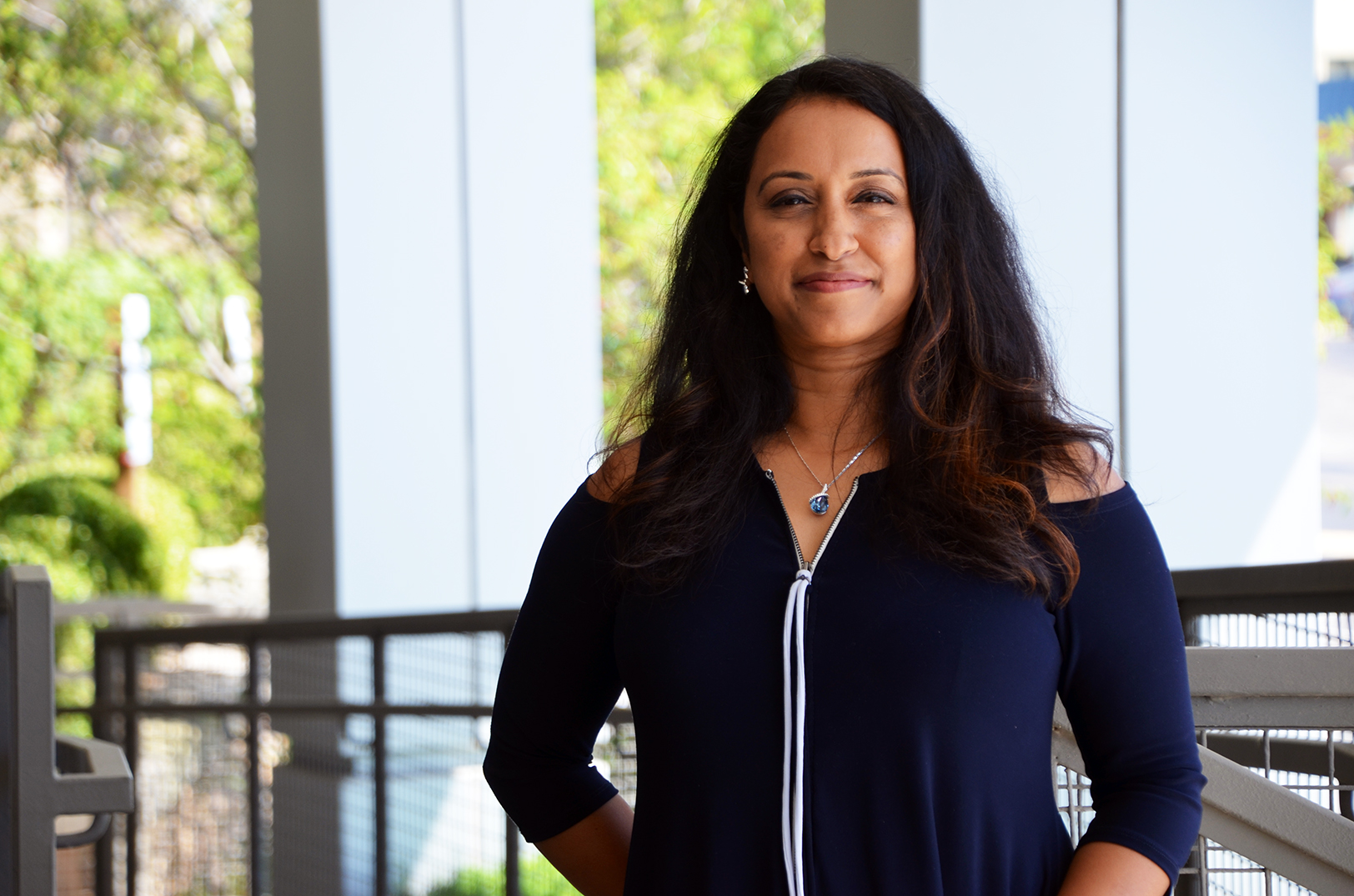
Neelima Parasker, SnapIT Solutions
“High-risk employees cannot come into the office — and definitely not during the office hours,” Parasker elaborated on new company policies, drafted by the company’s new COVID-19 committee.
“It’s difficult to meet in this time. I feel empathetic and I feel there are too many voices speaking at this time,” she said. “I wish we had one voice speaking that made sense, but we’re just not sure who’s words to follow at this point, so we’re making our own.”
The SnapIT COVID committee meets weekly to review best practices and new guidelines — an evolving process that’s challenging for company leaders, Parasker added.
“I’m really being the bad cop,” she said, noting enthusiasm to return to work is widespread, but she’s actively stopping it in the interest of keeping her team safe long term.
“Nobody knows the best protocol. … What happens if some gets COVID? What happens if there’s a team that’s isolated? What happens if someone is in that situation and there’s a fatality? We have all age groups, all types, all genders [of people], so we should be prepared for all of these.”

This story is possible thanks to support from the Ewing Marion Kauffman Foundation, a private, nonpartisan foundation that works together with communities in education and entrepreneurship to create uncommon solutions and empower people to shape their futures and be successful.
For more information, visit www.kauffman.org and connect at www.twitter.com/kauffmanfdn and www.facebook.com/kauffmanfdn

Featured Business

2020 Startups to Watch
stats here
Related Posts on Startland News

Events Preview: Conquer for Good, TEDxUMKC
There are a plethora of entrepreneurial events hosted in Kansas City on a weekly basis. Whether you’re an entrepreneur, investor, supporter, or curious community member — we recommend these upcoming events for you. Are you hosting a relevant community event? Feel free to add it to the FWD/KC calendar for increased exposure. Once your event…

Jaguar Land Rover invests in artificial intelligence startup Mycroft
Mycroft has received a significant boost in horsepower. Only a few weeks after entering 500 Startups, Mycroft has landed a strategic partnership with Jaguar Land Rover. The Kansas City-based artificial intelligence startup is among the first startups to enter the Portland-based Jaguar Land Rover Tech Incubator, which will provide Mycroft with a $110,000 investment and…

KC-based OYO Fitness closes a historically successful Kickstarter
To say that OYO Fitness has a successful Kickstarter campaign would be an understatement. The Kansas City-based fitness firm folded up and then crushed its recent crowdfunding effort, which raised a stunning $659,000 for its collapsible and compact exercise device. OYO’s DoubleFlex Black campaign — which snagged pre-orders from 4,200 backers — was the second…
Survivor, innovator Kim Gandy rewards patients for sticking to treatments
In her 20 years working as a transplantation clinician, Kim Gandy found it baffling that a seemingly simple problem had such a difficult time finding a solution. Transplant patients consistently struggled to adhere to their health regimens, resulting not only in significant costs for care providers but also death. “We were literally losing patients,” Gandy…