

Donations drop as KC reopens — but need for help outlasts COVID’s peak, says Merry Outlaw
June 8, 2020 | Elyssa Bezner
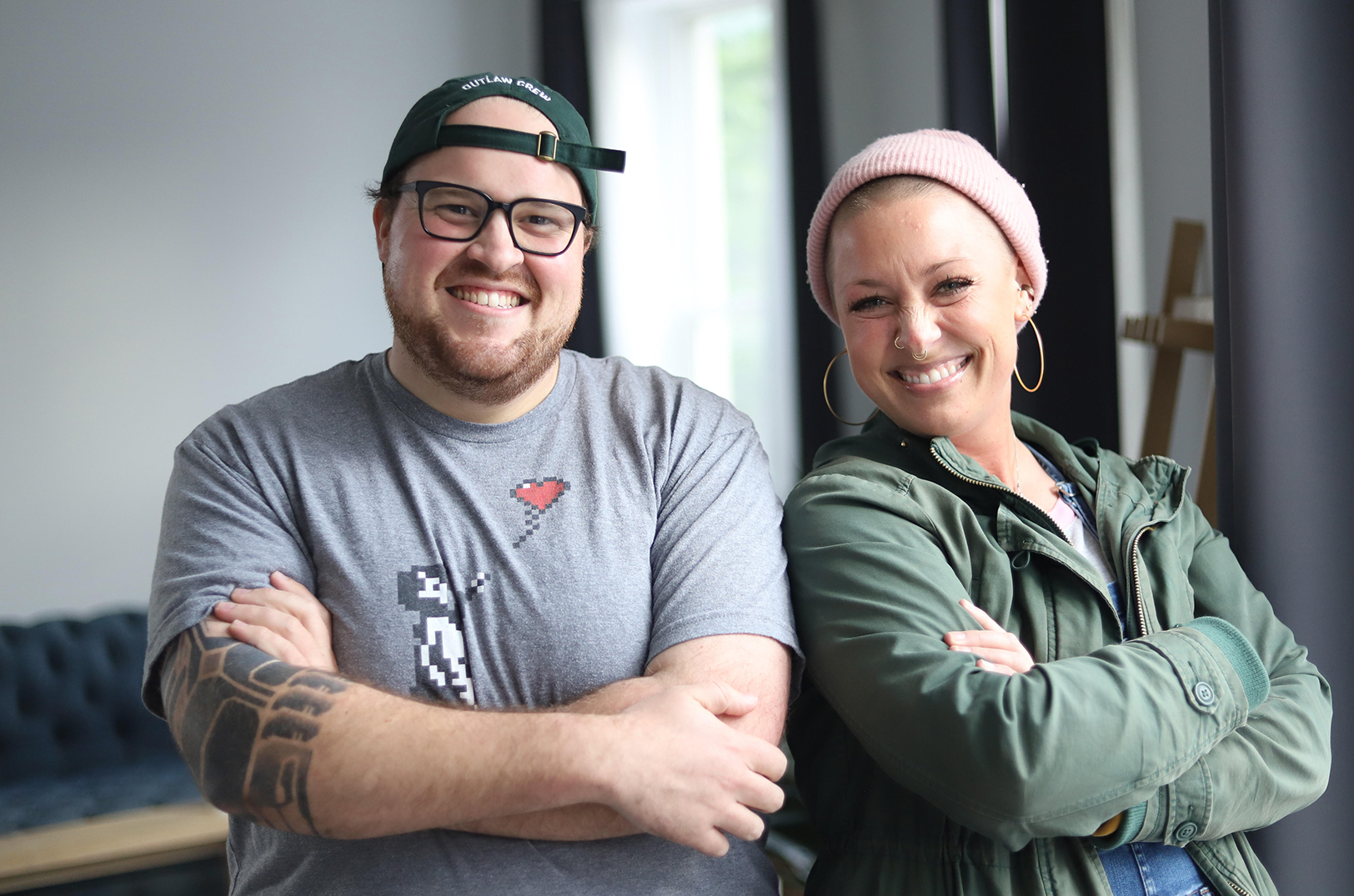
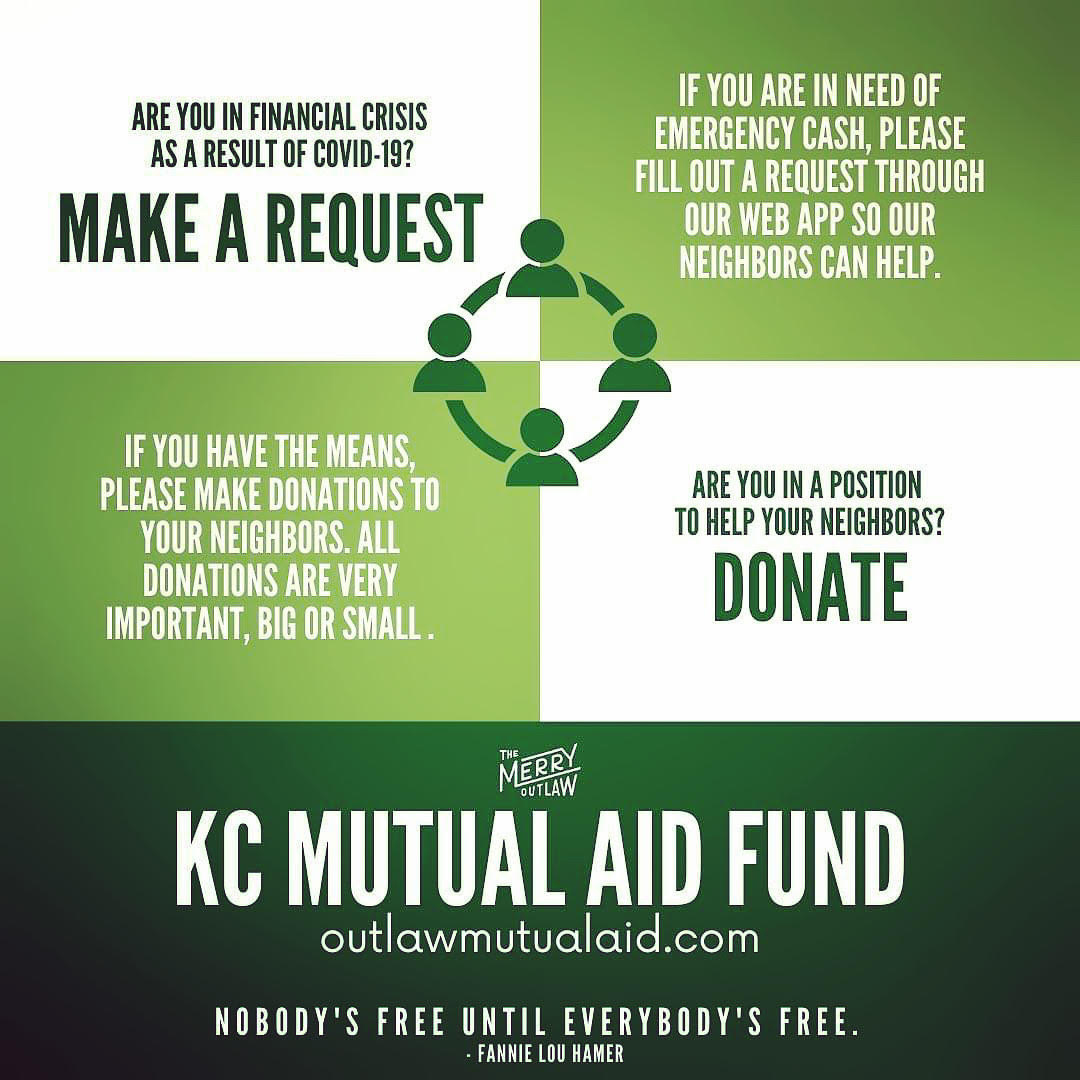
Merry Outlaw’s quick pivot to a COVID-19 Mutual Aid app raised $11,000 in a little over a month — but donations slowed as people turned their eyes back to “normal life,” said Lindsay Smith.
“Our first month we hit $10,000 — and you don’t want to get discouraged about this — but in the beginning, there was all this hype and people were really excited, looking for ways to donate and we got this big influx of donations early on,” said Smith, co-founder of Merry Outlaw, a social enterprise that aimed to open community restaurant before the pandemic, along with partner Chris Whited.
“None of us had experienced this before, so people just felt like it was a call to action,” she said of the origins of the KC Mutual Aid Fund organized by Merry Outlaw. “For the people who have money to donate, the pandemic is sort of over because they still have employment and they’re going back to a semi-normal life, but then the people who are unemployed — they’re just getting started down a long path of really difficult financial struggles.”
“People feel like it’s over and it’s definitely not over for most folks in Kansas City,” she added.
Click here to learn more about how to get involved and become a donor.
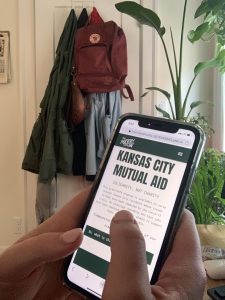
The Mutual Aid app allows users to make requests for funds within such categories as rent, utilities, food, and children’s needs. Once a request is live, other users who are capable of filling the need are redirected to the website to fill the need through any payment app they are comfortable with, she said.
“Really the app is a place for us to keep track of donations, but there are no payments going directly through it,” she added.
In the early months of the app, the Merry Outlaw team set a monthly goal of $10,000 in donations. With the decreasing number of donors, the team now is shooting for a more realistic goal of at least $5,000 per month, she said.
“At this point, we’re kind of backing up a bit, and I’d say that $5,000 a month is really doable at least for the rest of the year,” she added.
Envisioned as a social enterprise, Merry Outlaw initially planned to build a restaurant aimed at addressing wealth redistribution before quarantines set in across the U.S., Smith said.
“Originally, we thought people would come into [the restaurant] and essentially overpay for their diner — a fancy, farm-to-table dinner — and the profits would go to lunch vouchers [which would be given away] and then, lunch would be partly paying customers, partly voucher recipients,” she said. “The whole idea was [built on] wealth redistribution and getting people to bridge the gap between the rich and the poor, as well as have a space that’s accessible to everybody.”
The dedicated space would also see the exchange of resources, which customers would indicate via an app, Smith said.
“My partner Chris had a skeleton of that app already designed, but once the pandemic happened, we were like ‘How can we make this work for Mutual Aid?’” she added. “So he built the rest of it in like two weeks once it happened. He just went crazy on a whiteboard and cranked it out.”
Merry Outlaw had collaborations in the works with several nonprofits in 2019, and planned to begin food-centered projects in the community starting April 1 — efforts put on hold as concerns over the pandemic intensified this spring, Smith said.
“So we pivoted to the Mutual Aid app — which definitely does center all of the same values that we had before with the other programs that just aren’t a [more immediate] response to everything that’s going on right now,” she added.
The complicated backstory has lended to some confusion about the intended message of the Merry Outlaws organization, Smith admitted, laughing.
“That could be my fault because there were so many phases of Merry Outlaw that it’s a bit difficult to decipher, but I guess we’ll just keep it simple [for now,]” she said.

This story is possible thanks to support from the Ewing Marion Kauffman Foundation, a private, nonpartisan foundation that works together with communities in education and entrepreneurship to create uncommon solutions and empower people to shape their futures and be successful.
For more information, visit www.kauffman.org and connect at www.twitter.com/kauffmanfdn and www.facebook.com/kauffmanfdn

Featured Business

2020 Startups to Watch
stats here
Related Posts on Startland News
Five inspiration points in Westport’s new Freedom design showroom (Photos)
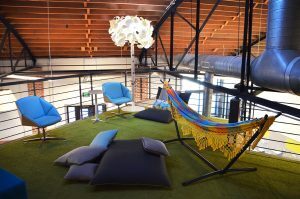
Carol Espinosa bears a striking grin as she bounds up the steps to the rejuvenation area at Freedom Interiors. Palpable excitement beams through her voice. “This is possibly my favorite part of the showroom,” she says, pointing out the lush green carpeting, comfy seating and 360-degree view of the renovated space at 4000 Washington St.…
Brazil to KC: Carol Espinosa showcases path to creativity, opportunity
She arrived in the United States with just two suitcases and her own creativity, but today Carol Espinosa fills a 7,000-square-foot Westport storefront with enough modern workplace designs to unpack for weeks, she said. “This company was built from nothing,” said Espinosa, founder of Freedom Interiors. “It started with no customers, no product offerings —…
American buying habits push Swappa to $70M in 2017 hand-me-down tech sales
Grown from a one-person, side-hustle project to a team of more than 30 people, Kansas City-based Swappa is swelling. The user-to-user marketplace for buying and selling used technology enjoyed its best year to date in 2017. The platform sold more than $70 million in hand-me-down electronics in 2017 — up about 17 percent from 2016, said…
BKS Artisan Ales takes measured approach with nano-brewery concept
It takes only about an hour for BKS Artisan Ales to sell out of its packaged bottles and cans each Saturday afternoon, Brian Rooney said. “We thought it would be great if maybe 40 people came in and maybe each of those 40 took a beer home,” said Rooney, a craft brewer who owns and…