

Startup veteran pilots Air Traffic Awareness, wants ‘Silicon Valley of Aviation’ to truly take flight
June 5, 2020 | Austin Barnes
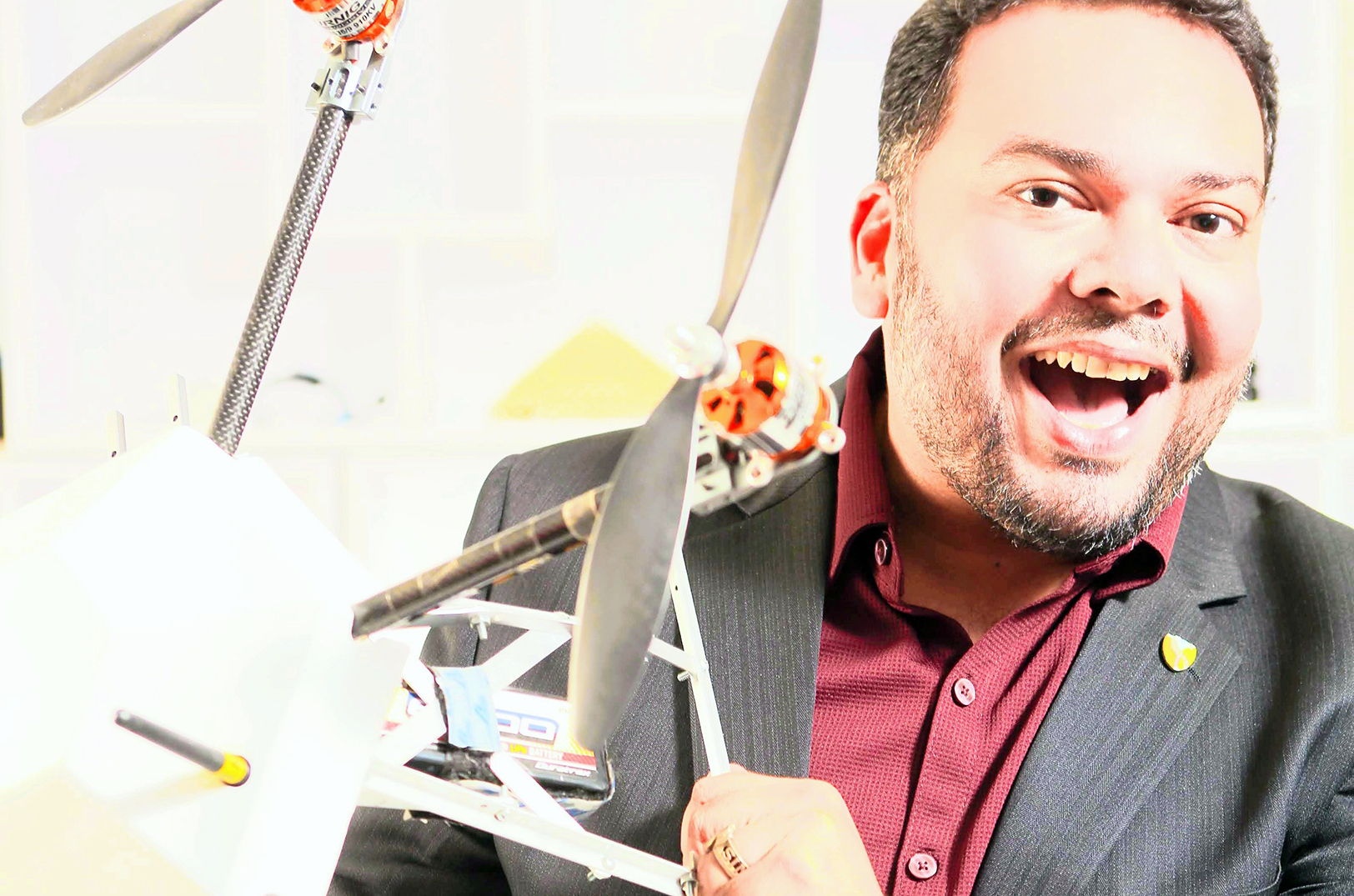
A climbing Kansas City startup could save lives by bridging technology gaps in air travel, said Kashif Hasnie.
“Collisions are among the top causes of aircraft accidents in the world,” explained Hasnie, CEO of Air Traffic Awareness.

First launched as a class project at the University of Missouri-Kansas City, Air Traffic Awareness has developed patent-pending, in-flight tech — in line with Federal Aviation Administration-mandated Automatic Dependent Surveillance–broadcast (ADS-B) technology — that helps private pilots who lack fancy bells and whistles, steer clear of collisions via real-time aircraft display on any mobile device and without WiFi, radar, or expensive equipment.
Currently, pilots of small planes have to physically check their surroundings to see if there are other aircrafts nearby, leading to dangerous inefficiencies mid-flight, Hasnie said.
“It’s like driving a car. … When you’re reversing, turning left or right, you have to move your head to see if somebody is coming,” he said.
“We have come up with a device that can inform pilots of their surroundings better.”
Proving the company’s worth, Air Traffic Awareness was recently accepted by the Massachusetts Institute of Technologies (MIT) Enterprise Forum at Cambridge — a first for a Kansas City-based company, Hasnie explained.
“This is a huge thing. The problem and the solution has to be global,” he said. “MIT’s aero-astro [program] is No. 1 in the world, along with Caltech [the California Institute of Technology], so we’re looking forward to a very, very exciting year.”
Click here to learn more about Air Traffic Awareness.
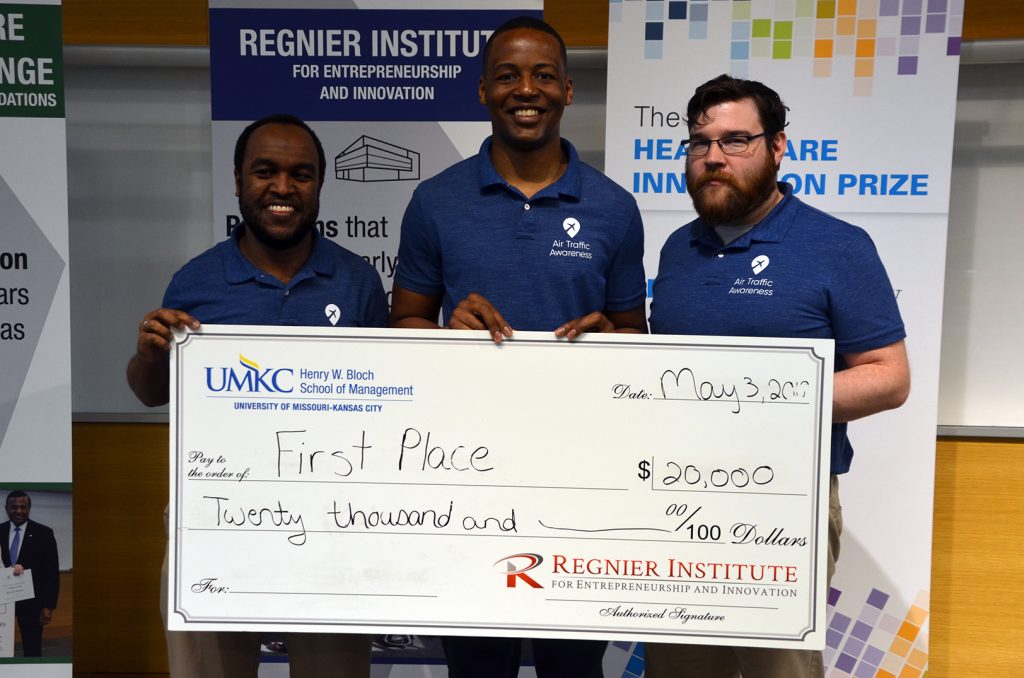
Merwan Abdelmajeed, Tonderai Kambarami and Cameron Knight, Air Traffic Awareness, 2019 Regnier Venture Creation Challenge
A veteran of the Kansas City startup scene with ties to the Kansas City Startup Village, the west coast and several startup exits, Hasnie joined Air Traffic Awareness earlier this year, hopeful the startup could shatter records and set examples similar to the sale of EyeVerify to Alibaba, he said.
“There has been a lot of hoopla [since] — a lot of noise, but nothing big,” Hasnie candidly said of the current state of Kansas City’s entrepreneurial ecosystem in the years after the EyeVerify exit.
While such words might sound harsh, Hasnie says them with care and concern, he stressed.
“There’s a lot of effort there, but I think we lack the educational and institutional prowess. … I think intellectually we are way behind even tier two, tier three [cities],” he added.

Tonderai Kambarami, Merwan Abdelmajeed and Cameron Knight, Air Traffic Awareness
Hasnie’s sentiments come from a place of understanding his company has yet to prove itself and are instead offered as a call to action within the startup ecosystem and are meant to serve as an honest take on its progress, he added.
“Not much was happening until I met the three geeks,” he laughed, referencing the nickname he’s given his startup’s co-founders — affectionately dubbed “three geeks and a guru” — and their vision for a solution-driven startup that serves an untapped market.
The geographic location of the city could also prove to strengthen the reach of Air Traffic Awareness, Hasnie said.
“I consider [Kansas City] as part of the greater part of Wichita, which is the air capital of the world. And we have a tremendous amount of innovation and a critical mass of scholarships within the area,” he said, noting the impact of aviation and aerospace programs at Wichita State University, the University of Kansas, and the University of Missouri.
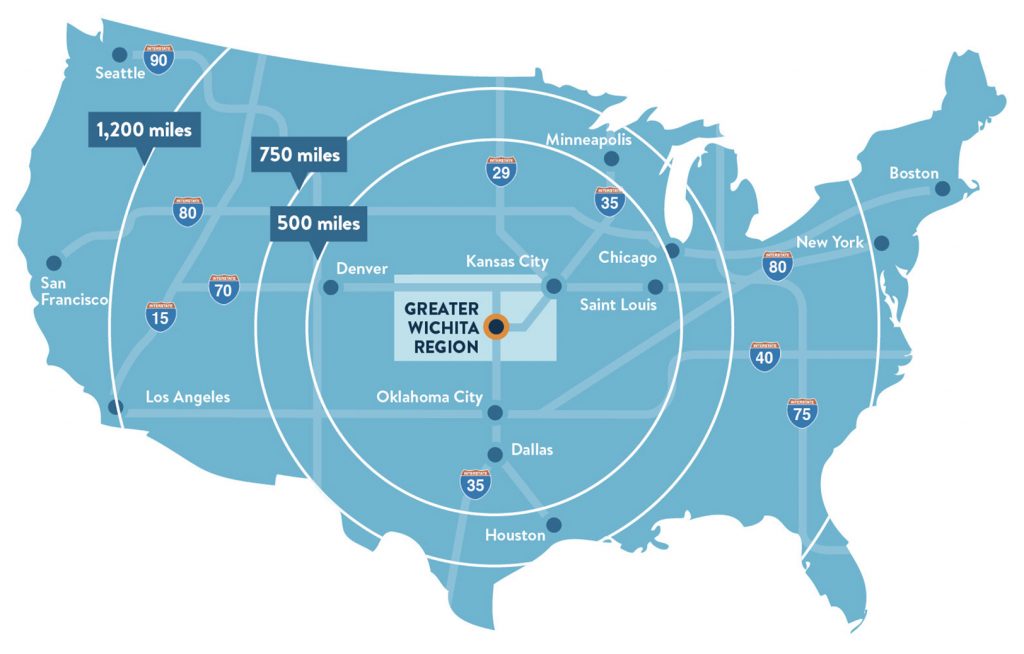
“It’s fantastic to thrive in this area,” he added. “I sometimes think and say this is the Silicon Valley of aviation.”
The right place at the right time, Hasnie is eager to hit the ground running with Air Traffic Awareness and hopes the company can challenge and ultimately help the local ecosystem spread its wings and reach new heights.
“This whole startup is for Kansas City,” he said. “We wanted to do something for Kansas City. I wanted to give back because I love it, to tell you the truth.

This story is possible thanks to support from the Ewing Marion Kauffman Foundation, a private, nonpartisan foundation that works together with communities in education and entrepreneurship to create uncommon solutions and empower people to shape their futures and be successful.
For more information, visit www.kauffman.org and connect at www.twitter.com/kauffmanfdn and www.facebook.com/kauffmanfdn


2020 Startups to Watch
stats here
Related Posts on Startland News
K-State LAB offering Kansas startups free growth resources
A Kansas State University business development program is awarding more than $100,000 in grants to Kansas startups. Through K-State LAB — which stands for “launching a business” — participants will receive business lessons, face-to-face mentoring and access to market research. Launched in 2014, the program aims to connect entrepreneurs with the right people so that they…
Kauffman Foundation launches initiative to topple startup barriers
During an annual trip to Washington D.C., Ewing Marion Kauffman Foundation CEO Wendy Guillies urged the U.S. Congress to take action to eliminate barriers for entrepreneurs to launch new businesses. In her 2017 State of Entrepreneurship address, Guillies said that millions of Americans are being left out the U.S. economy and that trends of dwindling…
In address to Congress, Victor Hwang urges action on entrepreneurship deficit
Tapping into his own entrepreneurial story, the Ewing Marion Kauffman Foundation’s vice president of entrepreneurship testified before Congress on cutting obstacles to starting a business. Before the U.S. House Small Business Committee, Victor Hwang joined an expert panel of entrepreneurs and researchers to discuss common struggles entrepreneurs face, possible solutions and emerging trends. As Republican…

Kansas City milkman Matt Shatto launches new ag tech company
Matt Shatto — co-founder of the the popular Kansas City dairy Shatto Milk Company — is trailblazing new sustainable tech to help farmers reap more crops and reduce costs. Launched in 2016, Kansas City-based TerraManus Technologies created a patented device that helps farmers better manage soil and allocate water resources. The “TerraStar Disk” looks like a plastic…