

Tesseract’s robot reveal: Wearable proximity trackers to keep workers at a safe distance
May 27, 2020 | Austin Barnes

Kansas City-wired clip-on robots could make social distancing a second thought, as Tesseract Ventures shares its first mainstream product with the world.
“This product exemplifies our mantra that there is nothing more human than technology and is a great example of what you can expect to see from Tesseract Ventures in the future,” said John Boucard, Tesseract Ventures founder and CEO.
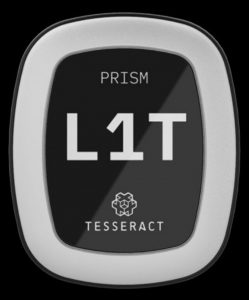
Tesseract PRISM
The high-tech robotics startup — one of Startland News’ Kansas City Startups to Watch in 2020 — announced the Tesseract PRISM (TM) Wednesday, marking the first major unveiling of a product for the company, which has raised significant venture capital from local funders — despite heavily guarding its plans and technology.
“We recognize how hard essential employees are working right now, and we are proud to be able to provide a technology that can help create safer work environments during this difficult time,” Boucard added.
Click here to read more about Boucard and his vision for the future of robotics.
Unveiled as Stay at Home orders continue their roll back, PRISM acts as part of a larger cyber-physical worksite-management system, in tandem with Tesseract PRISM Anchors — wearable badges which track and document the proximity of workers and students in real time and alerts staff and management if social distance is broken, ultimately creating safer work and school environments, the company explained in a release.
“The capabilities of this product are endless, now and in the future,” said Dave Starr, vice president of research and development for Tesseract. “Not only is PRISM a vital piece of technology for ensuring workers keep their distance from one another during this pandemic, it was originally designed to benefit industry operators by providing data to help them identify problem zones within a site.”


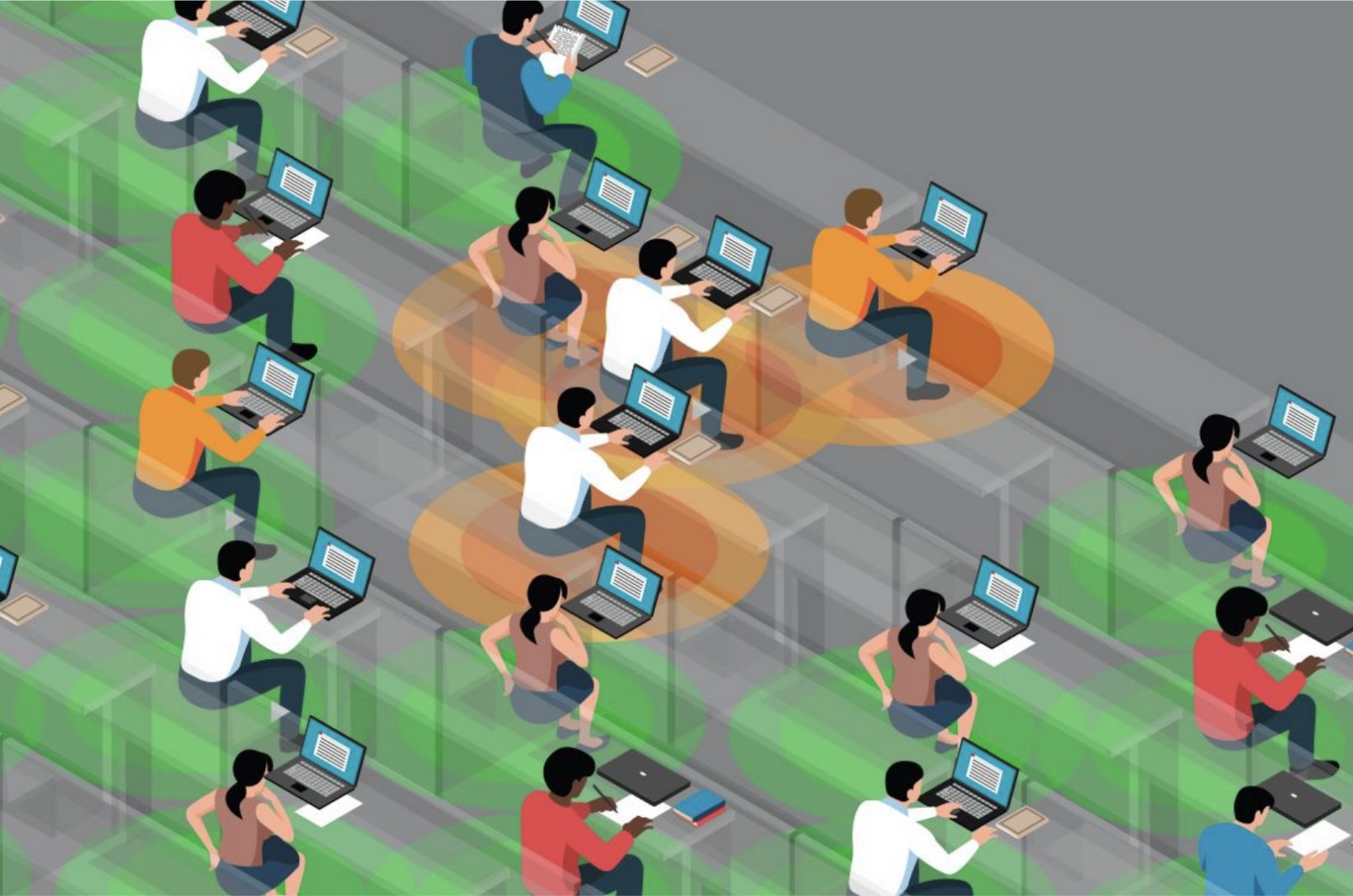
Full product capabilities include credentialed worker identification; emergency SOS beaconing; control site access, defined entry and exclusion zones within the job site; the ability to assign workgroups, privileges and certifications for individuals; the ability to assign personal space requirements and receive alerts when cross-contamination occurs; rugged, site-ready construction; and RFID compatibility with existing access points.
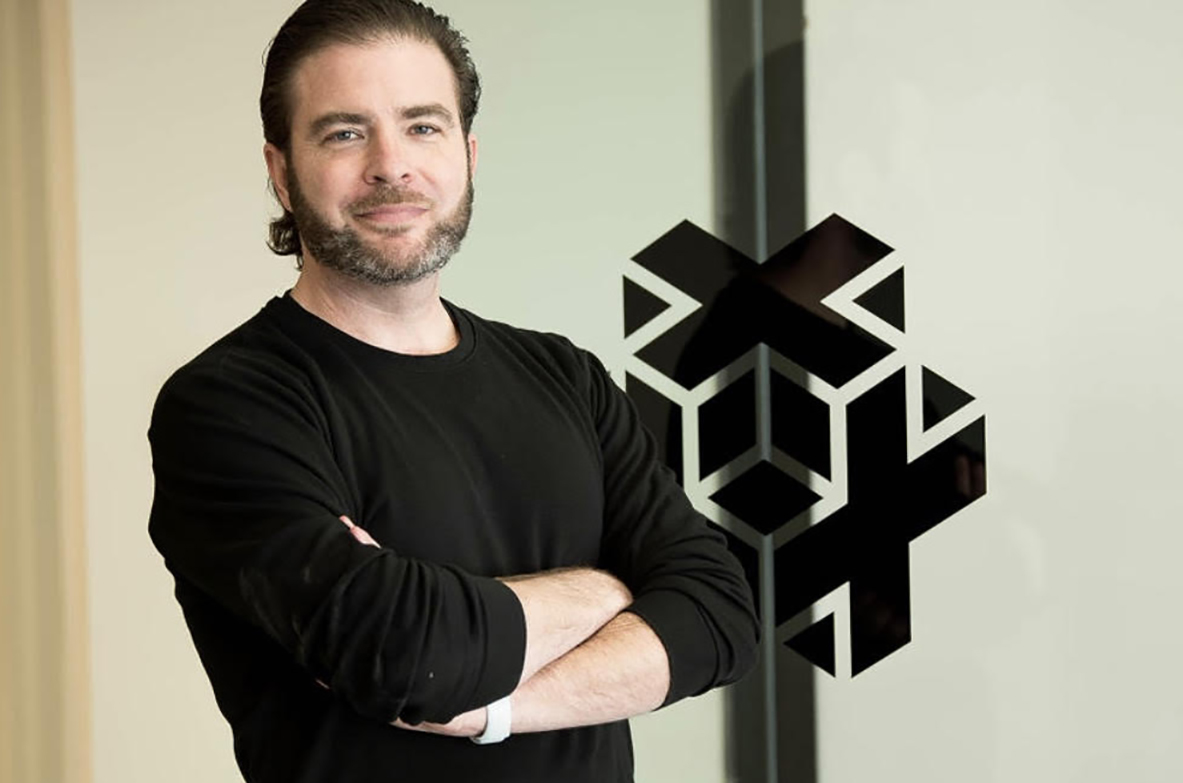
John Boucard, Tesseract Ventures
PRISM was developed in Tesseract Ventures’, Crossroads-based Future Lab — an advanced, multi-disciplinary R&D studio — and was built in the company’s Martin City-based Cyber-Physical studio, which develops products that will define the future of work.
The company has two additional development studios — Experiential Entertainment and Human Things — which round out its mission to empower businesses and people to be able to defy the boundaries of space and time, Boucard told a crowd gathered for the Startland News’ Kansas City Startups to Watch in 2020 Celebration in January.
The startup’s mission was most recently backed by a $2 million investment from UMB Capital Corporation in March.

Featured Business

2020 Startups to Watch
stats here
Related Posts on Startland News

Meet the five area startups partnering with KCMO to drive innovation
A quintet of startup firms are working with the City of Kansas City, Mo. as part of its Innovation Partnership Program. Launched in 2015, IPP pairs area startups with city departments to not only identify new efficiencies but also offer the firm a chance to earn business with the city. After being designated a department…
KC entrepreneurial leader Wullschleger becomes new WeWork director
Before its doors even open, WeWork is making significant inroads to the area entrepreneur community. The international coworking giant — which announced plans to create a 40,000-square-foot space in Kansas City in March — has hired Erik Wullschleger to become its community director. Most recently the director of LiveKC and previously general manager of the…

Wide Ruled: The future of Kansas schools with education commissioner Randy Watson
Editor’s note: In partnership with the Wide Ruled podcast hosted by Brainroot Light and Sound, Startland News hopes to offer its audience more avenues to learn about innovators in Kansas City. Opinions expressed in this commentary are the author’s alone. Wide Ruled is a Kansas City-based podcast focused on equality in education. Each episode showcases a…

ScaleUP! KC welcomes 16 new entrepreneurs to the program
On Wednesday ScaleUP! KC welcomed 16 new entrepreneurs into its incubator program’s sixth cohort. To qualify, ScaleUP! companies must be in business for at least two years, generate annual sales of between $150,000 and $750,000 and have the potential to reach to $1 million in sales. Startups from the latest cohort represent industries such as…