

98 percent more grit: Why one founder says women work harder for the same investment dollars
May 15, 2020 | Austin Barnes
Startland News’ Startup Road Trip series explores innovative and uncommon ideas finding success in rural America and Midwestern startup hubs outside the Kansas City metro. This series is possible thanks to the Ewing Marion Kauffman Foundation, which leads a collaborative, nationwide effort to identify and remove large and small barriers to new business creation.
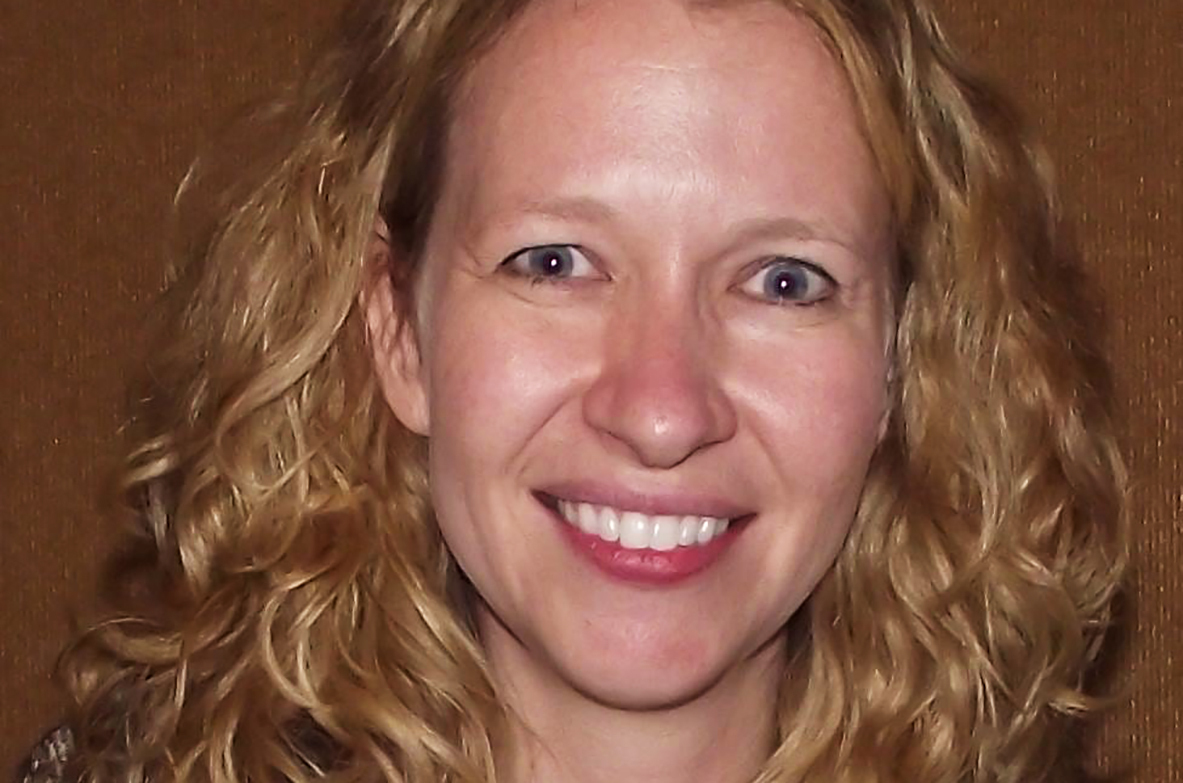
TULSA, Oklahoma — It’s high time female founders got the recognition they and their startups deserve from venture capital firms, declared Paige Johnson.
“It’s very common for me to talk to a venture capital group in California and to look them up online and find not a single woman among their partners,” Johnson, founder and CEO of Tulsa-based Ten-Nine Technologies, said of disparities in the world of funding.
Ten-Nine — a fundamental science company which has produced the world’s first battery material to achieve energy equivalence with fossil fuels — closed a $5 million Series A funding round last week, which included a cash injection from Wichita-based angel investment arm, Accelerate Venture Partners.
Click here to learn more about Ten-Nine technologies and how its new product Parity works.
Pulling off such a raise wasn’t easy given a global pandemic, but it made Johnson all the more tenacious as she works to represent women in science and business, she said.
“It’s not unusual that people tend to invest in people that look like themselves. I think that’s kind of a basic human instinct,” she said. “But it can be countered if you think hard and look clearly at your own biases and try to move beyond them.”
Creating opportunities for women is part of the DNA of Ten-Nine, Johnson said, noting a commitment to giving interns an opportunity to see themselves represented in the scientific space and a six person team that’s more than 60 percent female — and expected to grow in light of the startup’s recent funding round.
“I want them to think that if one day they have a scientific idea that could be useful to the world, they can take it down an entrepreneurial pathway because they saw that I did it,” she said. “[I want] female founders and female scientific founders to have that degree of visibility, so that it seems possible to other women, to other little girls, to other scientists going forward.”
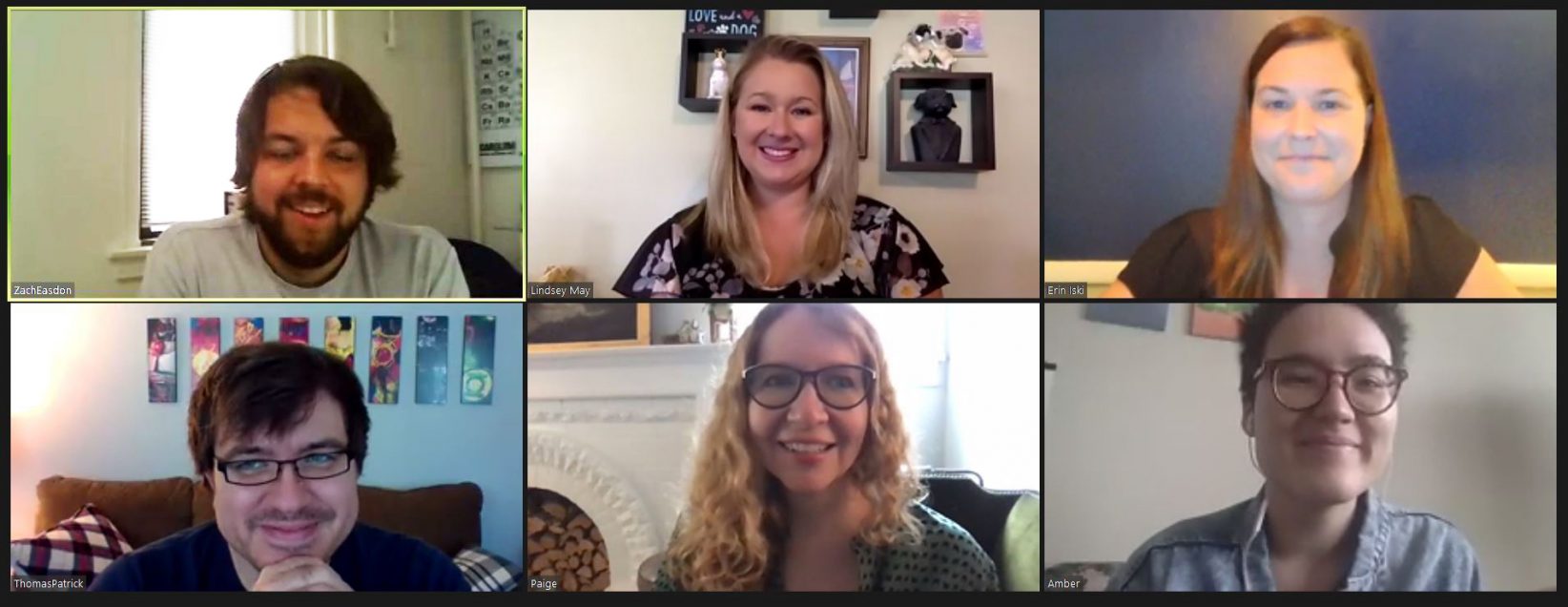
Ten-Nine team: top, Zach Easdon, Lindsey May, and Erin Iski; bottom, Thomas Patrick, Paige Johnson, and Amber Bunnag-Stoner
Crushing obstacles has become the culture at Ten-Nine, Johnson said, referencing the clean energy company’s rise in a state with heavy ties to the oil and gas industry — which is where many of the startup’s funders made their money.
“They’re willing to invest in new technology in clean energy,” she said of the sometimes-surprising way Oklahoma-based funders have responded to the 6-year-old company. “Fundamentally, they understand the energy market and what it needs. They also understand risk. Oil and gas is very risky — as is entrepreneurship, as is the startup ecosystem.”
Such risk is what keeps Johnson coming back for more, she said of her entrepreneurial journey — which has been plagued by its own set of new challenges in the days of the Coronavirus (COVID-19) pandemic.
“If you have the chance to change the world, just take that opportunity,” she said, describing the value she’s found in being an entrepreneur.
“Batteries are a foundational technology of modern life. The fact that batteries have failed to advance at the rate that other electronics have is one of the things that’s really holding us back from many of the clean and green technologies and the advanced applications that we desire most.”
While the team at Ten-Nine is putting in the work, they can only carry the ball halfway, Johnson said.
“Very legitimate studies have shown that women, minorities and other underrepresented groups are actually responded to differently in a pitch situation,” she explained, referencing a growing conversation around the need for investment groups to emphasize the traditional pitch process in a way that eliminates an entrepreneur’s requirement to self-identify.
Click here to read more about the challenges women and minority founders face when seeking venture capital.
“Until we have venture capital partnerships and boardrooms that are more representative of society as a whole, [a solution] is to reduce the importance of the pitch process and to look at other ways that people can present themselves that would have a more level playing field,” Johnson said.
“What I say to my fellow female entrepreneurs is, ‘… You’ll have to talk to 98 percent more people, you’ll have to take 98 percent more time to complete your rounds, you’ll have to be 98 percent as persistent to get to the same results [as men]. The level of grit that’s required is even stronger and it’s just best to kind of acknowledge that and to be ready for it.”
[divide]

This story is possible thanks to support from the Ewing Marion Kauffman Foundation, a private, nonpartisan foundation that works together with communities in education and entrepreneurship to create uncommon solutions and empower people to shape their futures and be successful.
For more information, visit www.kauffman.org and connect at www.twitter.com/kauffmanfdn and www.facebook.com/kauffmanfdn

Featured Business

2020 Startups to Watch
stats here
Related Posts on Startland News

KC virtual reality firm partners with KU, NFL coaches
A Kansas City-based virtual reality company hopes some marquee partnerships will plug it into a market projected to reach $150 billion in five years. Founded in 2013, Eon Sports VR recently landed the University of Kansas football team as a client for its mobile virtual reality platform to help players train without the risk of…
ECJC relocates office, updates brand
The Enterprise Center in Johnson County is shaking things up. The non-profit organization that connects entrepreneurs to the resources they need to grow revealed Thursday an updated website, brand identity, and new office location. “This move is the culmination of a long, strategic transition to ensure that as Kansas City’s entrepreneurial community changes, we change…

Former Sprint COO LeMay dishes on KC capital, failure
There are few people in Kansas City more connected into the area’s investor, corporate and startup community than FarmLink CEO Ron LeMay. Also now managing director of Kansas City-based OpenAir Equity Partners, LeMay frequently sees the successes and failures of the metro area’s capital landscape. The former Sprint COO recently spoke with dozens of Kansas…
RFP365 partners with Kansas City, raises $950K
On the heels of a six-figure raise, area tech firm RFP365 recently landed the City of Kansas City as a client for its software that eases the request for proposal process. The company’s deal with Kansas City was born from the city’s “Innovation Partnership” program, which affords entrepreneurs the opportunity to “test drive” their technologies…