

COVID-19’s cost to Silicon Valley could be Kansas City’s talent gain, startup leader predicts
May 12, 2020 | Austin Barnes
Editor’s note: The following is part of Startland News’ ongoing coverage of the impact of Coronavirus (COVID-19) on Kansas City’s entrepreneur community, as well as how innovation is helping to drive a new normal in the ecosystem. Click here to follow related stories as they develop.
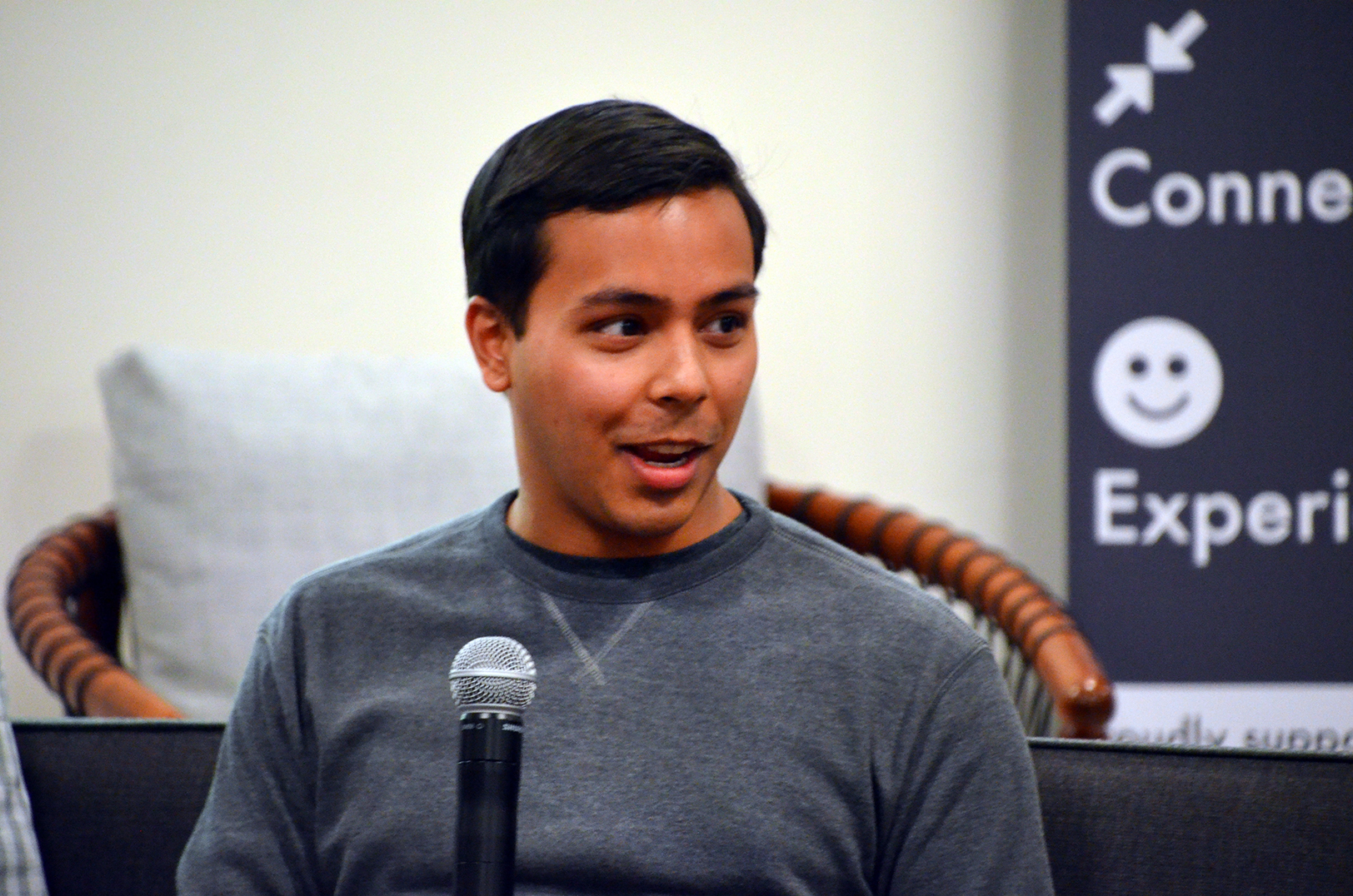
Economic disruptions in Silicon Valley and other major startup hubs could mean a talent boon for Kansas City and other mid-sized markets, said Riddhiman Das, predicting a “mass exodus” from the West Coast.
“Uber just laid off close to 4,000 people, Airbnb laid off 900 people, Lyft laid off almost 1,000 — and those are just the hot startups that you hear about. There are plenty of seed and Series A startups that also did major layoffs,” explained Das, noting examples of a rising COVID-19 talent shift in the startup space.
Riddhiman Das, TripleBlind
“I think you could see that the Bay area — as a result of this downturn — will possibly go through a massive transformation in technology talent where some of that will move to other accessible, more affordable areas like [Kansas City,]” the co-founder of Kansas City-based TripleBlind continued.
Das spoke Thursday during a virtual Innovation Exchange panel hosted by Fishtech Group and organized by STARTLAND, the parent organization of Startland News.
Click here to watch the full discussion that examined the impact of COVID-19 on scaling companies on the Silicon Prairie. In addition to Das, the conversation included Brandy McCombs, president and founder of IBC; Erica Brune, president and founder of Lever1; Chuck Crawford, CSO and co-founder of Fishtech Group; and moderator Toby Rush, serial entrepreneur and investor.
As the talent tide turns, Kansas City’s geography and education system could ultimately prove to be catalysts for change in helping the metro more quickly rebound from an upended economy, Das noted.
“What gets me excited is I think we’re going to have a shot at retaining some of the recent graduates in the technology fields from local universities,” the University of Missouri-Kansas City graduate said.
“We’ve seen [universities in the region] do a great job of producing great technical talent and the majority of them we lose to the coasts,” Das continued. “With remote [work], more startups and technology startups in the region, as well as the ability to live here and potentially work elsewhere — I think you’re going to see a lot of talent retention in the area as well, not just inflow.”
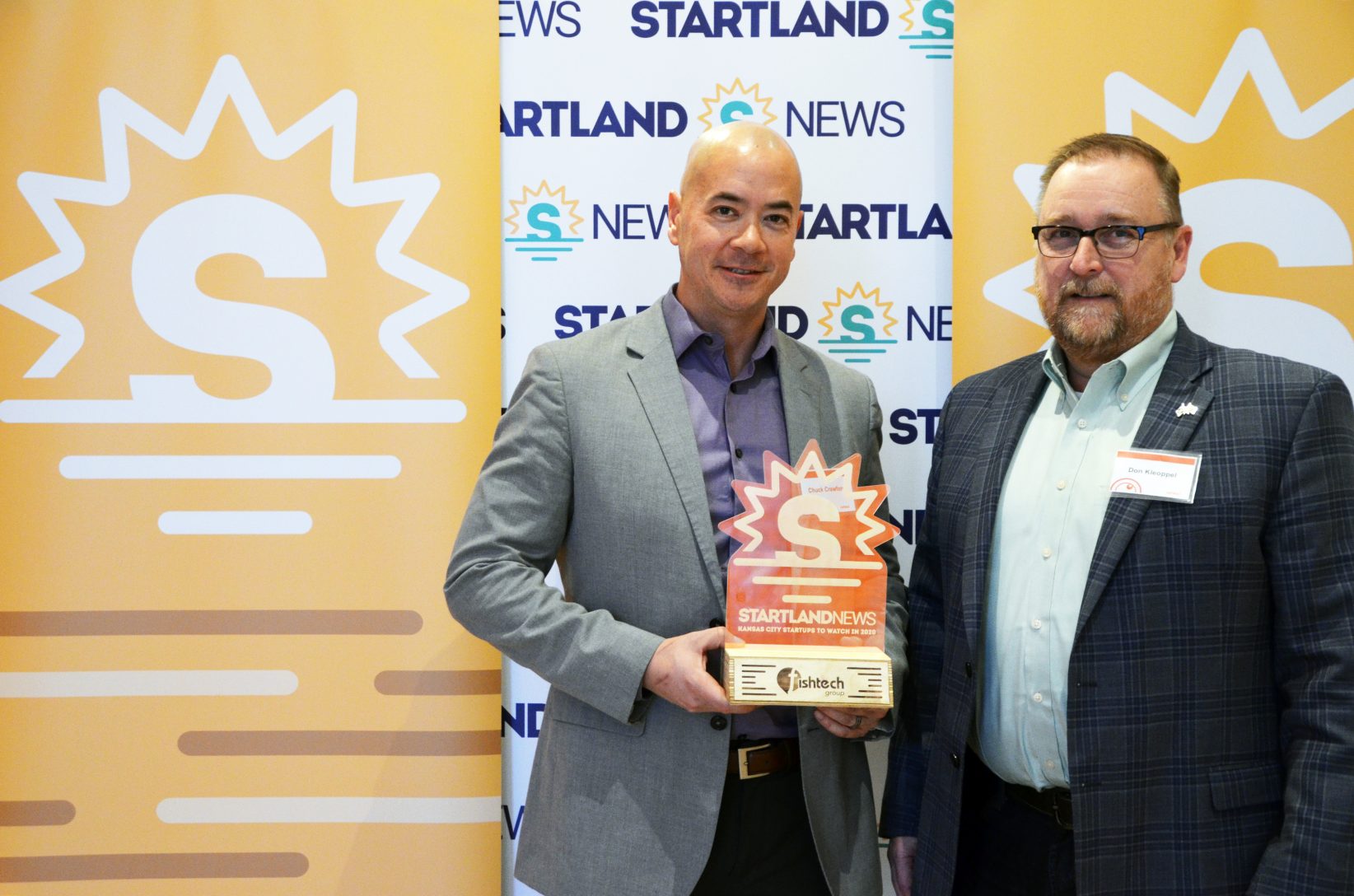
Chuck Crawford, Fishtech Group, and Don Kleoppel, Cerner; Startland News’ Kansas City Startups to Watch in 2020
Kansas City has the key ingredients to building and retaining a sustainable talent pool, Fishtech’s Crawford added.
“The Midwest culture is a highlight, compared to everything else you’re seeing in the news today. [People] willing to roll up their sleeves and help each other out — sharing information to make things successful moving forward,” Crawford said. “As someone who’s on the road 80 percent of the time, that’s not something that’s seen everywhere else. It’s a huge advantage that we have here — to lure companies and keep talent here.”
Das himself is an example of a Kansas City-educated entrepreneur who has helped to build and exit — along with Rush — a top startup, then stayed in the metro to continue his career. Collaboration between teams across the globe has made companies like Das’ TripleBlind a game-changer, even in the midst of the Coronavirus pandemic and subsequent economic upheaval.
TripleBlind pivoted to develop Safe Paths, a Kansas City-based COVID-19 tracking app already being used by several countries around the world to track potential exposure areas, Das said Thursday.
“We were about to do a round of venture [for TripleBlind] and we were starting to have some conversations with really, really reputable venture capital firms from around the world and those got disrupted,” he said. “We pivoted. … To be honest, [Safe Paths] was a distraction. It was not something we would have done if COVID had not been around, but it did make a difference for the world at large.”
Click here to read more about the TripleBlind pivot — which several countries have since benefited from.
“Great cultures and great companies are born out of that give-first mentality,” noted Rush.
Click here to register for STARTLAND’s upcoming Innovation Exchange: The Interdependence of Corporations and Entrepreneurship sponsored by Husch Blackwell.

Featured Business

2020 Startups to Watch
stats here
Related Posts on Startland News
More than a Fountain City vacation: SavR bringing US headquarters to Kansas City
Kansas City’s startup culture and support network helped the City of Fountains land the new U.S. headquarters of Australia-based SavR, said founder Tim O’Shea. “If you’re a company that’s trying to strive for genuine outcome, then you’ll be very well received [in Kansas City],” he said. “I think Midwestern people tend to ferret out the…
App to help flex Disabled But Not Really reach beyond KC gyms, says Wesley Hamilton
A new fitness and wellness app is expected to help Disabled But Not Really go global with its impact, said Wesley Hamilton. “This app is going to benefit those that cannot go through our program but are still determined to learn and change their physical well being,” said Hamilton, founder and executive director of the…

Pepper teams with Switzerland cyber security expert to combat ‘terrifying’ IoT threats
A new, long-term collaboration between KC-based Pepper IoT and an international leader in digital security has an opportunity to aggressively boost consumer confidence in the rapidly expanding — and potentially hostile — Internet of Things, said Scott Ford. “It is terrifying to see millions of vulnerable connected devices being distributed to U.S. consumers who have…
Artist incubator paints scene of blissful collaboration in far-from-lonely West Bottoms space
Vanessa Lacy’s artist incubator eliminates “the lonely artist,” she said, noting her gallery model replaces solitude with creative relationships and a collaborative community. “Artists tend to get very isolated in their studio spaces working on their own; then they have a relationship with a gallery that’s really more of a business relationship,” said Lacy, owner…