

Investor survey: Angels plan to keep capital flowing to startups, but amounts likely to decline
May 18, 2020 | Startland News Staff
Editor’s note: The following is part of Startland News’ ongoing coverage of the impact of Coronavirus (COVID-19) on Kansas City’s entrepreneur community, as well as how innovation is helping to drive a new normal in the ecosystem. Click here to follow related stories as they develop.
COVID-19 won’t stop most angel investors — though they likely will rethink strategies for growing their portfolios, an Overland Park-based professional association for angels said Monday.

Patrick Gouhin, Angel Capital Association
“Angels aren’t afraid to take educated risks, and they are passionate about developing fresh entrepreneurial talent through their startup investments,” said Patrick Gouhin, CEO of the Angel Capital Association. “Communities with strong ties between their startup ecosystems and groups of angel investors will rebound faster and more meaningfully from this crisis.”
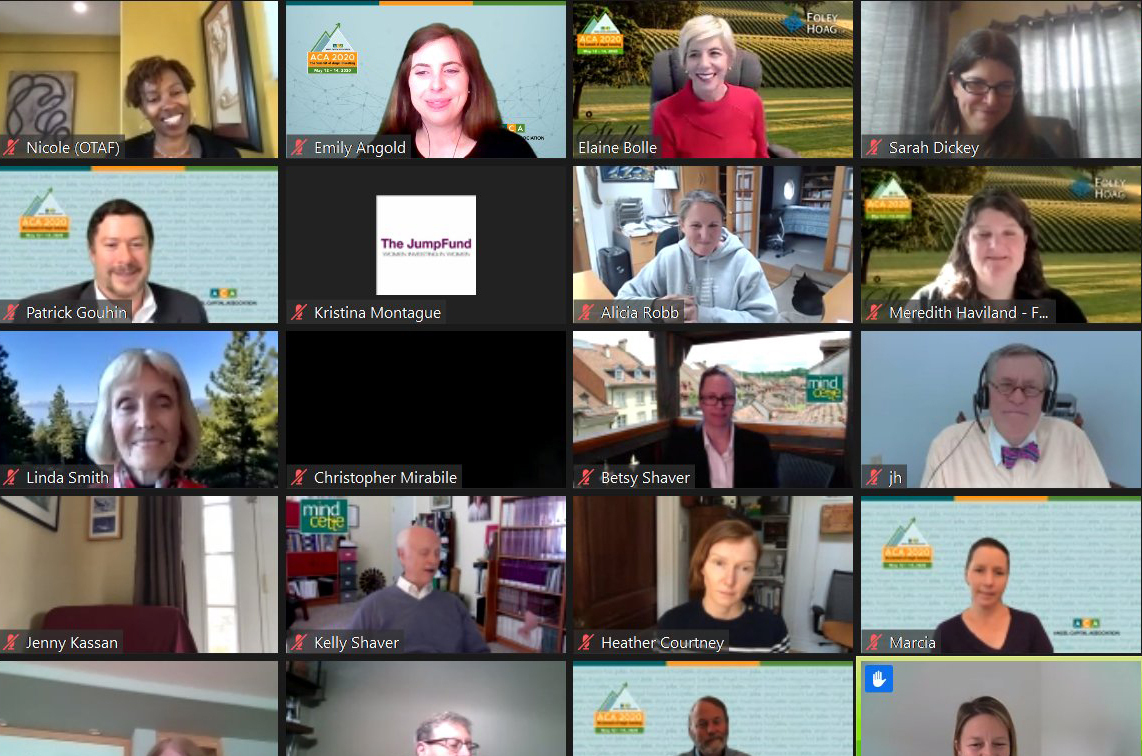
A peak pandemic April survey of leading angel investors revealed strong continued commitment to creating jobs via investment in startups, according to the ACA, which announced results of the survey last week during a virtual investment summit.
Among the findings from more than 50 major angel investing groups across the country that responded:
- Overall, angel groups (71 percent) plan on continuing to invest although level of investment might decline;
- More than 60 percent were still interested in funding a new startup company; only 32 percent said their interest has diminished;
- Support for additional investment in their existing portfolio companies was strong at 81 percent;
- 86 percent of the portfolio companies represented by respondents applied for CARES Act Funding, which includes the Paycheck Protection Program, with many reaching out to their investors for guidance and support; and
- 88 percent of portfolio companies see potential growth opportunities during the crisis.
“Early-stage financing from angel investors is critical to the success of high-growth startups,” the ACA emphasized in its release of the survey results. “Recent estimates suggest that annual U.S. angel investment activity may total as much as $24 billion each year, contributing to the growth and success of more than 64,000 startups in every region of the country.”
Those startups, in turn, created a gain of 1.7 million jobs in just one year, the ACA added, citing estimates from the US Bureau of Labor Statistics.
“The impacts of the pandemic on the investment community are significant, but angels tend to see these downturns as potential opportunities,” said Tony Shipley, chairman of the ACA. “When the stakes are high, angel investors shine.”
Click here to learn more about the Angel Capital Association, which boasts more than 14,000 accredited investors, who invest individually or through its 250-plus angel groups, accredited platforms, and family offices.

Featured Business

2020 Startups to Watch
stats here
Related Posts on Startland News

Lula raises $420K, fueling expansion of home service offerings
A $420,000 funding round from Kansas City area investors will accelerate tech startup Lula to expand in Kansas City and soon two more large metros, CEO and founder Bo Lais said. The Overland Park-based firm is eyeing Phoenix and Dallas as its next service areas, but it first plans to focus on marketing its on-demand…

Level Office puts coworking space on tap in former law building (Photos)
Windows from the community coworking space in Level Office’s seven-floor Kessler Building offer an up-close view of the Jackson County Courthouse, Sprint Center and downtown Kansas City. That proximity to the 16th Circuit Court, the court of appeals and the Jackson County Detention Center makes Chicago-based Level Office a magnet for men and women in…

Former Netchemia CEO, KC venture capitalist launch new fund for Midwest software firms
Keith Harrington isn’t looking for hockey-stick growth companies. With the new fund he’s co-leading — Novel Growth Partners — Harrington wants to invest in small, steadily-growing tech companies in the Midwest. But instead of a traditional venture capital model, Novel is employing a revenue-based finance model that should appeal to more entrepreneurs, Harrington said. “We believe that…

1 Million Cups celebrating black startups with all black founders, experts in February
A lineup of all black presenters and experts at February’s 1 Million Cups events aims for exposure and awareness about Kansas City’s thriving community of black entrepreneurs, said Adrienne Haynes. “Many of these companies are not necessarily tech-based. They might not be at Plexpod or WeWork. Many of them have their own facilities — maybe…