

Investor survey: Angels plan to keep capital flowing to startups, but amounts likely to decline
May 18, 2020 | Startland News Staff
Editor’s note: The following is part of Startland News’ ongoing coverage of the impact of Coronavirus (COVID-19) on Kansas City’s entrepreneur community, as well as how innovation is helping to drive a new normal in the ecosystem. Click here to follow related stories as they develop.
COVID-19 won’t stop most angel investors — though they likely will rethink strategies for growing their portfolios, an Overland Park-based professional association for angels said Monday.

Patrick Gouhin, Angel Capital Association
“Angels aren’t afraid to take educated risks, and they are passionate about developing fresh entrepreneurial talent through their startup investments,” said Patrick Gouhin, CEO of the Angel Capital Association. “Communities with strong ties between their startup ecosystems and groups of angel investors will rebound faster and more meaningfully from this crisis.”
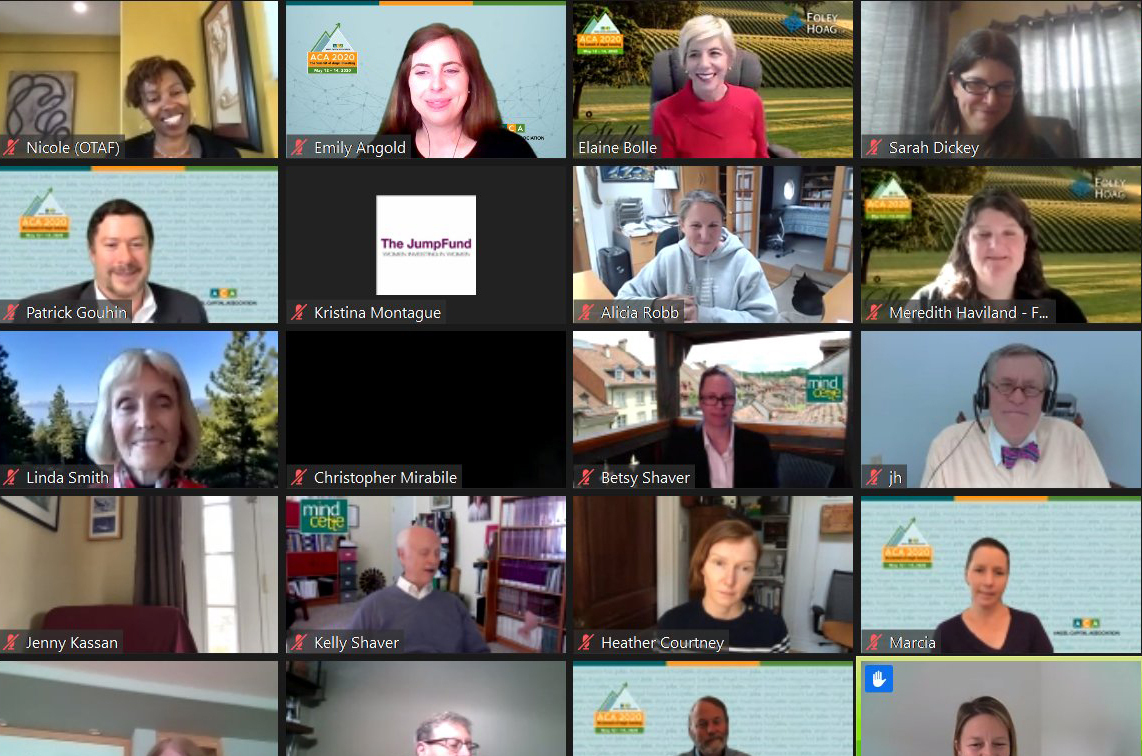
A peak pandemic April survey of leading angel investors revealed strong continued commitment to creating jobs via investment in startups, according to the ACA, which announced results of the survey last week during a virtual investment summit.
Among the findings from more than 50 major angel investing groups across the country that responded:
- Overall, angel groups (71 percent) plan on continuing to invest although level of investment might decline;
- More than 60 percent were still interested in funding a new startup company; only 32 percent said their interest has diminished;
- Support for additional investment in their existing portfolio companies was strong at 81 percent;
- 86 percent of the portfolio companies represented by respondents applied for CARES Act Funding, which includes the Paycheck Protection Program, with many reaching out to their investors for guidance and support; and
- 88 percent of portfolio companies see potential growth opportunities during the crisis.
“Early-stage financing from angel investors is critical to the success of high-growth startups,” the ACA emphasized in its release of the survey results. “Recent estimates suggest that annual U.S. angel investment activity may total as much as $24 billion each year, contributing to the growth and success of more than 64,000 startups in every region of the country.”
Those startups, in turn, created a gain of 1.7 million jobs in just one year, the ACA added, citing estimates from the US Bureau of Labor Statistics.
“The impacts of the pandemic on the investment community are significant, but angels tend to see these downturns as potential opportunities,” said Tony Shipley, chairman of the ACA. “When the stakes are high, angel investors shine.”
Click here to learn more about the Angel Capital Association, which boasts more than 14,000 accredited investors, who invest individually or through its 250-plus angel groups, accredited platforms, and family offices.

Featured Business

2020 Startups to Watch
stats here
Related Posts on Startland News

Zee underscores artists’ need for positive venues; creative powerhouse opens pocket of support
Zahra Briggs developed her creative voice in Kansas City; now she’s setting the stage for fellow independent artists who struggle to find venues that match their vibe — and often have to pay to perform. She’s even creating a version of herself in the metaverse to open access further. A singer and songwriter herself, Briggs — who…

MyAnIML earns NSF funding, patent; now facing new phase of growth with industry validation
Thanks to a recent federal grant — along with a newly secured patent on its first-of-its-kind, proprietary facial recognition tech for cows — MyAnIML is proving its place as a leader within a herd of ag innovation, Shekhar Gupta said. The Overland Park startup received a 250,000 Phase I grant from the National Science Foundation…

KC’s next LGBTQ+ space wants to be more than just a raging club; How this permanent takeover aims to better reflect queer nightlife
Westport nightlife is set for transformation as a sweeping expansion adds seven late-night hotspots to the historic entertainment district — anchored by a new bar catering specifically to Kansas City’s LGBTQ+ community. Q Kansas City — a collaboration with Lance Pierce of Queer Bar Takeover — is expected open its doors in October at 504 Westport…

Chef brings Urban concept back to Troost; $25K GIFT grant boosts fight against gentrification
Chef Justin Clark’s latest venture — an eatery that blends Asian and soul food influences — aims to not only blur the boundaries between menus, but break down dividing lines within and between communities. “The goal was to create familiar items that everyone actually can relate to as Americans, but then again, we add some…