

Fearing coronavirus? Don’t count out flu season — especially in these 10 ‘sickest’ cities
March 5, 2020 | Startland News Staff

Expecting a respite from flu-like symptoms and respiratory illness as warm weather approaches? Don’t let your guard down just yet, Kansas City-based Sickweather said Thursday, issuing a “troubling” forecast for cities across the U.S.

“Sickweather’s prediction for a prolonged season of flu-like illness is historic because it represents a stark contrast to the notion that flu-like symptoms will decrease near the end of March and remain low for five to six months before the start of the next influenza season,” the company said in a press release. “It is too early to predict here in the U.S., but coronavirus may play a large part in the ongoing respiratory illnesses in the spring and summer.”
Sickweather is a consumer-facing, real-time map of sickness. The company sees increased public awareness each flu season, though a worldwide coronavirus outbreak has even more eyeballs on the app this winter, the company acknowledged.
Click here to download the free Sickweather app on IOS. Click here to download for Android.
The startup’s alert Thursday is based on the predictive modeling of its SickScore risk index, which tracks illness using its patented method for social listening for disease surveillance and assesses patterns of flu-like symptomatology in cities across the country.
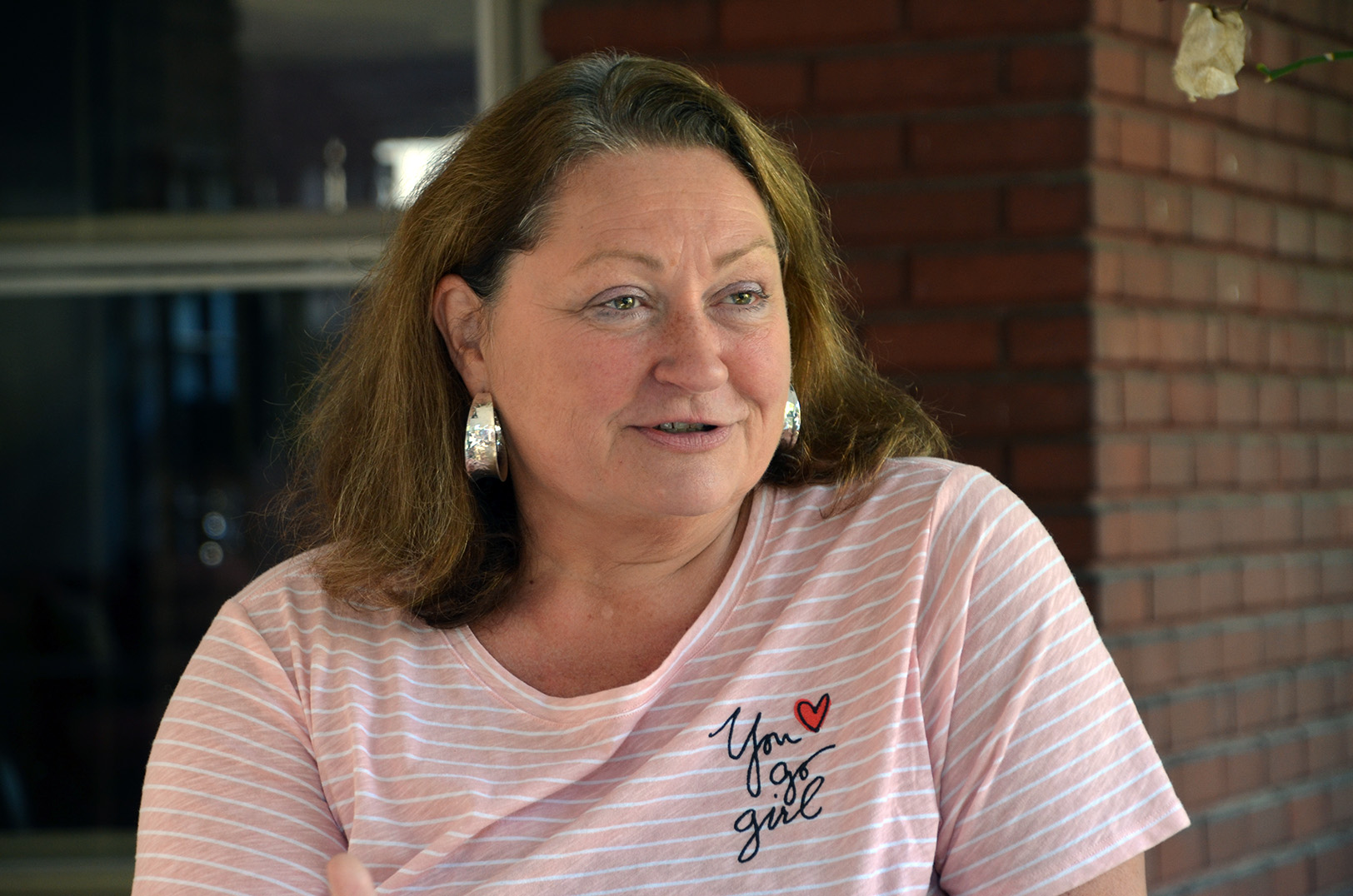
Laurel Edelman, Sickweather
“We’re proud that Sickweather has a proven track record of accurately forecasting outbreaks like these unrelenting flu-like symptoms up to 15 weeks in advance,” said Laurel Edelman, CEO of Sickweather. “We live in an era when it has never been more critical for consumers to be informed about what’s happening in their communities to protect themselves and their families.”
Click here to read more about Sickweather.
Based on its SickScore risk index, Sickweather on Thursday also released a list of the 10 “sickest” U.S. cities:
- 1 — Salt Lake City
- 2 — Austin, Texas
- 3 — Portland, Oregon
- 4 — Philadelphia
- 5 — Denver
- 6 — Baton Rouge, Louisiana
- 7 — Pittsburgh and Detroit (tie)
- 8 — Honolulu
- 9 — Charlotte, North Carolina, and San Diego (tie)
- 10 — Nashville, Tennessee

Influenza A, photo courtesy of the Centers for Disease Control
The Centers for Disease Control (CDC) estimates at least 26 million flu illnesses already during the 2019-2020 flu season. Those illnesses have resulted in a quarter-million hospitalizations in the U.S. and 14,000 deaths, including more than a 100 children, according to Sickweather.
CDC experts recommend being diligent about regular handwashing; covering coughs and sneezes; avoiding unnecessary touching of the eyes, nose, and mouth; frequently disinfecting surfaces; getting enough sleep; eating nutritious foods; and effectively managing stress.


2020 Startups to Watch
stats here
Related Posts on Startland News

Novel Capital teams with Crux KC to offer growth-focused marketing to early-stage tech companies
An exclusive partnership between two Kansas City-based innovators is expected to help remove a traditional financial hurdle to business growth, said Ethan Whitehill, president and chief strategy officer for the KC Chamber-lauded marketing firm Crux KC. The collaboration between Crux and Overland Park-headquartered capital provider Novel Capital is expected to offer B2B SaaS and tech…
Neighborhood smart cans help Kansas Citians save the planet from their kitchens
Newly introduced composting technology is already turning new ground in Kansas City, Kristan Chamberlain said, with more solar-powered compost cans arriving later this spring across the metro’s urban landscape. Her social venture, KC Can Compost, installed three of the devices in October — free to use for KCMO residents wanting to deposit their soil-making food…

Voodoo Volleyball bounces back in OP: Father-daughter duo doubles as new venture’s setters
Quinn Austin put several sports to the test as a preteen — racing from basketball practice to softball to volleyball. But she latched on to just one. “Volleyball. It was my sport. Everyone was having a good time,” she said. “We just loved the cheers — a cheer when we got a hit, a cheer…

Black farmers are losing ground in the fight to feed their communities, advocates say
More than a century of systemic land dispossession and discriminatory practices has left Black farmers with less than 0.6 percent of U.S. farmland — less than a third of the 16 million acres they operated in 1910, according to local urban farming advocates. They gathered Tuesday at Independence Boulevard Christian Church to confront this history…