

Fearing coronavirus? Don’t count out flu season — especially in these 10 ‘sickest’ cities
March 5, 2020 | Startland News Staff

Expecting a respite from flu-like symptoms and respiratory illness as warm weather approaches? Don’t let your guard down just yet, Kansas City-based Sickweather said Thursday, issuing a “troubling” forecast for cities across the U.S.
“Sickweather’s prediction for a prolonged season of flu-like illness is historic because it represents a stark contrast to the notion that flu-like symptoms will decrease near the end of March and remain low for five to six months before the start of the next influenza season,” the company said in a press release. “It is too early to predict here in the U.S., but coronavirus may play a large part in the ongoing respiratory illnesses in the spring and summer.”
Sickweather is a consumer-facing, real-time map of sickness. The company sees increased public awareness each flu season, though a worldwide coronavirus outbreak has even more eyeballs on the app this winter, the company acknowledged.
Click here to download the free Sickweather app on IOS. Click here to download for Android.
The startup’s alert Thursday is based on the predictive modeling of its SickScore risk index, which tracks illness using its patented method for social listening for disease surveillance and assesses patterns of flu-like symptomatology in cities across the country.
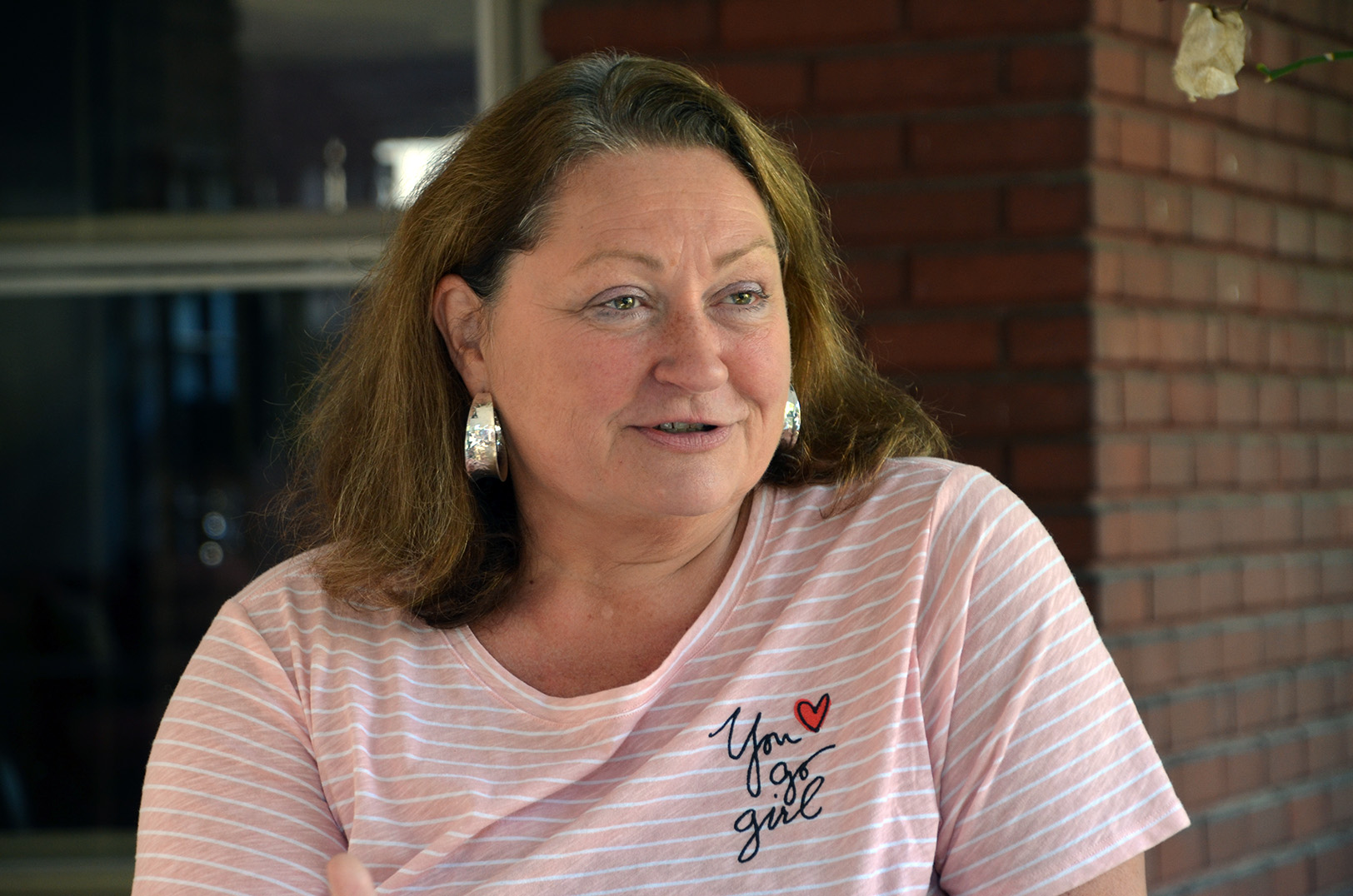
Laurel Edelman, Sickweather
“We’re proud that Sickweather has a proven track record of accurately forecasting outbreaks like these unrelenting flu-like symptoms up to 15 weeks in advance,” said Laurel Edelman, CEO of Sickweather. “We live in an era when it has never been more critical for consumers to be informed about what’s happening in their communities to protect themselves and their families.”
Click here to read more about Sickweather.
Based on its SickScore risk index, Sickweather on Thursday also released a list of the 10 “sickest” U.S. cities:
- 1 — Salt Lake City
- 2 — Austin, Texas
- 3 — Portland, Oregon
- 4 — Philadelphia
- 5 — Denver
- 6 — Baton Rouge, Louisiana
- 7 — Pittsburgh and Detroit (tie)
- 8 — Honolulu
- 9 — Charlotte, North Carolina, and San Diego (tie)
- 10 — Nashville, Tennessee

Influenza A, photo courtesy of the Centers for Disease Control
The Centers for Disease Control (CDC) estimates at least 26 million flu illnesses already during the 2019-2020 flu season. Those illnesses have resulted in a quarter-million hospitalizations in the U.S. and 14,000 deaths, including more than a 100 children, according to Sickweather.
CDC experts recommend being diligent about regular handwashing; covering coughs and sneezes; avoiding unnecessary touching of the eyes, nose, and mouth; frequently disinfecting surfaces; getting enough sleep; eating nutritious foods; and effectively managing stress.


2020 Startups to Watch
stats here
Related Posts on Startland News

KU Innovation Park launches Oread Angel Investors network to boost Jayhawk startups
Startland News’ Startup Road Trip series explores innovative and uncommon ideas finding success in rural America and Midwestern startup hubs outside the Kansas City metro. LAWRENCE — A newly announced angel investor network is expected to support high-growth tech and bioscience startups linked to the University of Kansas, said Adam Courtney, opening greater access to…

10 emerging makers compete for cash prizes; AltCap, Strawberry Swing team up for fall showcase
Editor’s note: The following story was originally published by AltCap, an ally to underestimated entrepreneurs that offers financing to businesses and communities that traditional lenders do not serve. Amid the historic charm of Alexander Majors Barn, 10 Kansas City-area artisans stepped into the spotlight as AltCap and Strawberry Swing teamed up to host the Emerging…
MidxMidwest returns: Seizing opportunities from one-on-one founder-VC meetups more important than ever, organizers say
It’s a critical time within the startup funding ecosystem, Dan Kerr and Maggie Kenefake agreed, noting the slow tick of investments across the region present a core challenge — and opportunities — to be addressed by this fall’s MidxMidwest event. “If you look at capital, 80 percent went to the biggest three states again, and…
Brookside couple envisions upscale neighborhood escape in former Michael Forbes spot
A couple who first met as servers at a restaurant on the Country Club Plaza are setting the table for a new venture in Brookside: an “elevated” neighborhood bistro and bottle shop that’s expected to open in early 2025. After a light remodeling, Hannah Koenig and Avery Bailey plan to open CRU in late January…