

LEANLAB: Homebound KC students need $4.6M in tech, WiFi hotspots to bridge digital divide amid Coronavirus creep
March 27, 2020 | Austin Barnes
Editor’s note: The following is part of Startland News’ ongoing coverage of the impact of Coronavirus (COVID-19) on Kansas City’s entrepreneur community, as well as how innovation is helping to drive a new normal in the ecosystem. Click here to follow related stories as they develop.
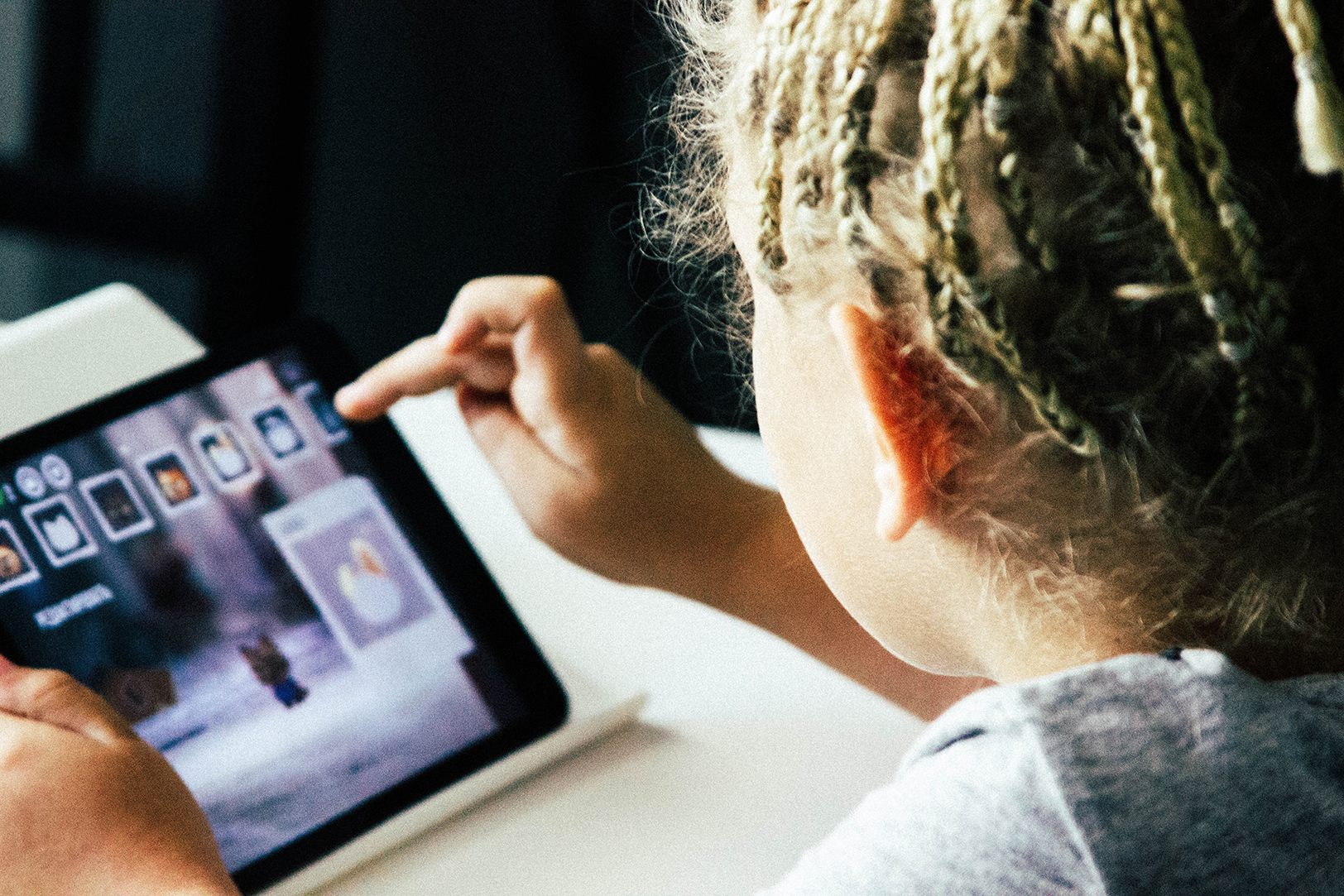
Kansas City has long talked about the impact of a digital divide across school districts in the metro — a $4.6 million need in the era of Coronavirus (COVID-19), said Katie Boody.
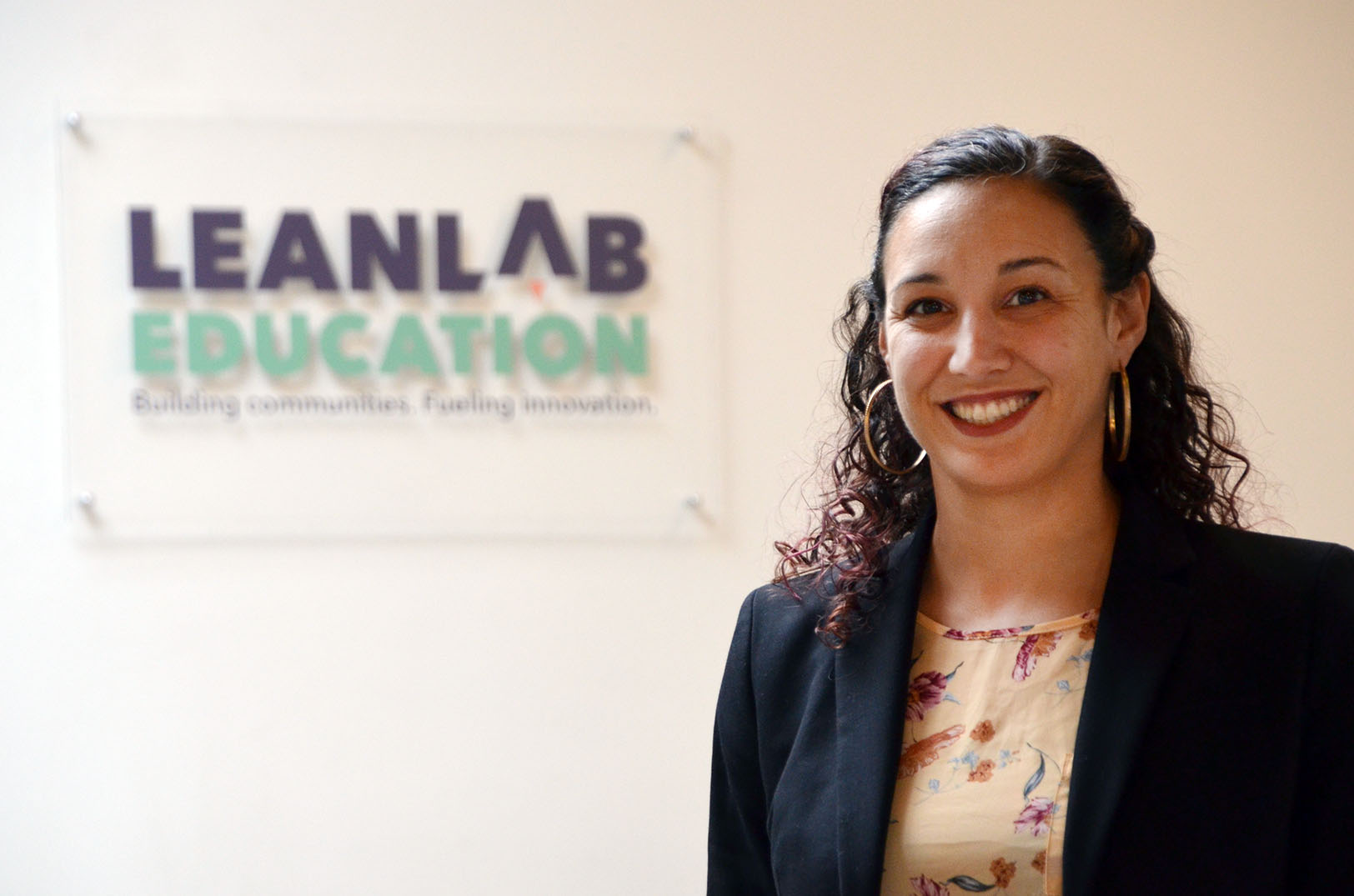
Katie Boody, LEANLAB Education
And LEANLAB Education is ready to get school’s connected, initiating a new campaign to purchase technology and WiFi hotspots for those impacted by the sprawling city’s disparity of access.
“We were able to survey, essentially, 78,000 students in five days — which is kind of unheard of, but I think that speaks to the demand,” Boody, founder of LEANLAB, said of the education redesign organization and accelerator’s response to an immediate and expanded need for online learning tools in area classrooms — many of which will be shuttered until at least August.
Click here for a full list of resources available to educators courtesy of LEANLAB.
Seeking input from key stakeholders, LEANLAB launched a bilingual survey March 13, looking to engage parents, students, and educators in a meaningful way and to stay ahead of the curve as the health crisis started to unravel — issuing the survey five days before Kansas Gov. Laura Kelly ordered the state’s schools to close for the remainder of the year and on the heels of temporary closures issued by Missouri Gov. Mike Parson.
“We knew that many of our school communities had really excellent school outreach programs and family outreach programs … they knew their communities better than us,” Boody explained of the process, noting the use of a bilingual survey enabled users to modify it and schools to help distribute it to a wider range of households.
“Some of our schools have 27 different languages represented, they have children that are homeless. They have a variety of different needs, so reaching all of those families was challenging but people mobilized really quickly,” she said, noting 22 school districts signed on to participate.
A week later, the LEANLAB survey revealed what it would take to get students connected to their new, virtual classrooms — more than 2,347 devices and some 10,562 hotspots.
“Many of our school districts in the urban core have not fully gone to one-to-one devices — and if they have gone to one-to-one, they’ve traditionally kept devices at the school site, they haven’t allowed children to take those devices home,” Boody said.
Click here to connect with LEANLAB, view the survey, and respond to the need for connectivity at home.
Additionally, 20 to 30 percent of students living in the urban core are without consistent internet connection, she noted.
“That kind of sparked a realization there was a greater need here than just digital instructional solutions,” she said. “At that time, we pivoted and we realized we needed to, in a very quick and agile way, assess the real connectivity and device needs across the school districts that we serve.”
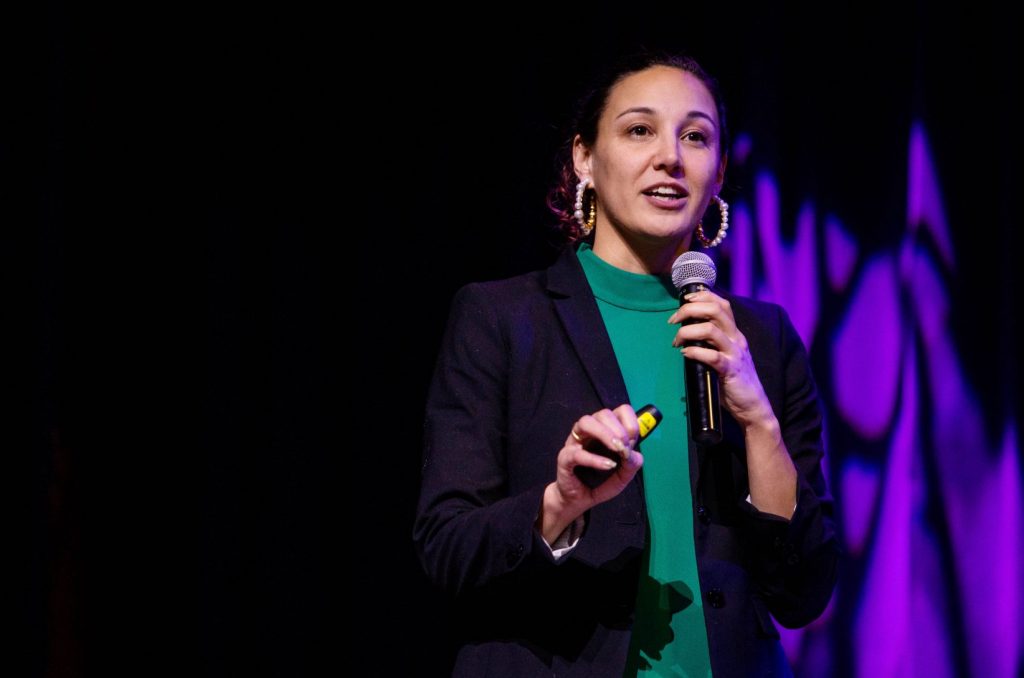
Katie Boody, LEANLAB Education
LEANLAB will continue to accept survey responses until March 30. Then, all cylinders are a go, as the organization works to purchase new hotspots and devices and get them into the hands of students across Kansas City.
“We’ve already started the fundraising and procurement process to get ahead, because we know it’s going to take a while and we can’t just wait until all the data is reported. We have pretty good estimates now, so we’re working to coordinate with funders to get this cost covered,” she said, noting a need to act swiftly but to also focus on the overall impact of the initiative which will become a long term strategy for LEANLAB.
“We’re hoping to use this as a kickoff,” she said. “This digital divide is beginning to hit home in a really real way. Teachers are feeling really overwhelmed and realizing the depth of this divide when they’re setting up digital learning classrooms and they’re seeing only about two-thirds of their kids able to show up and then they’re having to do paper packets that they put in the food distribution process, to be delivered to their student’s home.”
And while a time of national crisis might have sparked LEANLAB’s all-encompassing response to Kansas City’s digital divide, the conversation shouldn’t start and end with education, she said.
“What’s keeping me up at night is how are these families filing for unemployment if they need to, how can they order groceries safely, how can they access necessary social services beyond just the learning element — even though that’s a crucial part. I mean, it’s a huge problem,” she said.
“That disparity is just very real, very visceral right now.”
Conversations with funders are active and moving at a quicker pace than normal for the nonprofit world — offering encouragement that goals could be met quickly, Boody said.
“While our philanthropic community is being really urgent, responding as fast as they can, they’re also having to balance that with the reality that their financial sustainability has been somewhat shaken in the last couple of weeks,” she said in reference to the current state of the nation’s economy.
“So far we’ve had really great partners. We’re still problem-solving,” Boody said. “We haven’t met the full fundraising need and we need to do that, but we know people are working as fast as they can and have challenges of their own.”
For the next 60 days, Comcast, AT&T, Sprint and T-Mobile have suspended data caps and Charter is offering free Spectrum broadband and WiFi services in response to COVID-19.
To qualify for the Charter deal, customers must have a K-12 or college student in their household, the company said in a release.
Click here for more information or to get connected with Spectrum’s in-home service.

This story is possible thanks to support from the Ewing Marion Kauffman Foundation, a private, nonpartisan foundation that works together with communities in education and entrepreneurship to create uncommon solutions and empower people to shape their futures and be successful.
For more information, visit www.kauffman.org and connect at www.twitter.com/kauffmanfdn and www.facebook.com/kauffmanfdn

Featured Business

2020 Startups to Watch
stats here
Related Posts on Startland News

New $750K investment round for Lula comes with partner in apartment management
Closing a $750,000 seed round is even more impactful with a strategic partner like Worcester Investments, said Lula founder Bo Lais. “We did have three other private investors, that were minority investors with two of them local, but it’s [become] more than just investment with [with Worcester],” said Lais, CEO of the Overland Park-based home…
Chronic Cow uses big data to attack pain: ‘I can still live a good life,’ founder with MS says
Half of all Americans have a chronic illness, said former TeraCrunch co-founder Dr. Kevin Payne. That somber reality, paired with uninvolved physicians, makes quality of life difficult for patients and the focus of Payne’s new venture, Chronic Cow, he said. “From a medical perspective, all I can do as a patient is what my physicians…
Mommy Meals designs simple dinner kits for delivery to new moms
KC-cooked startup Mommy Meals aims to serve impact — not just dinner — attempting to tackle a growing mental health experience one hot plate at a time, said its co-founders. “I truly believe if you’re in a tough spot — you’re down on your luck, you’re in a dark spot — I always tell people ‘Go…
FlipSwitch VR visualizes scaling its active, multiplayer gaming concept from Crossroads
Kansas City could be the virtual reality hub of America, said Michael Eichenseer, predicting Crossroads-located FlipSwitch VR will jumpstart the movement with the help of First Fridays foot traffic. “The owners [KC natives Jim and Jamie Mahoney] definitely want to expand,” said Eichenseer, host and marketing manager for the “epic scale, free-roam, multiplayer virtual reality”…