

Sew you want a fight? Makers across KC mobilize mask production to slow COVID-19 spread
March 25, 2020 | Tommy Felts
Editor’s note: The following is part of Startland News’ ongoing coverage of the impact of Coronavirus (COVID-19) on Kansas City’s entrepreneur community, as well as how innovation is helping to drive a new normal in the ecosystem. Click here to follow related stories as they develop.
Kansas City’s makers aren’t sitting idly as the ongoing Coronavirus (COVID-19) threat wreaks havoc on small businesses — especially the brick-and-mortar storefronts frequently bringing foot traffic to their wares.
Chad Hickman, Sandlot Goods
From the Crossroads Arts District to the outer rings of the metro, independent creative minds have begun shifting production from day-to-day products to much-needed masks for medical personnel and first responders. On Tuesday, Chad Hickman, for example, was busy filming an instructional video for his sewists to learn the art of making masks to combat the outbreak.
“We are using our team of employees who typically sew leather wallets, waxed canvas tote bags, etc. We’re now mobilizing that team (and are enlisting others) to make 8,000 to 10,000 face masks per week,” said Hickman, co-founder of Sandlot. “While we know the need for these masks is great, we are working to determine who specifically needs these masks locally.”
The Sandlot effort was launched by Hickman in partnership with Made in Kansas City, a leading retailer of locally sourced goods. Organizers are seeking sewists to assist with the project, as well as donations to help purchase materials and pay sewists.
Click here to donate to the Sandlot Goods and Made in KC project.
“We’re raising donations to help subsidize the higher cost of U.S. labor. Each mask will cost $1.50 to produce (labor and materials),” said Tyler Enders, co-founder of Made in KC. “If hospitals are willing to pay for the masks, then we will be able to continue purchasing greater amounts of materials to ramp up production. In the event hospitals are unable to pay — we will donate to healthcare workers in need. We will also take partial payment.”
Design for the masks was determined after talking to physicians at medical centers across Kansas City about the need for additional protection, Enders said.
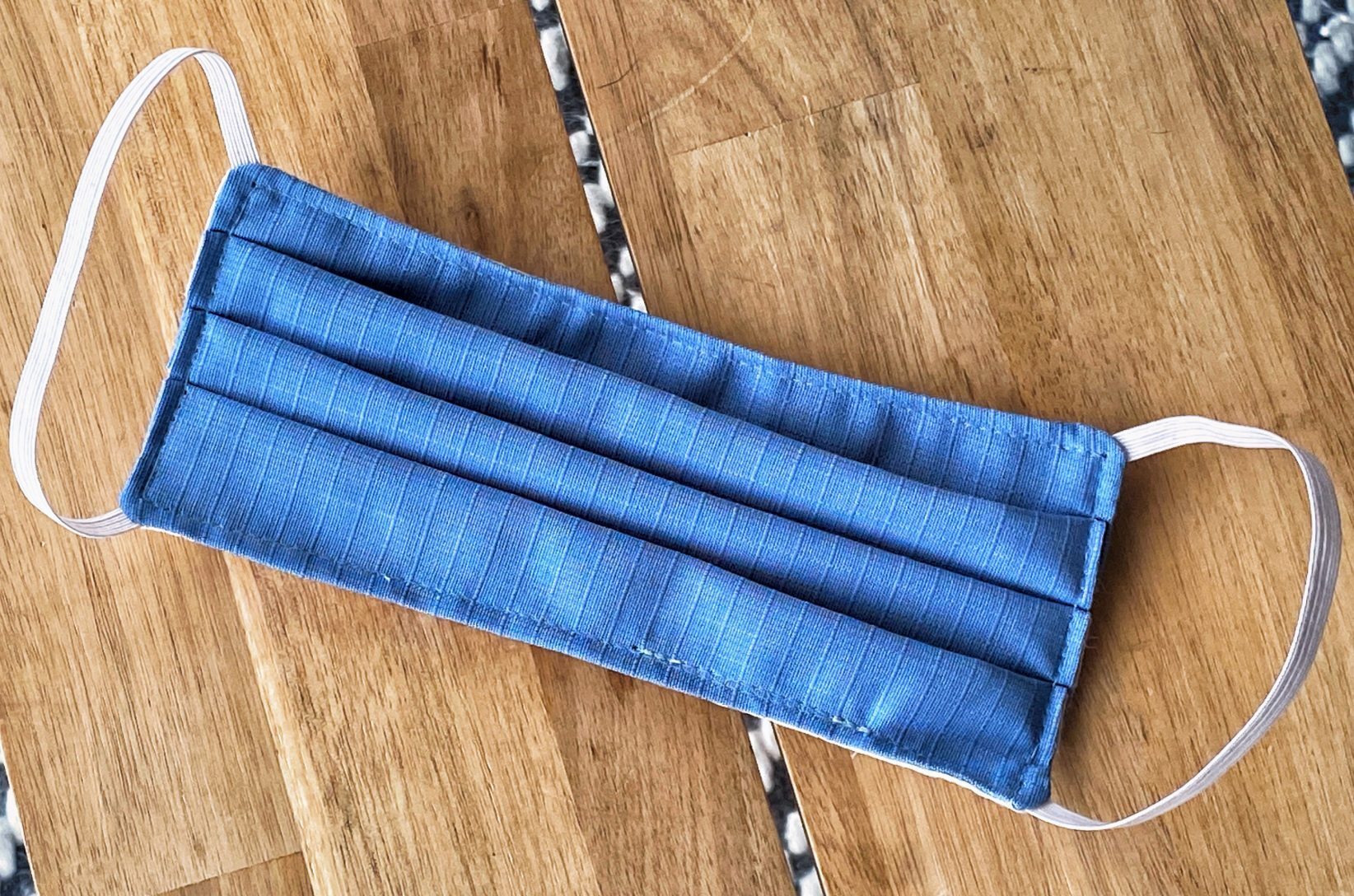
“Sandlot is producing double-layer cotton masks, designed to fit over an N95 mask, thus prolonging the life of these extremely important and effective masks. While these can also be used alone, we realize they are not a substitute for an N95,” he said. “The outer layer is a 100 percent Cotton Ripstop Material that should help prevent shrinkage in the wash. The inner layer is a tightly woven 100 percent Cotton Muslin. The combination should allow for durability and effectiveness. The goal was to create something that would hold up after repeated washes.”
Meeting the production goal requires a heavy — and innovative — community lift, Enders added.
Since organizing an in-person production push would violate social distancing measures set out in the city’s Stay At Home order, Sandlot is enlisting people to sew from home.
Click here to sign up if you are a professional or hobbyist sewist.
“Sandlot will then drop off a kit on each person’s doorstep with all the materials to sew the face masks (pre-cut),” Enders said. “Instructional videos teach people how to sew the masks and Sandlot team members are standing by for FaceTime and phone support when needed.”
It’s an opportunity to employ makers and artists who cannot currently work otherwise or who don’t have a retail outlet currently, he added. Sewists may also donate their wages to the cause.
Sandlot picks up all finished masks, runs quality control, and sends them to the hospitals where they are then sanitized, Enders emphasized.
“Hospitals cannot coordinate with dozens of one-off volunteers looking to donate 50 face masks at a time,” he said. “It is imperative that Made in KC and Sandlot spearhead this effort to streamline the communication process while ensuring quality control.”
Cutting through the crisis
Fashion-focused creatives also are tailoring their talents to the effort, said Jennifer Lapka.
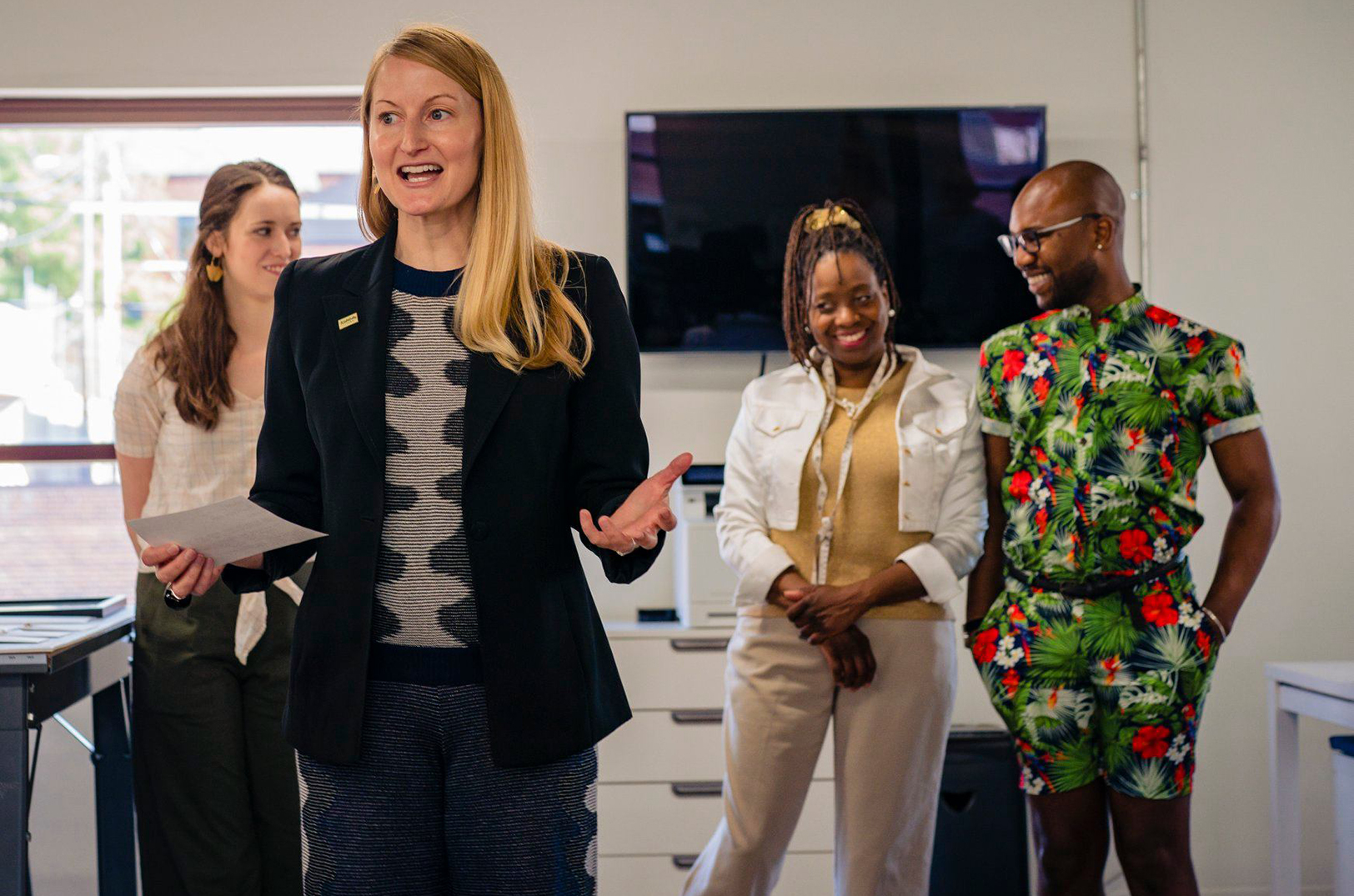
Jennifer Lapka, Rightfully Sewn, photo courtesy of Rightfully Sewn
Rightfully Sewn — Lapka’s Kansas City-based fashion atelier and seamstress training program in the Crossroads — is converting its small-batch production capacity to produce nonmedical-grade fabric masks for donation to hospital workers. The first batch is expected by April 3.
Like the masks being produced by Sandlot and Made in KC, the Rightfully Sewn masks are to be used by non-COVID-19 patients in order to reserve N95 masks, while others are worn over the top of N95 masks or under face shields while working with COVID-19 patients because they are in “crisis capacity.”
Click here to make a donation for the Rightfully Sewn effort.
Fabric warehouses around the country are closing for quarantine measures, so makers and produces must act fast, Lapka said. Rightfully Sewn is starting with fabric already at its atelier, which has been donated by its small batch production clients, such as duoFIT Maternity Activewear, before sourcing from Kansas City- and Missouri-based warehouses.
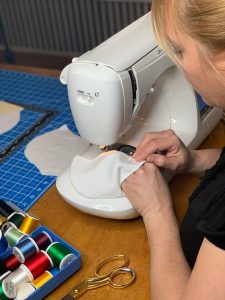
“Sewing fabric masks is the most effective way of utilizing our team’s unique skills and connections to slow the COVID-19 spread,” she said. “Our main priority is hospital frontline staff. If you have N95 masks at home, I urge you to donate them to your nearest hospital. Then, pull out that home sewing machine, search YouTube, and make your own machine-washable one. And, stay at home as directed.”
In observance of the metro-wide Stay At Home order, the Crossroads atelier is shut down and masks are being sewn at a network of undisclosed locations where social distancing is possible and coordinated for direct delivery to the hospitals themselves, Lapka said.
“Rightfully Sewn is calling upon its relationships in our close-knit fashion community for this endeavor,” she continued. “For instance Elevé Dancewear is donating the use of their automatic laser cutting machine in their off hours. It is a large, expensive piece of equipment we do not need for our regular small batch production but the speed in which it can cut raw goods will exponentially increase our mask output.”
Lapka’s effort is seeking grants and donations to cover supplies, seamstress wages, and operating expenses, she said.
One mask costs $5 to make; one seamstresses’ day of work costs $190. Rightfully Sewn seamstresses earn living wages with benefits (medical, STD/LTD, 401k, paid vacation/sick time, paid holidays, and gym membership reimbursement).
WHO ELSE IS MAKING MASKS?
Angel Competition Bikinis in Lenexa is taking email orders for non-medical masks with PM2.5 activated carbon filters inside, offered at no charge to local businesses in the Kansas City area. “We know there is a lack of surgical masks and are doing what we can to help out.”
Click here to learn more about Angel Competition Bikinis’ masks.
Collective Ex and SewKC in the Crossroads are combining the talents of husband-wife duo Johnny and Michelle Dawbarn to craft CDC-approved, handmade, washable face masks that are needed in shelters, clinics and hospitals. When you purchase one mask, one will be donated to someone in the community.
Click here to learn more about SewKC and Collective Ex’s effort.
Martin City Brewing Company is accepting donations to fund the manufacture of masks for local health care professionals.
Click here to learn more about Martin City Brewing’s health care system relief effort.

This story is possible thanks to support from the Ewing Marion Kauffman Foundation, a private, nonpartisan foundation that works together with communities in education and entrepreneurship to create uncommon solutions and empower people to shape their futures and be successful.
For more information, visit www.kauffman.org and connect at www.twitter.com/kauffmanfdn and www.facebook.com/kauffmanfdn

Featured Business

2020 Startups to Watch
stats here
Related Posts on Startland News
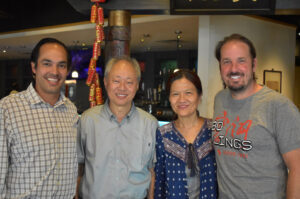
New owners for Bo Lings’ Plaza location; here’s what the beloved restaurant is adding to its menu
Change is on the way for a longtime staple of the Kansas City food scene: Bo Lings — the Chinese restaurant chain founded by Bo “Richard” Ng and Far “Theresa” Ling in 1981 — has partnered with W.VinZant Restaurants to reimagine its Country Club Plaza location with more contemporary and expansive Asian cuisine. The new…
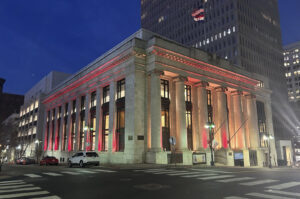
Prospect KC brews coffee bar collab with Messenger inside iconic downtown KC library
A reimagined coffee shop — closed during the pandemic — returns to full strength Aug. 7 thanks to a menu of pastries, sandwiches, and salads prepared by The Prospect KC culinary students in a live-training environment, as well as drinks and coolers crafted with Messenger Coffee Co. The 1,350-square-foot coffee bar and café — dubbed…
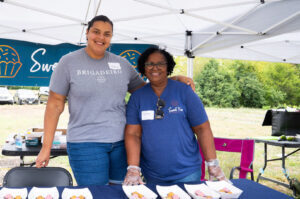
Cookies have taken over Sweet Kiss, but this mother-daughter brigadeiro shop has even more baked inside
For Jessica Harris, a brigadeiro offers a taste of home, she said, and for almost a decade, she’s been sharing those Brazilian truffles with Kansas City. When the Sweet Kiss Brigadeiro co-founder relocated to the City of Fountains in 1996 — following her sister who moved the year before to play basketball for Penn Valley…

Catalyst Fund tops $2M invested in nonprofits boosting people of color; meet the latest grantees
The latest batch of Catalyst Fund grants — a combined $500,000 across nearly two dozen organizations — seeks to elevate the work of small nonprofits that are led by or primarily serve Black, Latino, and other people of color across the region, said Dr. DeAngela Burns-Wallace. “Looking across the list of organizations in this third…