

Demand for Daupler spikes amid COVID-19 as more GovTech customers work from home
March 17, 2020 | Austin Barnes
Editor’s note: The following is part of Startland News’ ongoing coverage of the impact of Coronavirus (COVID-19) on Kansas City’s entrepreneur community, as well as how innovation is helping to drive a new normal in the ecosystem. Click here to follow related stories as they develop.
While fears over the economic impact Coronavirus (COVID-19) could have on small businesses are real, Kansas City-based Daupler is attracting new customers at an unexpected rate, said John Bertrand.

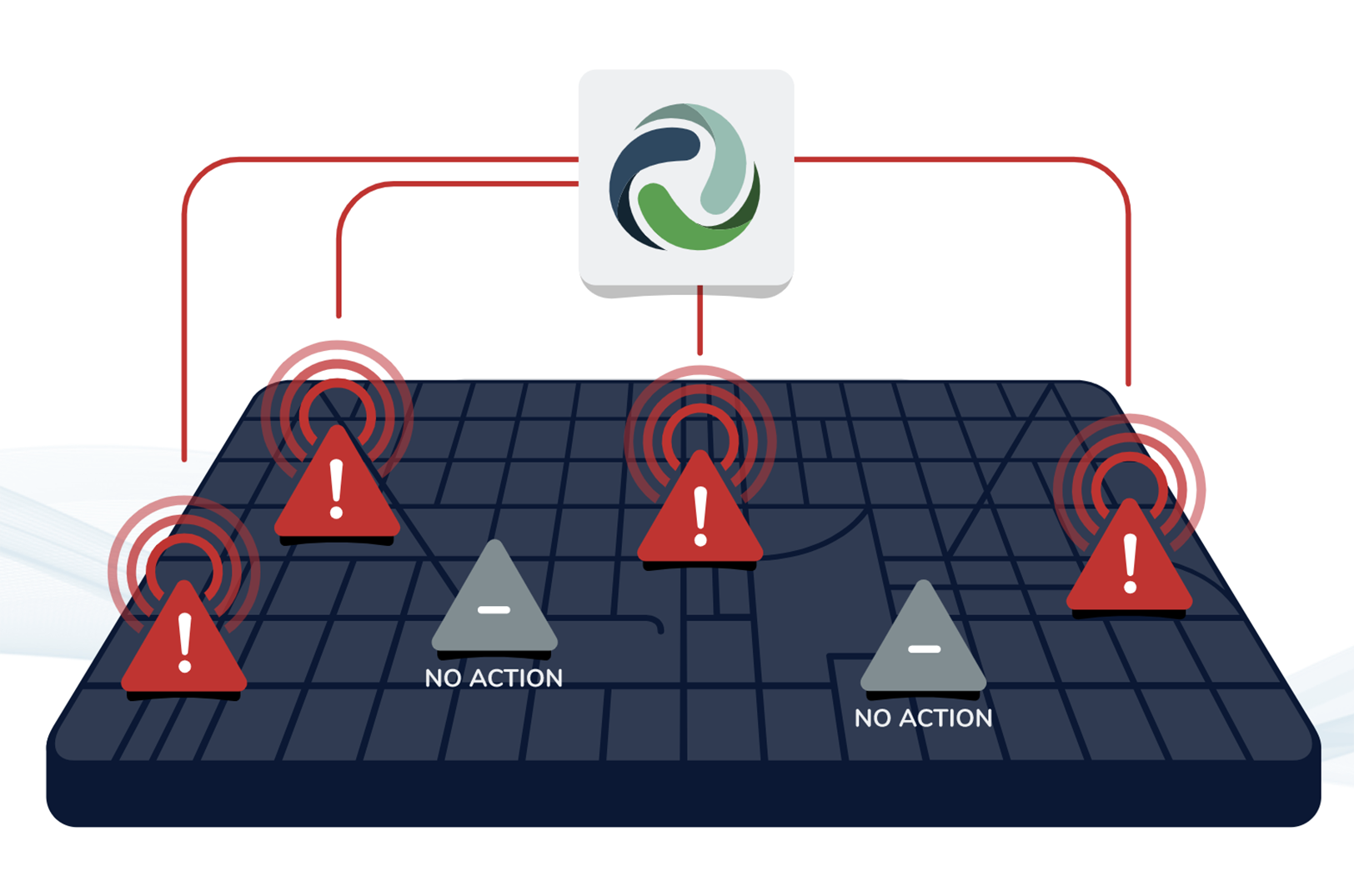
Daupler’s elevator pitch: Daupler is a fully customizable software platform built by down-to-earth people with a passion for public works and utilities. The team has worked with cities – large and small, all across the country – to implement Daupler within days and help them perform at levels they never thought possible in the areas sewer, water, streets, storm, power and gas.
“We’re receiving a lot of interest from prospects — people that we’ve talked to previously that were waiting for a budget cycle to come around,” Bertrand, Daupler CEO, explained of rising demand for the GovTech startup’s public works efficiency platform — which streamlines response processes for utilities and provides operational insights that tie into existing customer service and work order management systems.
Click here to learn more about Daupler — which was recently backed by KCRise Fund II and ranks as one of Kansas City’s Top VC-Backed Companies. The startup also was a member of the 2018 Techstars Kansas City cohort.
“I feel like [clients] would agree that [COVID-19] kind of caught them off guard, but they’re doing a great job of reacting,” he said.
With the reality of a pandemic beginning to sink in for municipalities, cities with approved emergency budgets are now looking to Daupler as a necessary, long-term solution for providing customers with efficient systems and transparent processes, Betrand said.
“One of the benefits of being a startup is you can move pretty damn quick,” he added, noting the company’s response to clients who are looking to activate Daupler as fast as they can.
“They’re used to waiting for about a year for the incumbent software companies in our space. … We have proof [we can work faster]. We got the city of Oakland, California, going in six days,” he explained of the frame which included everything from a customer demo to full installation of the software — all on emergency authorization.
“A lot of the pain that our customers experience revolves around their reliance on human resources. A lot of them are just throwing humans at solving problems,” Bertand said. “We go to cities and help them use software as a resource.”

Active in more than 10 states, Daupler is currently deployed in such nearby cities as Springfield, Olathe and Wichita where civic leaders are using the platform to manage crews and document what’s happening when disaster strikes.
“Where we initially help [cities] is after hours. That’s where they have the biggest need,” he said of Daupler’s standard use.
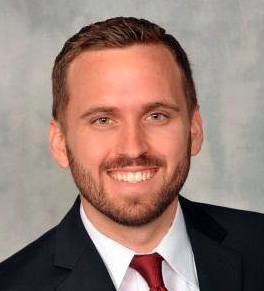
John Bertrand, Daupler
“Now you have city-office staff that are working from home or working remote. … now cities are looking to have an after-hours procedure 24/7,” Bertrand continued. “So they’ve immediately found this massive problem or even demand for, ‘How do we handle daytime operations when we have limited staff?’”
To date, about a dozen municipalities have reached out to Daupler for guidance since the COVID-19 outbreak began making headlines, Bertrand said.
“They’re just trying to stay afloat. … There are some obvious ways we can help them,” he said.
“We’re helping them understand what’s possible within our platform, but also what other agencies are doing, because these government agencies have a hard time communicating with one another so we can help them kind of aggregate what’s happening and what other agencies are doing around the country.”
Beyond a bump in sales for Daupler, a new normal could emerge in the wake of COVID-19, providing small businesses owners and founders with a path forward amid hardship, Bertrand said.
“This is an opportunity for entrepreneurs and startups to go to companies that otherwise would be very turned off by virtual meetings, by video conference calls and try to make these types of meetings the new norm,” he said of ways founders could hunker down in a time of social isolation and expand their networks.
“To me it’s not just about making a buck. This is about trying to help people at scale and if this allows us to have an opportunity to help more people because there’s more of a need, that’s a win for everybody. That’s why we started this business in the first place,” he said.

This story is possible thanks to support from the Ewing Marion Kauffman Foundation, a private, nonpartisan foundation that works together with communities in education and entrepreneurship to create uncommon solutions and empower people to shape their futures and be successful.
For more information, visit www.kauffman.org and connect at www.twitter.com/kauffmanfdn and www.facebook.com/kauffmanfdn

Featured Business

2020 Startups to Watch
stats here
Related Posts on Startland News

We Create KC report: Startup investment soared to $540M in 2017
A startling statistic for those who think capital merely flies over the Midwest: Kansas City saw a 69 percent increase in startup investment from 2016 to 2017, according to KCSourceLink’s We Create KC report. All told, early-stage businesses classified by KCSourceLink as startups — typically defined as those with 20 or fewer employees — nabbed…

Hack Midwest offers coders freedom through 24-hour app creation competition
Technologists are often surprised by what they’re able to accomplish when they work together in a competitive format, Mike Gelphman said. That’s part of the reason Hack Midwest is returning this summer with the objective to inspire more techies to embrace their imagination, said Gelphman, founder of the competition, as well as KCITP, an area…

KCultivator Q&A: John Coler champions making a quick impact, packs of dolphins
Editor’s note: KCultivators is a lighthearted profile series to highlight people who are meaningfully enriching Kansas City’s entrepreneurial ecosystem. Today Startland takes a closer look at startup ecosystem champion John Coler. Check out our features on Made in KC’s Tyler Enders, Hispanic business builder Pedro Zamora, ‘fashionpreneur’ Jordan Williams, Plexpod founder Gerald Smith, innovation coach Diana…

Backed by $4M round, Hilary’s Eat Well expanding organic food line, hiring 10-15 workers
Hilary’s Eat Well is growing its plant-based food line, company leaders said. The move to diversify the company’s offerings — as well as to more efficiently produce larger quantities of its free-from (dairy- and gluten-free) products — comes as the Lawrence-based operation moves its storage to an off-site facility, freeing up manufacturing space, said Lydia…