

Nine months after KC startup’s exit, its new owner adopts ‘Zego’ name, identity
February 11, 2020 | Startland News Staff
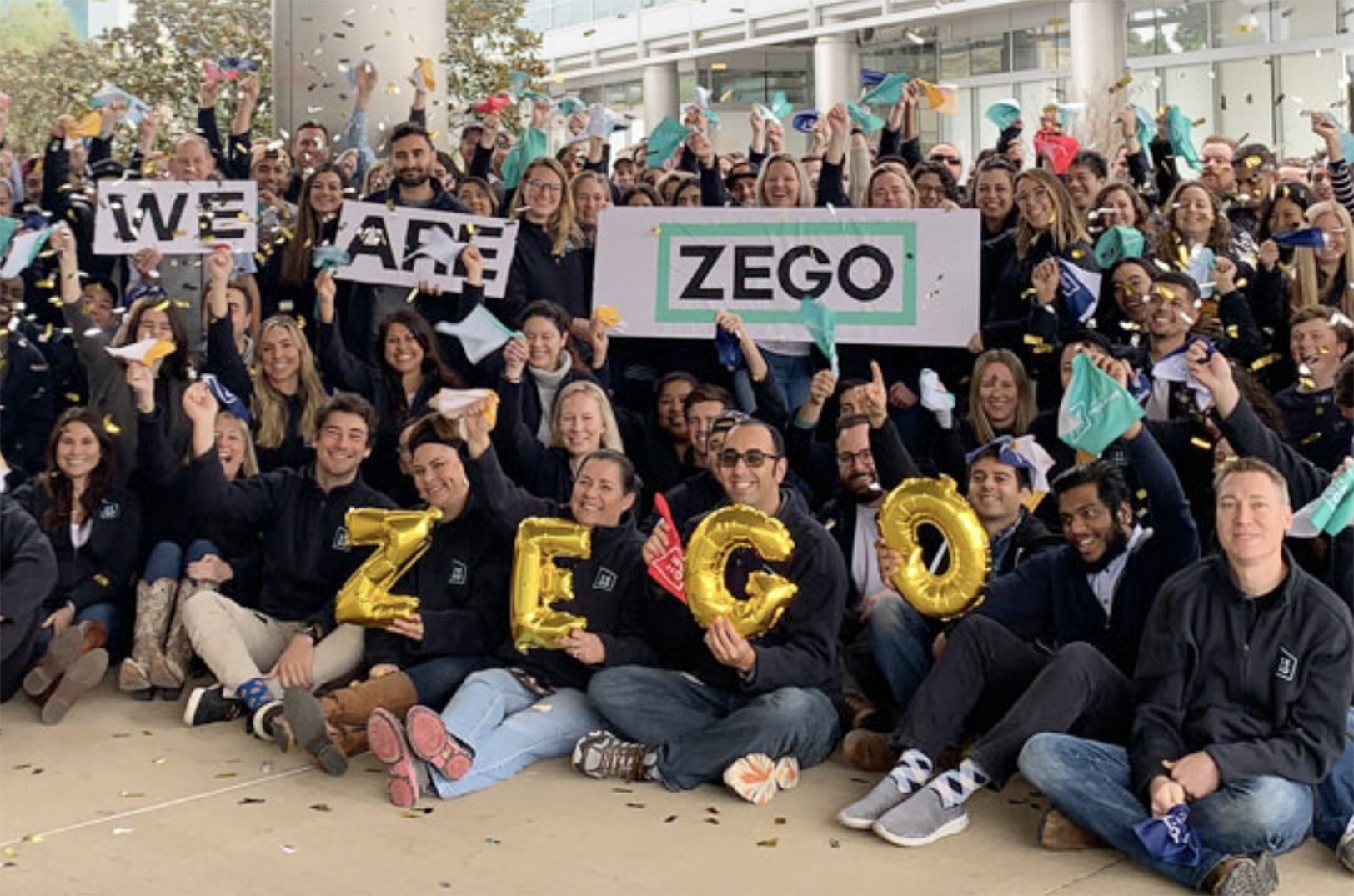
Acquiring Kansas City-based Zego was a smart move for its new owner, the San Diego company said Tuesday — and a decision so impactful that the evolving tech platform is taking on the name and personality of the exited smart home startup.
“We are excited to take the next steps in our company’s evolution,” said Dirk Wakeham, CEO of the newly rebranded Zego (powered by PayLease). “The Zego story will continue to be one of increased innovation and growth as we work with our customers to free them to go above and beyond for their communities.”
Zego — originally built in Kansas City by co-founders Adam Blake and Clay Coffman as a solution in the smart apartment space — was acquired in May 2019 by PayLease, a leader in the property management industry.
Click here to read more about the Zego exit.
The plan: integrate Zego into PayLease’s broader platform to become an end-to-end, mobile-first solution that unifies critical resident touch-points — from payments and utilities, to communication and smart devices — into one app.
“[Zego’s] tech-forward resident engagement platform, mission, and sleek modern style embodied everything PayLease was hurtling toward,” Zego (powered by PayLease) said in a release. “In such a short time frame, it’s become a vital part of our identity.”
Did you know?
An inaugural Techstars Kansas City graduate founded as “CasaiQ,” Zego’s early investors ran the spectrum of the local and national investment scene: The KCRise Fund, Techstars Ventures, Zoloz CEO Toby Rush, and ShotTracker co-founder Davyeon Ross.
Blake continues to serve as an advisor at the newly rebranded company, while Coffman serves as director of product for the Engage and Smart product lines.
“We contemplated many other names for ourselves. But in the end, we kept circling back to what was already part of us. Zego,” the company said. ‘Not only do we have existing emotional and capital investment in the name, it is a strong word. Memorable. Limitless. It has a built-in dynamism and brings to mind a sense of power, efficiency, and simplicity. All qualities that are reflected in our PropTech solutions.”
With a 17-year track record in residential real estate, San Diego-based Zego (powered by PayLease) boasts more than 250 employees and processes more than $15 billion in payments annually across 12 million units nationwide and has been recognized eight times as one of the Inc. 500/5000 Fastest Growing Private Companies.
“To be honest, shedding the PayLease name was an emotional process. But we’re feeling really good in our new skin,” the company said. “We’ll always be fond of the PayLease name and feel nostalgic about the time it represents for us. But it was simply too limiting for the company we’ve become. Now we feel more authentic to who we are. Our name and identity will withstand who we are today and who we’ll become going forward.”
Click here to read more about PayLease’s decision to rebrand to Zego.

Featured Business

2020 Startups to Watch
stats here
Related Posts on Startland News
Neighborhood smart cans help Kansas Citians save the planet from their kitchens
Newly introduced composting technology is already turning new ground in Kansas City, Kristan Chamberlain said, with more solar-powered compost cans arriving later this spring across the metro’s urban landscape. Her social venture, KC Can Compost, installed three of the devices in October — free to use for KCMO residents wanting to deposit their soil-making food…

Voodoo Volleyball bounces back in OP: Father-daughter duo doubles as new venture’s setters
Quinn Austin put several sports to the test as a preteen — racing from basketball practice to softball to volleyball. But she latched on to just one. “Volleyball. It was my sport. Everyone was having a good time,” she said. “We just loved the cheers — a cheer when we got a hit, a cheer…

Black farmers are losing ground in the fight to feed their communities, advocates say
More than a century of systemic land dispossession and discriminatory practices has left Black farmers with less than 0.6 percent of U.S. farmland — less than a third of the 16 million acres they operated in 1910, according to local urban farming advocates. They gathered Tuesday at Independence Boulevard Christian Church to confront this history…

Cracking egg-flation: How farmers, substitute ingredients help restaurants mitigate price spike
Editor’s note: This story was originally published by Kansas City PBS/Flatland, a member of the Kansas City Media Collective, which also includes Startland News, KCUR 89.3, American Public Square, The Kansas City Beacon, and Missouri Business Alert. Click here to read the original story. Whether ordering an omelet, French toast, chicken n’ biscuits, chilaquiles, corned beef hash…