

Three months’ rent in 24 hours: How Chiefs’ Super Bowl run already MADE one brand’s 2020
February 4, 2020 | Tommy Felts
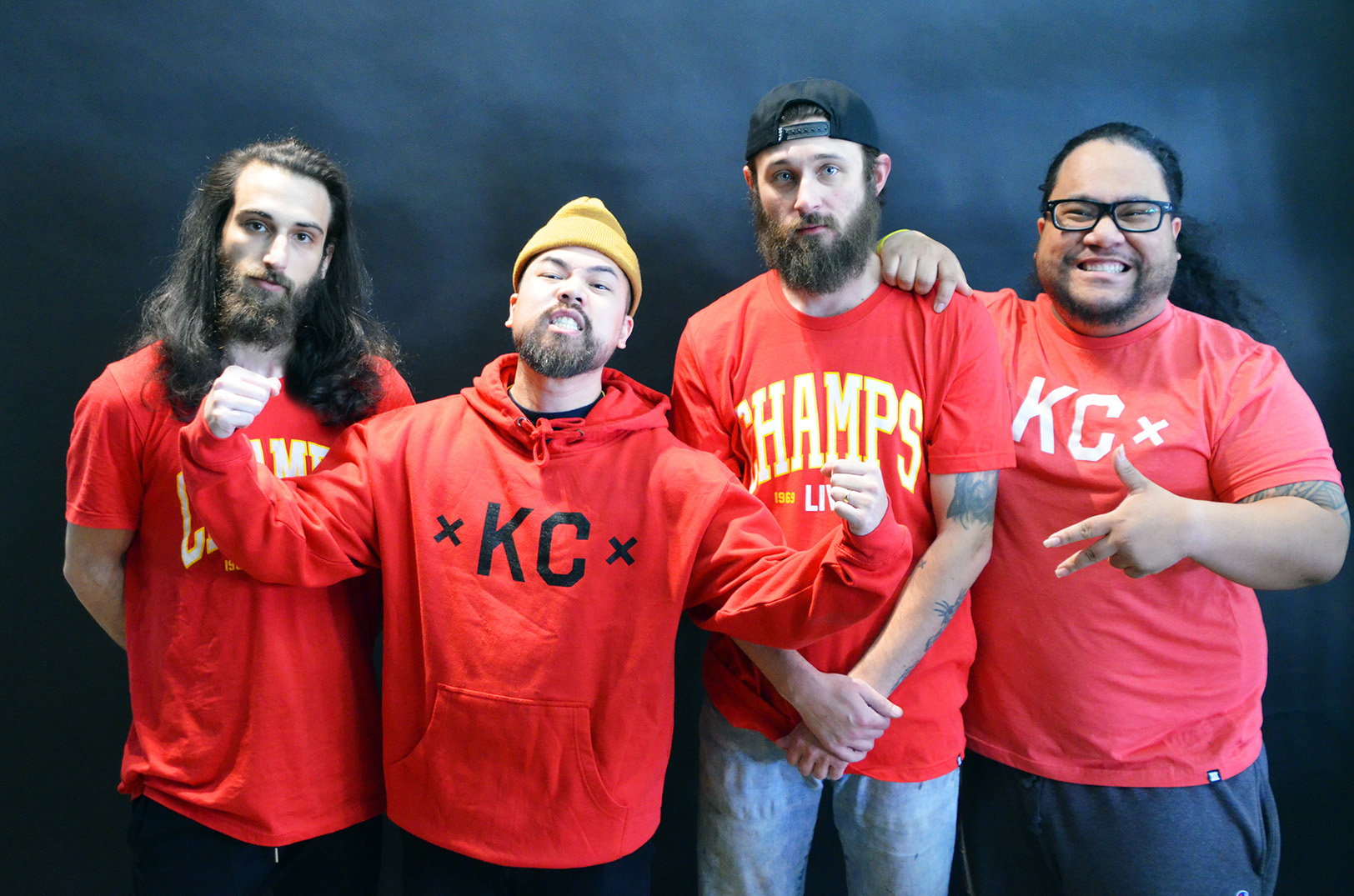
Super Bowl Sunday was a holy time for members of the MADE MOBB, but it was hardly a day of rest for the team behind Kansas City’s most iconic streetwear brand.
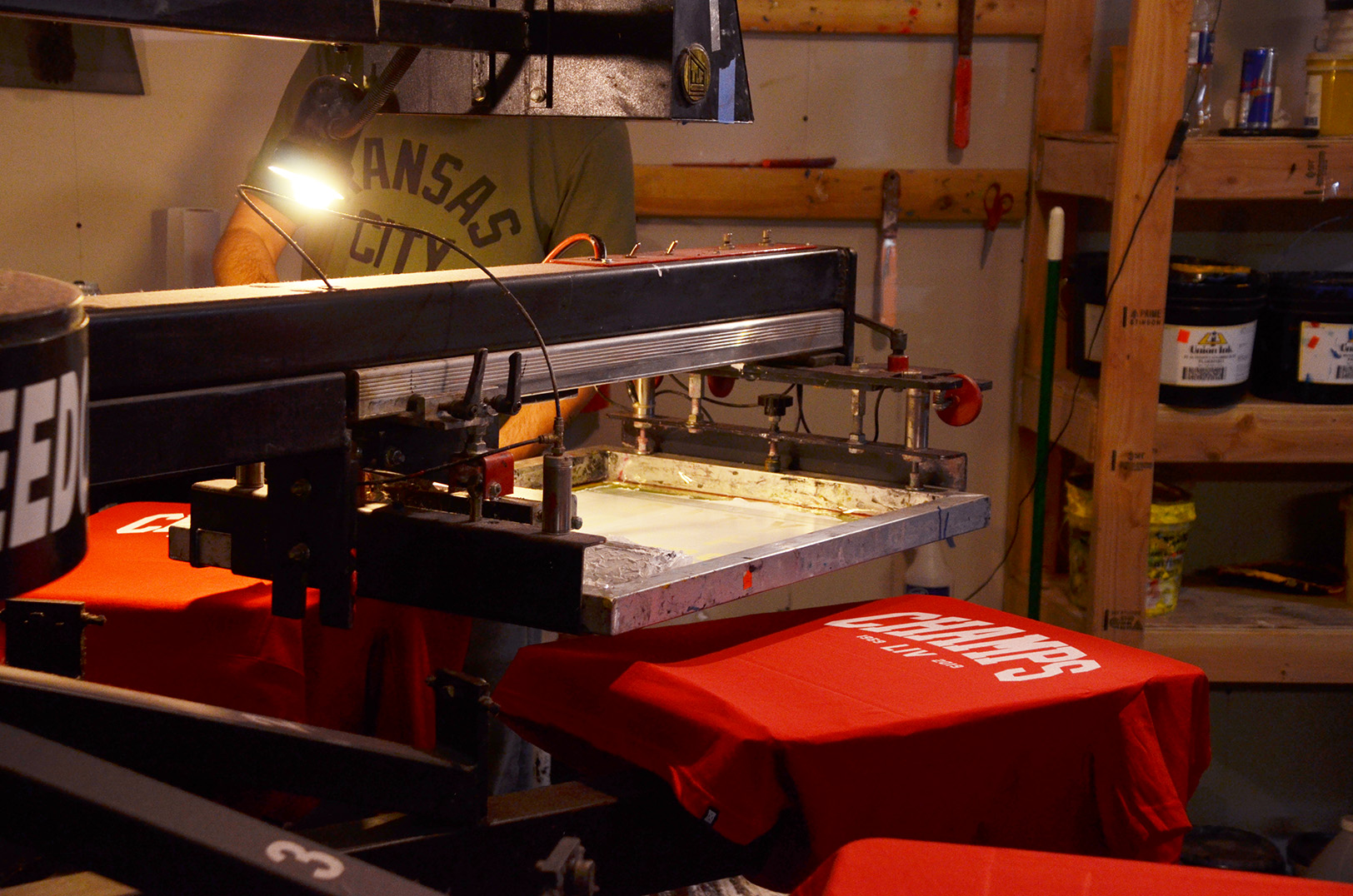
Jonathan “JP” Platz, MADE MOBB
After prepping the custom T-shirt press in the back of MADE’s Crossroads storefront late Saturday — in hopes of a new, limited drop celebrating a Chiefs’ Super Bowl victory — co-founder Jonathan “JP” Platz posted an appeal to the gods of football on Facebook.
“Now I lay me down to sleep, I pray the lord my soul to Chiefs. If I should die before I wake, I pray Lombardi’s what we take. If I should live for other days, I pray for Mahomes the rest of plays.”
The MADE team’s planning and prayers paid off, they said Monday.
“We were ready,” said Vu Radley, co-founder and creative director for MADE, describing a high-intensity weekend that saw the Kansas City Chiefs’ come-from-behind 31-20 victory over the San Francisco 49ers. “I was so amped. I couldn’t sleep.”
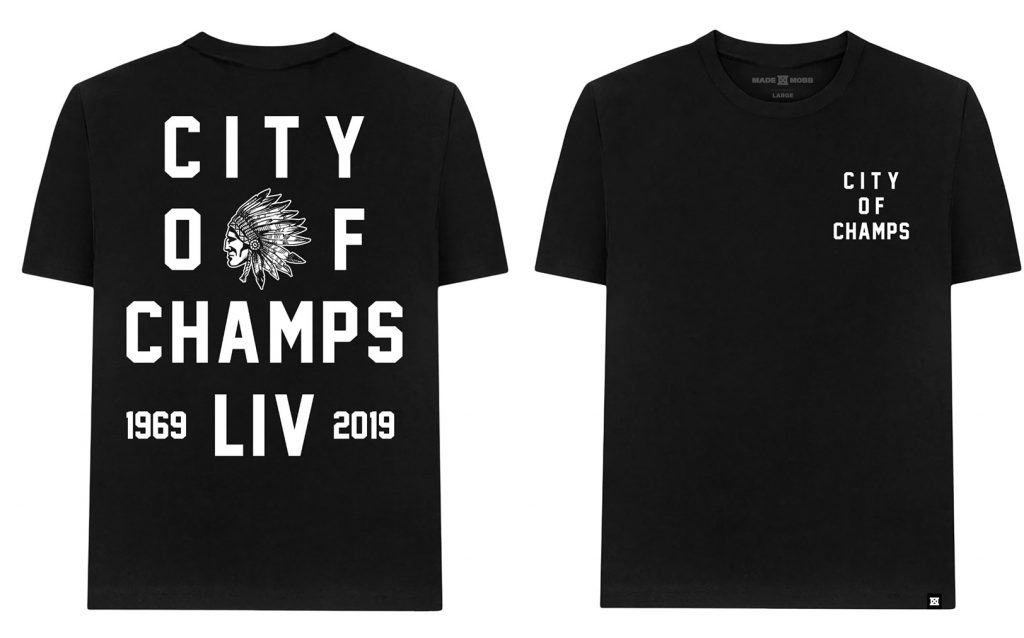
Moments after the Chiefs clinched their first championship win at the big game in 50 years, MADE released its celebratory “Champs” and “City of Champs” shirt designs — echoing their quick action in unveiling a “Revenge Tour” line of Chiefs-themed shirts commemorating the football team’s Jan. 19 AFC championship success.
Click here to shop MADE MOBB.
“Within 24 hours of dropping that one ‘Revenge Tour’ design after the win over Titans, we sold enough to pay our rent for three months — in 24 hours!” said Mark Launiu, co-founder of MADE MOBB. “As that week went on, sales picked up heavy from all over the country (even outside).”
By early Monday afternoon, post-Super Bowl sales were already outpacing the revenue from MADE’s “Revenge Tour” drop, with no sign of slowing down in sight, he said.
That success doesn’t come without pain points, Launiu said, as the MADE team works to balance an influx of new online orders with high-priority wholesale accounts that also want items from the limited-run celebratory drops.
“For retailers, coming off holiday season it’s usually the slowest time of the year — not this year!” he added. “Market your stuff. Invest money in some marketing. Run some ads. Do pop-ups. Capitalize on this win.”
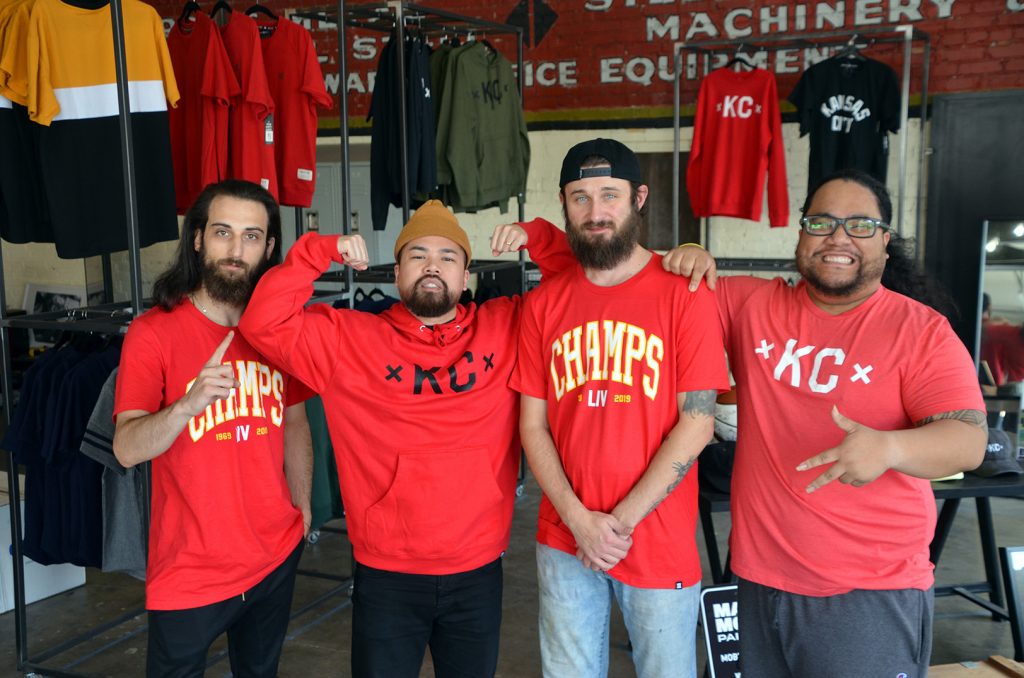
Ori Goldwasser, Vu Radley, Jonathan “JP” Platz, and Mark Launiu, MADE MOBB
MADE’s store on Southwest Boulevard was nearly picked clean of classic red and gold apparel Monday, in the wake of shoppers who descended on the streetwear company in the days and weeks leading up to the Super Bowl.
On Thursday, two grandmothers stood at the counter, purchasing a few of the remaining Chiefs-themed shirts for themselves and family members. Radley — who designed not only the Revenge Tour and championship lines, but also MADE’s iconic logo — processed their payments and casually chatted about the Chiefs.
He didn’t let on that the man behind the counter had crafted the shirt designs they were praising — instead slipping extra MADE stickers in their bags and asking them to tell their friends about the store.
Kansas City is unique in that a brand like MADE can toggle between edgy streetwear and mainstream success, admitted Launiu, citing shoppers’ hunger for buying local — whether in everyday settings or special situations like a Super Bowl.
“We have the best fans in sports and that’s the same energy given to small businesses here,” he said. “This week marks our seventh year of business, and we’re beyond grateful for the support Kansas City continues to pour into us and other small businesses. I know I speak for other creators when I say this is the best city to chase your dreams.”
Click here to read more about how apparel companies are finding their own wins in the Chiefs’ postseason success.

This story is possible thanks to support from the Ewing Marion Kauffman Foundation, a private, nonpartisan foundation that works together with communities in education and entrepreneurship to create uncommon solutions and empower people to shape their futures and be successful.
For more information, visit www.kauffman.org and connect at www.twitter.com/kauffmanfdn and www.facebook.com/kauffmanfdn

Featured Business

2020 Startups to Watch
stats here
Related Posts on Startland News
Novel Capital teams with Crux KC to offer growth-focused marketing to early-stage tech companies
An exclusive partnership between two Kansas City-based innovators is expected to help remove a traditional financial hurdle to business growth, said Ethan Whitehill, president and chief strategy officer for the KC Chamber-lauded marketing firm Crux KC. The collaboration between Crux and Overland Park-headquartered capital provider Novel Capital is expected to offer B2B SaaS and tech…
Neighborhood smart cans help Kansas Citians save the planet from their kitchens
Newly introduced composting technology is already turning new ground in Kansas City, Kristan Chamberlain said, with more solar-powered compost cans arriving later this spring across the metro’s urban landscape. Her social venture, KC Can Compost, installed three of the devices in October — free to use for KCMO residents wanting to deposit their soil-making food…

Voodoo Volleyball bounces back in OP: Father-daughter duo doubles as new venture’s setters
Quinn Austin put several sports to the test as a preteen — racing from basketball practice to softball to volleyball. But she latched on to just one. “Volleyball. It was my sport. Everyone was having a good time,” she said. “We just loved the cheers — a cheer when we got a hit, a cheer…

Black farmers are losing ground in the fight to feed their communities, advocates say
More than a century of systemic land dispossession and discriminatory practices has left Black farmers with less than 0.6 percent of U.S. farmland — less than a third of the 16 million acres they operated in 1910, according to local urban farming advocates. They gathered Tuesday at Independence Boulevard Christian Church to confront this history…