Proposed KCMO budget includes $4.8M for zero-fare transit — cuts LaunchKC, KCSourceLink funding
February 13, 2020 | Startland News Staff
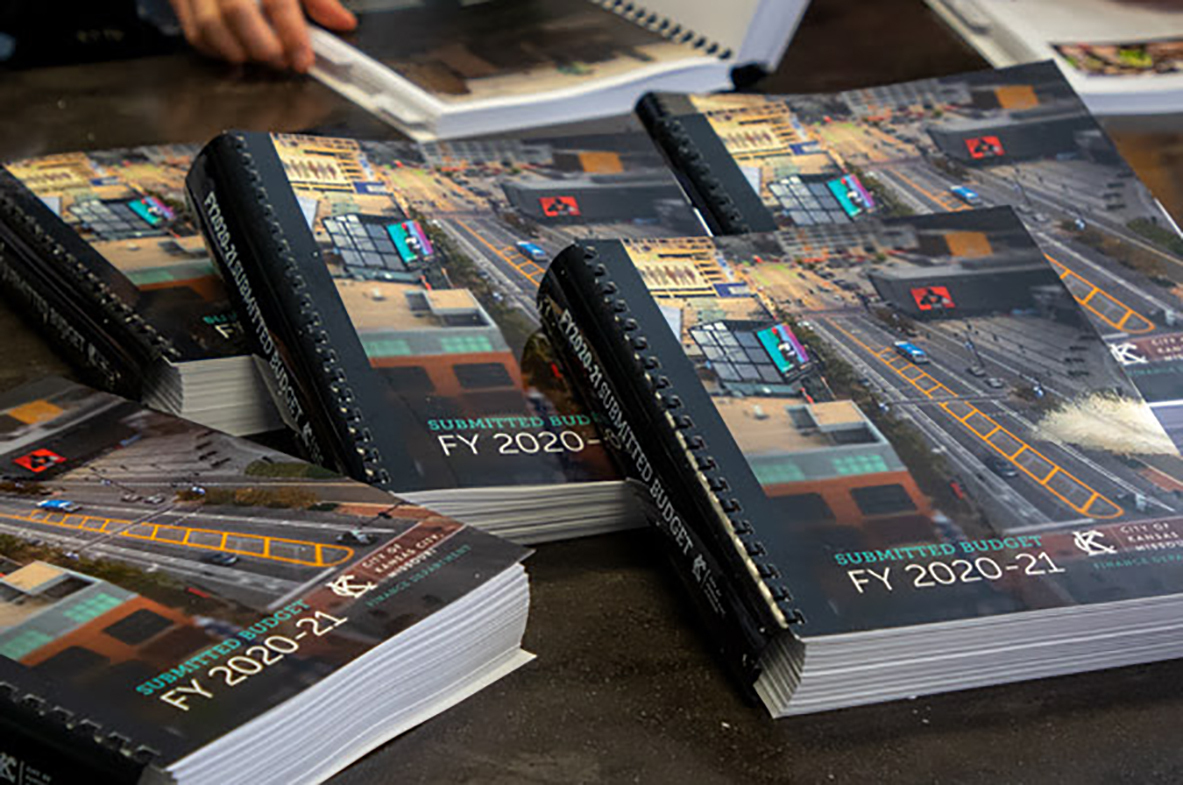
A newly proposed city budget for Kansas City, Missouri, holds steady at $1.73 billion — making room for Mayor Quinton Lucas’ zero-fare transit program, while appearing to scale back funding for entrepreneur support across the city.

KCMO would remove $50,000 for the LaunchKC program and $75,000 for KCSourceLink, if the submitted budget is approved, according to the document released Thursday afternoon. The budget would retain $250,000 for entrepreneurship support through the Urban Business Growth Initiative at the UMKC Innovation Center/KCSourceLink.
The city slated at least $550,000 for programs supporting entrepreneurs in the 2019-2020 budget, according to Startland News’ archives. A late push from entrepreneurs and support organizations helped secure $350,000 in 2019 for the Urban Business Growth Initiative on top of $200,000 that was already slated.
Click here to check out the proposed 2020-2021 KCMO city budget.
Thursday’s announcement of the new proposal — which also includes elimination of the Office of Culture and Creative Services and removes $175,000 for the Film Commission — touts work to provide funding for the mayor’s new transportation plan.
Backed by Lucas, the city council made headlines in December by approving a proposal to make Kansas City the first major U.S. city with free public bus service. The KC Streetcar service already offers fare-free service along its River Market-to-Union Station line.
“The $1.73 billion submitted budget amount, virtually identical to the 2019-2020 adopted budget, includes $4.8 million to fund the City’s zero-fare transit program,” the city said in a release. “This provides more than half of the total funding needed to make sure public transportation is free to all Kansas City passengers.”
RideKC and private partners are expected to provide the remaining efficiencies and resources within the system to make this dream a reality, according to the city.
“This budget is the most equitable budget many of us likely have ever seen in this city,” Lucas said. “It tells everybody in this city that they matter, and their neighborhoods, their issues — and, for our workers, their pay — matter. But, it’s only a beginning of our work to invest better in our neighborhoods throughout Kansas City. I encourage all to attend our public budget forums and share their feedback over the coming weeks.”
A series of two-hour KCMO Resident Speakeasy Sessions are planned in the coming weeks to serve as public budget hearings ahead of the proposed budget’s expected adoption by the Kansas City City Council on March 26.
Click here for more on the public process for reviewing the proposed budget.
Join us for a @KCMOBudget hearing near you! We want to know what’s important to you. It’s a big budget, and your tax dollars, so please plan to join us for whichever works with your schedule. @KCMO pic.twitter.com/OKShKeJmXq
— Heather Hall (@Hall1stDistrict) February 13, 2020


2020 Startups to Watch
stats here
Related Posts on Startland News

New lab hopes to boost digital inclusion in Kansas City
A new computer lab in Northeast Kansas City hopes to serve as a tech oasis in a digital desert among low-income households. Google donated and opened the new lab Monday in Chouteau Court, furthering the company’s mission to help bridge the area’s digital divide through education about computers and Internet use. Rachel Hack Merlo, Google…

Lantern scores big with Sporting Kansas City deal
Tech firm Lantern Software’s mobile app hit the right pitch with its hometown soccer team. The startup, located in Kansas City, Kan., recently partnered with Sporting Kansas City to offer its mobile concessions ordering platform. The deal, effective Saturday, will allow fans in Sporting KC’s Boulevard Members Club to order and pay for concessions on…

Scarcity of women, parents in startups offers research opportunity
It’s no secret that — like any business — an entrepreneurial ecosystem is disadvantaged without a diverse set of players. But hurdles such as late night meetings and male-dominated culture at startups create barriers to entry for two specific groups: women and parents. That’s why researchers at the Ewing Marion Kauffman Foundation are taking another…