

Show Me Hyperloop: Missouri panel confident it can win route with $300M+ test track
October 28, 2019 | Austin Barnes
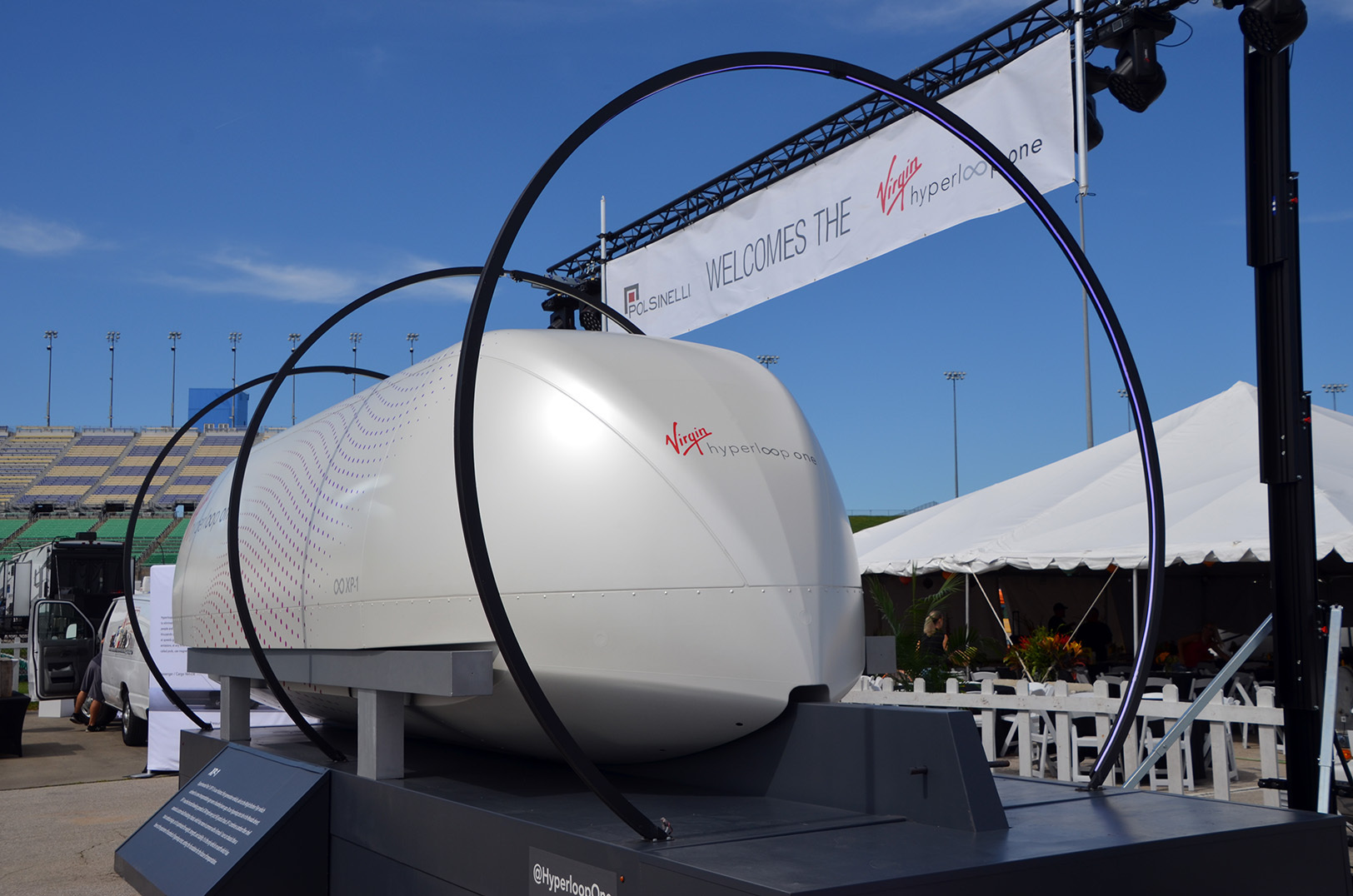
If Missouri wants to win the race for a Virgin Hyperloop One route connecting Kansas City and St. Louis, the Show Me State must foot the bill for a 12- to 15-mile test track that could cost taxpayers, the state and private partners more than $300 million, according to a new report.
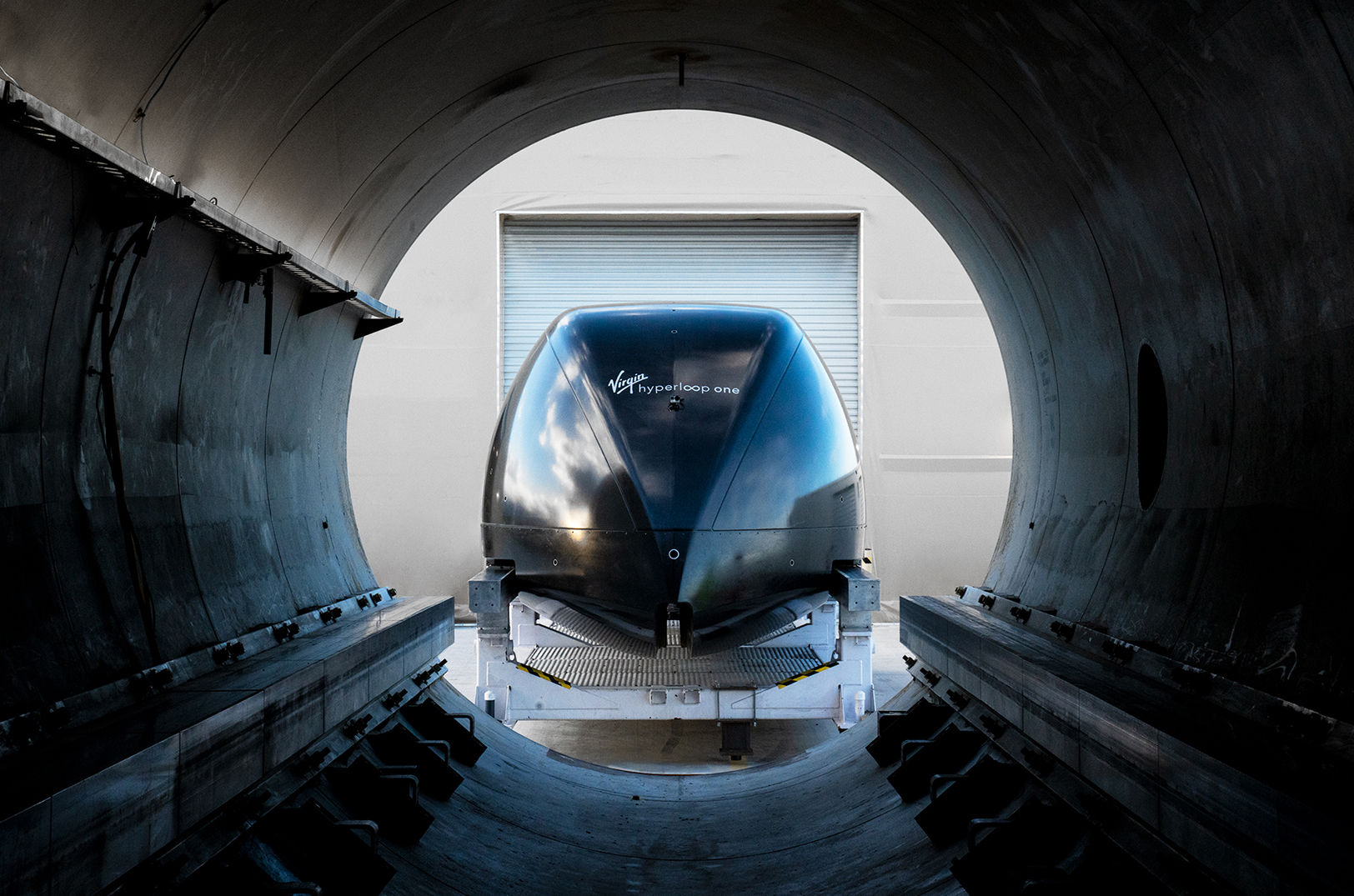
Photo courtesy of Hyperloop One
“This initial segment — effectively ‘mile zero’ on an eventual national network — would be at least three-and-a-half times longer than any existing prototypes and could be used to further validate the viability of the underlying technology,” read a 176-page report released Monday by Missouri’s Blue Ribbon Panel on Hyperloop.
Being the first in the nation to build such a site would boost Missouri’s favor as Virgin Hyperloop One considers final locations for its hyperloop routes, suggested the panel — a bi-partisan committee comprised of 31 civic, education and legal minds and chaired by Lt. Gov. Mike Kehoe.
“Missouri would position itself as the natural epicenter for the research, development, and commercialization of hyperloop technology. It is unlikely that other regions would seek to duplicate our efforts, given the cost and complexity involved in initial permitting, regulatory approvals, and construction,” the report read further.
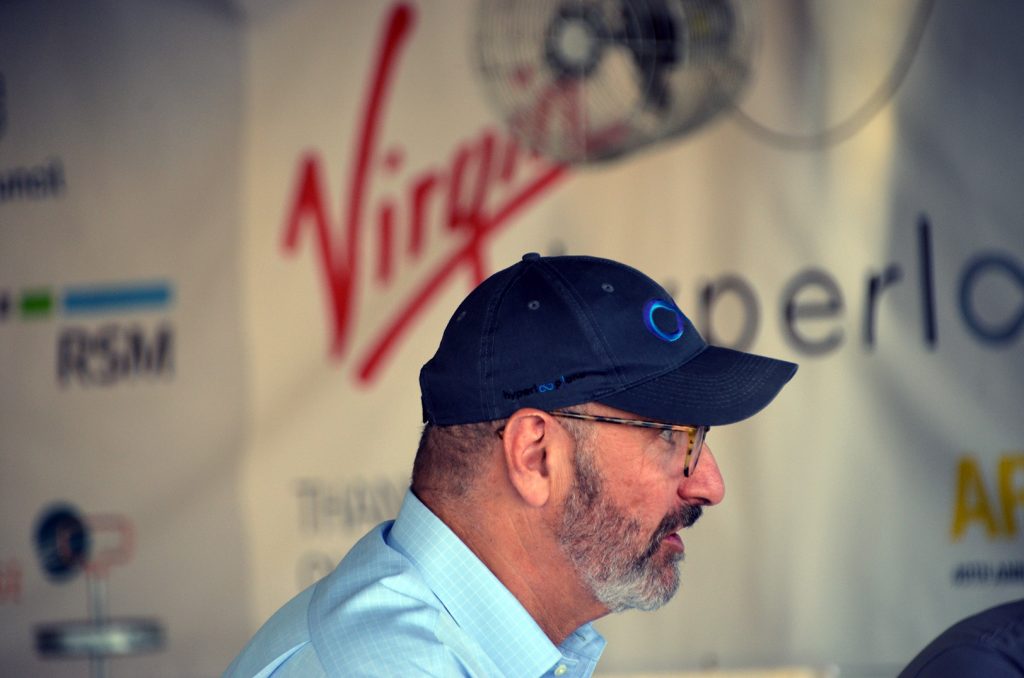
Jay Walder, Virgin Hyperloop One
With a Virgin Hyperloop One pod on display last month in Kansas City, Jay Walder, Hyperloop One CEO, told Startland News that the technology remains so new that no human passenger has yet tested the high-speed method of transportation — which promises to transport riders from Kansas City to St. Louis in just 30 minutes.
“We’re talking about a first new mode of transportation in 100 years and people sometimes have a hard time imagining that,” Walder told Startland at the time, emphasizing his company’s commitment to safely deploying the technology.
Building a test track could put Hyperloop One’s team on a path toward changing that reality.
Click here to read more about Walder’s second big visit to the metro and the impact kids could have on Hyperloop.
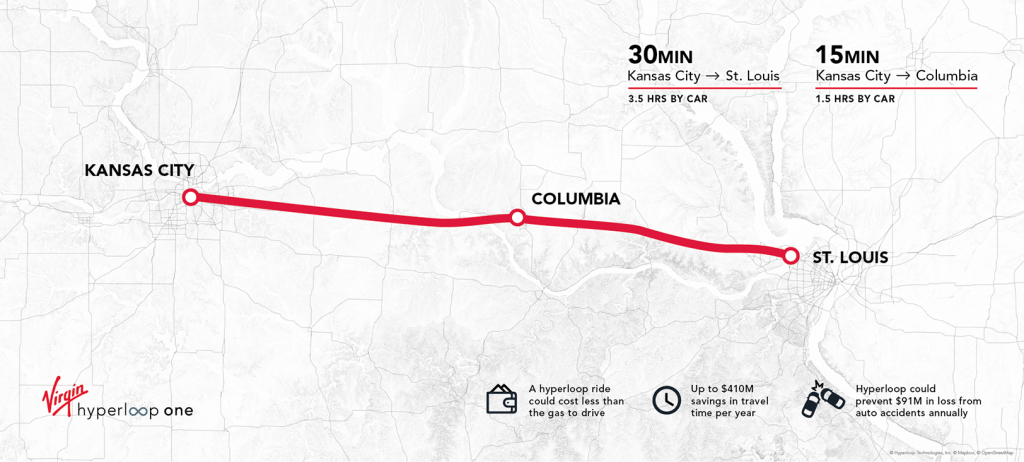
Missouri Hyperloop Map
Further highlighted in the report: the total cost of potential hyperloop construction in Missouri.
The Blue Ribbon Panel estimates a full build out of the hyperloop route would cost between $30 and $40 million per mile — or approximately $7.3 to $10.4 billion.
“The operation and reinvestment phase of the project should be driven by private industry and private capital through a long term concession agreement,” the report advised.
“The specific terms of that concession agreement would be negotiated on behalf of Missouri taxpayers by the Project Sponsor and would ensure that taxpayers would not be responsible for ongoing maintenance and reinvestment.”
Under panel recommendation, the project sponsor identified by the report would take the shape of the Missouri Hyperloop Corporation — to be initially operated and organized by the Missouri Department of Transportation and the Missouri Department of Economic Development.
The Missouri Hyperloop Corporation would develop a financing plan, work with federal, interstate and local public sector funding and financing, procure private sector partners and oversee the public interest — which would include the construction of a hyperloop test track.
1/ MO State Rep. @elijahhaahr with L to R: Mayor @QuintonLucasKC, @RyanWeberKC of @KCTechCouncil, and @MOTreasurer Scott Fitzpatrick discuss recommendations of Blue Ribbon Panel on #Hyperloop. pic.twitter.com/ADC8gyjRgL
— KC Chamber (@kcchamber) October 28, 2019
“Missouri Hyperloop Corporation will be the bridge between federal, state, local authorities and the private sector technology and development partners,” the panel noted.
“The Corporation will act as a catalyst for coordinated and cooperative action alongside these partners and will serve as a focal point for the constant emphasis of our unity of purpose, as we strive together to reach the goal defined in our Mission.”
The panel suggested confidence that up-front funding and financing options should be easily secured by the corporation, should the state pursue its recommendation.
Such a task would be aided by what the panel identified as a “partnership model.”
“The partnership model is a form of project delivery strategy where the design, construction, and operation of Missouri Hyperloop will be completed by the Technology and Development Partners for the benefit of the general public,” the report explained.
“One of the main features of the partnership model is the transfer of financing, project delivery, operation, and maintenance risks to a private sector entity. Hence, both the design risk as well as the construction risk rests with a private sector entity (other than where changes are requested by the public sector).”
If hyperloop is realized in Missouri, an estimated $901 million would be annually spent in the state over a construction period of 10 years, according to the report.
Such a projection also suggested the creation of 4,720 jobs in the region, which would create or support 1.3 jobs in other areas of the economy — resulting in the ultimate promise of 10,860 jobs created or supported during the construction of hyperloop.
Click here to read more about hyperloop’s potential for creating and boosting jobs.
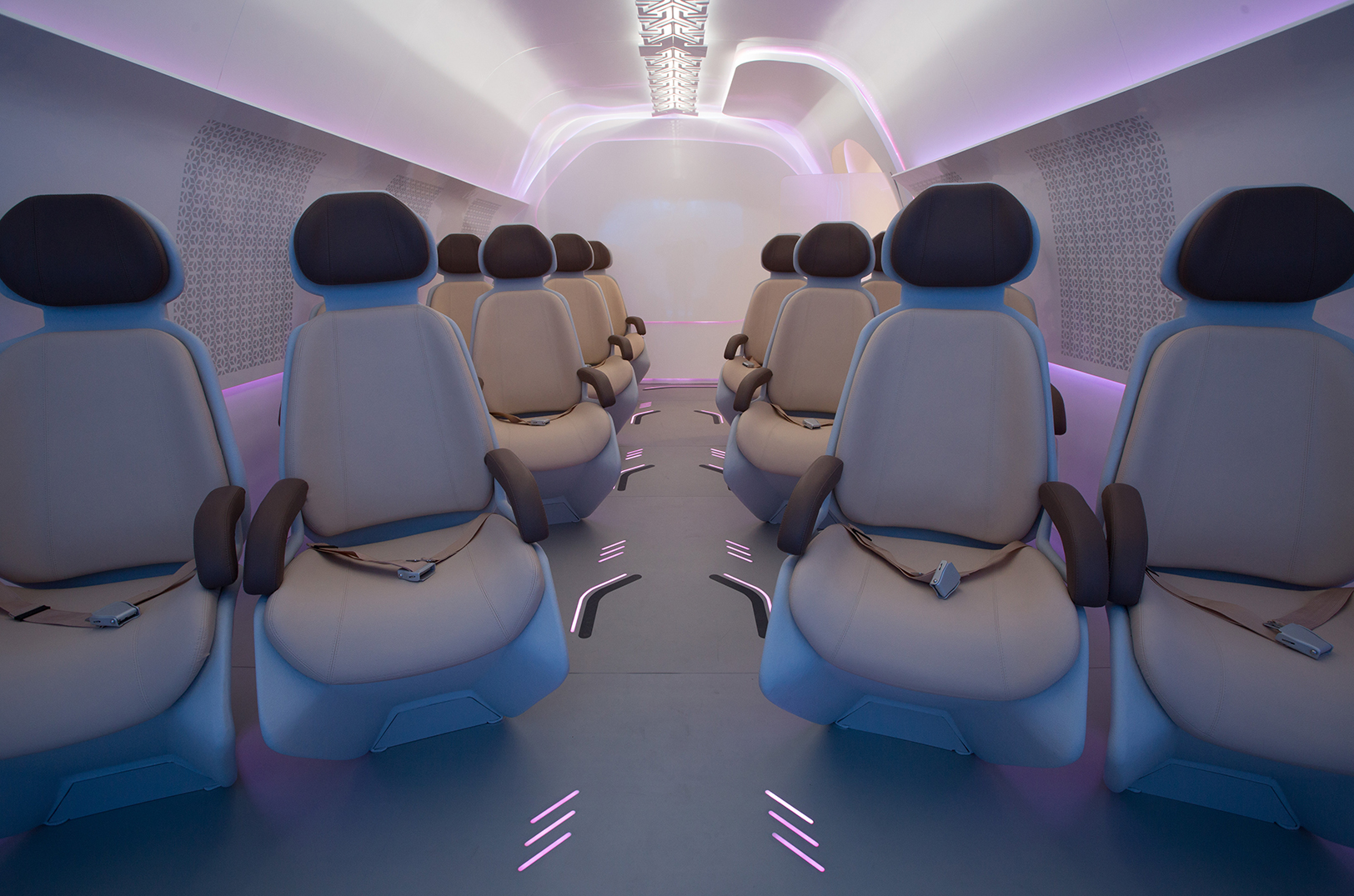
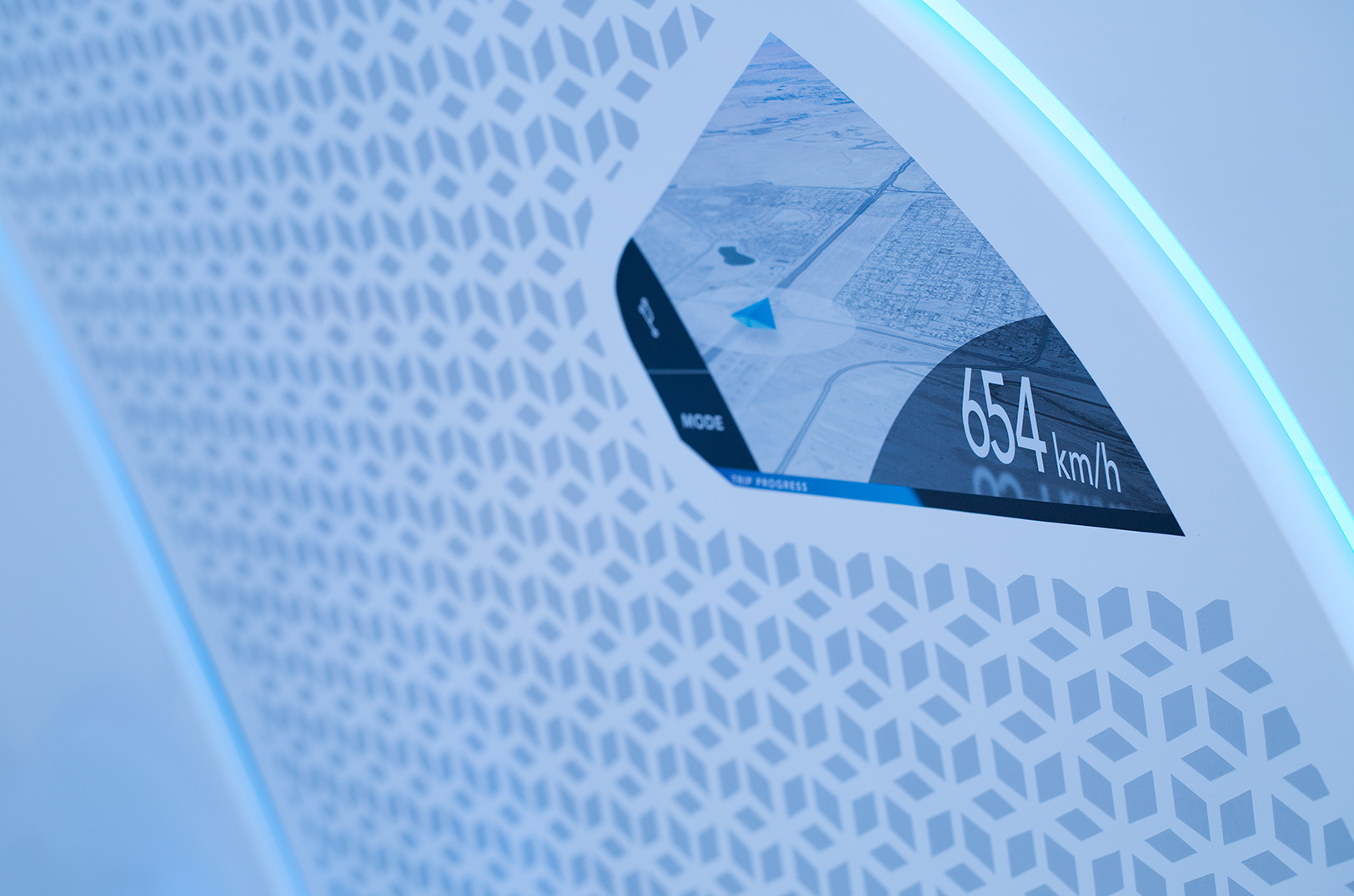
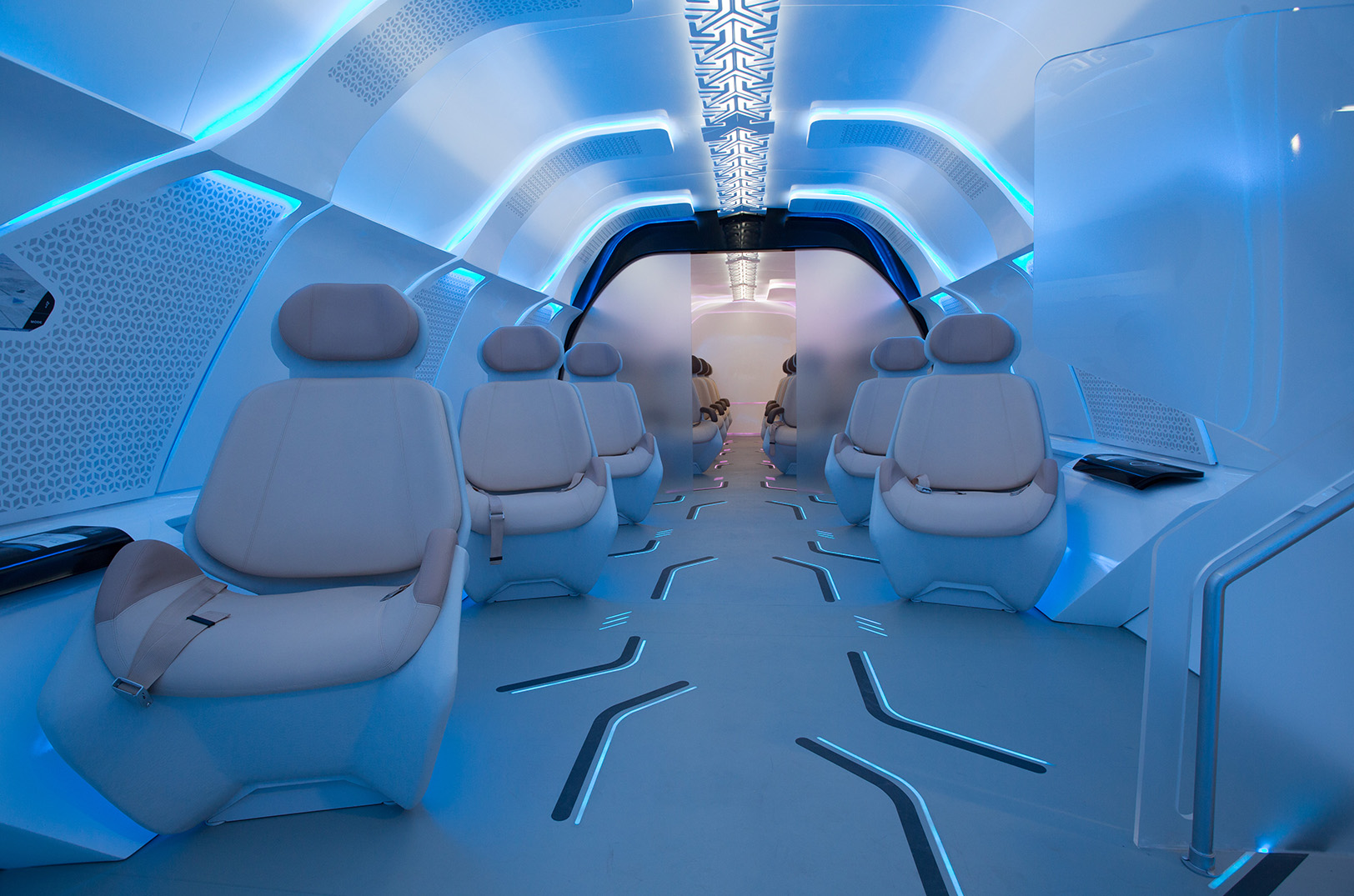
Check out interior photos of Hyperloop One’s pod in Dubai below.


Featured Business

2019 Startups to Watch
stats here
Related Posts on Startland News
KC’s ‘Horn Doctor’ handcrafts jazz preservation, keeping soul, tradition alive on Vine Street
Across the historic intersection at Kansas City’s 12th and Vine streets, B.A.C. Musical Instruments operates as one of the few remaining American factories handcrafting professional brass instruments. “This is where all the musicians would hang out back in the day,” said founder Mike “Horn Doctor” Corrigan, gesturing toward the Paseo sunken garden beside his shop.…

Autotech startup revs after patent stall; signature tech removes emissions, waste from diesel logistics
Fresh fuel is pumping into NORDEF after the Kansas City autotech company finally received patent approval for its signature product, co-founder William Walls said, pushing the pedal on its mission to disrupt the automotive fluid industry. Four years after applying for a provisional patent for its technology to produce diesel exhaust fluid on-demand — and…

rOOTS KC grows into third location, planting shop in River Market ahead of World Cup
Initially setting its roots as a pop-up plant shop in 2020, Dee Ferguson’s leafy business has grown to three Kansas City locations. The secret is in the soil, she said, describing a strategy for cultivating customers through free, evergreen plant care support and “community-rooted spirit.” [pullquote] The name rOOTS comes from Dee Ferguson’s surname: Oots.…
Summer funding pushes CarePilot to team hires, AI accolades, healthtech product launch
Fresh off its summer capital infusion, a Kansas City-built AI startup that helps doctors focus on patients instead of administrative tasks is earning industry recognition and dropping another new product, said Joseph Tutera, sharing credit for the milestones with behind-the-scenes talent. “We have a young team and they don’t have the encumbrance of a prior…