

Report: KC tech industry brings in $12B, attracts Hyperloop, but city still struggling to fill talent pool
October 10, 2019 | Rashi Shrivastava
Despite facing a shortage of skilled talent, the tech industry in Kansas City contributed roughly $12 billion — or about 10 percent — to the local economy in 2018, according to an annual report released by the KC Tech Council, a nonprofit that aims to spur tech growth in the city.

Nearly one in 10 working Kansas Citians are employed by tech companies which have together created more than 100,700 jobs in the city, according to the KC Tech Specs report.
Click here to read the KC Tech Specs report.
Driven by analysis of data from the U.S. Bureau of Labor Statistics and other sources like Code.org, KC Tech Specs presents the current landscape and future trends of the tech sector in the Kansas City region.
Missouri’s numbers followed a trend similar to Kansas City. The tech industry contributed $22 billion dollars — or about 8 percent — to Missouri’s economy in 2018, according to the report.
However, the tech community in Kansas didn’t experience the same fate. In 2018, Kansas posted the second-highest amount of tech job losses among all 50 states, according to the report. The state also experienced stech business losses.
While numbers in Kansas City’s tech industry are climbing, the city still has about 3,000 unfilled tech positions because of a tight labor market and a need for highly-skilled tech talent, according to the report.
“The biggest problem facing KC’s tech industry is the lack of a skilled workforce. We share this problem with the entire country,” said Ryan Weber, president and CEO of the KC Tech Council.
Current state
Tech employees in Missouri were paid almost 90 percent higher than the average wage in the state, but both Kansas City and Missouri lagged behind the national average compensation. While the wages are relatively high, a gender disparity exists in the sector with more than 77 percent of tech jobs held by men.
Kansas City has undergone a “brain gain,” which means the city has imported tech degree graduates from other regions to meet the gap in demand and supply of tech workers. A majority of the employees hired by tech companies are computer science graduates with a bachelor’s degree in General IT, according to the report.
The report pointed to positive trends in Missouri like legislation passed in 2019 that allowed high school students to fulfill graduation requirements with certain computer science courses which has made students six times as likely to pursue computer science in college.
Future trends
The report projected that by 2026 the tech industry will add 13,000 more tech positions in Missouri.
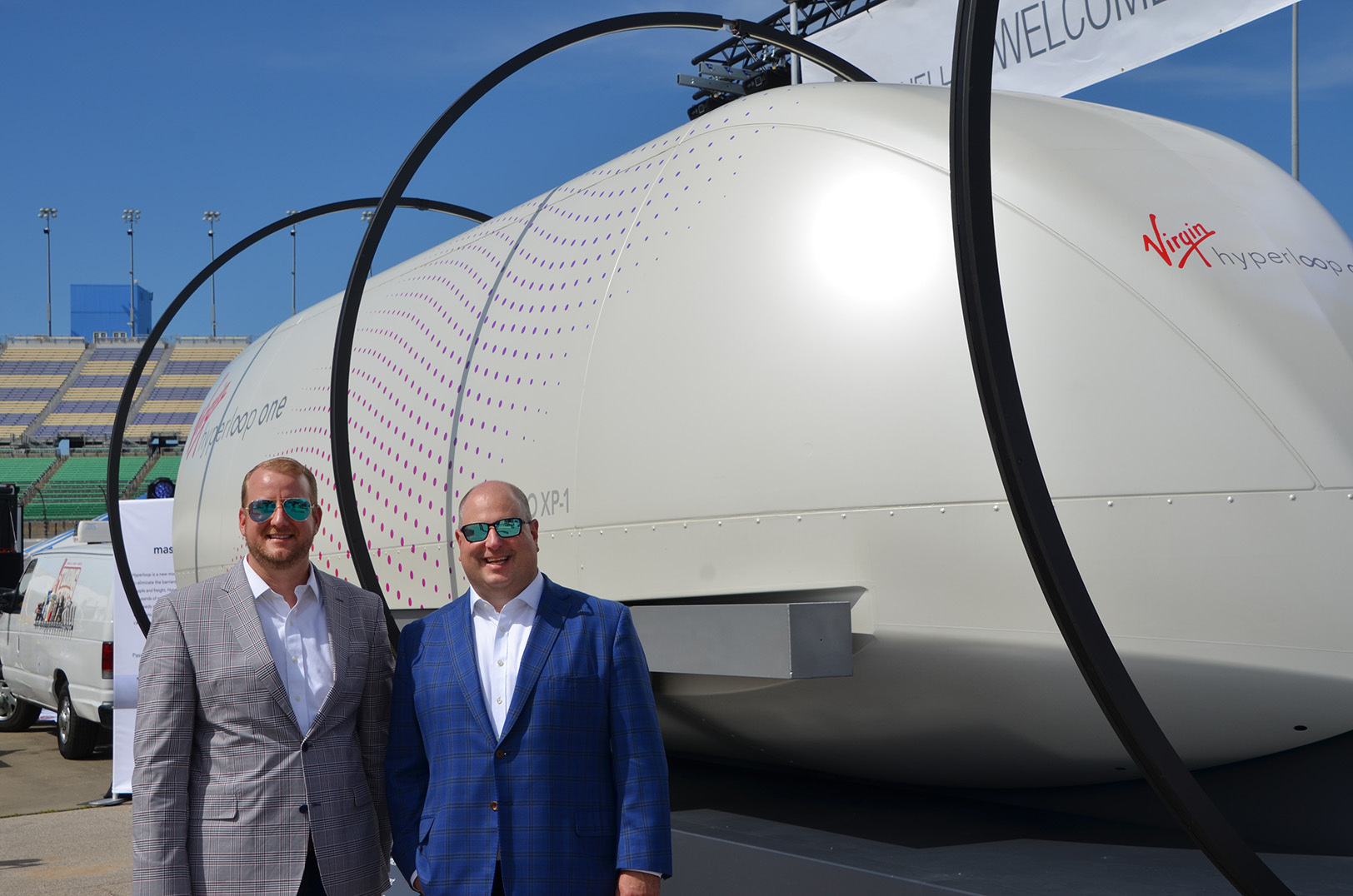
Game-changing transportation projects like Virgin Hyperloop One, for which Missouri is a lead contender, has drawn KC Tech Council’s attention as a potential job creator. In May 2019, Sprint officially launched 5G technology in select cities including Kansas City which could expand the capabilities of the tech industry in many ways, according to the report.
Additionally, policy changes around data privacy statutes and computer science education standards have the opportunity to propel the industry forward, the report predicted.
This story was produced through a collaboration between Missouri Business Alert and Startland News.

Featured Business

2019 Startups to Watch
stats here
Related Posts on Startland News

Bash crashers: Airbnb stopped 1,700 suspected parties in KC amid 2021 variant surges
Airbnb’s ban on booking spots for house parties prevented hundreds of spreader events across Kansas City — especially impactful over holiday weekends known disruptive behavior, the company said Friday. First introduced in summer 2020 to prioritize public health in the early days of the pandemic, Airbnb’s ban included new tech systems on the short-term rental platform…

Meet the new 2022 Pipeline fellows building ‘breakout’ startups and poised for rapid scale
Persistence frequently pays off, said James West, reacting to his selection for Pipeline’s latest fellowship. The Lawrence biotech founder applied to join the elite entrepreneur network off and on since 2011 — and is now among 13 new fellows. “To finally get accepted is recognition of the work and progress I’ve made in the last few…

Overlooked to booked: How 12 founders are opening the gate to scaling success through Pipeline Pathfinder
The idea that someone else sees Fresh Factory KC’s potential still seems remarkable for India Wells-Carter, she said Thursday as Pipeline unveiled her business as one of 12 selected for its first-ever Pathfinder cohort — an entryway into its elite network for often-overlooked entrepreneurs. “I know I believe in my company, but it feels great to…

Pipeline unveils first-ever double cohort in bid to develop region’s next great serial entrepreneur
Twenty-five founders are entering the Pipeline network this week, Melissa Vincent said Thursday, revealing the newest additions to its elite fellowship, as well as the just-debuted Pathfinder cohort for earlier-stage, underserved entrepreneurs. “We were blown away by the response,” said Vincent, executive director of Pipeline, noting the fall 2021 recruiting period was the most vigorous…