

Report: KC tech industry brings in $12B, attracts Hyperloop, but city still struggling to fill talent pool
October 10, 2019 | Rashi Shrivastava
Despite facing a shortage of skilled talent, the tech industry in Kansas City contributed roughly $12 billion — or about 10 percent — to the local economy in 2018, according to an annual report released by the KC Tech Council, a nonprofit that aims to spur tech growth in the city.

Nearly one in 10 working Kansas Citians are employed by tech companies which have together created more than 100,700 jobs in the city, according to the KC Tech Specs report.
Click here to read the KC Tech Specs report.
Driven by analysis of data from the U.S. Bureau of Labor Statistics and other sources like Code.org, KC Tech Specs presents the current landscape and future trends of the tech sector in the Kansas City region.
Missouri’s numbers followed a trend similar to Kansas City. The tech industry contributed $22 billion dollars — or about 8 percent — to Missouri’s economy in 2018, according to the report.
However, the tech community in Kansas didn’t experience the same fate. In 2018, Kansas posted the second-highest amount of tech job losses among all 50 states, according to the report. The state also experienced stech business losses.
While numbers in Kansas City’s tech industry are climbing, the city still has about 3,000 unfilled tech positions because of a tight labor market and a need for highly-skilled tech talent, according to the report.
“The biggest problem facing KC’s tech industry is the lack of a skilled workforce. We share this problem with the entire country,” said Ryan Weber, president and CEO of the KC Tech Council.
Current state
Tech employees in Missouri were paid almost 90 percent higher than the average wage in the state, but both Kansas City and Missouri lagged behind the national average compensation. While the wages are relatively high, a gender disparity exists in the sector with more than 77 percent of tech jobs held by men.
Kansas City has undergone a “brain gain,” which means the city has imported tech degree graduates from other regions to meet the gap in demand and supply of tech workers. A majority of the employees hired by tech companies are computer science graduates with a bachelor’s degree in General IT, according to the report.
The report pointed to positive trends in Missouri like legislation passed in 2019 that allowed high school students to fulfill graduation requirements with certain computer science courses which has made students six times as likely to pursue computer science in college.
Future trends
The report projected that by 2026 the tech industry will add 13,000 more tech positions in Missouri.
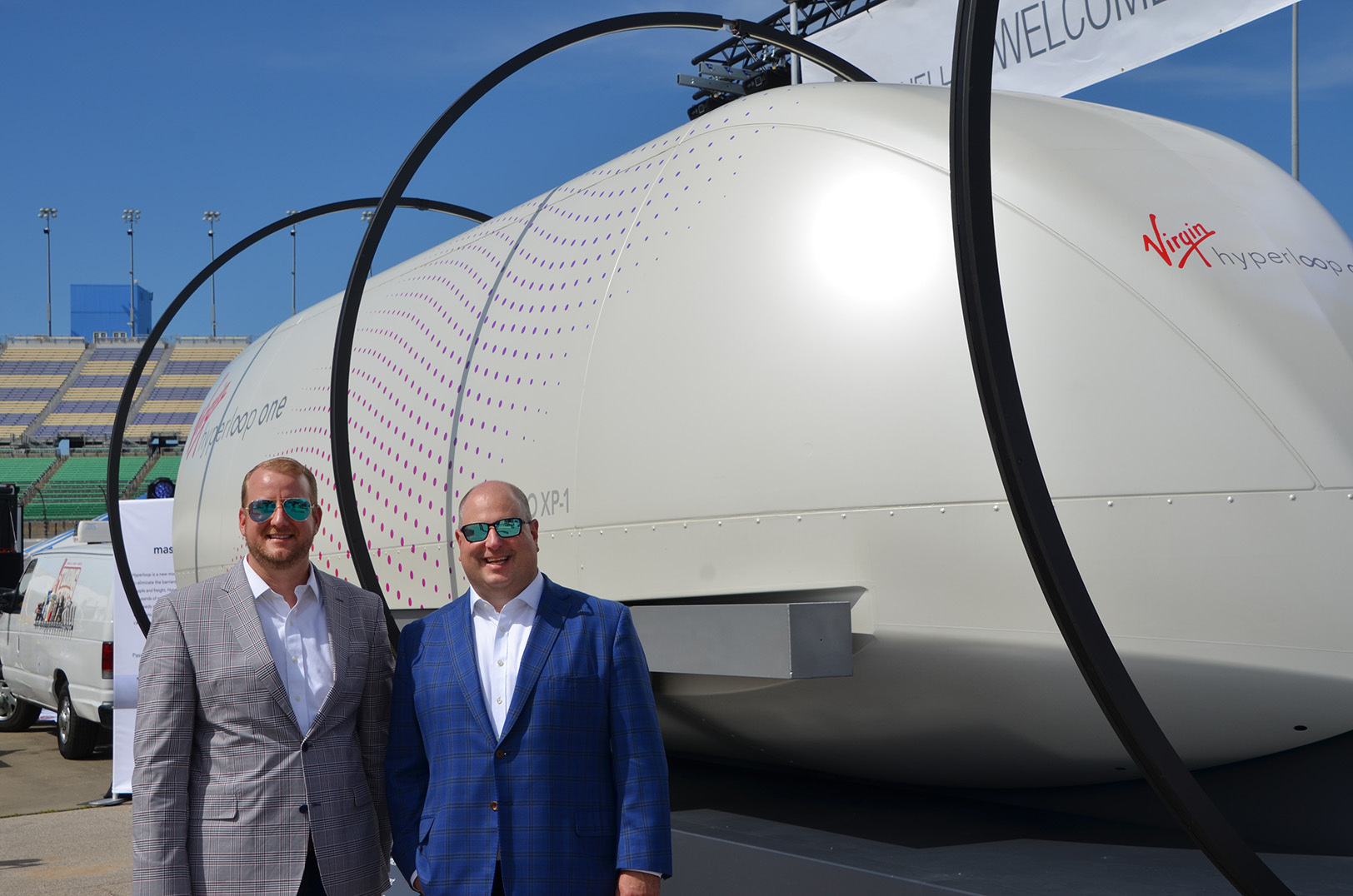
Game-changing transportation projects like Virgin Hyperloop One, for which Missouri is a lead contender, has drawn KC Tech Council’s attention as a potential job creator. In May 2019, Sprint officially launched 5G technology in select cities including Kansas City which could expand the capabilities of the tech industry in many ways, according to the report.
Additionally, policy changes around data privacy statutes and computer science education standards have the opportunity to propel the industry forward, the report predicted.
This story was produced through a collaboration between Missouri Business Alert and Startland News.

Featured Business

2019 Startups to Watch
stats here
Related Posts on Startland News
Topping expectations: These brothers helped expand Pizza Tascio to 8 locations; now they’re taking over
Erik Borger hired all three Lombardino brothers in their teens, starting them out as dishwashers at his restaurants in St. Joseph, Missouri. They quickly took on other positions — front of house, staff scheduling, food and beverage orders and deliveries, and hiring and firing workers. If an employee didn’t show up for a shift, they…

Nell Hill’s founder returns to retail with ‘this little secret’ — a micro shop with an old-fashioned, in-store experience
Mary Carol Garrity’s last home furnishings store was 18,000 square feet. Her new one? A “petit bazaar” at just 400. Garrity is teaming up with longtime friend, Rebecca Wood, on diebolt’s in Midtown’s Gillham House Antiques & Furnishings. The shop, which is scheduled for an April 19 soft opening, is expected to offer a “fun…
Urban designer behind Royals’ Crossroads ballpark pioneered the modern MLB stadium (and he has the bats to prove it)
It’s difficult to find a Major League Baseball stadium that Earl Santee hasn’t influenced with his philosophy of community-oriented design. Called the “Godfather of ballparks,” Santee — the recently named CEO of Populous and literal architect of the proposed Kansas City Royals ballpark district in the East Crossroads — either designed or renovated two dozen…
Royals change stadium plan to keep Oak Street open to traffic, but fate of businesses is uncertain
Editor’s note: The following story was published by KCUR, Kansas City’s NPR member station, and a fellow member of the KC Media Collective. Click here to read the original story or here to sign up for KCUR’s email newsletter. The Royals’ original plan was to place the team’s corporate offices and entertainment venues on Oak Street, which would close the…