

Cyber threats and opportunities: Why did 50+ KC schoolgirls get a peek at Fishtech’s high-security campus?
October 26, 2019 | Austin Barnes and Tommy Felts
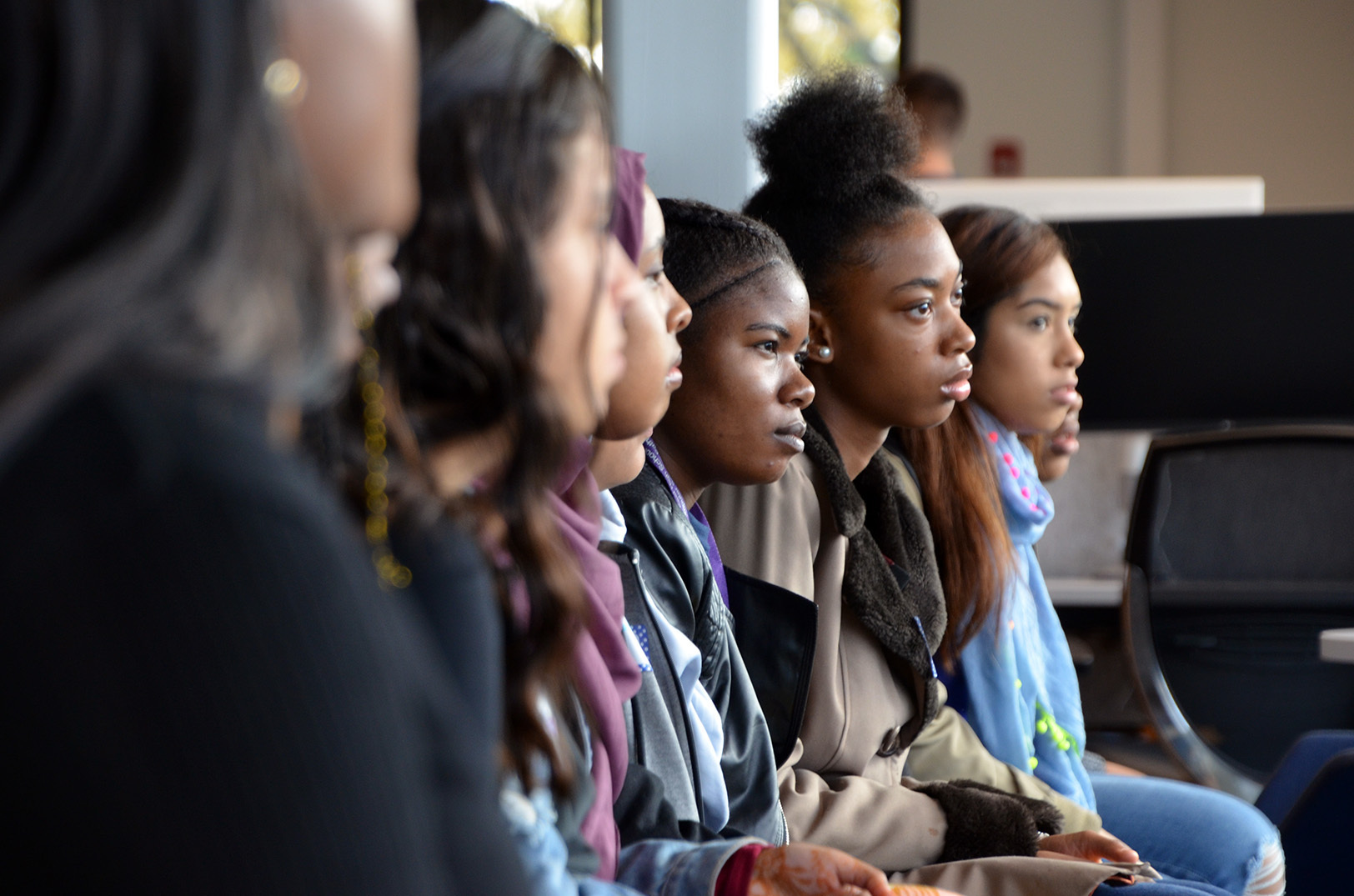
You never know when an opportunity will find you, Alex Vendetti told a group of Kansas City high school girls touring the Fishtech Group cybersecurity campus.
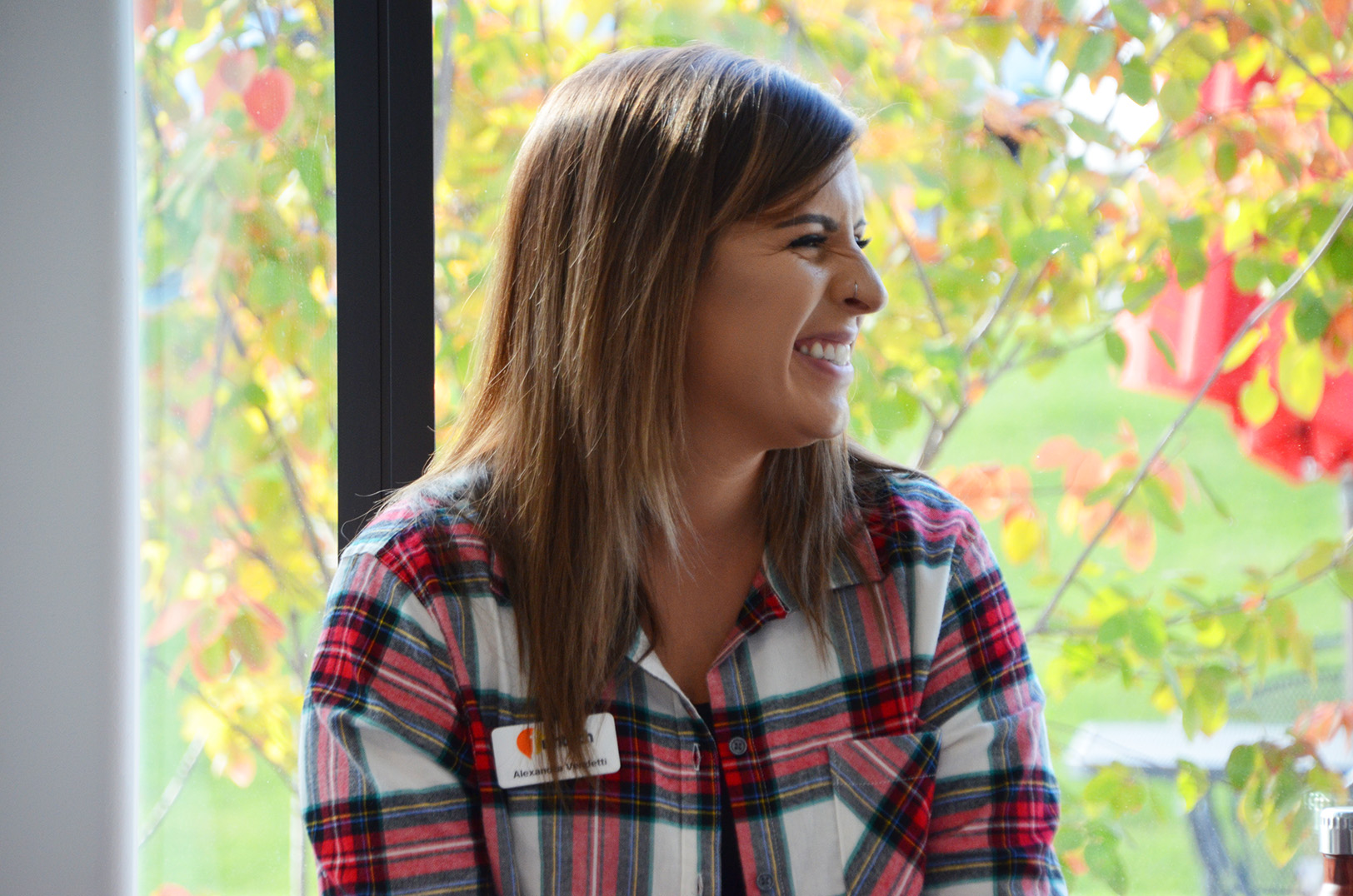
Alex Vendetti, Fishtech Group
“I was a hairstylist before this,” Vendetti, a project manager at Fishtech, told groups of students making their ways through the cybersecurity startup’s sprawling Martin City facilities Friday.
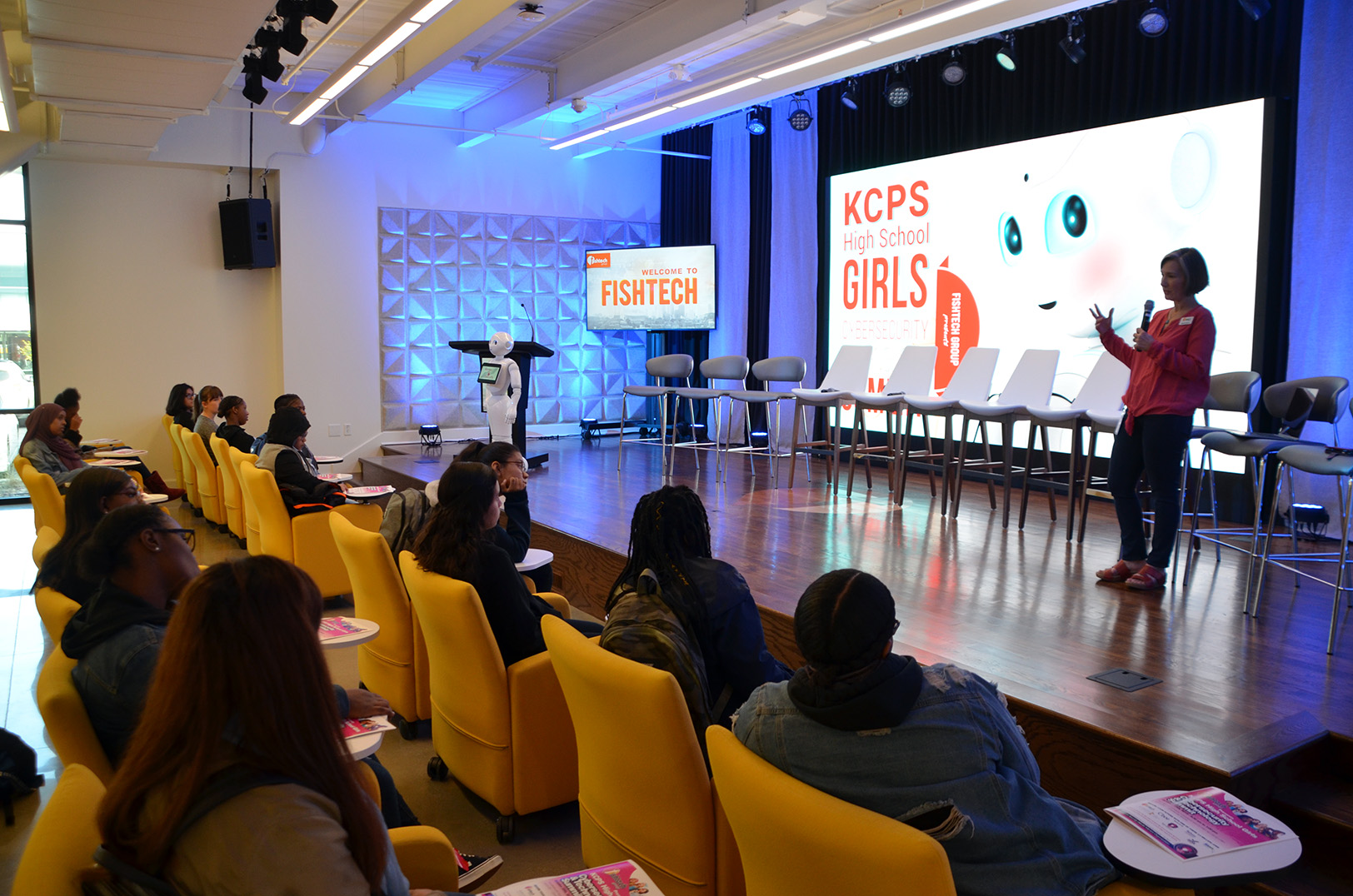
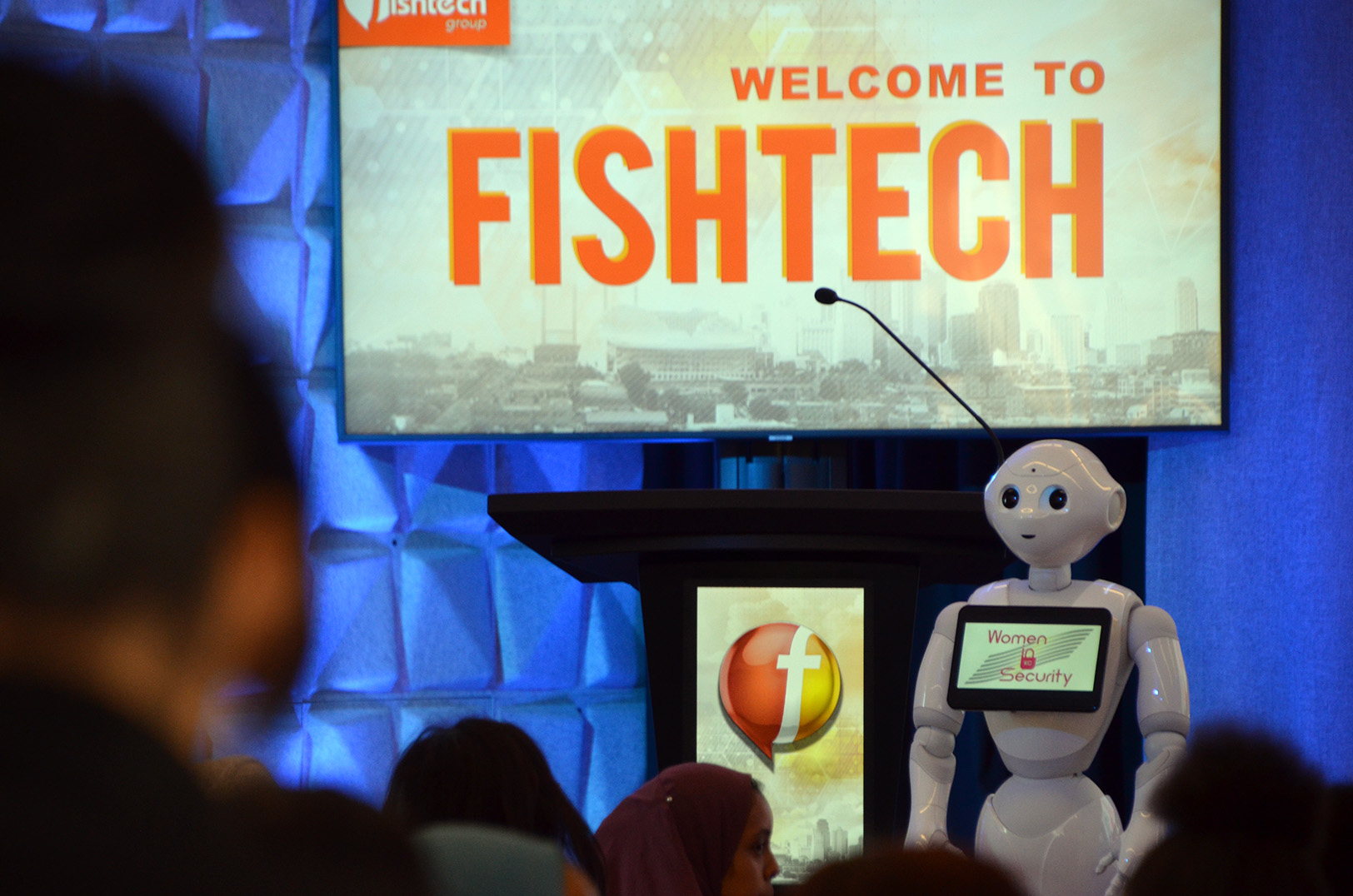
The tours were part of the Kansas City Public Schools High School Girls Cybersecurity and Technology Summit and a citywide Girls in Tech initiative.
“I was doing a haircut on a vice president’s husband and he thought I was pretty cool and he recommended me to her,” Vendetti recalled, using the story as an example of the ways opportunity can appear when and where you least expect it.
“One of the most important things you can do is build your network [now] and keep those connections because you never know when you might meet a CEO or a director of a department at a company who thinks you’re a great fit for a job they have,” she said.
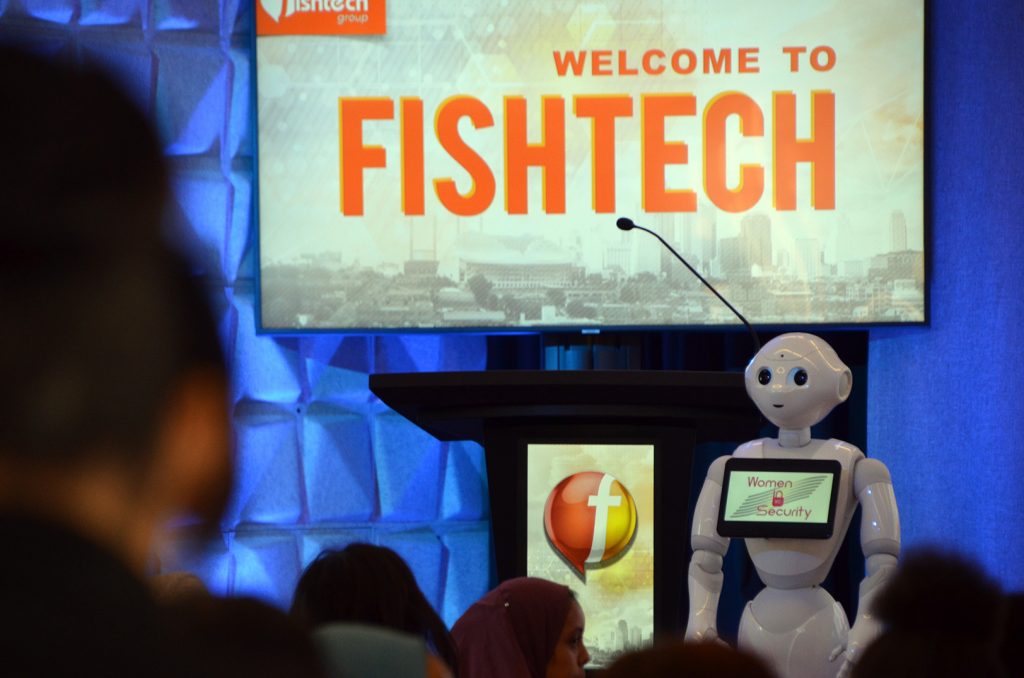
Fishtech Group
Anecdotes like Vendetti’s showcase a snapshot in time — an era of cybersecurity as a new frontier, said Kristy Meyers, an engineer who serves as Fishtech’s officer manager. As the industry advances and evolves, girls must rely more on education than simply being in the right place at the right time, she said.
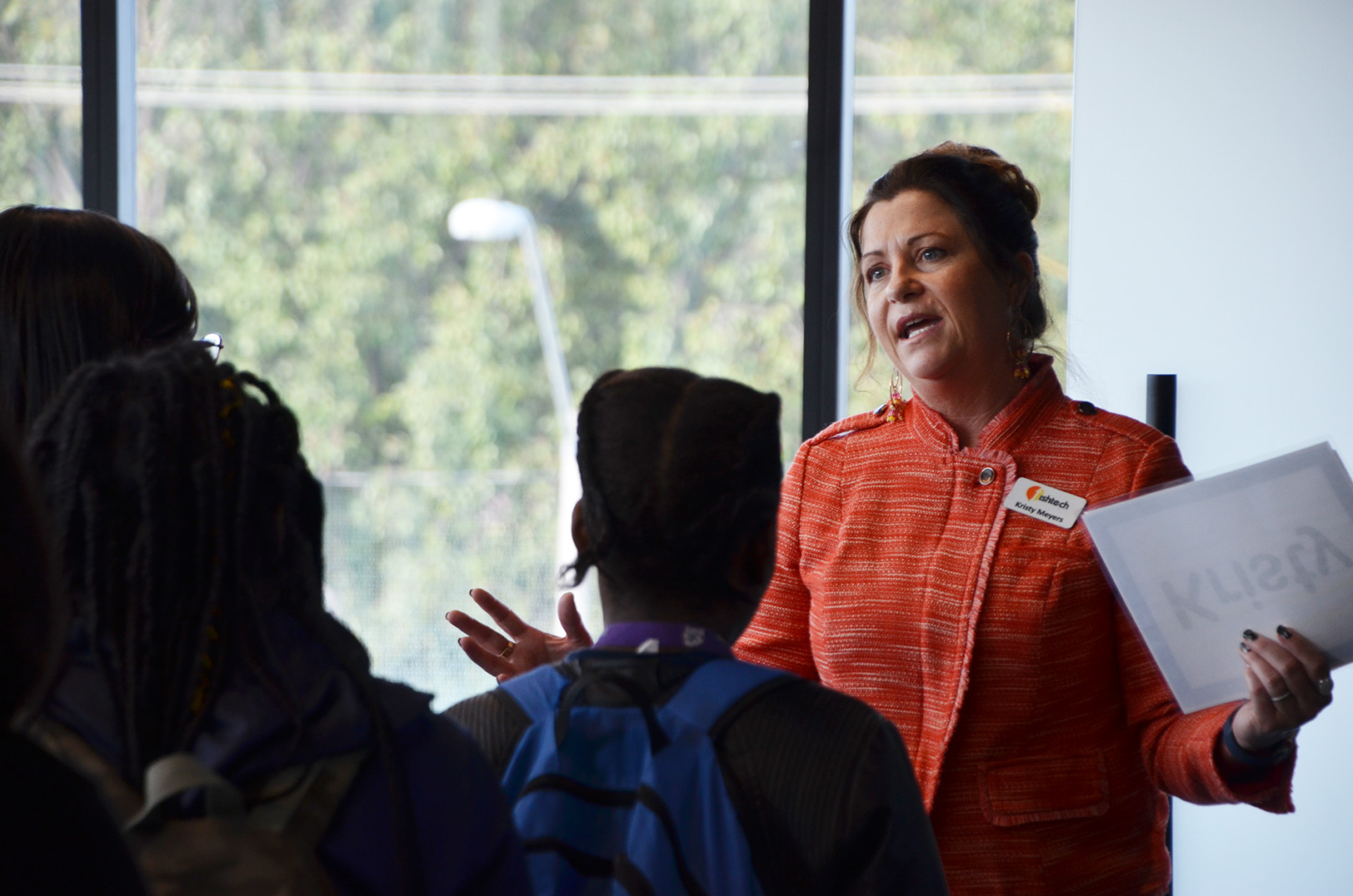
Kristy Meyers, Fishtech Group
It’s about preparing before the opportunity arrives, Meyers emphasized.
With an estimated 3.5 million high-paying jobs unfilled by 2021, opportunities in cyber fields have never been greater, the daylong Fishtech event’s programming stressed — citing research from Cybersecurity Ventures.
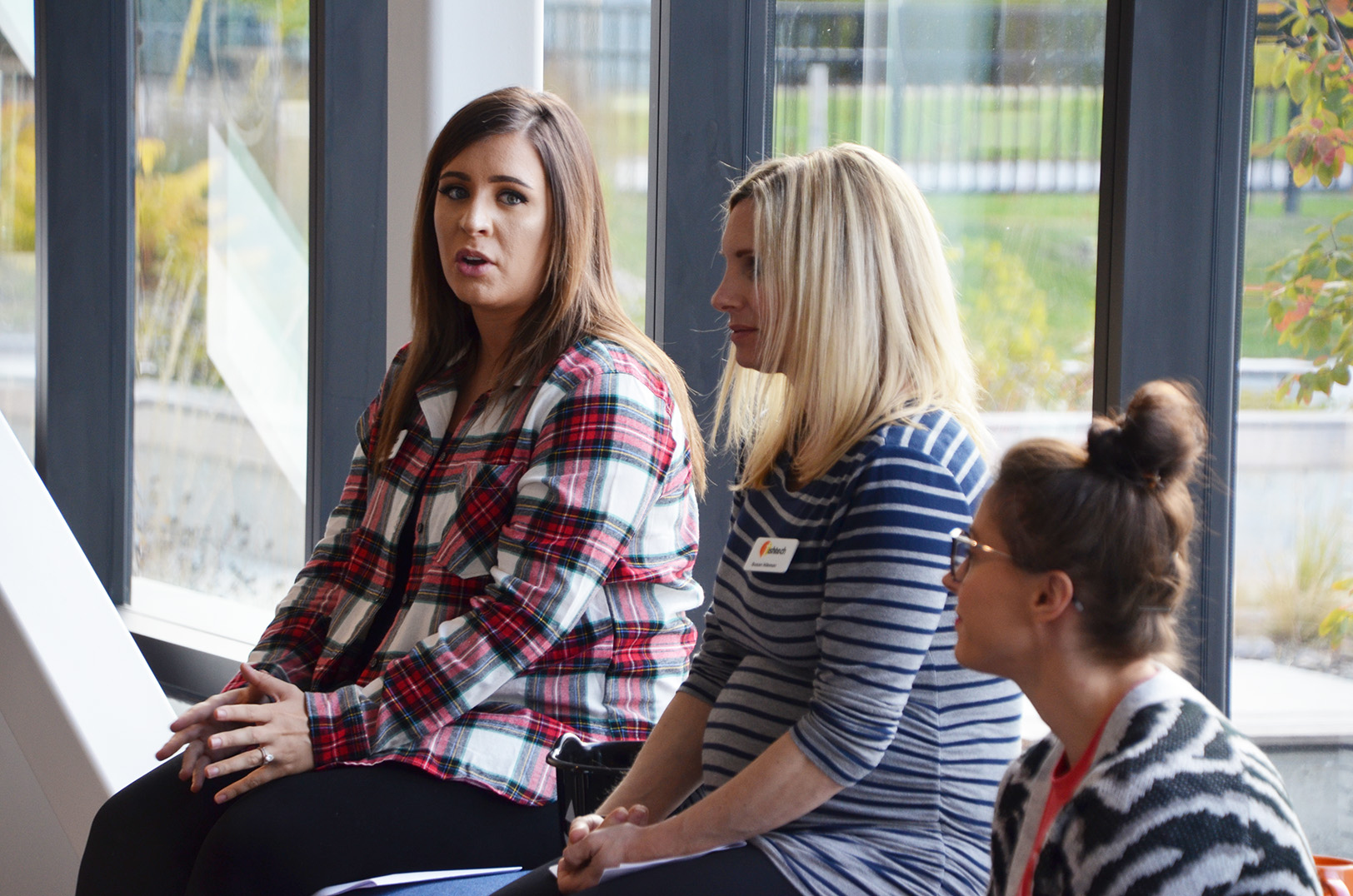
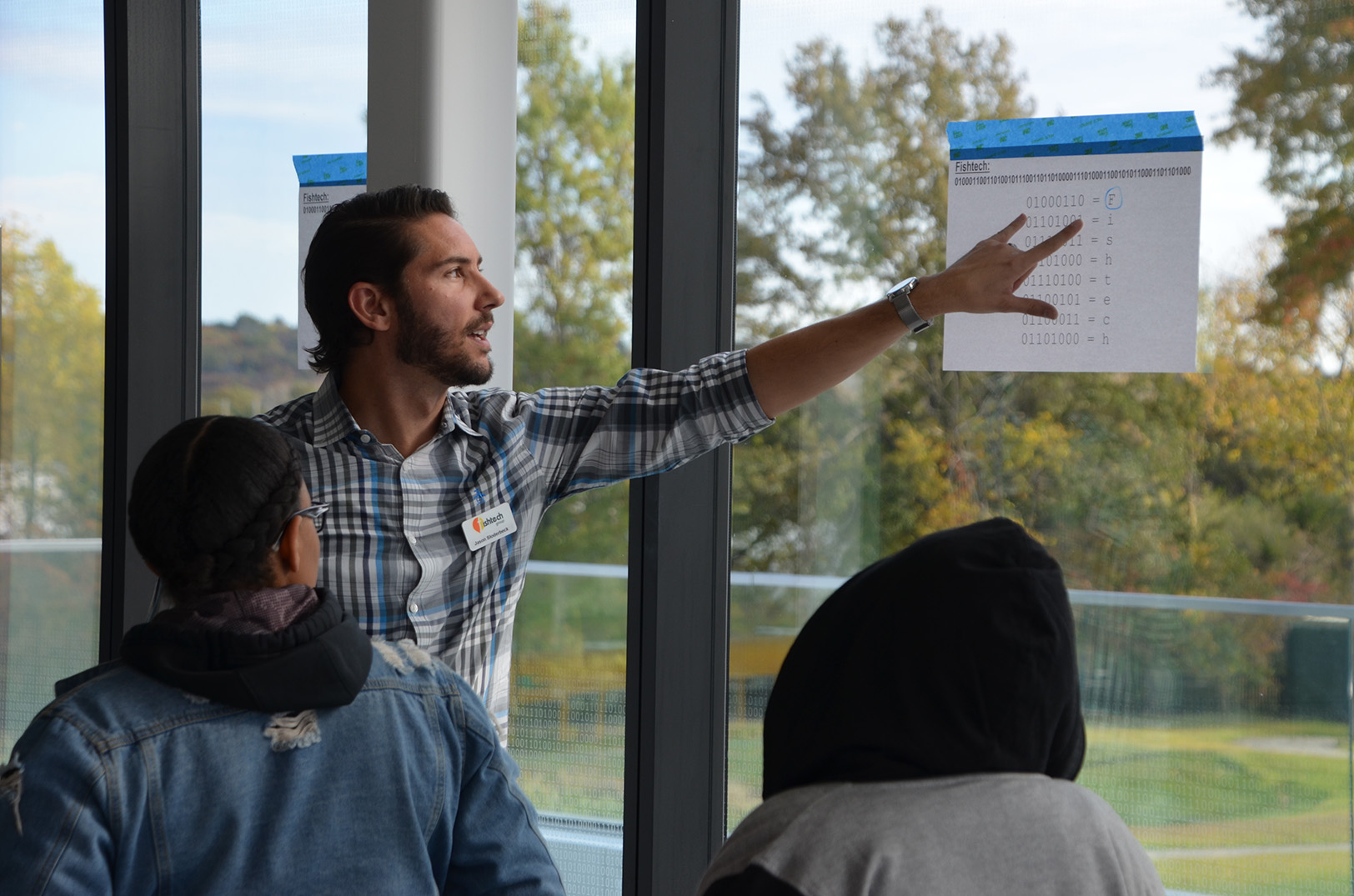
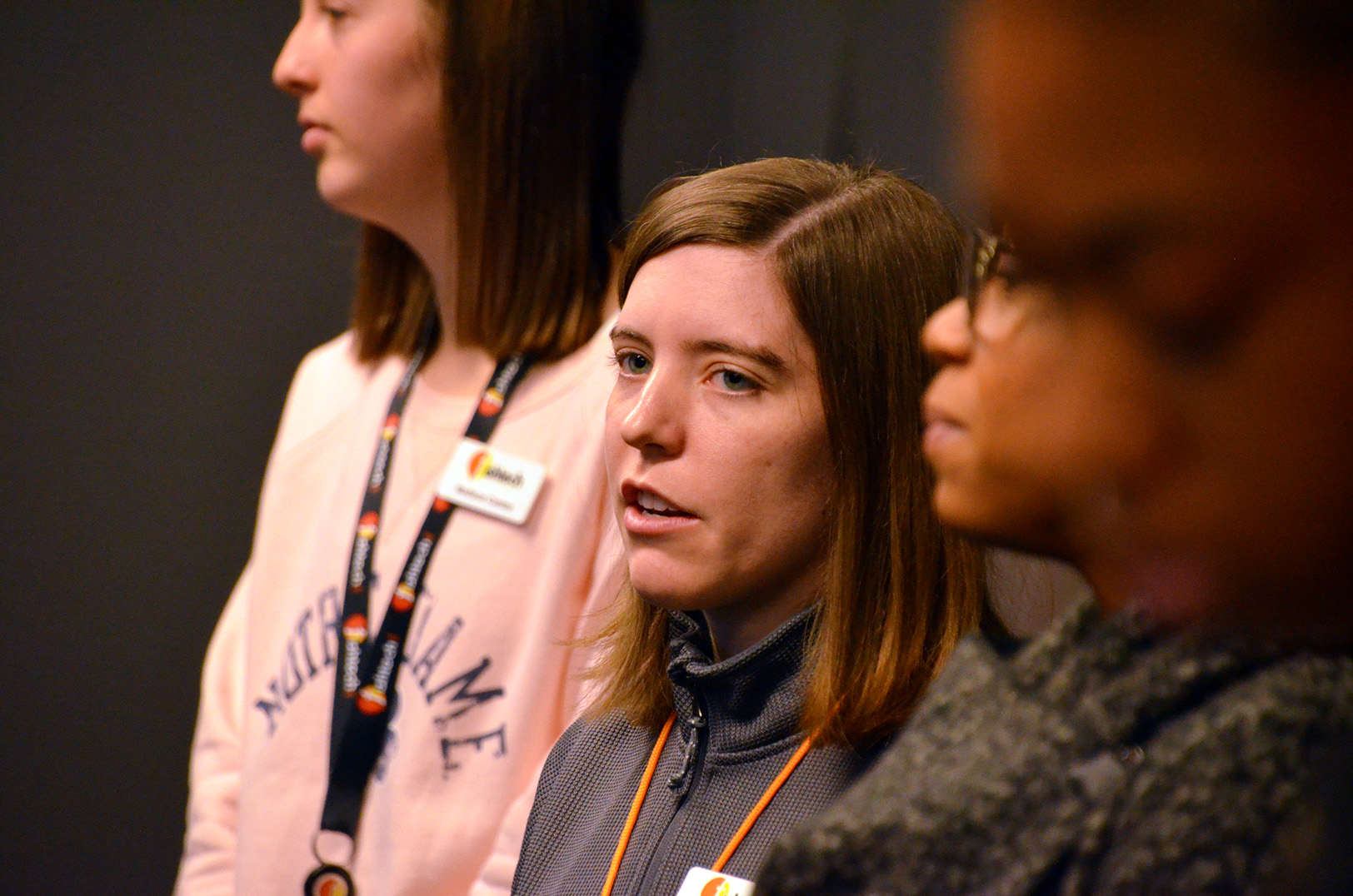
Room by room, the women of Fishtech Group — a startup with a nearly 40 percent female team — shared stories of their roads to the industry with students, answering questions and encouraging them to look at how the world around them is rebooting and urging them to secure their future.
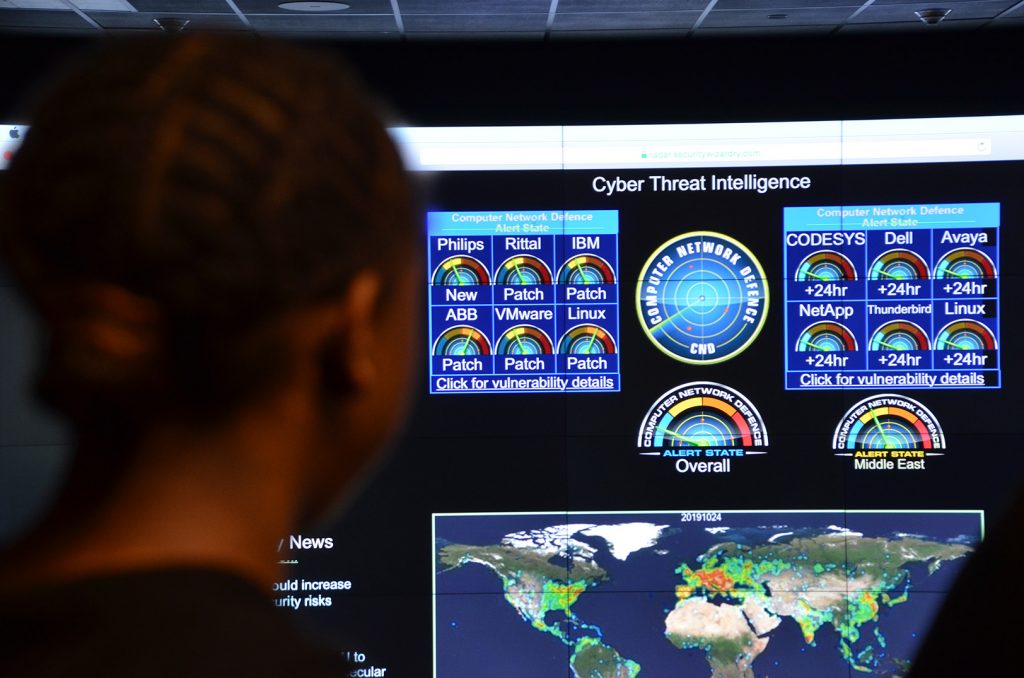
“You want to graduate high school and you want to work on a route that will get you into this industry,” Meyers told girls in her group before taking them into the facility’s cyber security operations center (CSOC).
“We’re giving you tools now to make that happen,” she added.
Click here to learn more about the Fishtech Cyber Defense Center.
Fishtech Group
Fishtech Group
While cyber, coding and tech offer great avenues for career growth, anyone can benefit from the cyber boom — not just mathematicians or those with a STEM focus, Vendetti noted.
“It’s a lot going from hairdressing to IT, but as long as you put in the work and the time and effort [anything is possible,]” she said in response to questions from students curious about her career path.
“You kind of walk in and go, ‘Oh, my God, what do all these acronyms mean? Do I need to learn how to code?’ but it all kind of depends on what direction you want to go,” she said. “Do you want to do coding? Do you want to be a project manager? Do you want to be on the accounting side of things or do marketing? But like I said, it just takes time and effort to learn.”
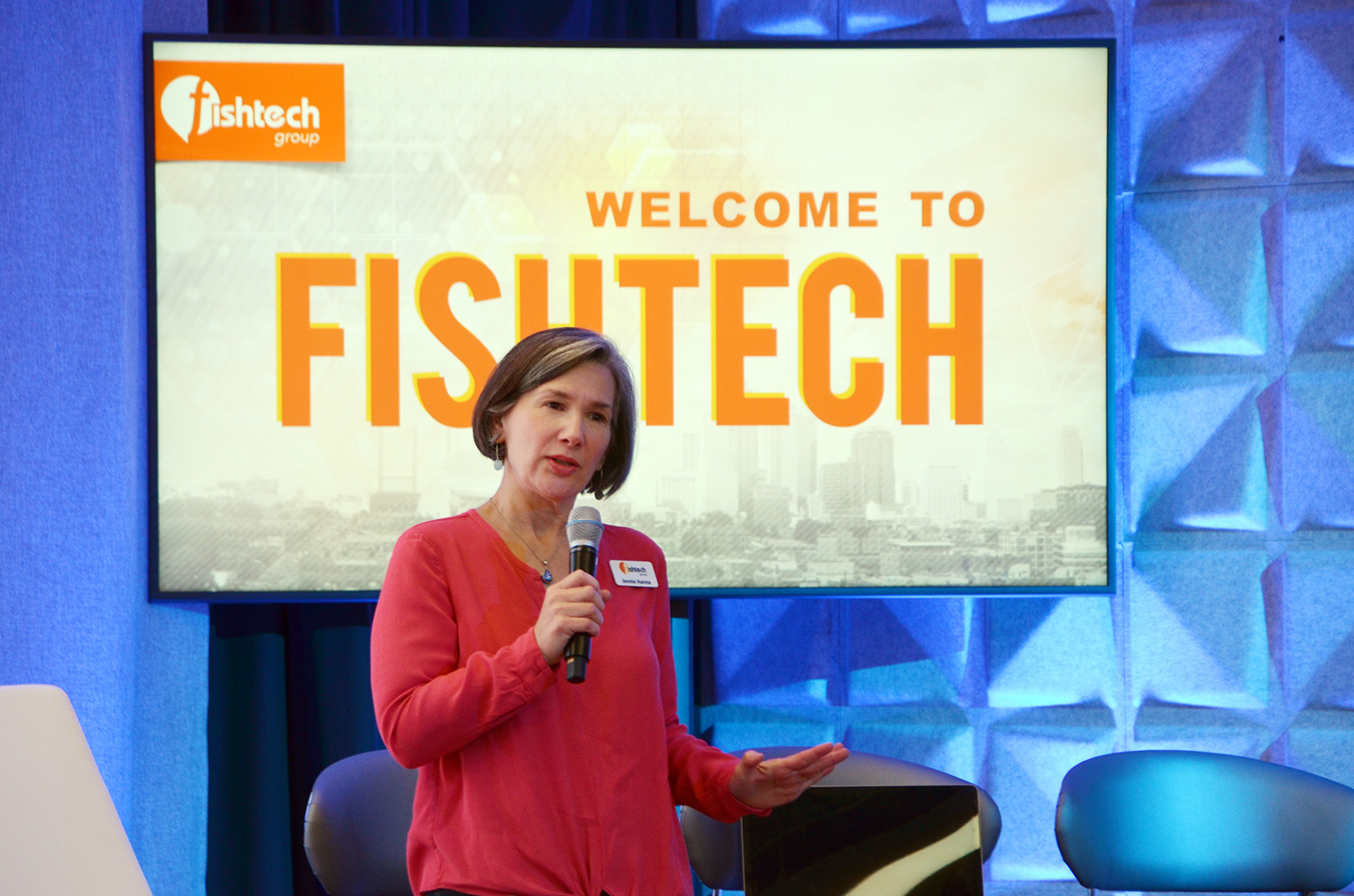
And no one is smarter than women, Martha McCabe, executive director of the Kansas City STEM alliance, told students as part of a keynote address.
Jennie Hanna, Fishtech Group
“There’s research that’s been done that says the more women you have in a room, the higher the average IQ goes,” McCabe said to cheers and applause. “So what that says to everybody around the world is that you got to make sure you’ve got a lot of women in the room.”
If Kansas City wants to reach its full potential, it needs girls to take the lead, McCabe added.
“We need more girls like you participating in all the technology fields. We need more girls solving real world problems,” she said, detailing ways students could take action by getting involved in local STEM programs and taking advantage of resources that have been designed just for them.
Click here to learn more about the KC STEM Alliance.
This story is possible thanks to support from the Ewing Marion Kauffman Foundation, a private, nonpartisan foundation that works together with communities in education and entrepreneurship to create uncommon solutions and empower people to shape their futures and be successful.
For more information, visit www.kauffman.org and connect at www.twitter.com/kauffmanfdn and www.facebook.com/kauffmanfdn



Featured Business

2019 Startups to Watch
stats here
Related Posts on Startland News
Woof’s dog spa wagging into new markets with startup mindset, owner says
It’s a classic startup tail: Disillusionment with corporate life sends a would-be founder fetching for fresh ideas and more innovative inspiration. Woof’s Play & Stay provided Andy Wiltz the opportunity to scratch that itch, the dog spa owner said. Purchasing the plateauing brand in 2015, Wiltz turned his original Merriam location into a model for…
Destiny Wealth moving HQ to KC; former football player owes debt of inspiration to mother
Grit and the gridiron might have helped shape Parker Graham’s business acumen, but it’s the influence of his coach in the game of life who inspired Destiny Wealth — his fintech startup that soon will move to Kansas City. “My Mom stretched herself so thin and sometimes it was hard to put food on the…

LaunchKC pivoting from annual grants contest to supporting industry verticals, accelerators
LaunchKC is expected to focus on specific business verticals in 2019 — an effort to bring companies to Kansas City that can fill industry gaps, said Jim Malle. A revamped version of the annual grants competition eventually would grow those verticals into individual accelerator programs, said Malle, business development officer at the Economic Development Corporation…
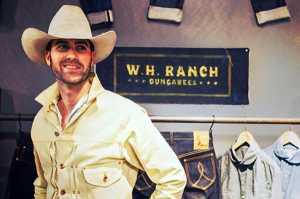
Cowboy couture: WH Ranch lassos dream of making the ‘best blue jeans in the world’
Ryan Martin sold his best cowboy boots to buy high-quality denim for his western couture brand, said the founder of Kansas-based W.H. Ranch Dungarees. “I was always describing [my product as] ‘custom made’ but ‘couture’ really describes it best,” said Martin, detailing the laborious process that limits production to an average of four pairs of…