

Cannabis founder’s advice: Weed out the bad seeds; run green startups like real businesses
October 29, 2019 | Tommy Felts

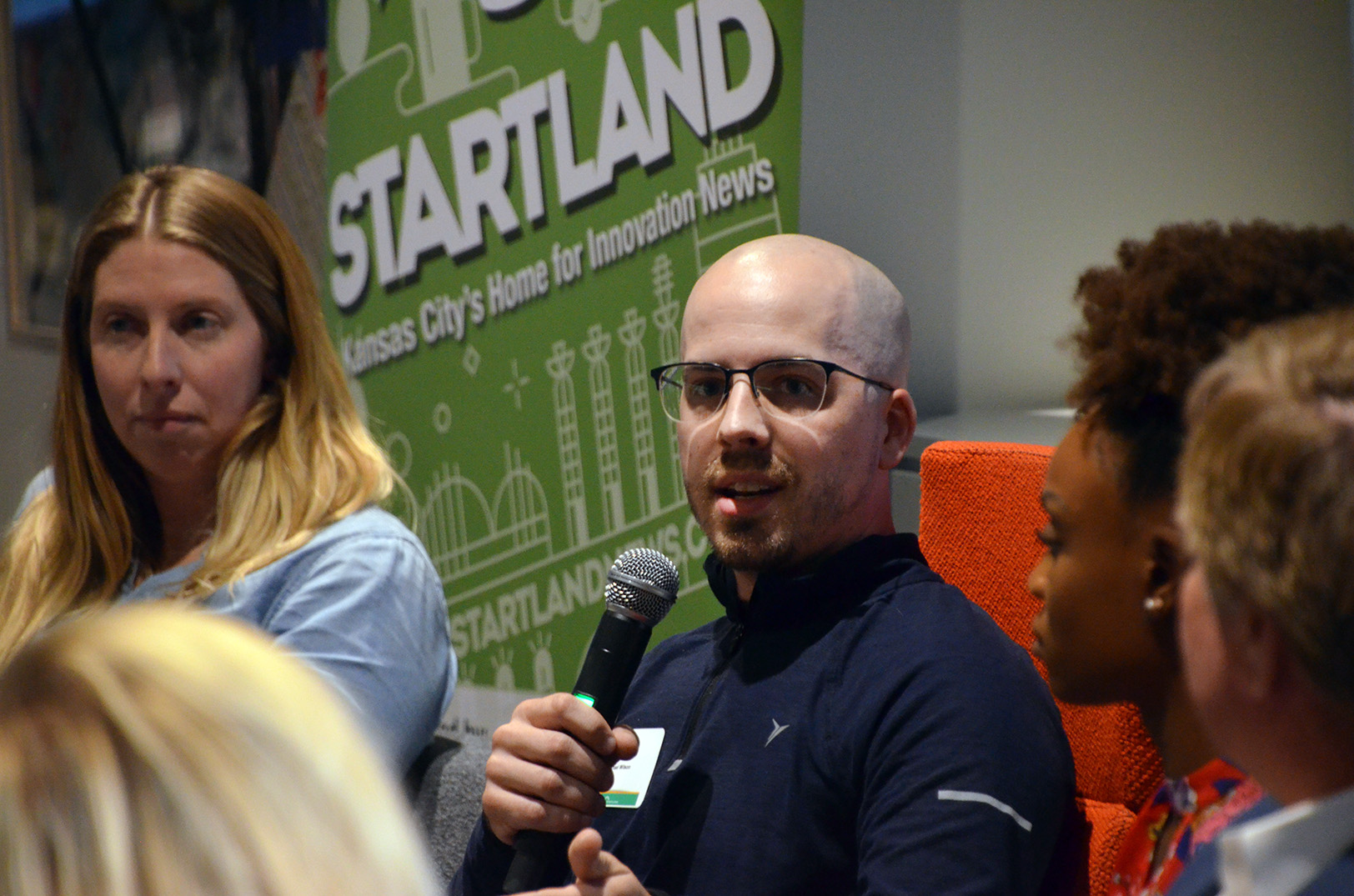
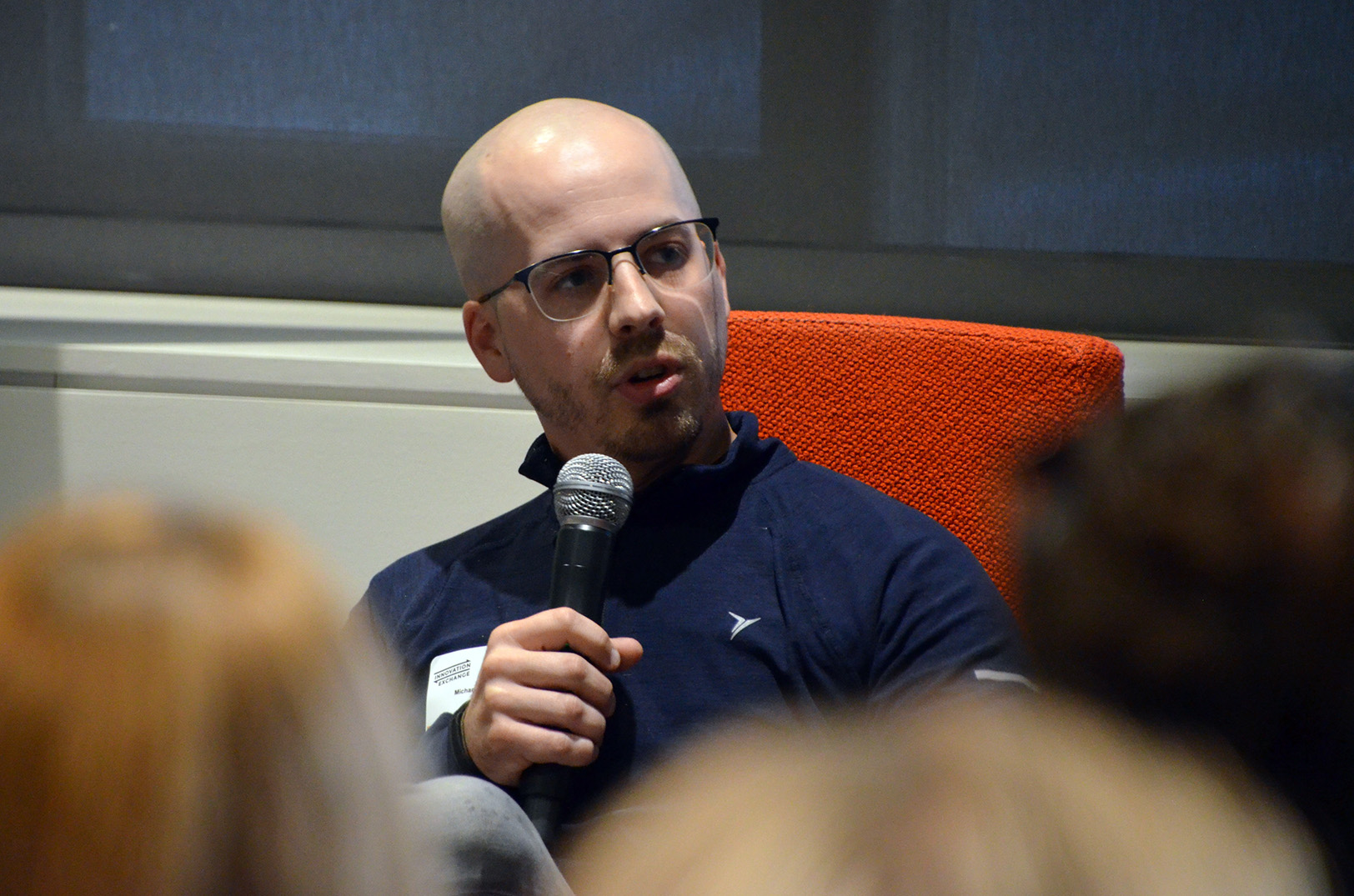
Cannabis might seem like it presents a Wild West frontier for entrepreneurs looking to strike green, said Michael Wilson, but would-be founders must cultivate a plan grounded in common sense — and the law.
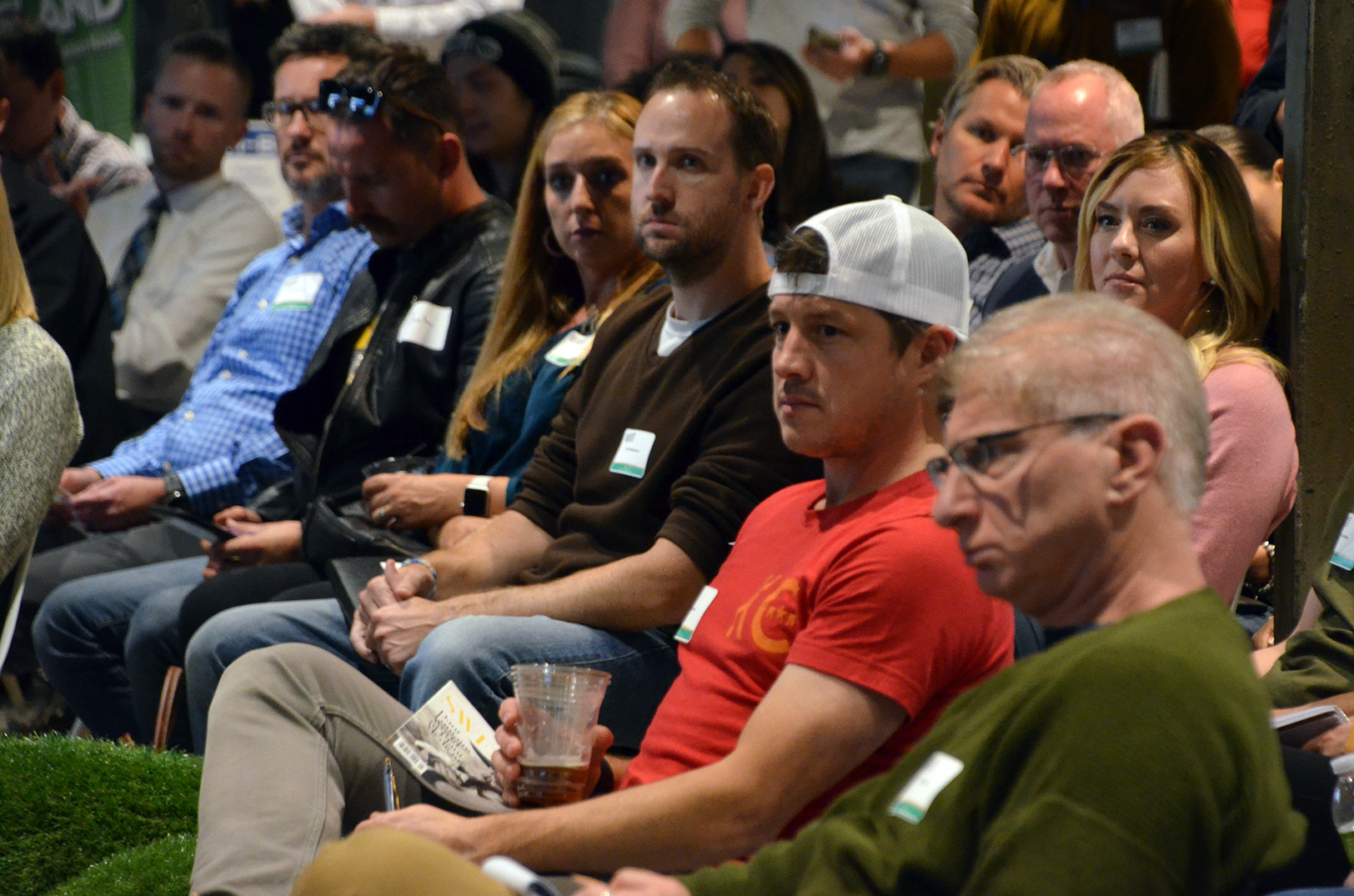
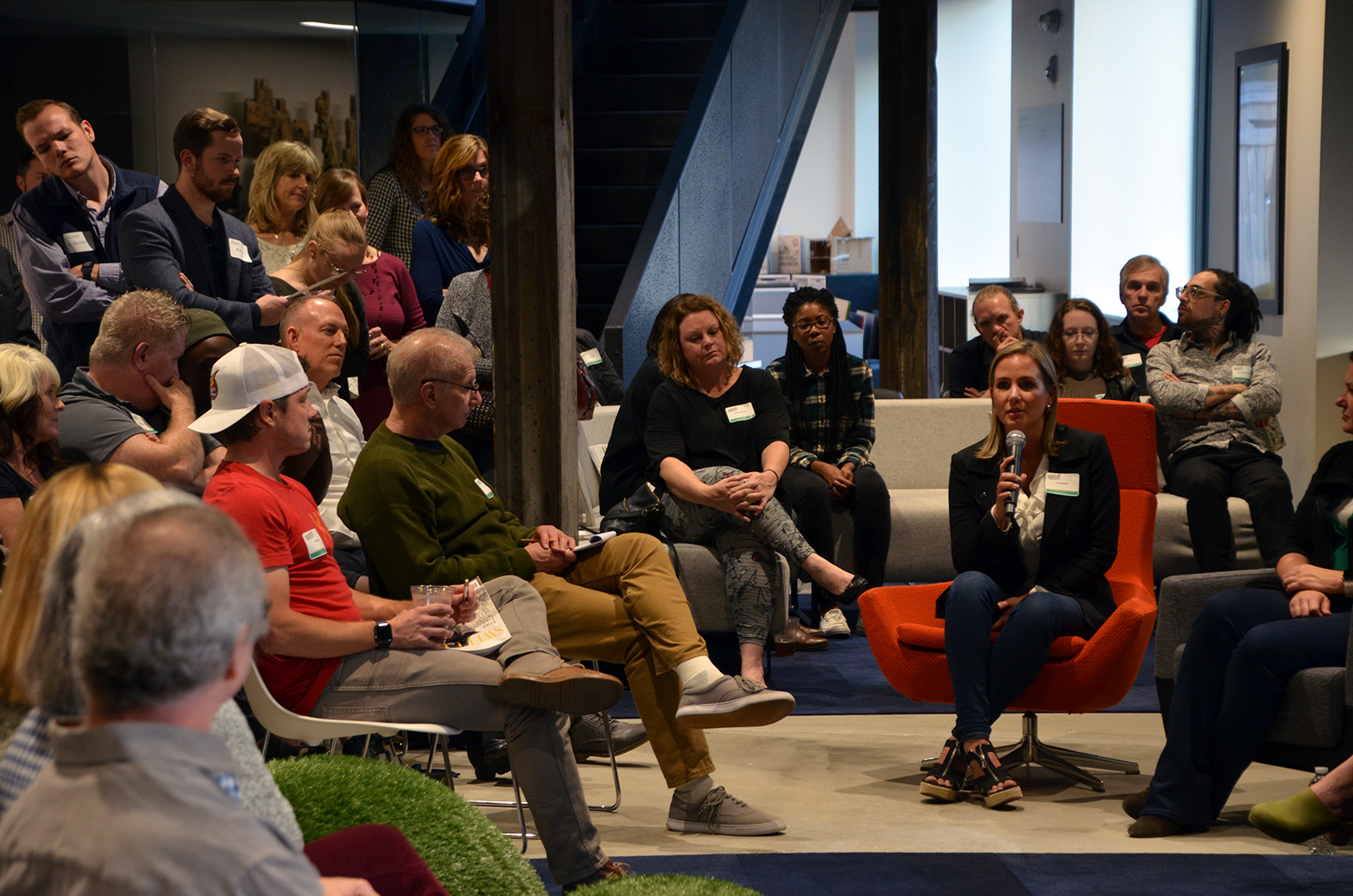
October Innovation Exchange, Gould Evans
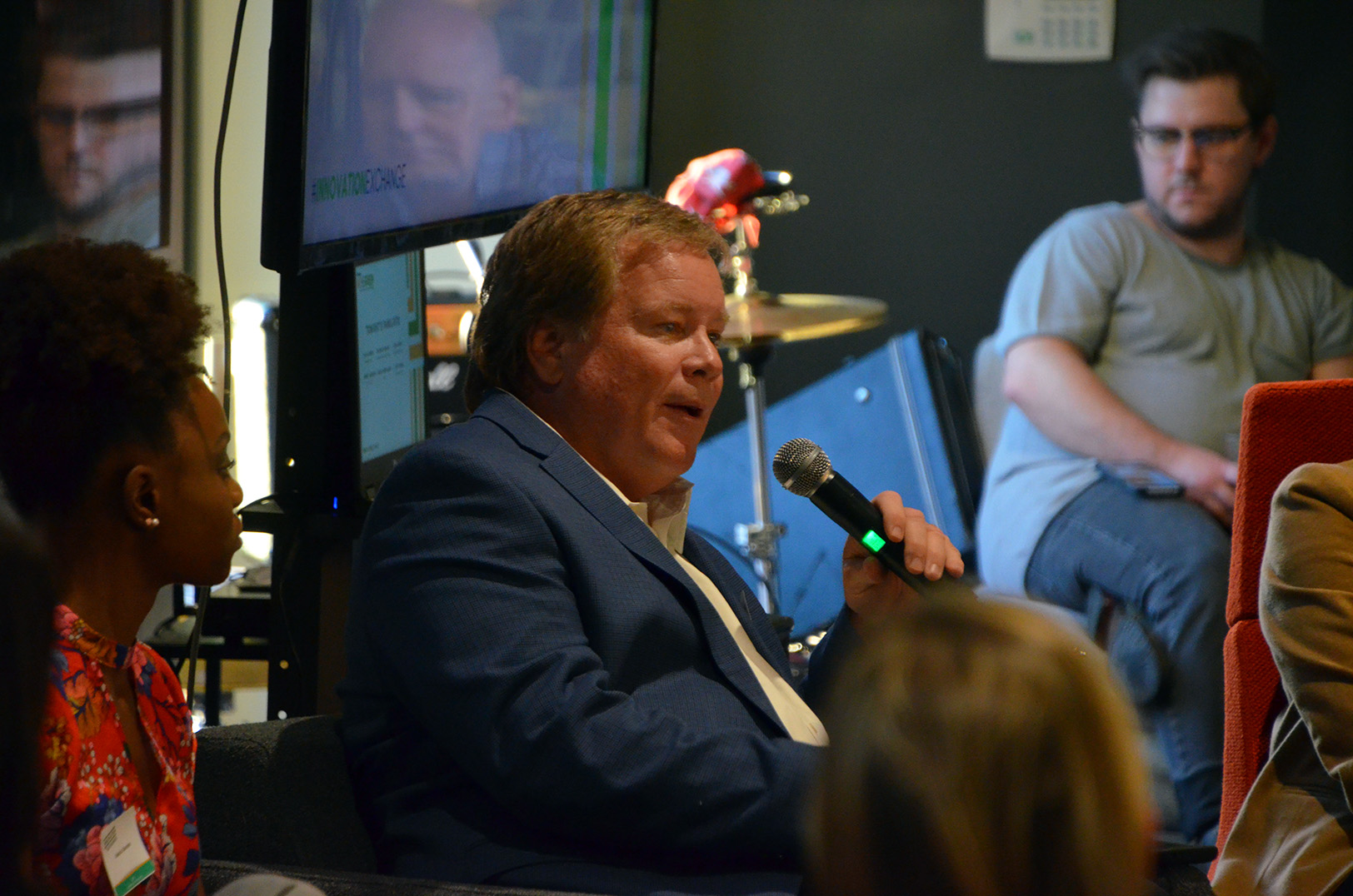
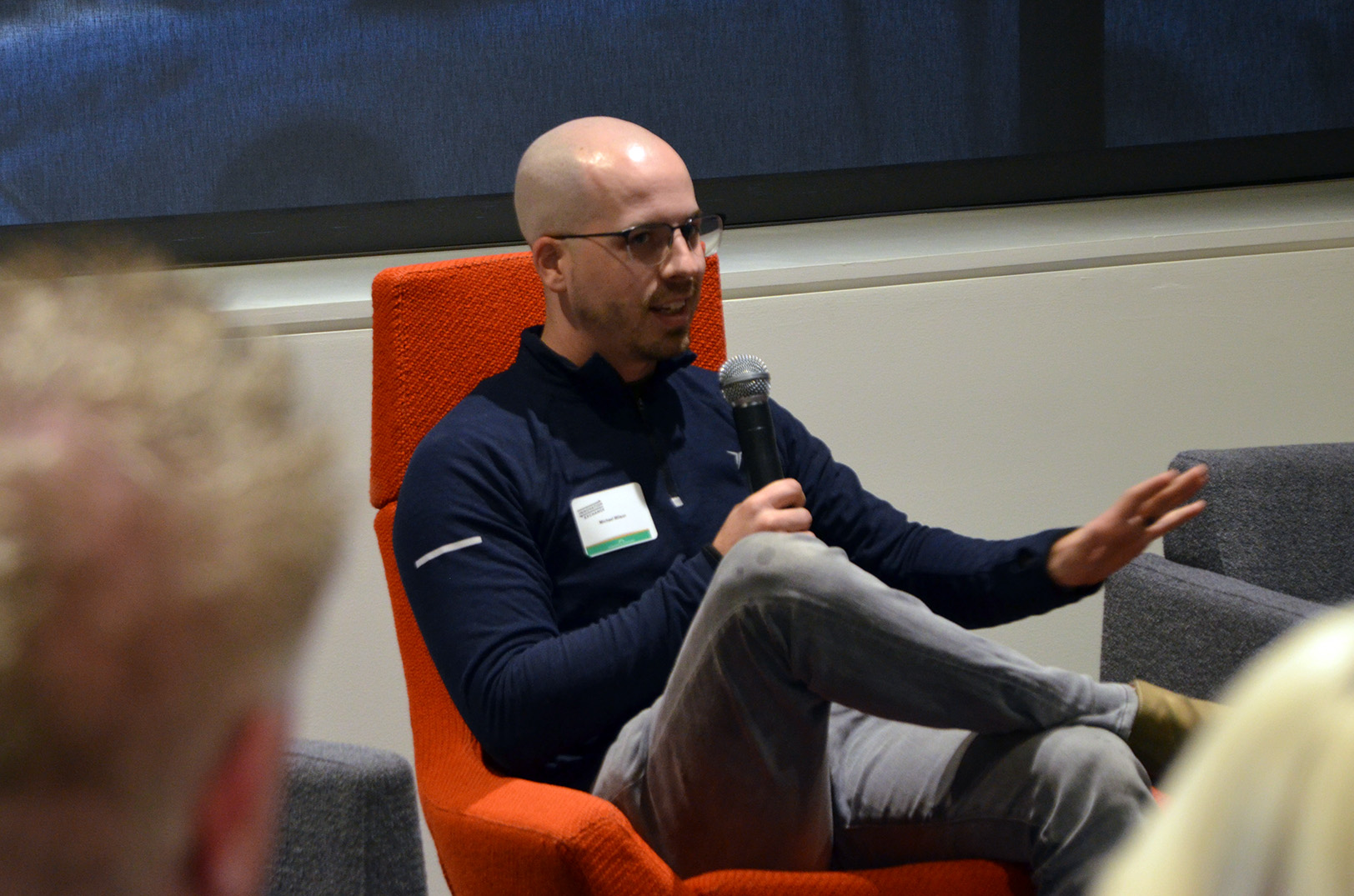
“In the industrial hemp or marijuana space, if you want to build a successful business, run it like a real damn business,” said Wilson, co-founder and director of research and development at United American Hemp in Olathe. “In [the cannabis] industry, we’ve seen so many people come in from the illegal drug trade or weed culture who just crap all over everybody.”
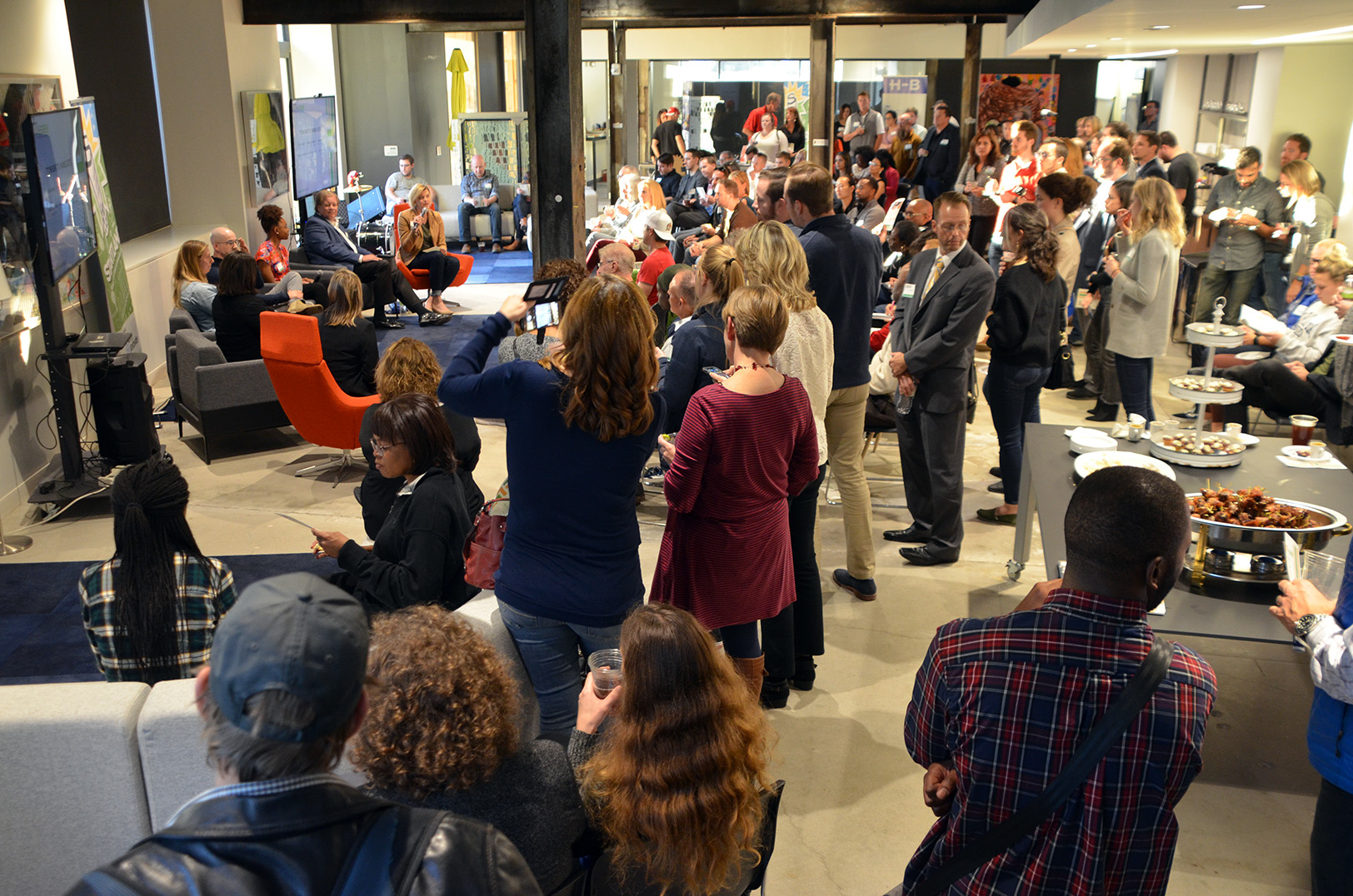
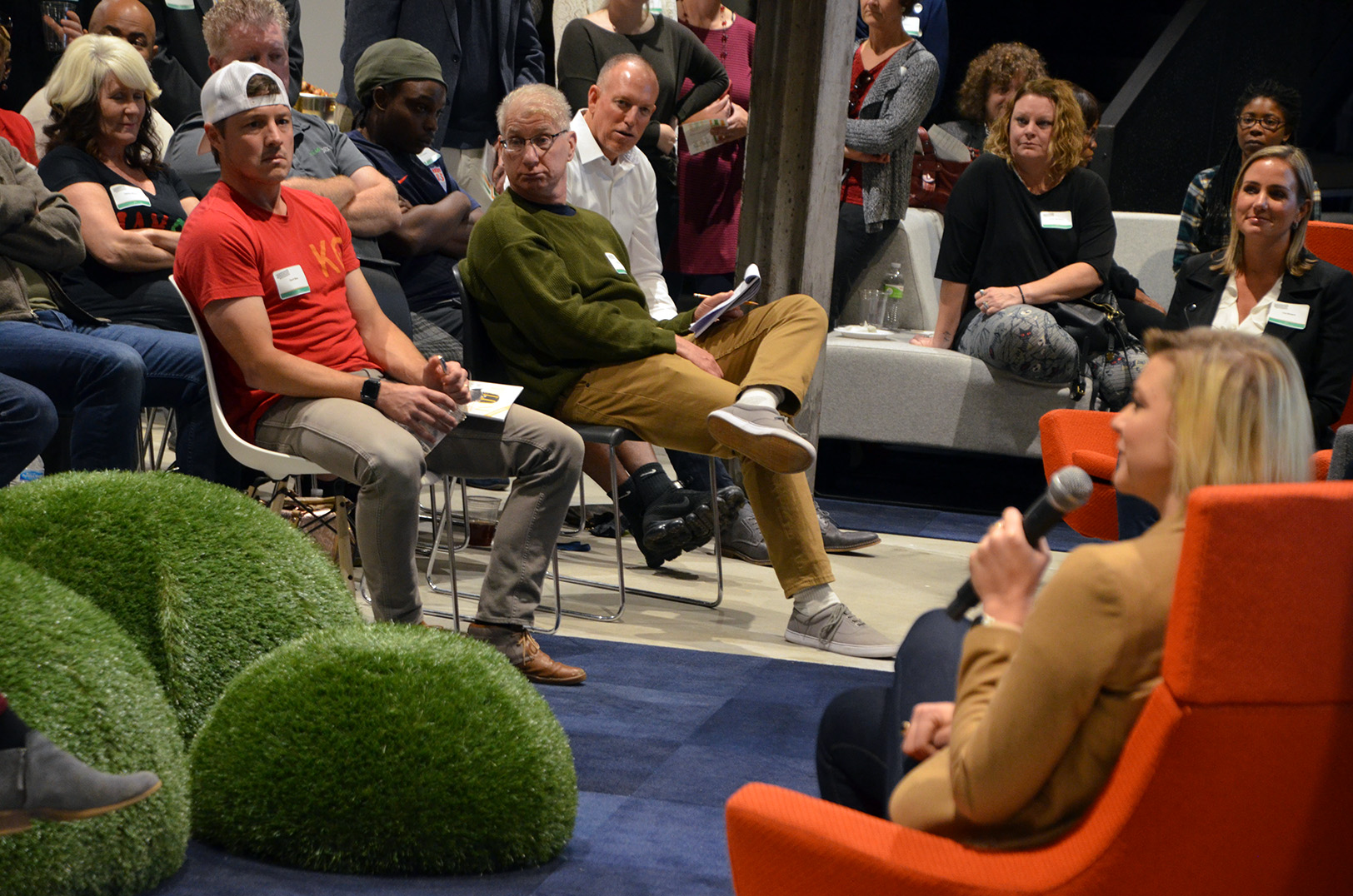
“Those people will eventually get weeded out,” he told a crowd gathered at Gould Evans for Startland News’ October Innovation Exchange. “And people like those in this room will be the ones to step in as real entrepreneurs and businesspeople to start to build real companies.”
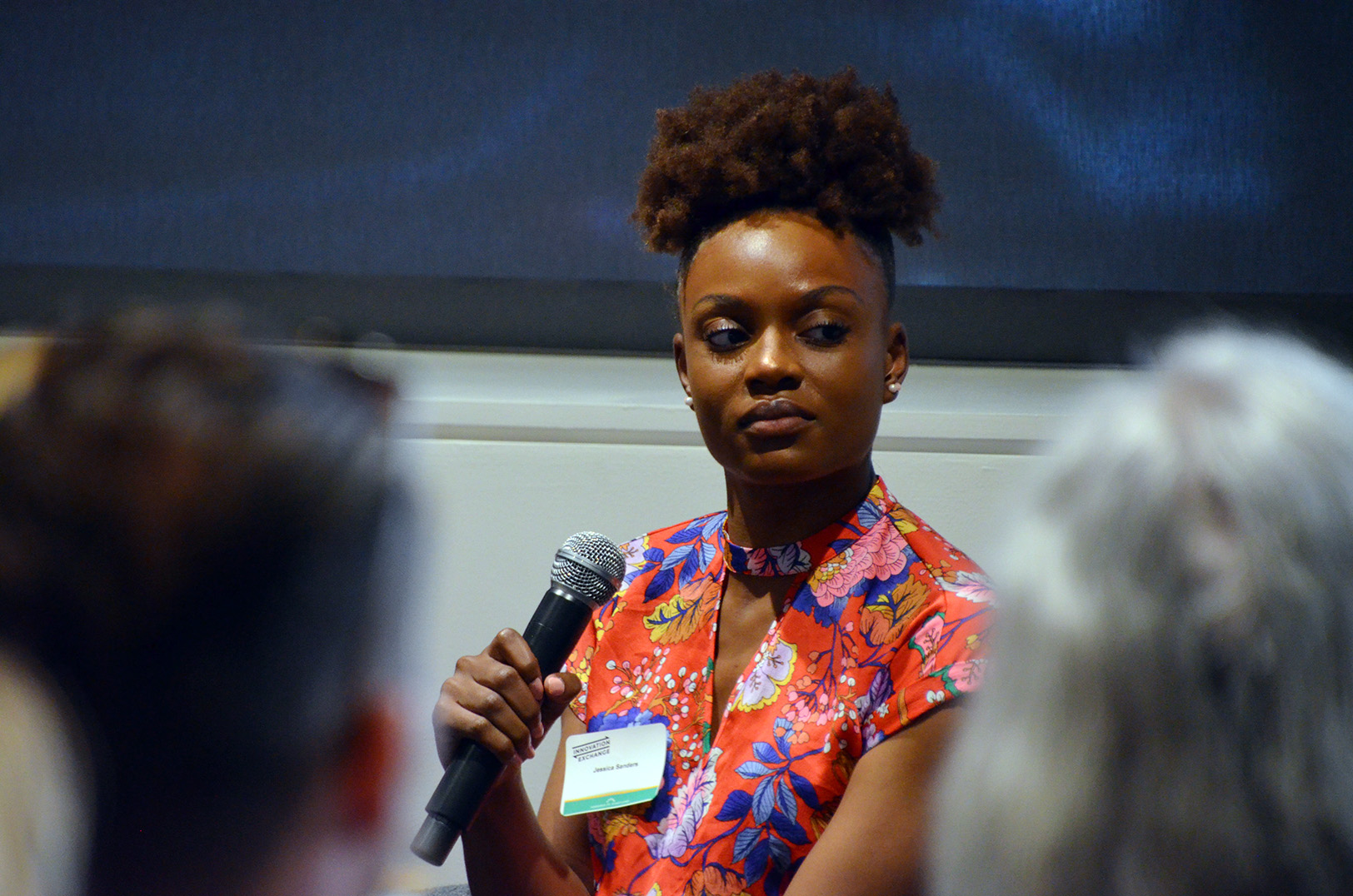
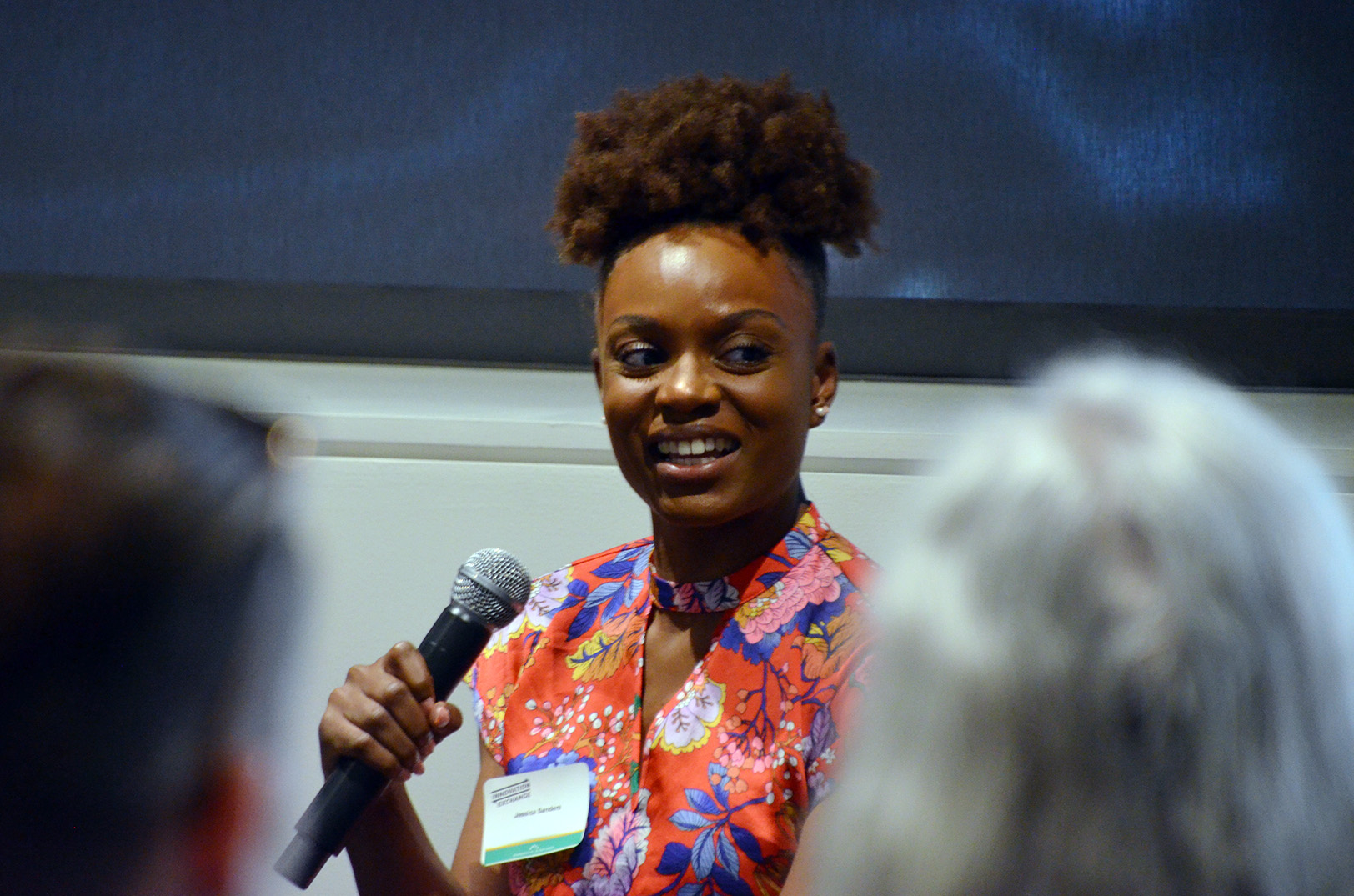
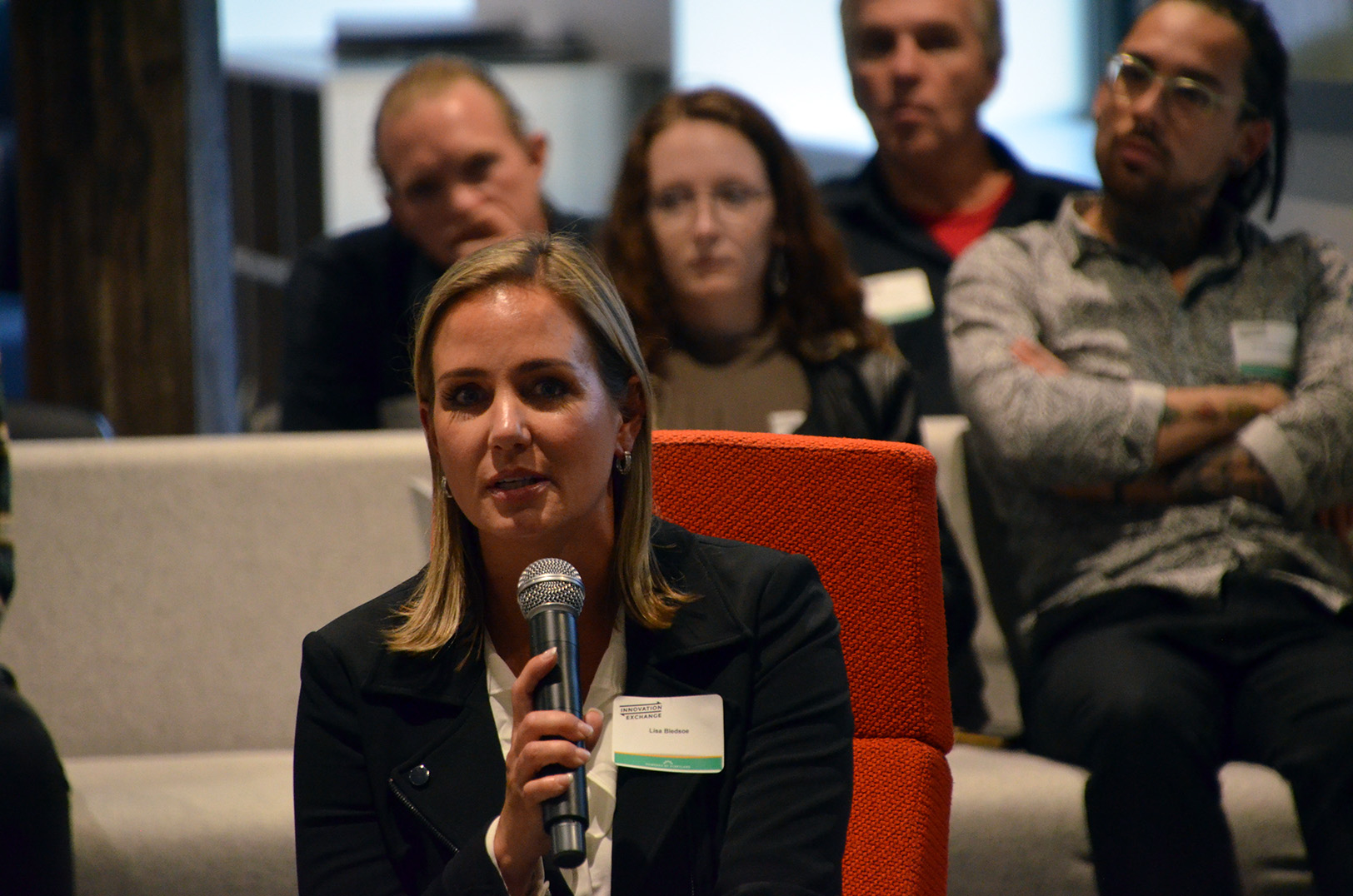
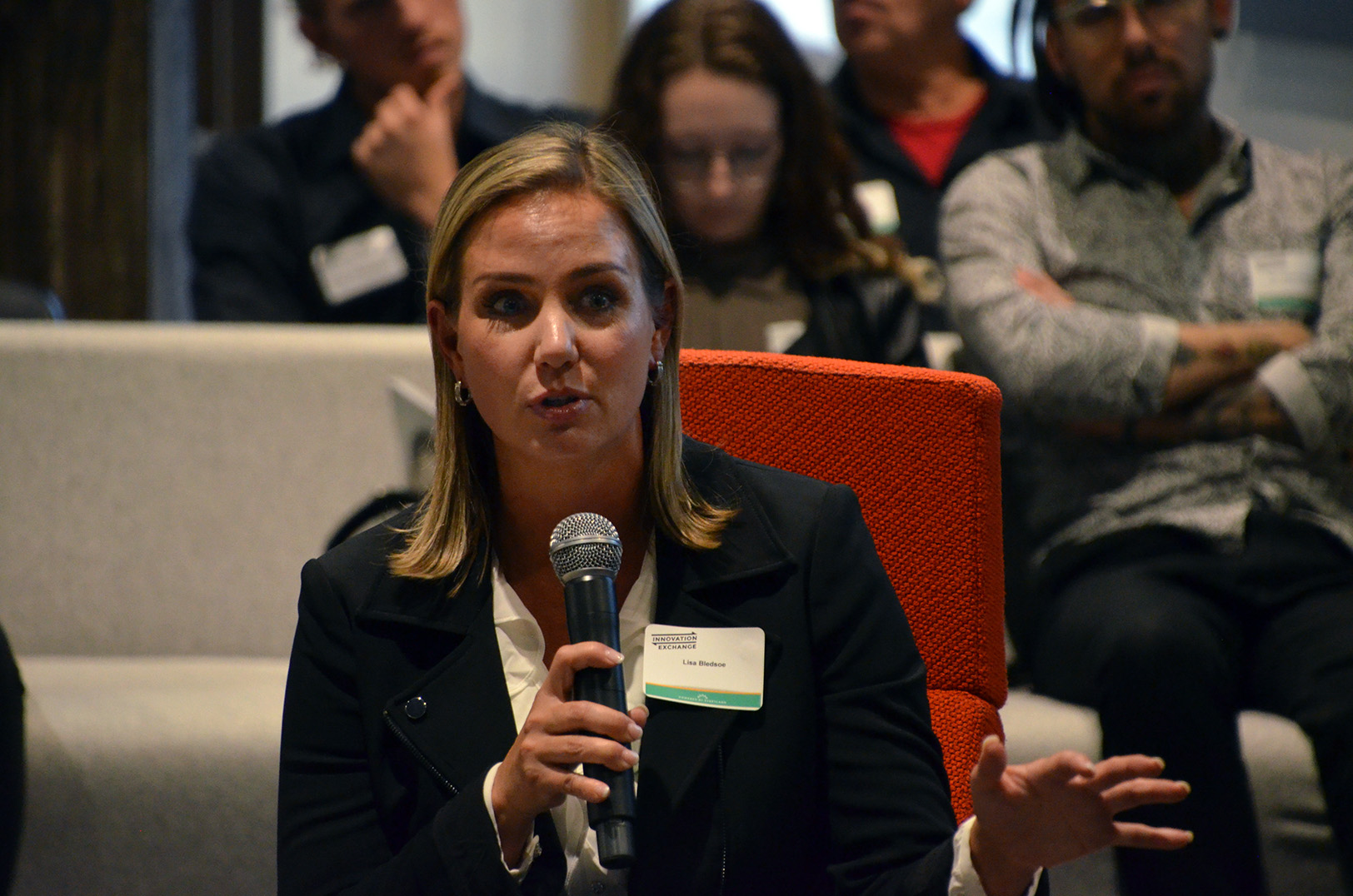
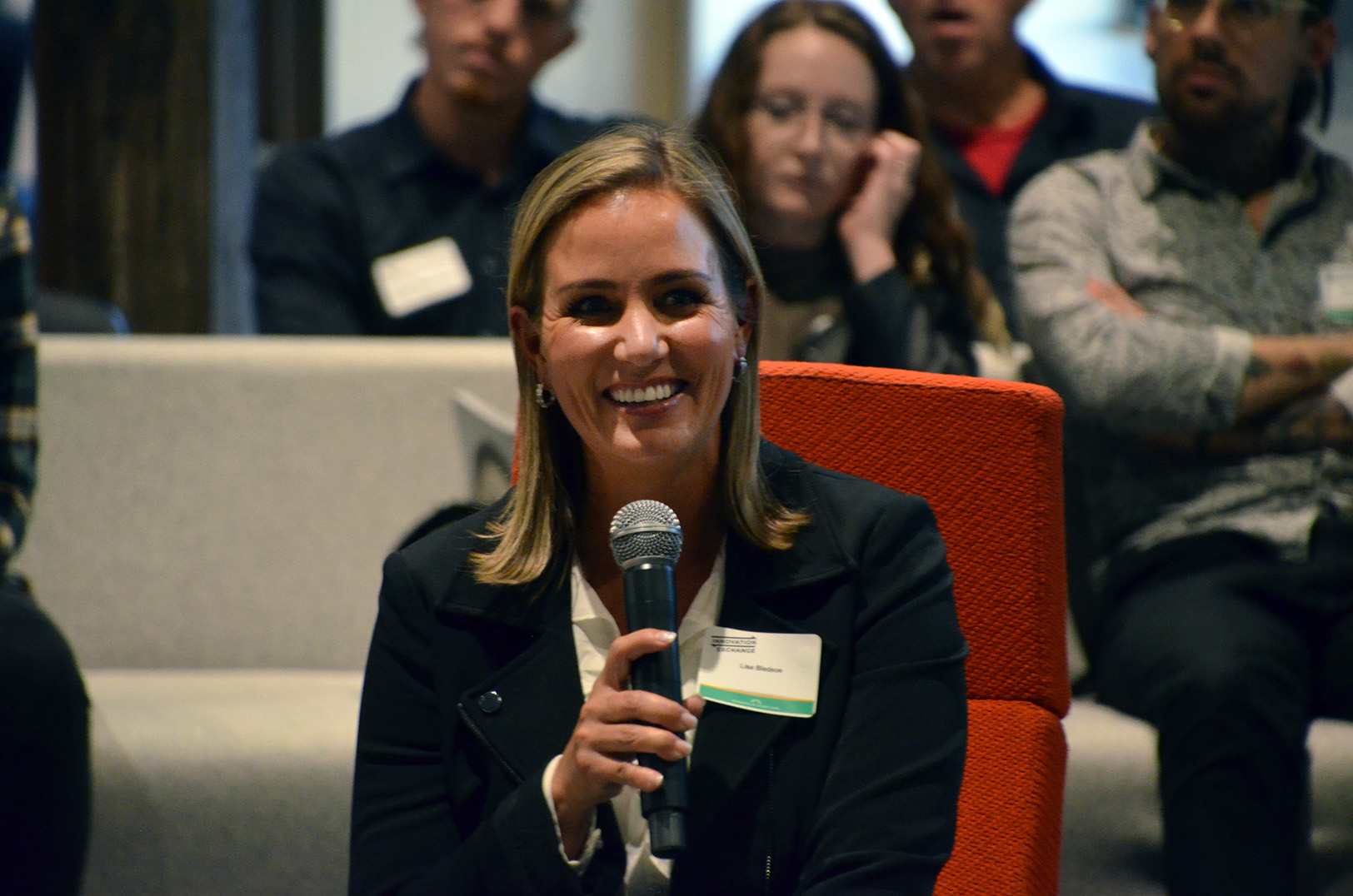
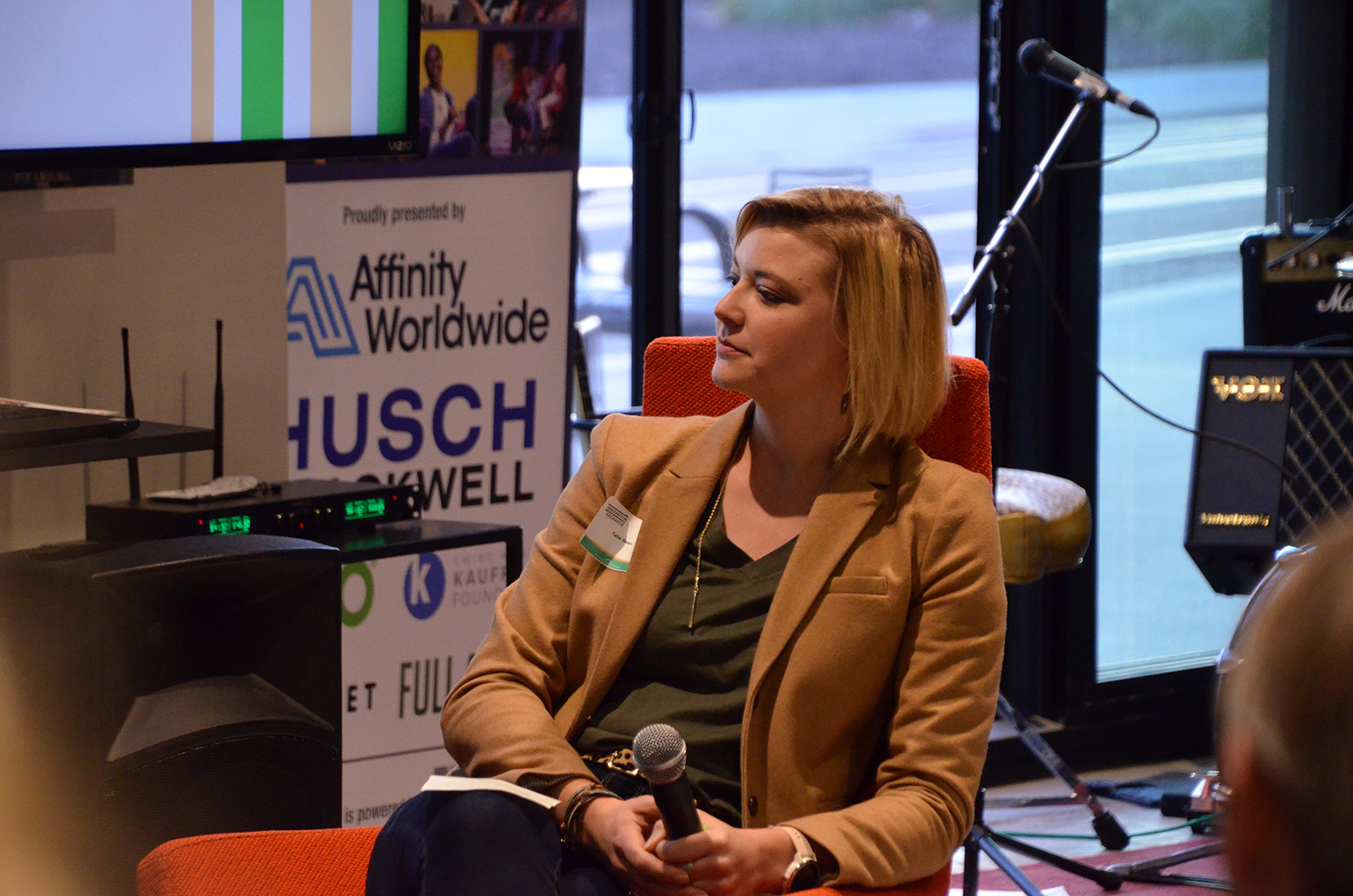
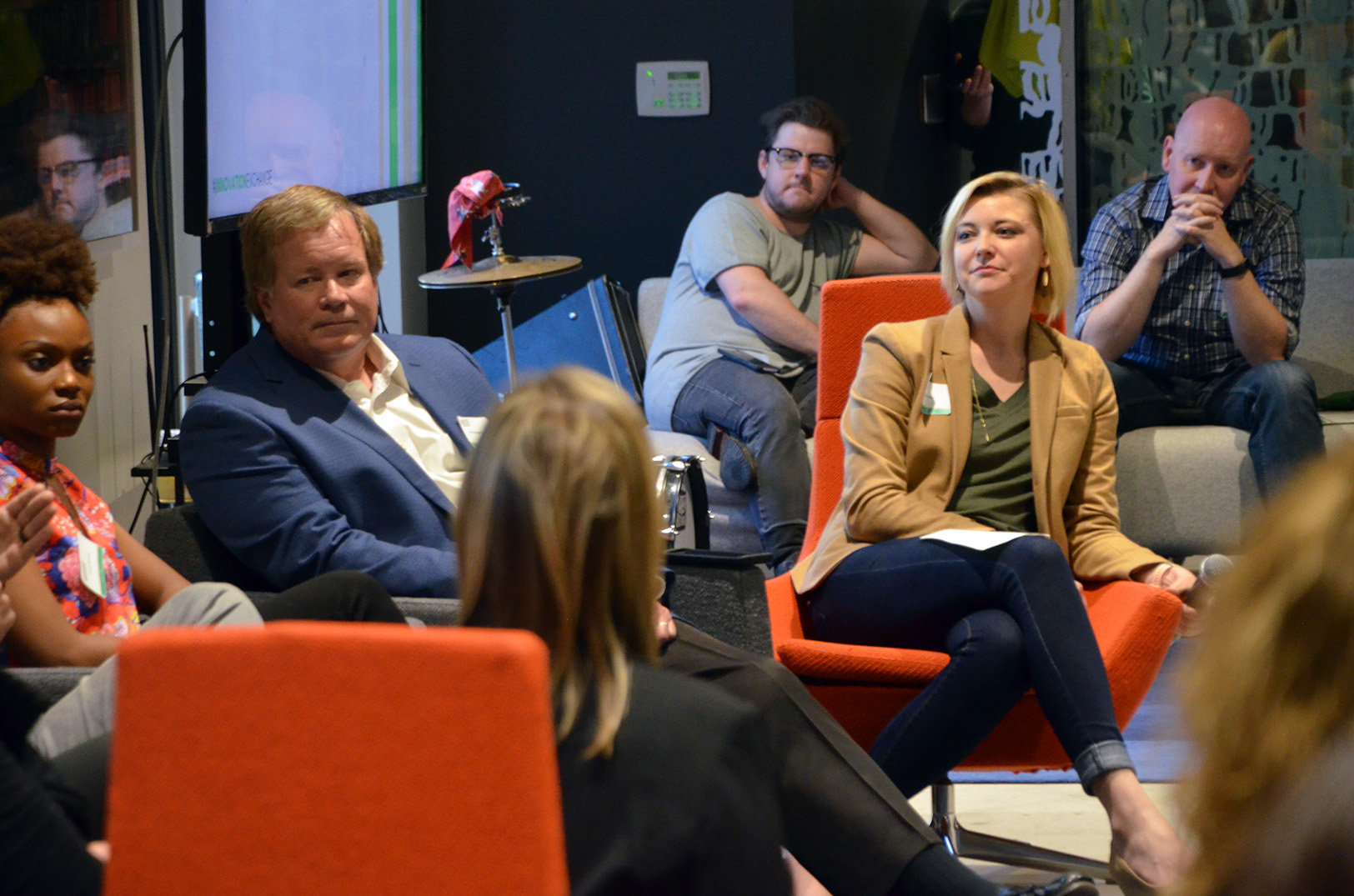
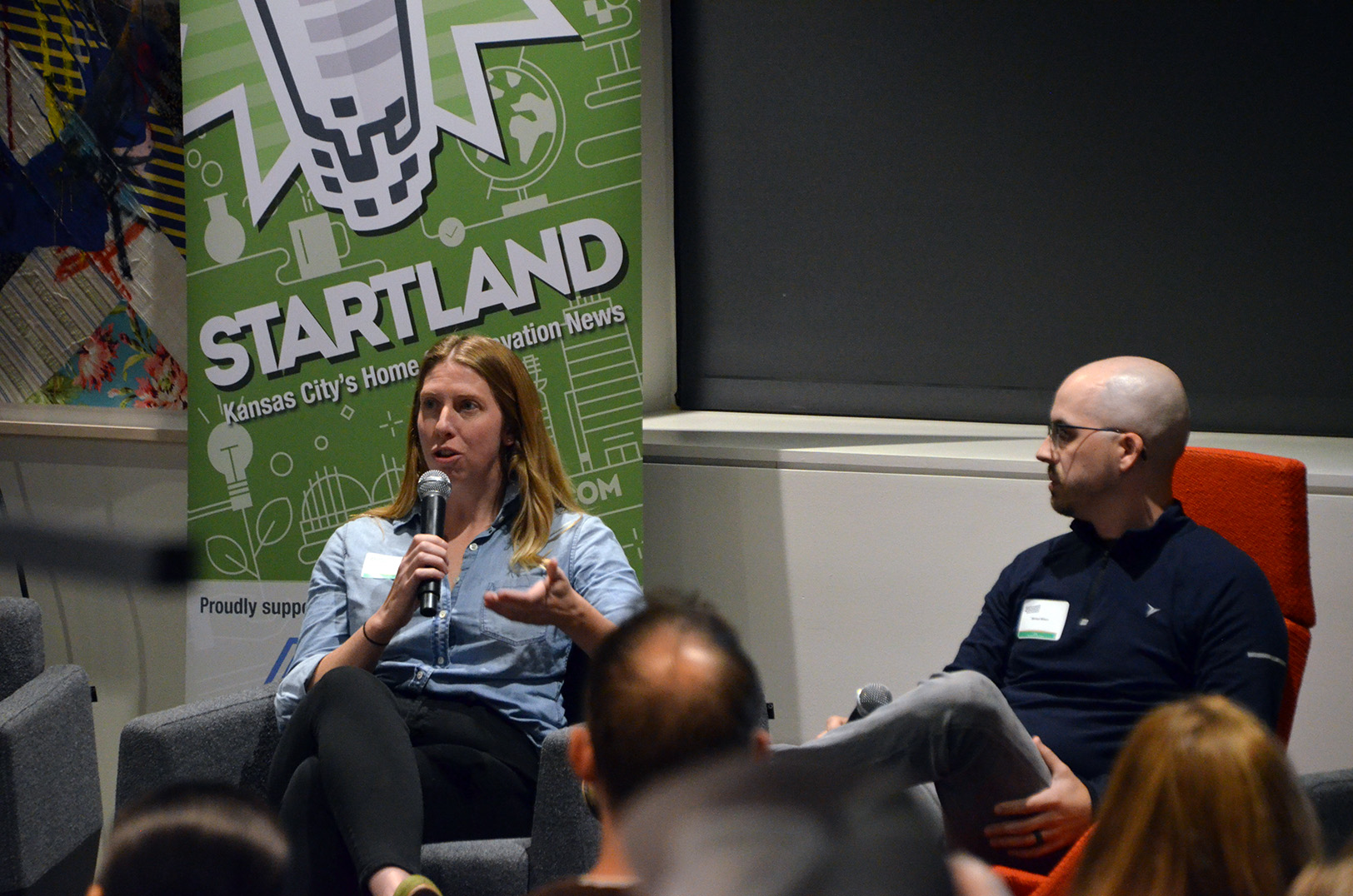
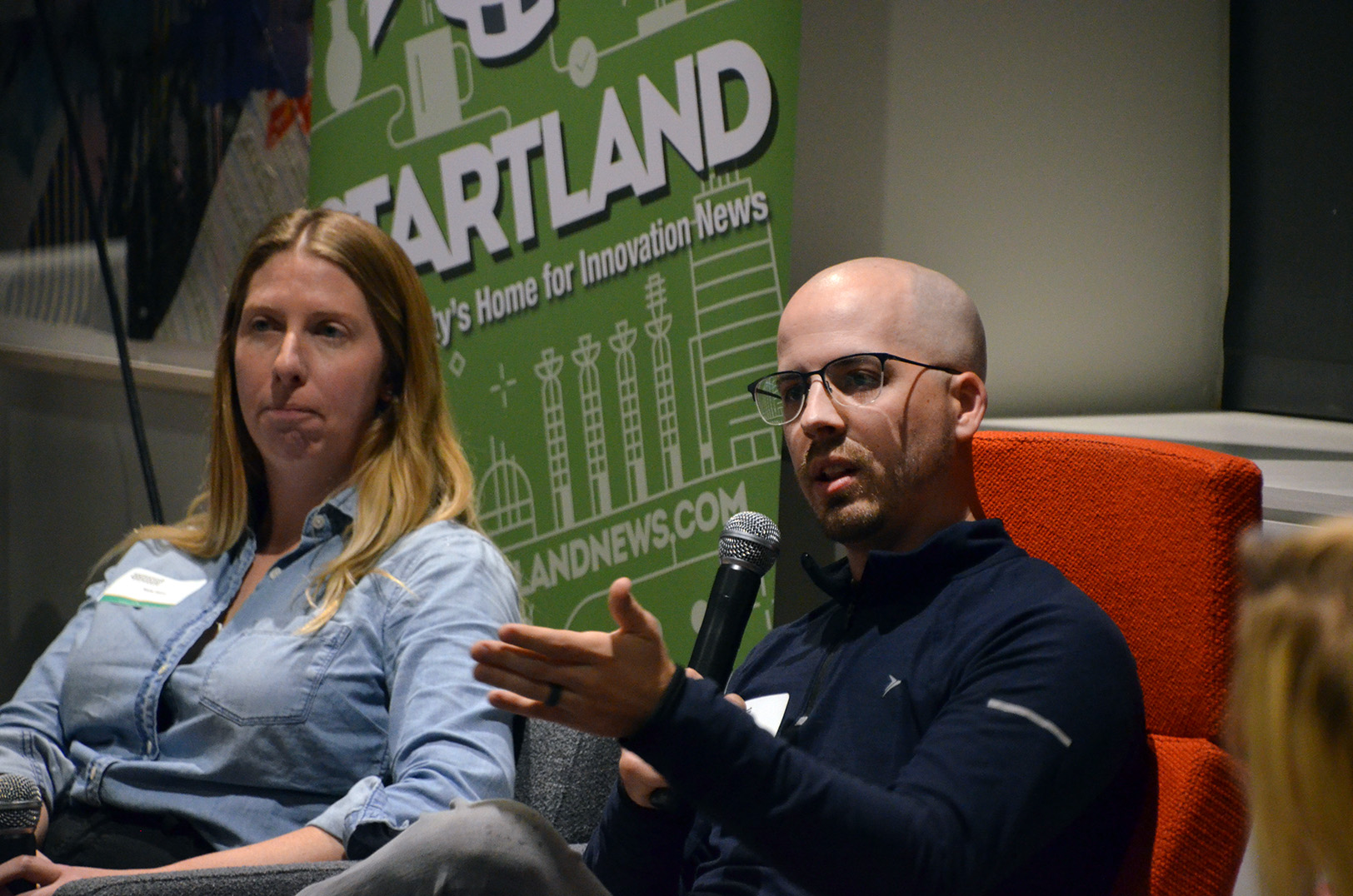
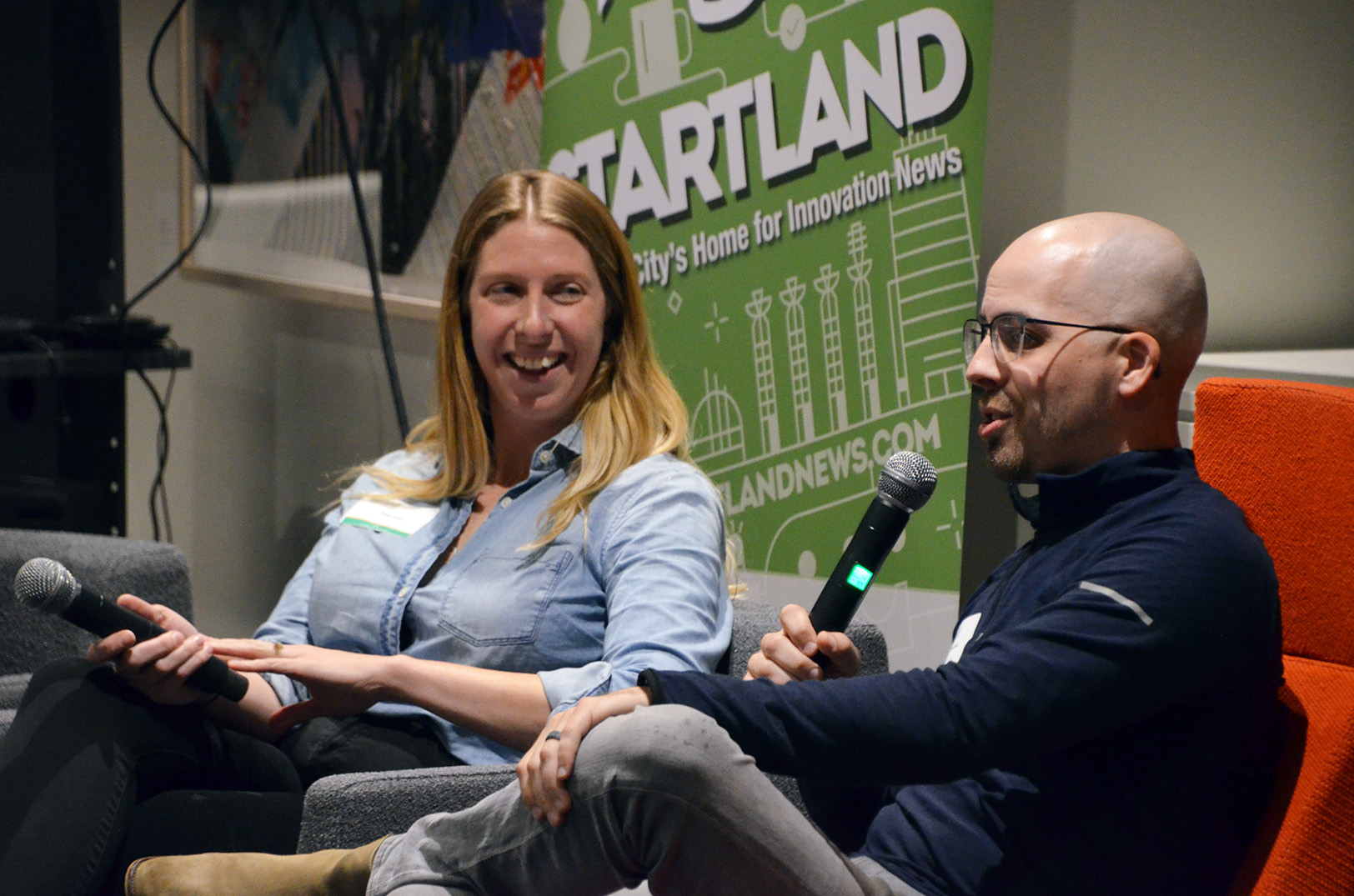
Wilson joined fellow panelists — Lisa Bledsoe, owner, Tea-Biotics Kombucha; Kris Kappel, partner, Husch Blackwell; Jessica Sanders, owner, Lisa’s Gifts; Daniel Kjergaard, lead managing director, CBIZ; and Katy Ibsen, founder, Sweet Jane — in expressing confidence and caution about the future of cannabis-related businesses in the metro, which include ventures built around CBD, hemp and medical marijuana.
The industry began to catch fire about 18 months ago, said Kjergaard, whose work with the financial and business consulting team at CBIZ brought him in contact with numerous clients hoping to cash in — but thwarted by challenges.
“I started hearing a lot about banks not being able to deal with the money [associated with cannabis businesses], big armored cars driving around with car-loads of cash, and law firms and accountants not being able to do business,” he said, noting CBIZ itself initially had a hardline, zero-tolerance policy against such ventures.
“Gradually, more entrepreneurial clients started to appear with CBD-type products — Tea-Biotics was one of them — that they were considering or already actively involved in buying, selling and marketing,” Kjergaard continued. “I had to chuckle because if we really enforced our zero-tolerance policy, we’d probably lose 80 percent of our revenue. There was already so much activity in this space.”
Click here to read about Sweet Jane magazine’s efforts to remove the stigma around women and cannabis.
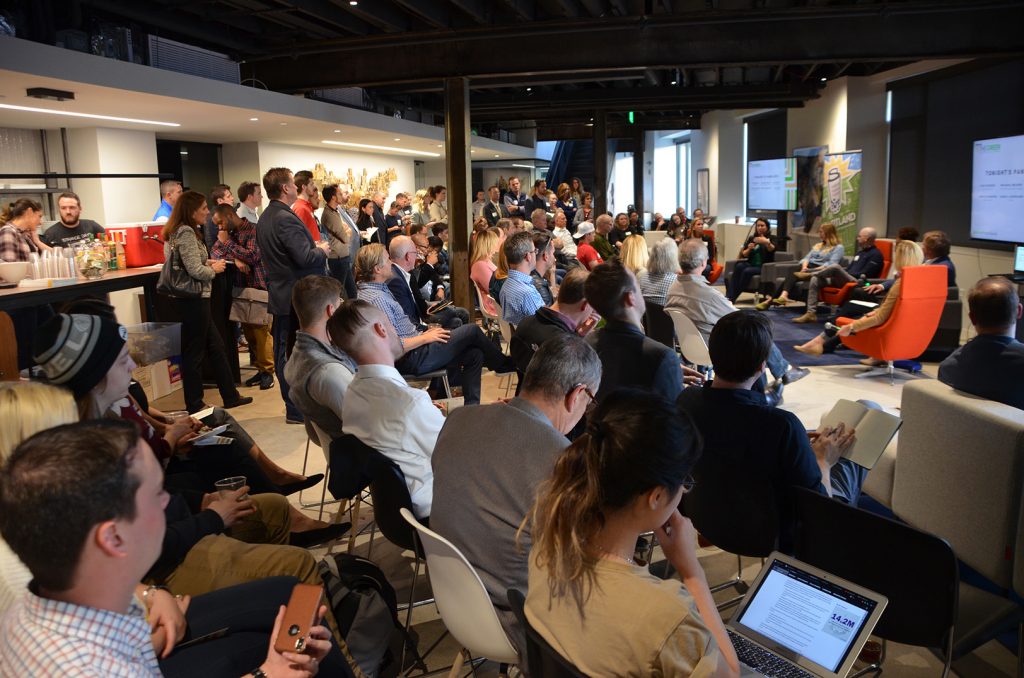
October Innovation Exchange, Gould Evans
A shifting space
The 2018 Farm Bill changed everything, Kjergaard and Wilson said, loosening policies like those at CBIZ and opening the door for startups hoping to operate legally in the cannabis space.
Click here to learn more about the impact of changing regulations at the state and federal levels.
Current laws allow cannabis-related business operations at the state level, weaving a complex regulatory framework across the U.S. that hinges on hyper-localized understanding of a process’ or product’s legality, Wilson emphasized.
“I can’t stress anything more than this: Educate yourself. Read the law that comes directly out of the bill; don’t read the interpretation,” he said.
Regardless of a particular state’s rules, the U.S. government still sees cannabis as an illegal substance — a policy position unlikely to change anytime soon, Wilson said.
“I wouldn’t get your hopes up,” he said of a possible repeal at the national level. “In the eyes of the federal government, you are a marijuana trafficker — however, you might be protected by your state. … Shit’s loose, but I do have hope and faith that over time it’s going to move in the right direction.”
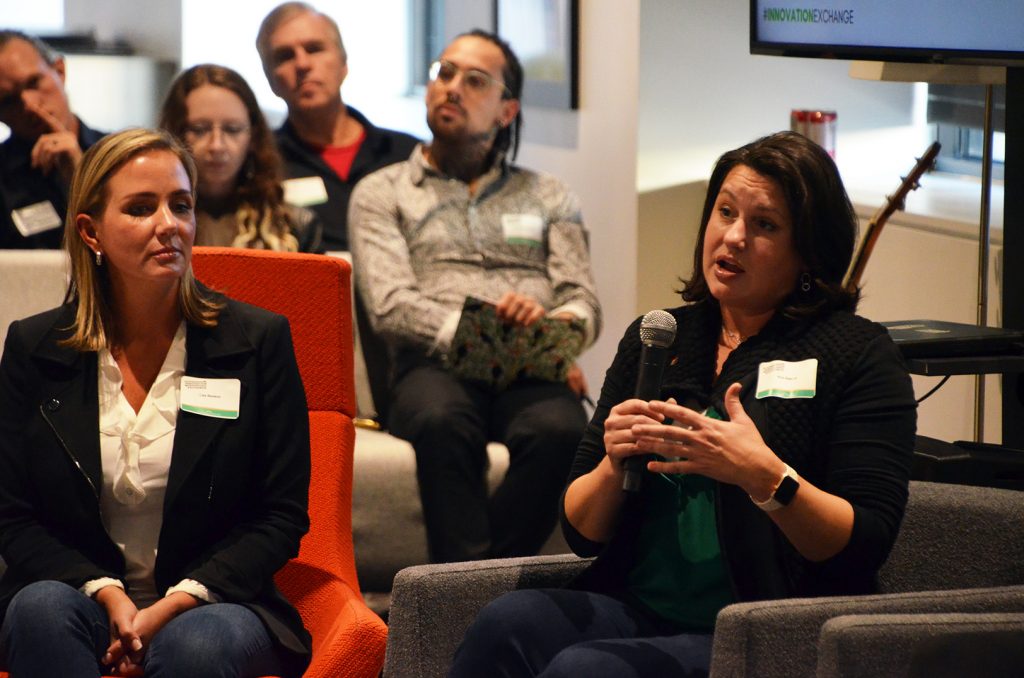
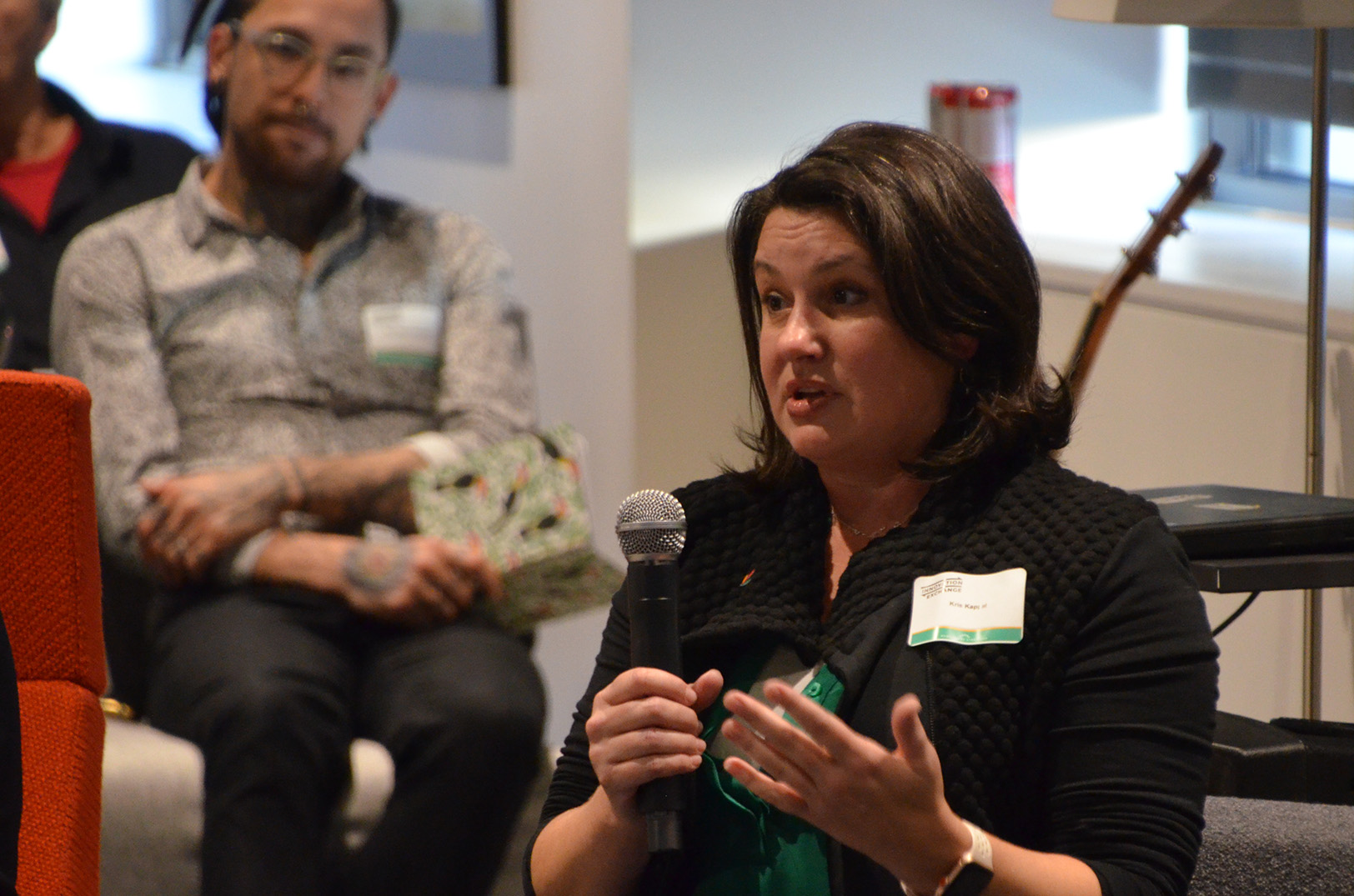
Kris Kappel, Husch Blackwell
Hidden in the leaves
Husch-Blackwell, a law firm with offices in Kansas City and the presenting sponsor of the Innovation Exchange conversation, has filed nearly 300 state trademarks and about 50 CBD trademarks at the federal level, detailed Kappel.
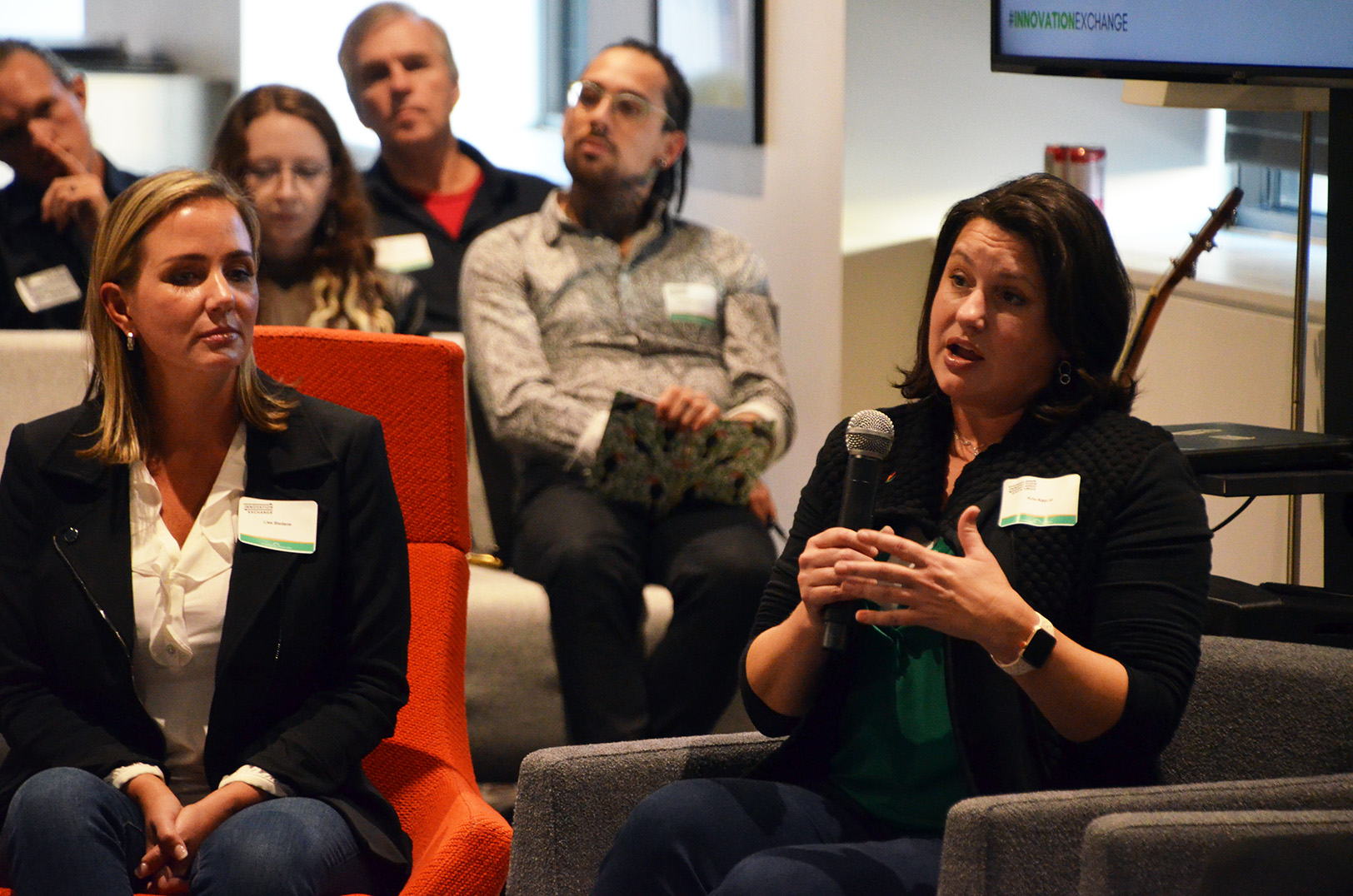
“We’re getting more and more clients that are worried about branding and marketing. Just like any other industry, your name means a lot,” she said, reiterating the more challenging regulatory hoops cannabis businesses must jump through to secure their intellectual property. “For states, you can’t actually file a trademark until you have use. And you can’t have use or be selling in a state until it’s legal. And you can’t do that until you have a license.”
It’s a lot for prospective entrepreneurs to consider, Kappel said, noting a variety of risks many people don’t initially expect.
“There are tax issues that people really don’t understand when they get into this business, and we’ve seen a lot of pitfalls,” she said. “There’s a lot you can’t deduct and claim, so you’re going to be paying very high taxes at the federal level.”
While cannabis is in some ways just another industry ripe for harvest, it presents a unique set of challenges compared to more traditional verticals, Kjergaard added.
“It’s probably a little bit more volatile and evolving than others,” he said.
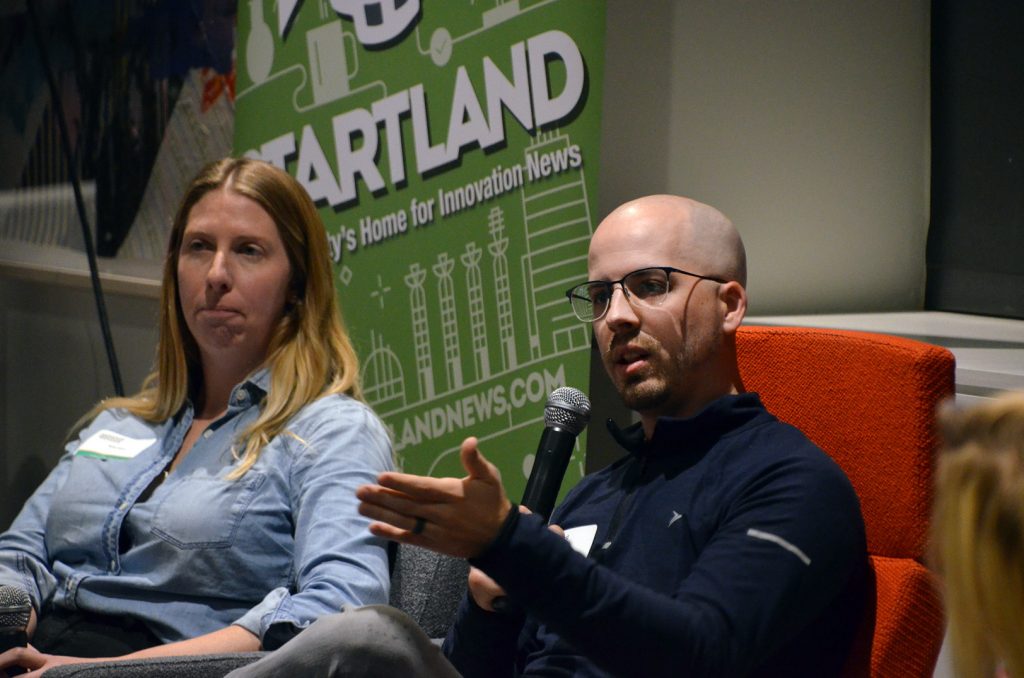
Michael Wilson, United American Hemp
Growing interest
That mixture of an ever-changing, rapidly-shifting market and a freshly-grown space to operate legally helped attract Wilson and his partner, James DeWitt, to hemp and medical marijuana, he said.
“I said, ‘You know what? If I’m like 80 years old and I look back, I’m really going to regret not giving this business a try,” Wilson said.
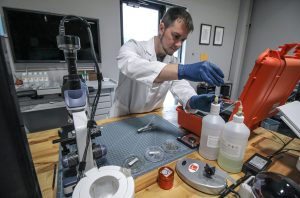
James DeWitt; Photo courtesy of United American Hemp
The duo started small in a 1,000-square-foot warehouse fitted with grow tents, slowly building United American Hemp. They’re now moving to a 36-acre farm with 6,000 square feet of greenhouse space to produce seed and clones for other farmers, Wilson detailed.
Click here to read more about the story behind United American Hemp and its first harvest.
“It feels almost like the cryptocurrency craze — and I almost got into crypto, but there was no regulatory environment. And there still isn’t,” Wilson said. “Industrial hemp and marijuana have a pretty clear framework. It’s regulated. Please don’t forget: you have paperwork to fill out, harvest reports; people show up and test your stuff and have evidence bags.”
For those willing to build a business the right way, plenty of time remains to capitalize on cannabis, he said.
“There’s a lot of FOMO right now with people thinking, ‘Oh! I’m getting in too late!’” Wilson said. “No one is getting in too late. We have decades for this. I’m going to be old and the industry will still be young. So don’t let the short-term decision of you feeling like you’re missing out drive or dictate what your business will do. That’s a very dangerous thing in this industry.”
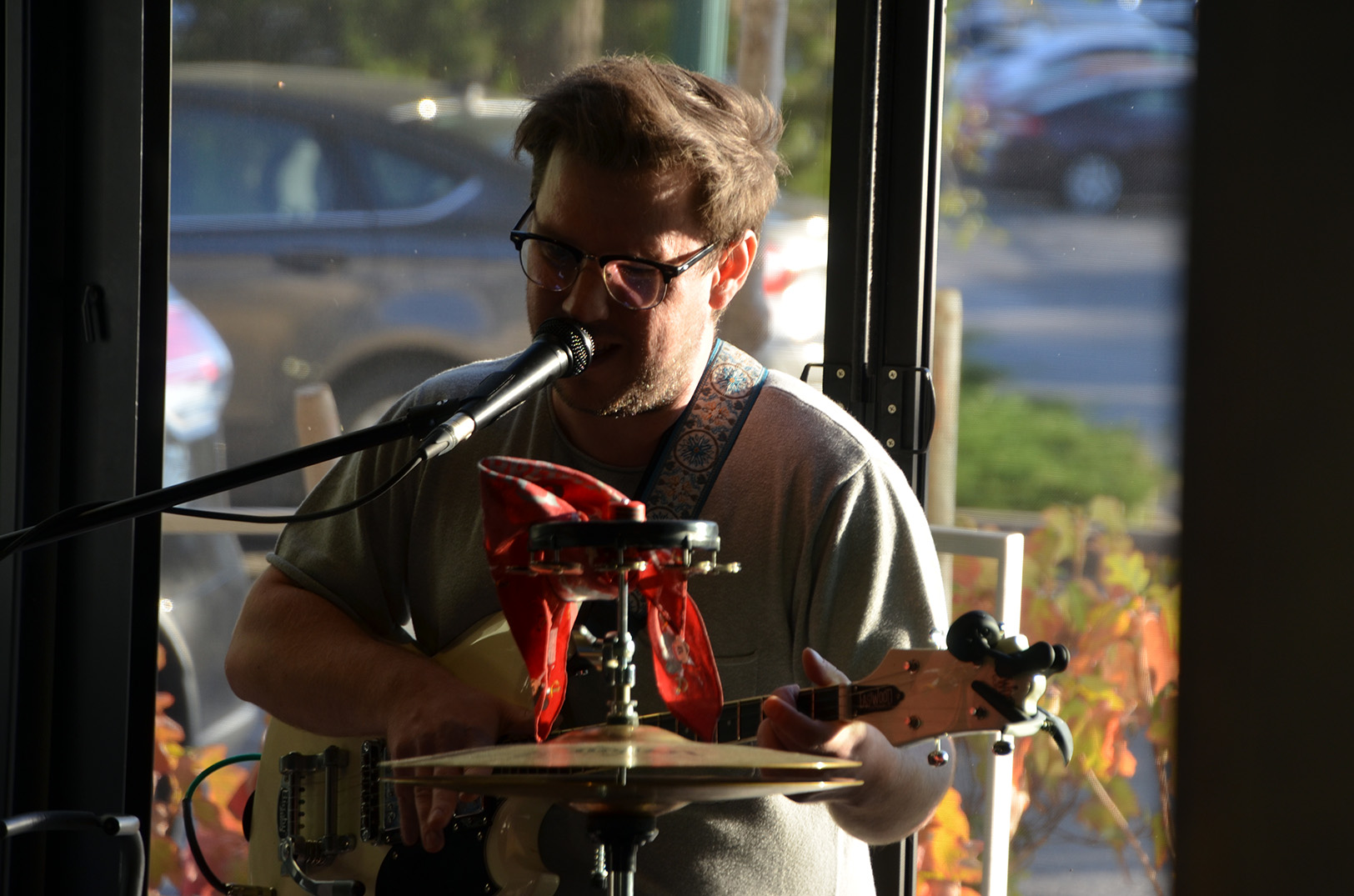
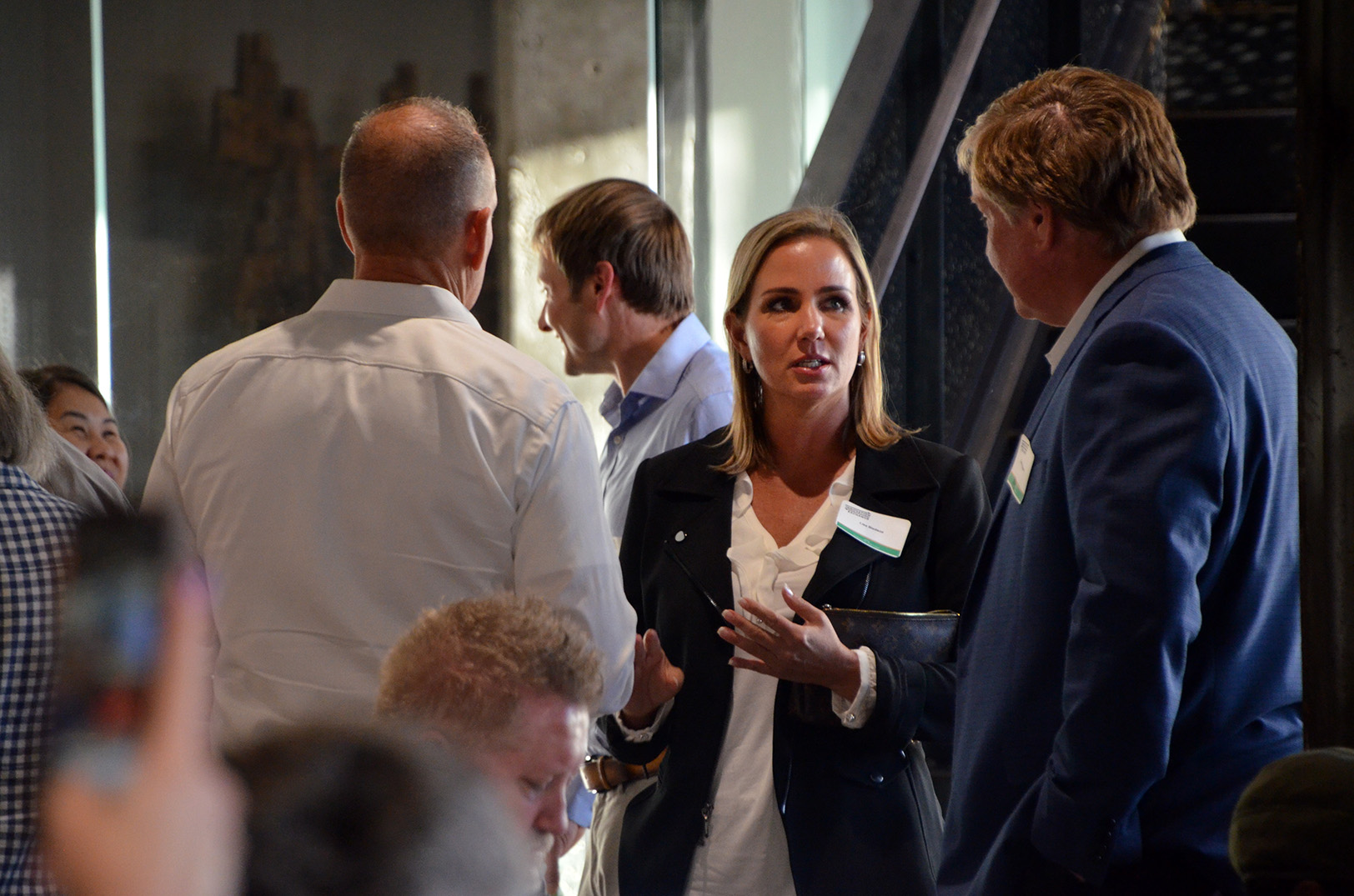
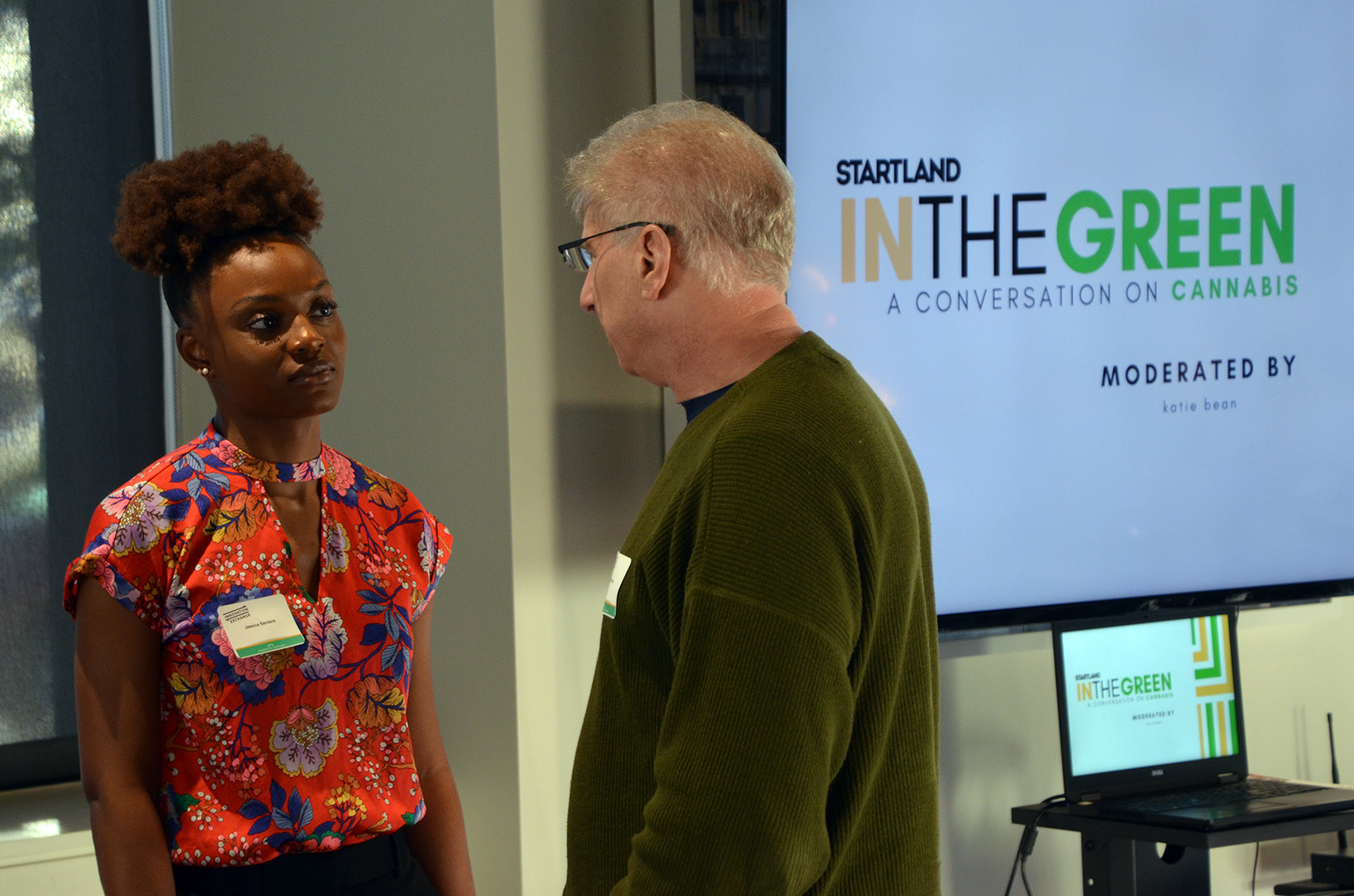
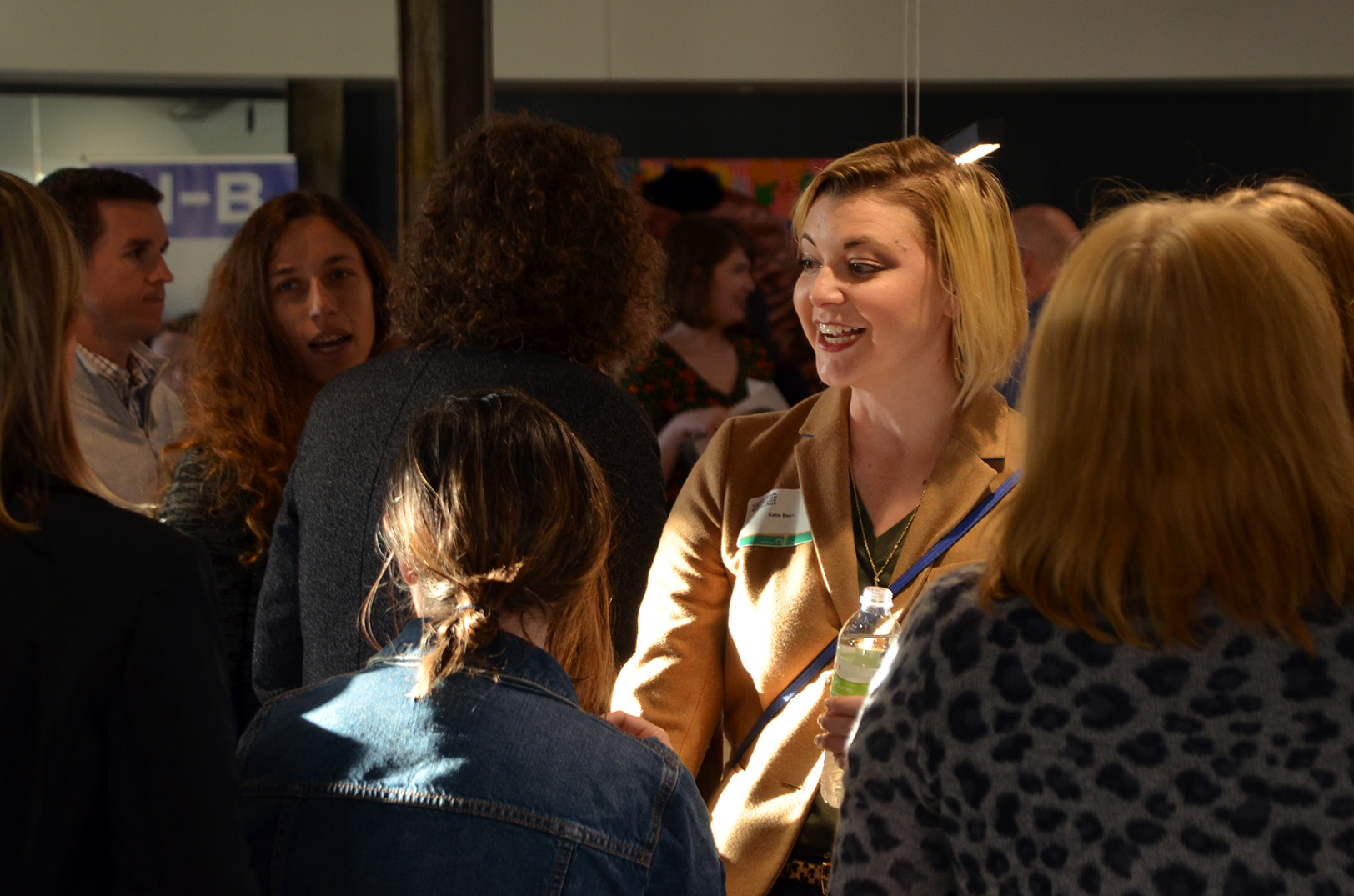
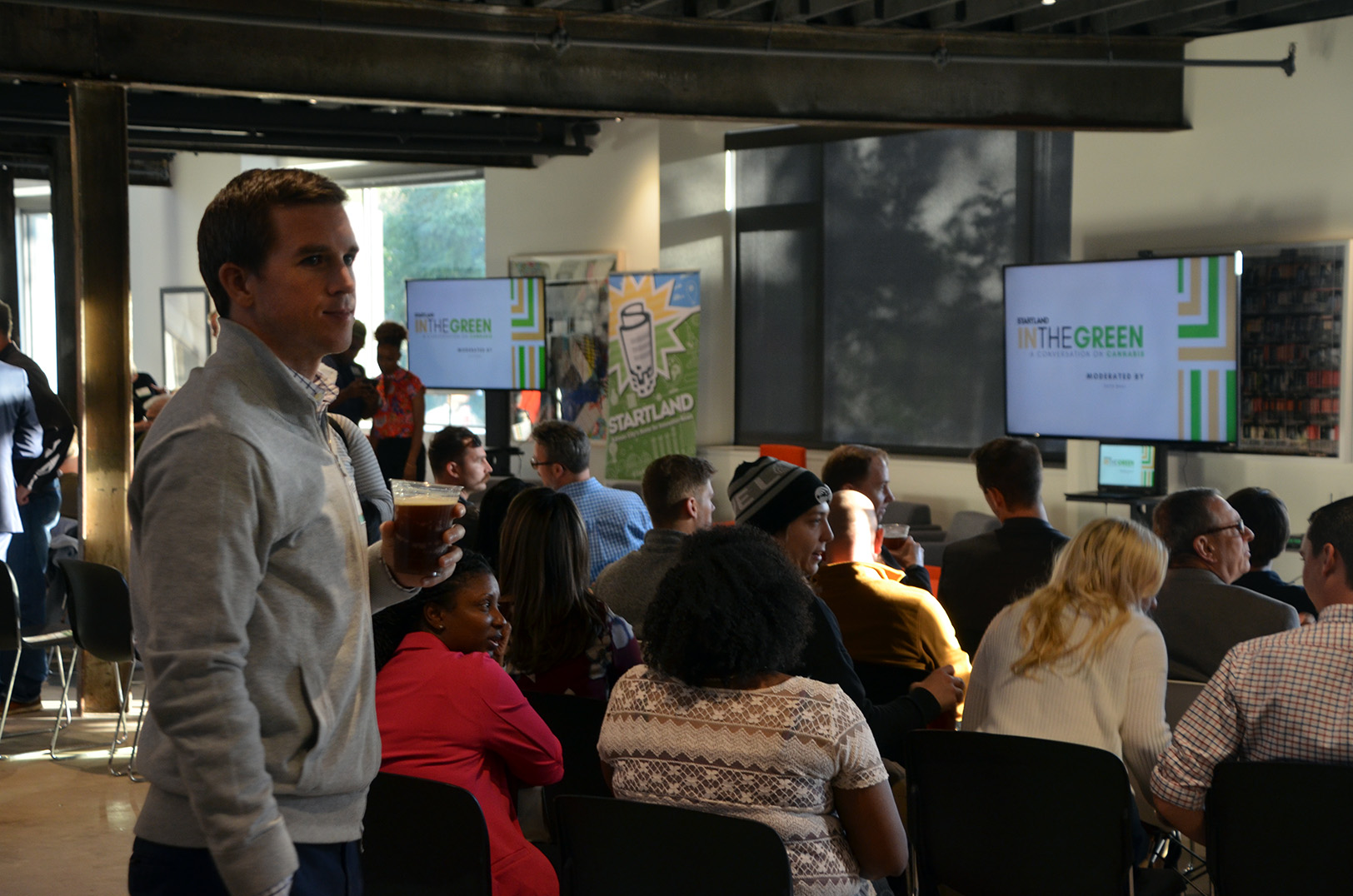
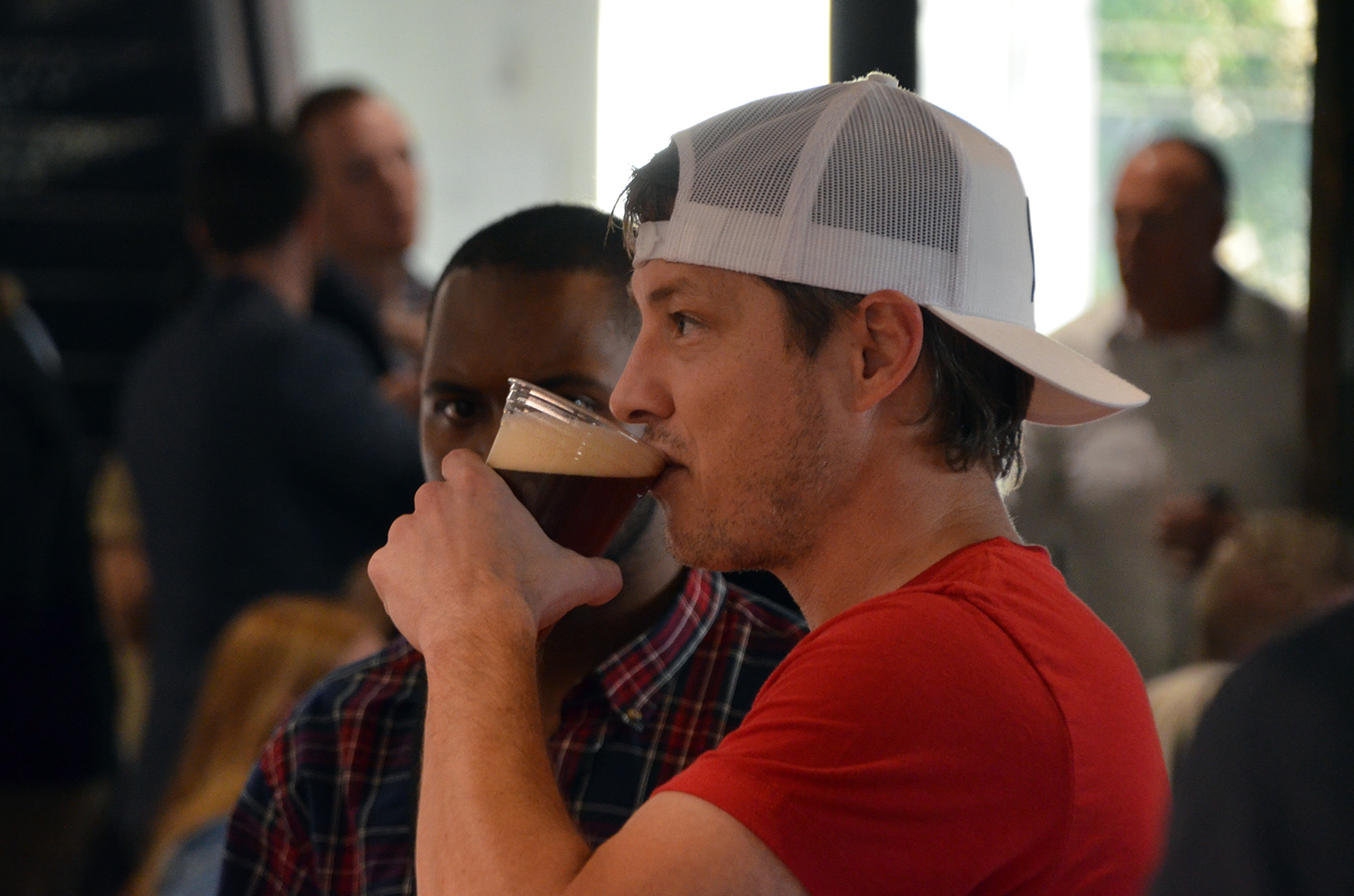
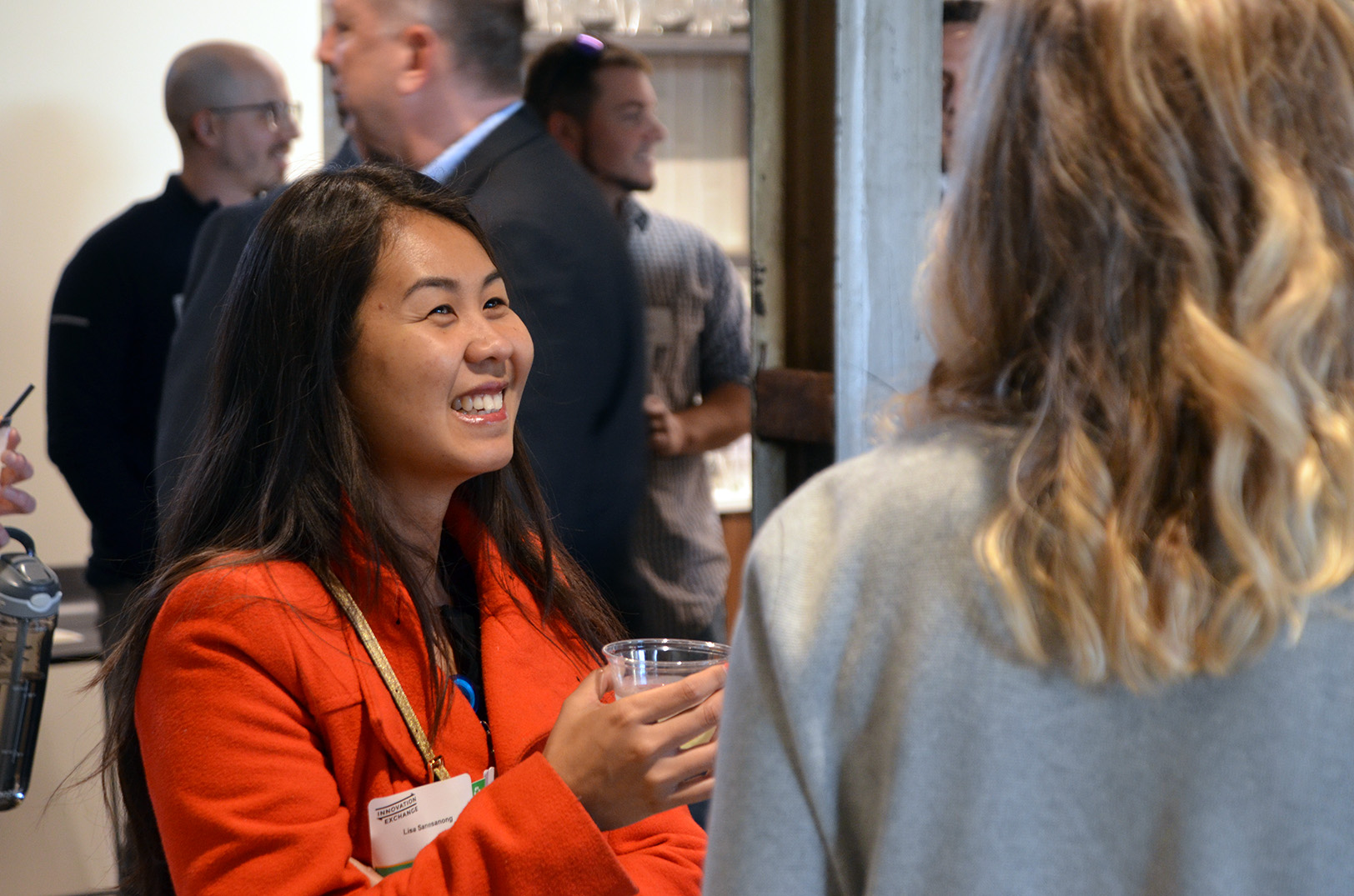
Check out a photo gallery from the Innovation Exchange event below.











Featured Business

2019 Startups to Watch
stats here
Related Posts on Startland News
Mayor Sly James helps startup 1 Minute Candidate build, win competition
Kansas City Mayor Sly James stepped up this Sunday to help a team of entrepreneurs win a competition in which they built a business in 54 hours. James, a well-known cheerleader of Kansas City’s startup community, helped political-tech startup 1 Minute Candidate launch its platform at Startup Weekend Kansas City, a event in which entrepreneurial-hopefuls…

Local weight lifting tech firm Rack Performance lands $250K
A Lenexa-based tech company is racking up investment capital to further develop its weight room management software. Rack Performance recently raised $250,000 from local, private investors that will help the company advance the second version of its software. Rack Performance built a web-based, weight room and group fitness platform to help coaches and trainers efficiently…

FitBark wags its way into nationwide retailer
Animal tech company FitBark is now selling its dog activity-tracking device in Target stores nationwide. The deal will place its product in front of millions of consumers each year at Target’s nearly 1,800 U.S. locations. FitBark’s animal tracking device will be featured among Target’s new “Connected-Life” section, which features other Internet-enabled products such as wireless…

Kansas City startup ‘walks the talk,’ bungee jumps
Sara Davidson doesn’t lightly espouse a message of fearlessness in business. And that’s why Davidson, the founder of Hello Fearless, is live broadcasting her jump off a cable car in Switzerland. Davidson is hoping to inspire other women around the world to conquer their fears not only with a live-streamed bungee jump — out of a…