

Hyperloop One on display in KC: Imagine being first-ever passenger to ride its 600 mph pod (Photos)
September 14, 2019 | Austin Barnes and Tommy Felts
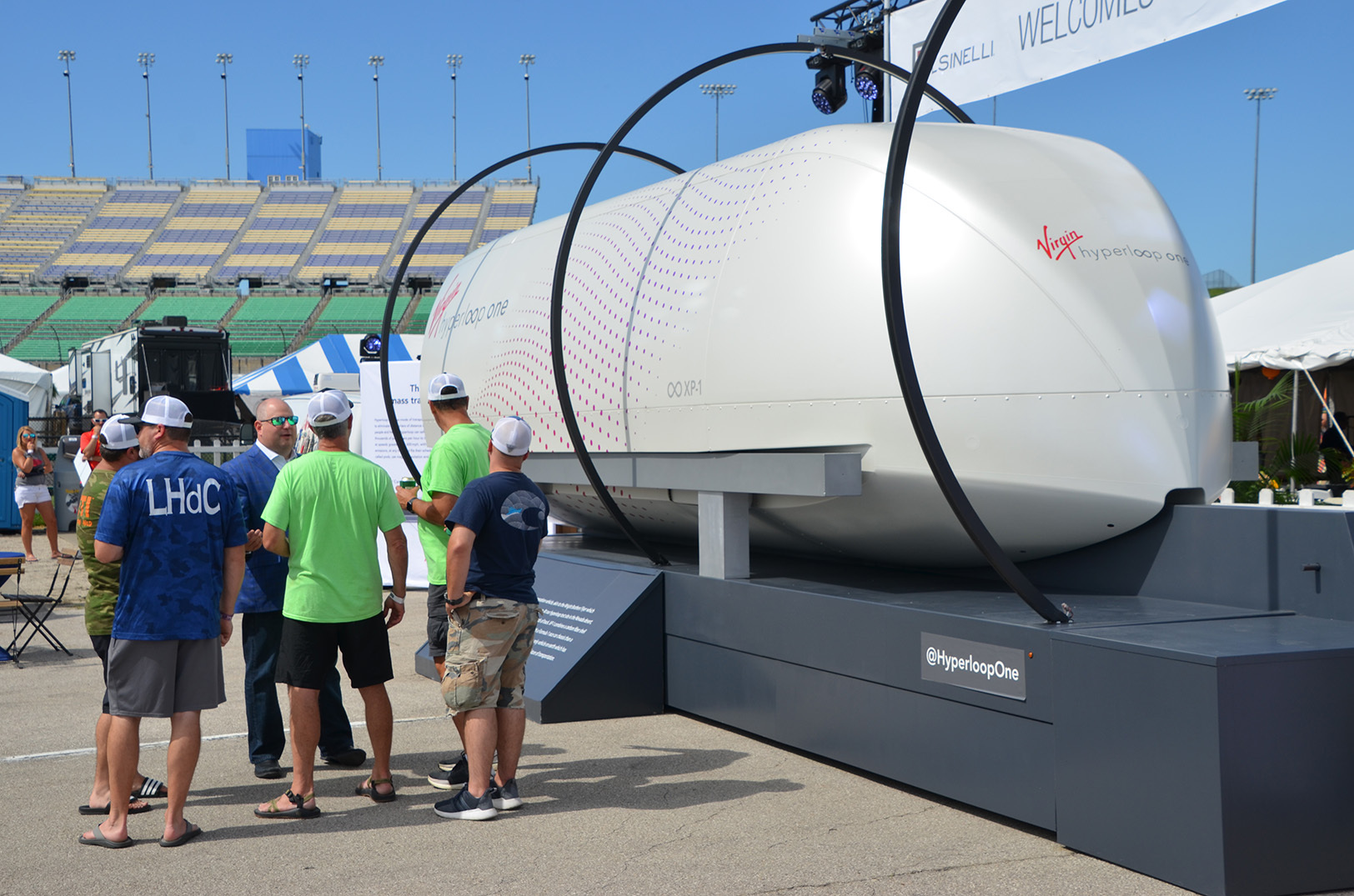
While not a single passenger has yet stepped foot aboard Virgin’s Hyperloop One, that doesn’t mean the technology isn’t more realistic than ever before, explained Jay Walder.

Jay Walder, Virgin Hyperloop One
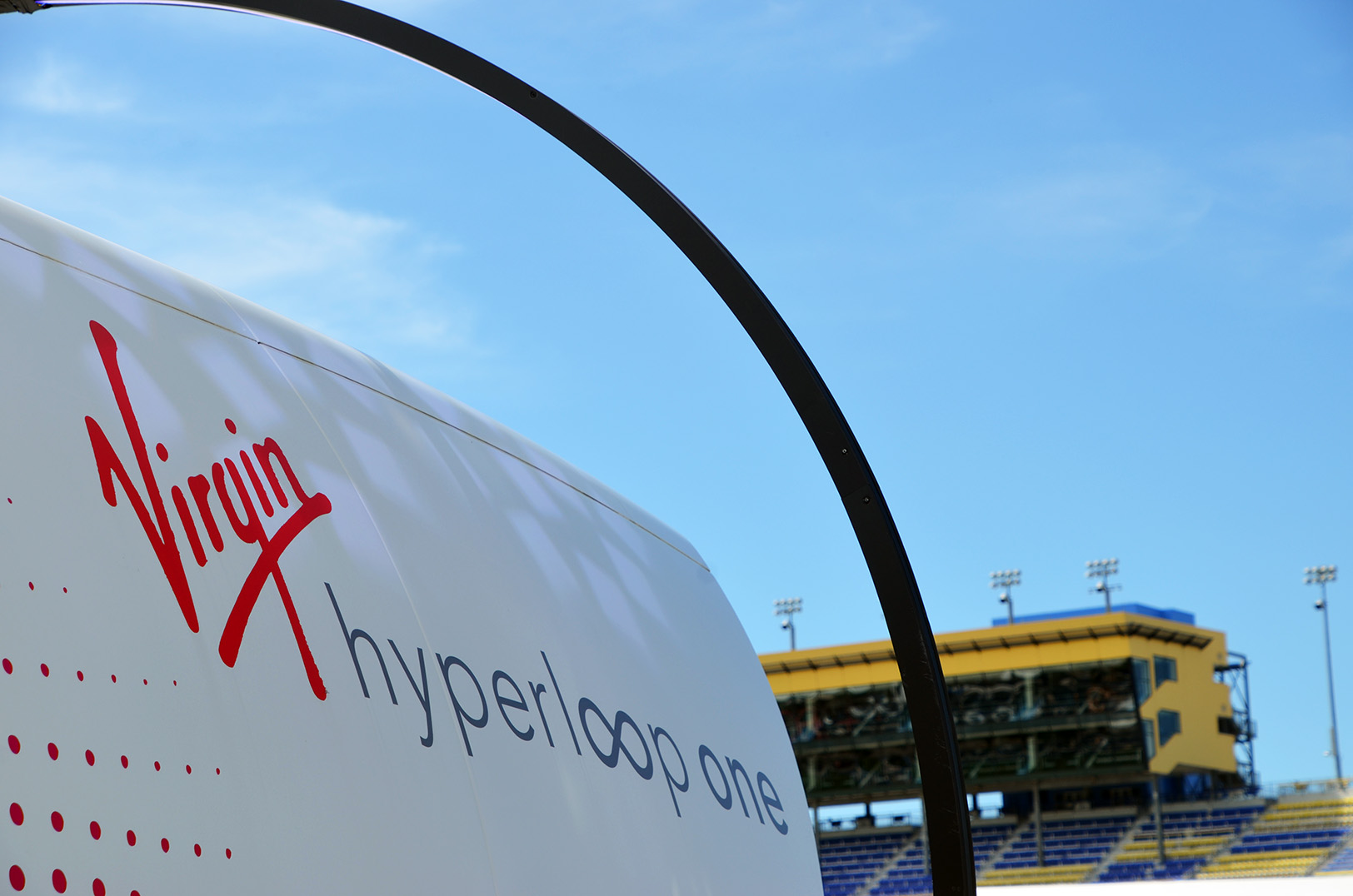
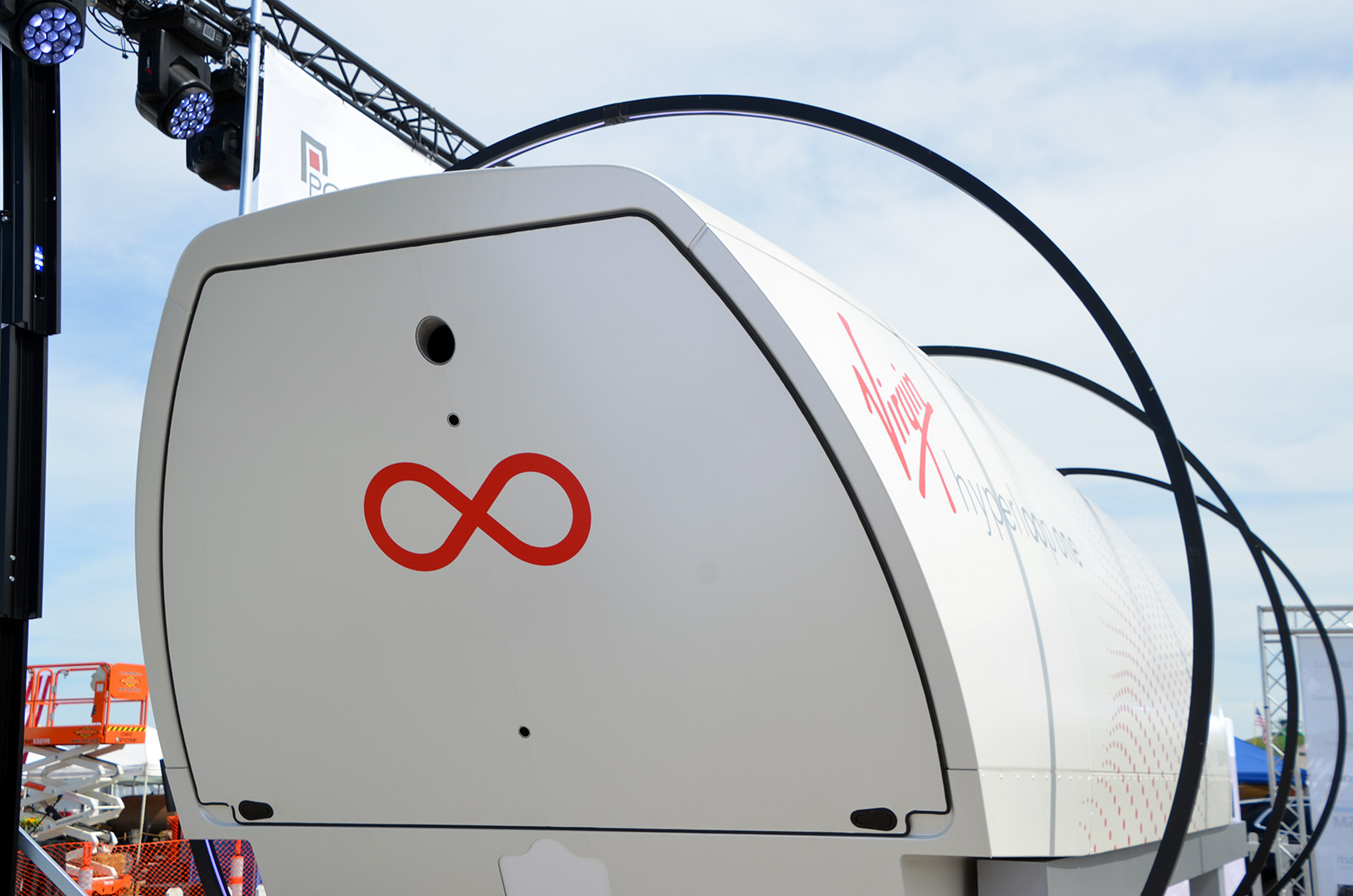
“People can’t really imagine what it would feel like to go 600 miles an hour,” said Walder, CEO of Virgin Hyperloop One — which pulled onto the track at the Kansas Speedway Friday as part of a national tour that puts Hyperloop’s proposed passenger pod on display.
Click here to read more about the Hyperloop’s stop at the 2019 American Royal BBQ, which was presented in partnership with Polsinelli and the KC Tech Council.
Hyperloop technology remains so new that even Walder and his team haven’t truly experienced its full power, he noted.
“One of the things I think we’re working on now is to be able to think about how we can give people that sense of what that experience would be, because we believe it will be super smooth and really comfortable — even though you’re going super fast,” he said, detailing the potential for virtual reality previews to take potential passengers one step closer to the action.
“We’re talking about a first new mode of transportation in 100 years and people sometimes have a hard time imagining that, right?” Walder said.
Check out interior photos of Hyperloop One’s pod in Dubai below, then keep reading.




Following stops in Arlington, Texas, and Columbus, Ohio, the Hyperloop team has already gained new perspective on the high-tech project, the CEO said in reference to stories from skeptics and champions along the road trip.
“A couple things have actually come out of it: People want to have a sense of what it’s going to feel like to get in it — and this pod you can’t get in yet. And so I think one of the things that we want to do is, is to create that [experience for curious would-be passengers],” he said of lessons learned and questions that could result in future tours.
“I loved in a couple of places not just seeing [the reactions of] adults, like us, but actually watching kids and watching the look on their face and what they were thinking, because this is for them, right? This can be for them and then they’re getting it. They’re seeing it and doing it,” he continued.
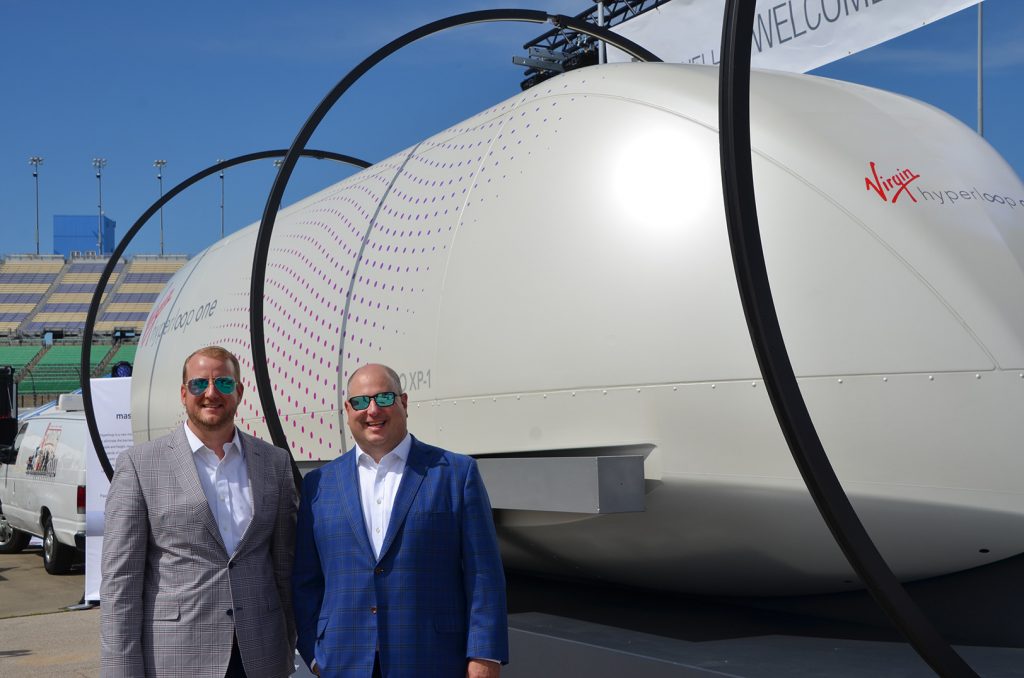
Ryan Weber, KC Tech Council; and Greg Kratofil, Polsinelli
Walder wouldn’t tip his cap when asked if Hyperloop was close to a final decision about where it might build its potential track, but he did suggest Missourians — including KCMO Mayor Quinton Lucas, who spoke with him one-on-one about the project Friday — continue to show the strongest support for the technology.
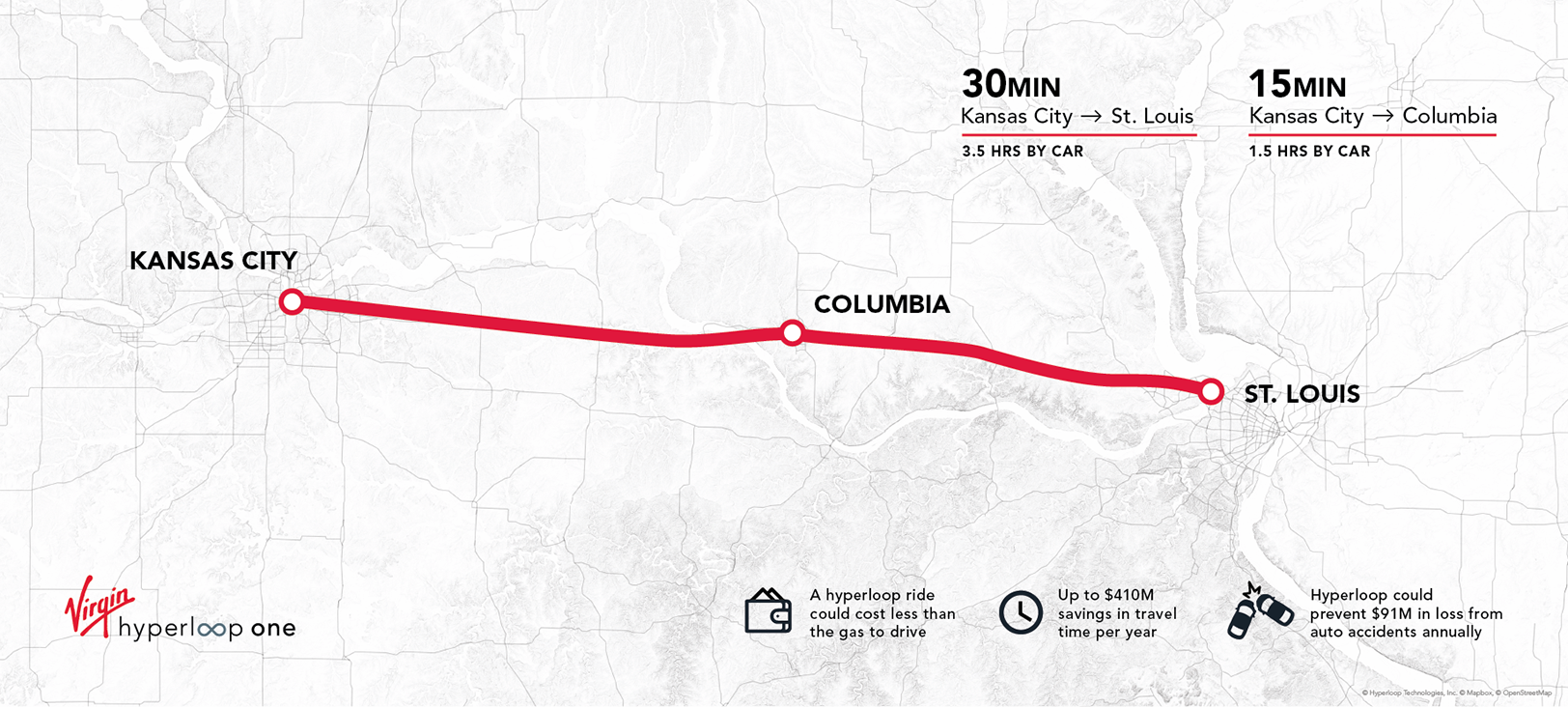
Missouri Hyperloop Map
“I don’t know that we have it tallied up by state — which state had the most people come visit our facility in Las Vegas and Los Angeles — but I’m guessing Missouri might be in the lead. [The support for Hyperloop] shows and it’s great. It’s exciting,” he said.
Hyperloop will venture further down its proposed I-70 route in October when it parks the display pod in St. Louis, Walder said.
“St. Louis is aggressively thinking about this as well. I think one thing Kansas City and St. Louis have in common is the idea of seeing the state of Missouri as a crossroads for Hyperloop … as a hub,” he said, noting activists across the state are ready for a decision on Hyperloop but are, in the meantime, willing to settle for the first step toward truly experiencing it.
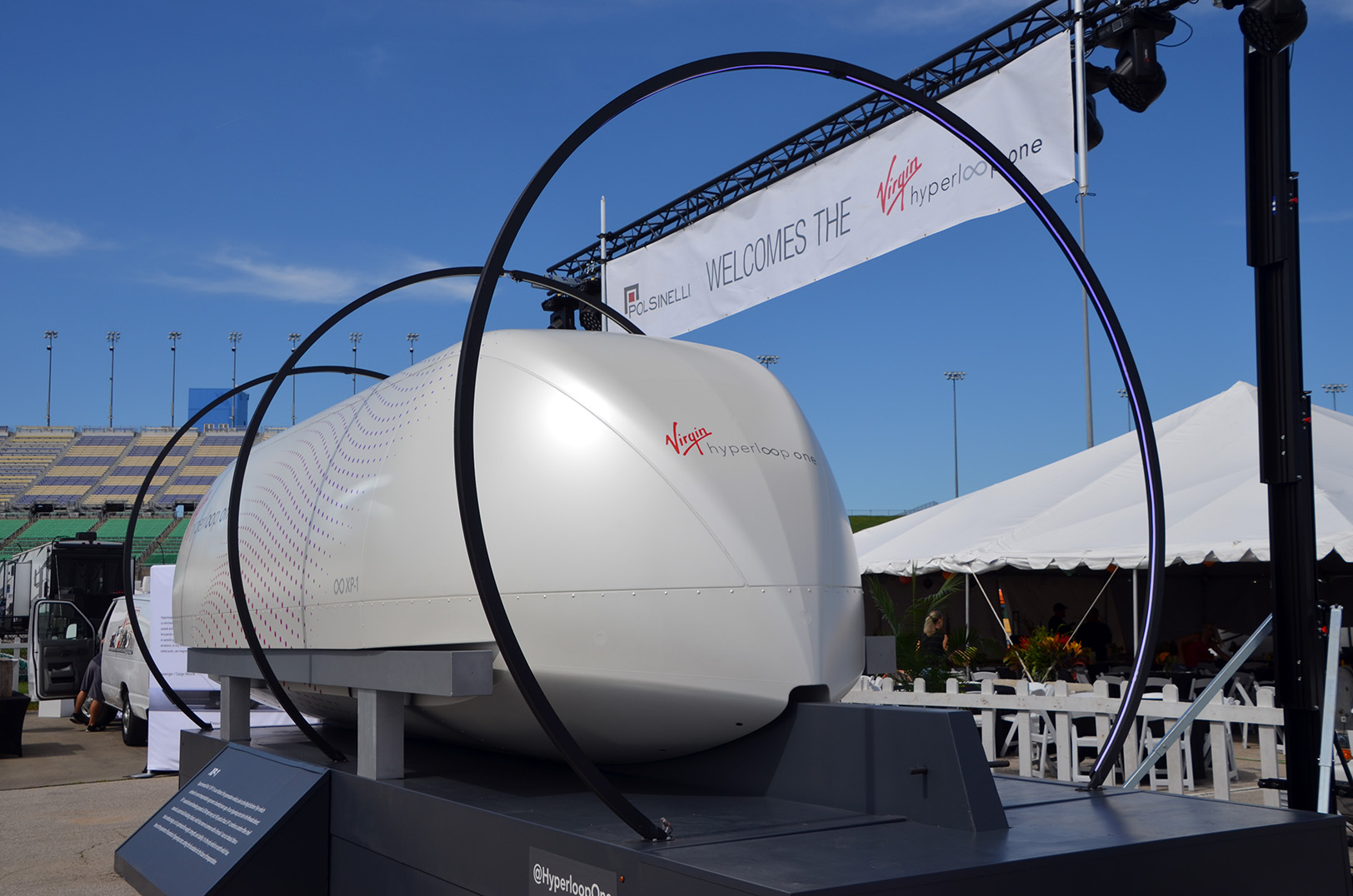
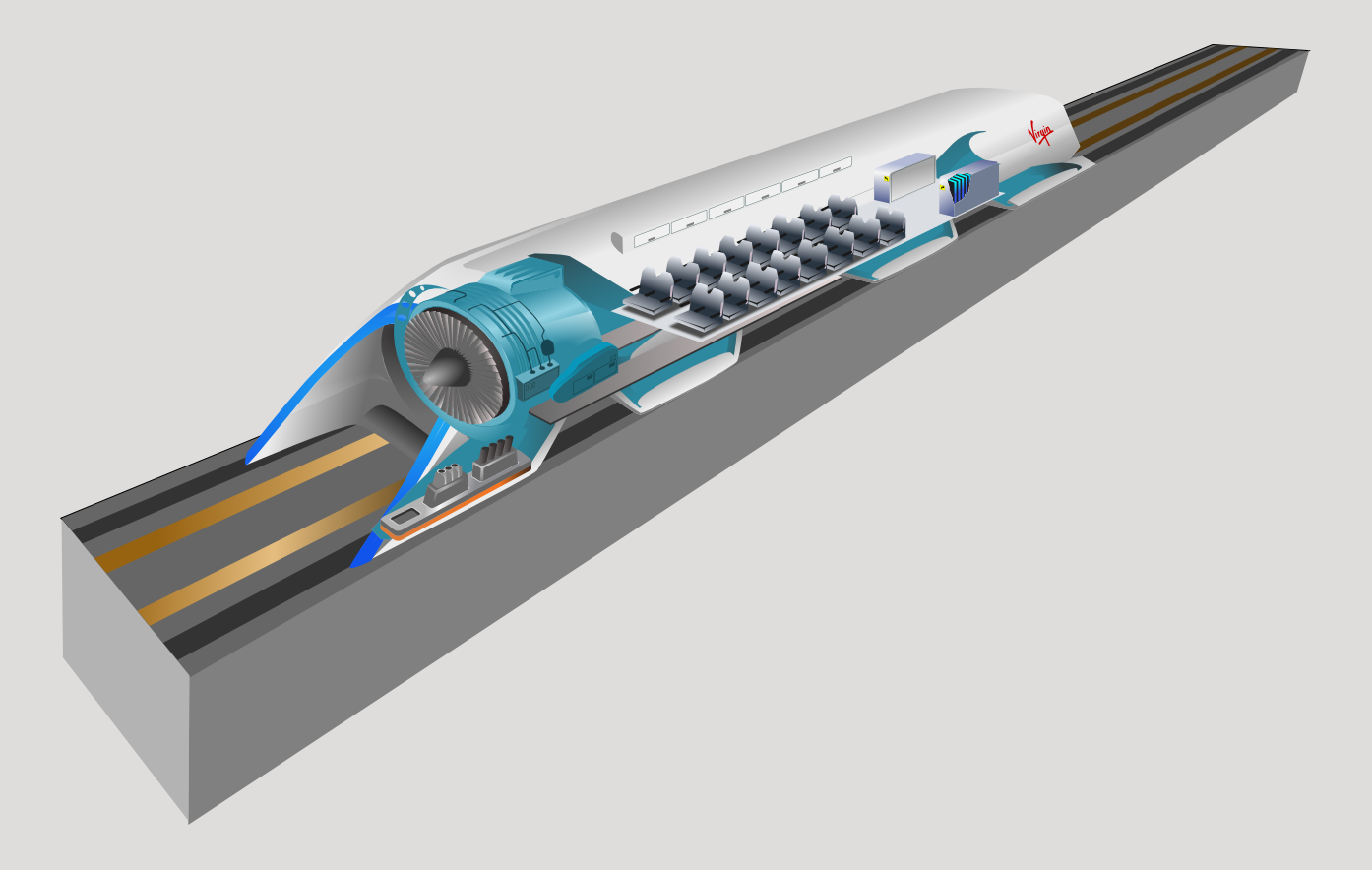
A rendering of a hyperloop
Think of the hyperloop system as high-speed rail travel in a vacuum. Levitated pods are propelled at speeds reaching 670 miles per hour by electric motors through a series of interconnected tubes that create a low-pressure environment, allowing the pods to glide with limited friction at speeds that surpass air travel.
Click here to read a hyperloop FAQ list.

Featured Business

2019 Startups to Watch
stats here
Related Posts on Startland News
You’ll soon have 20+ smart devices in your home; How many will steal your data?
Consumers of smart technology need to be wary of most of the lesser-known brands in retail stores, said Scott Ford. “Most likely they’re using a platform architecture that sits on a foreign market, sending your data to who knows where, without the protections that are common in the U.S,” said Ford, CEO of Pepper IoT,…

Project UK earns $100K prize to help build out tech ecosystem, connected community
A $100,000 injection will position Project United Knowledge for growth that could further fill diversity and inclusion gaps in Kansas City’s tech ecosystem. The accelerator program landed the investment as a winner of the Kapor Center’s $1 million Tech Done Right National Challenge, said Quest Moffat, head of innovation at Project UK. Beyond financial support,…

More than a makeover: ‘Queer Eye’ gives Wesley Hamilton an opportunity to thank the shooter who put him in a wheelchair
Wesley Hamilton’s clear vision for his potential impact took away the nerves while in front of cameras for Netflix’s “Queer Eye,” he said. “Me being able to get on a show with that type of exposure and spread my message to those within my community and outside of it… I’m just really excited for the…

Sickweather spent 8 years and $100K+ to obtain a patent; Is IP protection worth the cost?
Graham Dodge wanted to check a box for investors seeking security for his crowdsourced sickness forecasting startup Sickweather, he said. Obtaining a patent for the technology, however, proved a tougher task to chart. “We just wanted to protect ourselves to build value in the company,” said Dodge, CEO of Sickweather, as well as Garnish Health,…