

As healthcare pivots to value based service, Helix Health uses data analytics to reduce costs
August 6, 2019 | Rashi Shrivastava
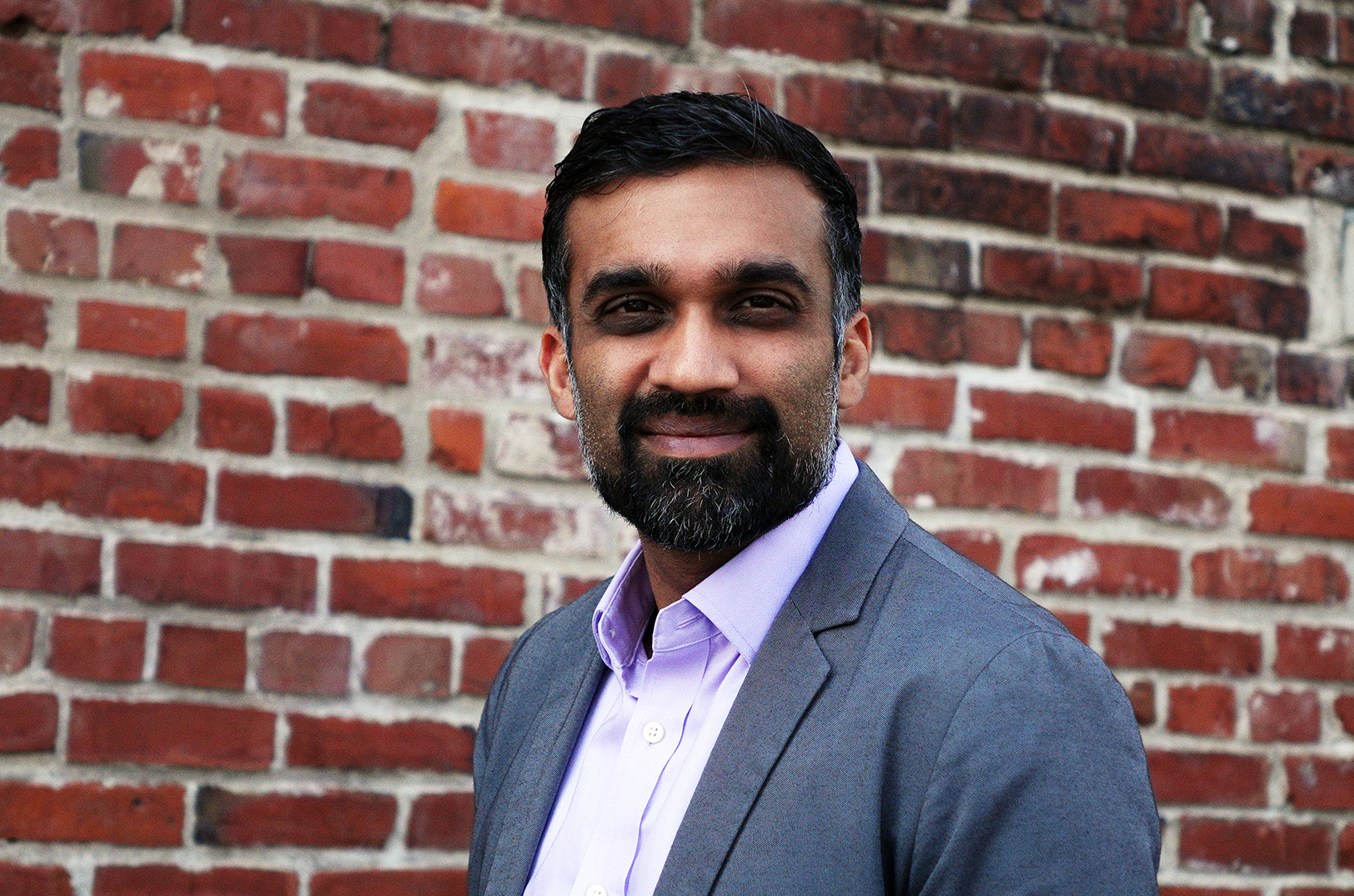
Prevention is cheaper than cure — a sentiment forming the foundation of Helix Health, said Anurag Patel.
“The business of healthcare today is that if you’re sick, then you’re a customer of healthcare. If you’re healthy, then you’re not,” Patel said, describing a need for creating a business model that helps people stay healthy.
Helix Health aims to connect healthcare providers with preventive solutions for patients with chronic illnesses like diabetes, said Patel, co-founder and CEO.
A quotient of the problem also lies in opaque payment models used by healthcare companies, added Aaron Deacon, co-founder and president of Helix Health and managing director of KC Digital Drive.
“You’ve got the insurance companies or the federal government as intermediaries. There’s no transparency of pricing sort of throughout that chain,” he said. “It’s also hard for people to sort of make price choices as rational consumers, because there’s so much complexity in the system.”
Slowly but surely, the healthcare market is shifting from a “fee for service”-based system — where healthcare companies are paid more to do more — to a “value-based” system in which they are paid more to do better, he said.
“Doctor’s offices, which have been charged with keeping each patient healthy, are now being reimbursed and incentivized monetarily by how they keep their whole aggregate population healthy,” said Deacon.
Finding real-world solutions
Hoping to provide an opportunity of disruption in a traditionally robust and rigid space, Helix Health relies on artificial intelligence and data partnerships to create a data analytics platform for healthcare providers, Patel said.
“What we track is what happens in the real world,” said Patel. “We plug into this new environment by saying that we have the analytics or the tools that allow them to see which patients to focus on and how that would prevent downstream and expensive costs.”
The trajectory of treatment for each patient is different based on their socio-economic background, Patel explained.
“Even though there’s a single set of treatments for diabetes, for example, the application outside of the clinic may look different for different people,” said Patel.
Consequently, the firm collects both clinical and non-clinical patient data, said Deacon.
“We bring multiple sources of data together to get more nuanced picture of what’s happening and understand different pathways diabetic patients take from diagnosis through treatment, to a certain result,” he said.
From Project Helix to Helix Health
The idea for the Digital Sandbox KC-funded startup was originally floating in a different form.
“We’ve been helping the health tech community get together to work on how to commercialize research into application for health purposes. And at one point we realized that instead of trying to push people, we should just potentially do one,” said Patel.
In 2018, founders Patel and Deacon paired up with organizations like Code for Kansas City and the KC Digital Drive to enter into an open innovation challenge at the Robert Wood Johnson Foundation.
“We ended up getting third place out of more than 60 companies nationally … getting $15,000 to do product development,” Deacon said.
Being able to deliver analyzed data on different platforms in a scalable manner has been a major pain point for Helix Health, said Deacon.
“Doctors are inundated with technology and for all of the sort of upside of having electronic medical records, doctors generally hate them. The question is how do we deliver information and insight in a way that is most usable for a customer?” he said.
The startup’s primary customers are “payers and providers” which includes healthcare institutions, insurance companies and employers who provide insurance for their employees.
Value-based service is an opportunity to build higher quality and efficiency, said Patel, noting key factors in the digital health evolution.
“I believe we need some innovation and disruption in the healthcare market, especially on how we work with preventing diseases instead of always being reactionary,” said Patel.
This story was produced through a collaboration between Missouri Business Alert and Startland News.

Featured Business

2019 Startups to Watch
stats here
Related Posts on Startland News

Students hope to make KU the ‘premier blockchain university’; Here’s how startups can help
Startland News’ Startup Road Trip series explores innovative and uncommon ideas finding success in rural America and Midwestern startup hubs outside the Kansas City metro. This series is possible thanks to the Ewing Marion Kauffman Foundation, which leads a collaborative, nationwide effort to identify and remove large and small barriers to new business creation. LAWRENCE…

She’s bringing tech to urban core teens; why KCMO says Tammy Buckner needs to pay ‘fair market value’ or get out
One of KC’s leading Black women in tech leased a vacant city building for $1 and made $20K+ in improvements for her workforce development program — now the city wants to sell it, kicking WeCode KC to the curb A local nonprofit is asking for community support as the KCMO city council makes a move…

One-size-fits-all neighborhoods are a blueprint for development failure, C3KC panel says
Editor’s note: Startland News is a non-financial media sponsor of the 3CKC conference organized by the Junior League of Kansas City, Missouri. The formula for creating a vibrant neighborhood might seem simple, but replicating it between variable demographics, geographies and economies is more challenging than many planners think, said Kavya Shankar. “The strength of the…
Fintech revolution follows historical abuse of Black wealth: ‘We’re already late, but we’ve got to do something’
Editor’s note: Startland News is a media sponsor for the C3KC session “Fintech is Revolutionizing Banking.” With nearly 30 percent of Americans reported as under-banked or unbanked, leaders in the financial space need to ask themselves what steps must be taken to create a more inclusive system, said Cordell Carter II. “We often ask leaders the…