

As healthcare pivots to value based service, Helix Health uses data analytics to reduce costs
August 6, 2019 | Rashi Shrivastava
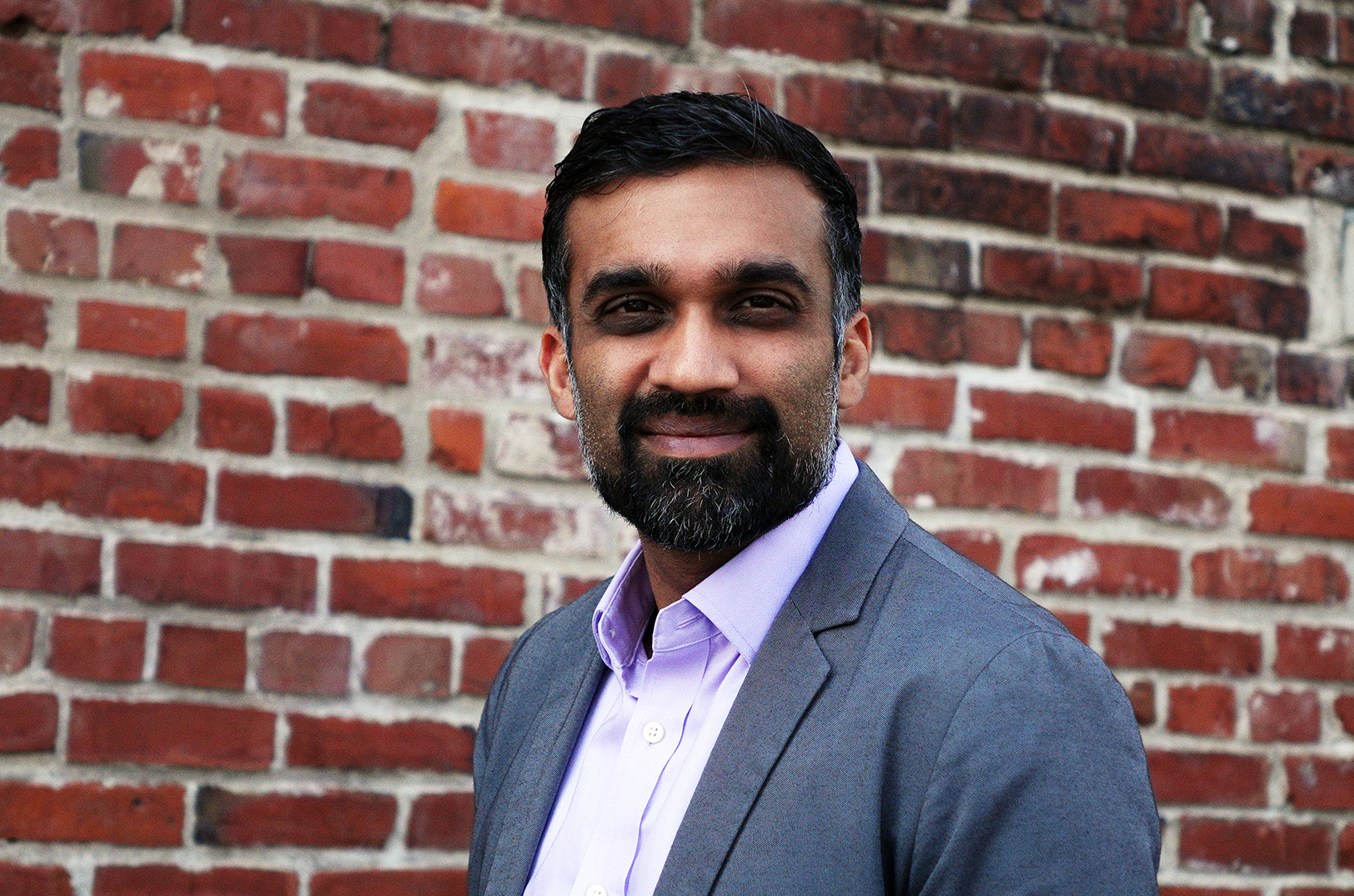
Prevention is cheaper than cure — a sentiment forming the foundation of Helix Health, said Anurag Patel.
“The business of healthcare today is that if you’re sick, then you’re a customer of healthcare. If you’re healthy, then you’re not,” Patel said, describing a need for creating a business model that helps people stay healthy.
Helix Health aims to connect healthcare providers with preventive solutions for patients with chronic illnesses like diabetes, said Patel, co-founder and CEO.
A quotient of the problem also lies in opaque payment models used by healthcare companies, added Aaron Deacon, co-founder and president of Helix Health and managing director of KC Digital Drive.
“You’ve got the insurance companies or the federal government as intermediaries. There’s no transparency of pricing sort of throughout that chain,” he said. “It’s also hard for people to sort of make price choices as rational consumers, because there’s so much complexity in the system.”
Slowly but surely, the healthcare market is shifting from a “fee for service”-based system — where healthcare companies are paid more to do more — to a “value-based” system in which they are paid more to do better, he said.
“Doctor’s offices, which have been charged with keeping each patient healthy, are now being reimbursed and incentivized monetarily by how they keep their whole aggregate population healthy,” said Deacon.
Finding real-world solutions
Hoping to provide an opportunity of disruption in a traditionally robust and rigid space, Helix Health relies on artificial intelligence and data partnerships to create a data analytics platform for healthcare providers, Patel said.
“What we track is what happens in the real world,” said Patel. “We plug into this new environment by saying that we have the analytics or the tools that allow them to see which patients to focus on and how that would prevent downstream and expensive costs.”
The trajectory of treatment for each patient is different based on their socio-economic background, Patel explained.
“Even though there’s a single set of treatments for diabetes, for example, the application outside of the clinic may look different for different people,” said Patel.
Consequently, the firm collects both clinical and non-clinical patient data, said Deacon.
“We bring multiple sources of data together to get more nuanced picture of what’s happening and understand different pathways diabetic patients take from diagnosis through treatment, to a certain result,” he said.
From Project Helix to Helix Health
The idea for the Digital Sandbox KC-funded startup was originally floating in a different form.
“We’ve been helping the health tech community get together to work on how to commercialize research into application for health purposes. And at one point we realized that instead of trying to push people, we should just potentially do one,” said Patel.
In 2018, founders Patel and Deacon paired up with organizations like Code for Kansas City and the KC Digital Drive to enter into an open innovation challenge at the Robert Wood Johnson Foundation.
“We ended up getting third place out of more than 60 companies nationally … getting $15,000 to do product development,” Deacon said.
Being able to deliver analyzed data on different platforms in a scalable manner has been a major pain point for Helix Health, said Deacon.
“Doctors are inundated with technology and for all of the sort of upside of having electronic medical records, doctors generally hate them. The question is how do we deliver information and insight in a way that is most usable for a customer?” he said.
The startup’s primary customers are “payers and providers” which includes healthcare institutions, insurance companies and employers who provide insurance for their employees.
Value-based service is an opportunity to build higher quality and efficiency, said Patel, noting key factors in the digital health evolution.
“I believe we need some innovation and disruption in the healthcare market, especially on how we work with preventing diseases instead of always being reactionary,” said Patel.
This story was produced through a collaboration between Missouri Business Alert and Startland News.

Featured Business

2019 Startups to Watch
stats here
Related Posts on Startland News

Report: KC is a tech hub but labor shortage is hampering growth
Each day, Kansas City is better positioning itself to be the Midwest’s tech hub. But for Kansas City to realize its full potential, tech leaders, policymakers and the community need to do more to cultivate homegrown talent, KC Tech Council president Ryan Weber said. “Attracting talent from another city is a very small game — and…

KC tech startup partners with Children’s Mercy to help diagnose, manage care
Kansas City-based Engage Mobile Solutions developed a mobile app assisting pediatricians at Children’s Mercy Hospital, treating children facing acute illnesses and injuries. The tech firm created “CMPeDS: Pediatric Decision Support” to provide healthcare professionals with evidence-based guidelines to manage patients who are facing acute illnesses such as infections, or children who are experiencing acute injuries,…

UMKC eyes ‘final four’ of Enactus contest attracting thousands of student entrepreneurs to KC
Kansas City will soon become the entrepreneurial epicenter for a national, collegiate competition and conference challenging young innovators to do good in their communities. From May 21 to 23, Kansas City will host more than 2,000 entrepreneurial college students for the Enactus United States National Exposition. Founded in 1975, Enactus challenges students from more than…

Kauffman VP hops on national TV to discuss gaps in entrepreneurship
The Ewing Marion Kauffman Foundation’s vice president of entrepreneurship recently took to national television to examine declining startup rates. CNBC recently featured Victor Hwang to discuss the trend in declining startup rates, including generational gaps, cultural shifts, limited access to capital and the impact of regulations. “It’s hard to pin it down exactly,” Hwang told…